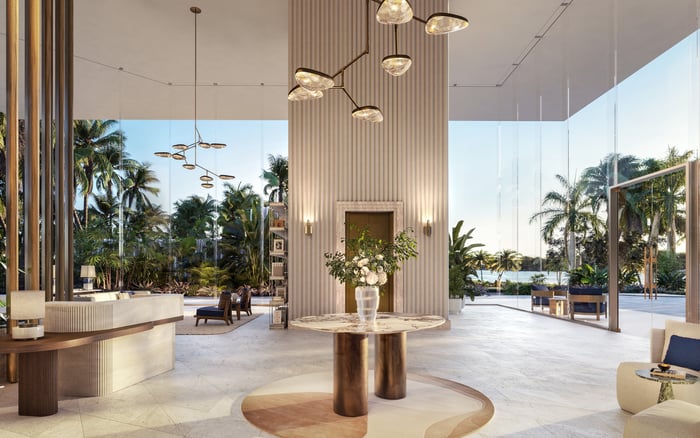
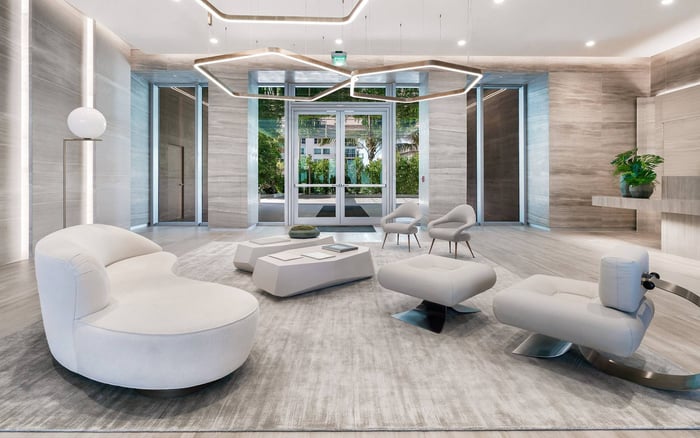
A discreet buyer’s guide to evaluating Miami Beach residences through cold plunge access, recovery programming, privacy, and the daily rhythm of wellness-led ownership.
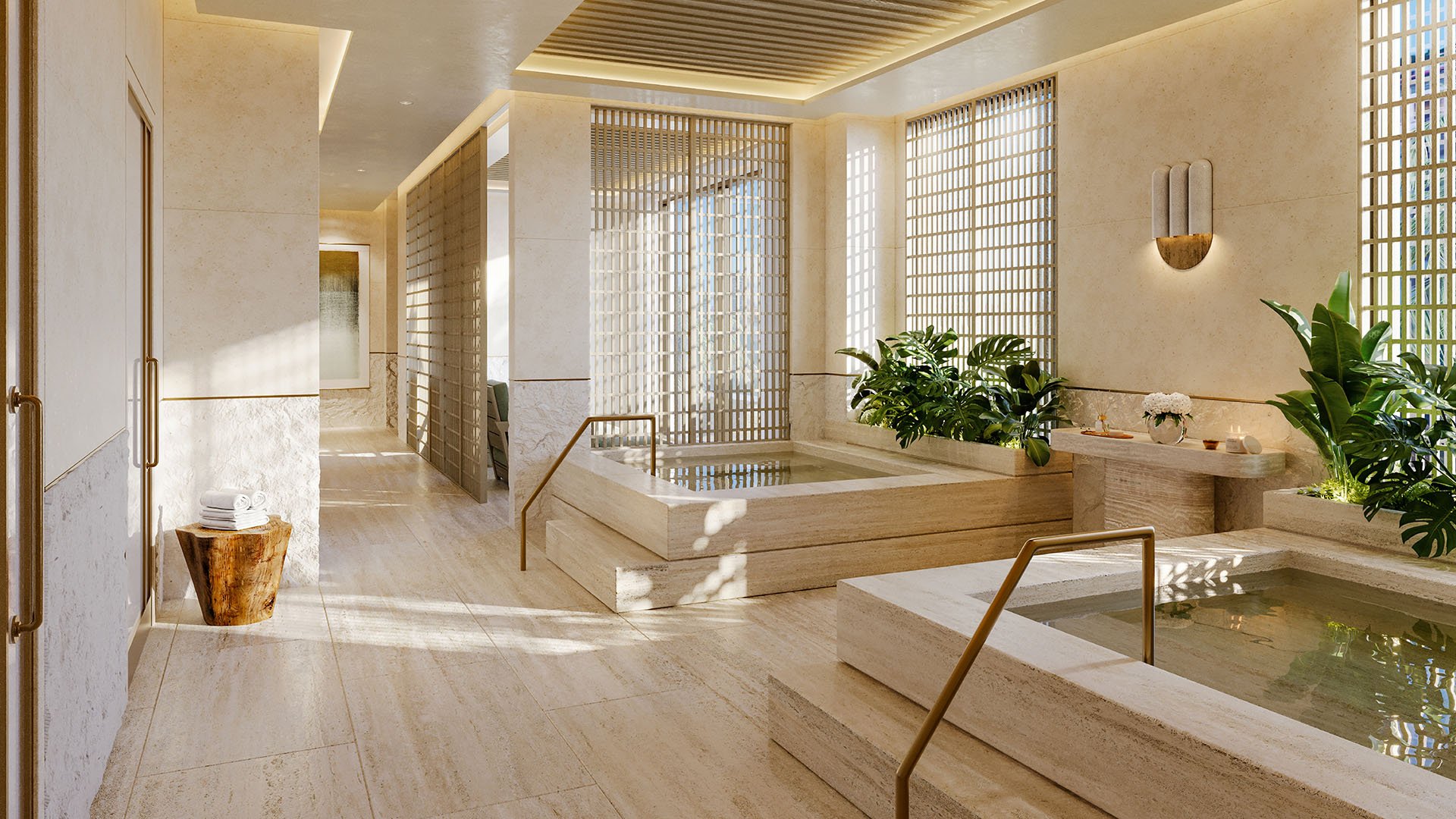
For a certain Miami Beach buyer, wellness is no longer an occasional appointment. It is a daily discipline built around sleep, circulation, inflammation control, training recovery, and mental reset. Cold plunge access has moved from boutique spa novelty to serious residential consideration, especially for buyers who expect their home environment to support performance without friction.
The most compelling residences are not necessarily those with the longest amenity roster. They are the ones where recovery is easy to use, properly placed, and private enough to become habitual. A plunge pool that requires excessive scheduling, feels exposed, or sits apart from other recovery features may have less practical value than a more discreet suite with sauna, steam, lounge seating, showers, and direct access from fitness areas.
For the Miami Beach buyer, the question is not simply whether a building offers wellness amenities. The question is whether the residence can support a complete recovery rhythm before sunrise, after training, between meetings, and during seasonal stays.
1. Dedicated cold-plunge residence - private contrast access
The most desirable option is a residence environment where cold immersion is integrated into a broader contrast routine. Buyers should look for close proximity between plunge, heat therapy, showers, towels, lounge seating, and hydration areas. The fewer the transitions, the more likely the amenity becomes part of daily life.
Privacy is the central differentiator. A cold plunge that feels like a performance in front of other residents will not serve the same purpose as a quieter, recovery-first space. For ultra-premium buyers, discretion often matters as much as design.
2. Spa-level condominium residence - programmed recovery
A full residential spa setting can be a strong fit for buyers who want structure without leaving the property. The appeal is not just cold water. It is the ability to pair recovery with massage, stretching, steam, sauna, relaxation areas, and a measured post-treatment pause.
This profile suits owners who divide time between travel, training, work, and entertaining. When recovery is programmed inside the building, the residence functions less like a seasonal escape and more like a private health platform.
3. Oceanfront residence - recovery with light, water, and routine
An oceanfront setting can add a powerful psychological layer to recovery. Morning exposure to natural light, direct visual contact with water, and an intuitive path from movement to cool-down can reinforce habits that feel effortless rather than prescribed.
Here, beach access matters when it supports a complete lifestyle rather than a brochure promise. The strongest version allows an owner to move from beach walk to fitness to plunge to breakfast with minimal interruption. That sequence is what transforms an amenity into a ritual.
4. South of Fifth residence - discreet wellness near the city’s calm edge
For buyers who want Miami Beach energy without surrendering privacy, a South of Fifth residence profile can be especially appealing. The recovery benefit is as much about setting as equipment: quieter arrival, refined building culture, and the ability to retreat quickly from the social intensity of the beach.
Cold plunge users tend to value consistency. A calm residential environment can make early-morning and evening recovery more comfortable, particularly for owners sensitive to crowding, noise, or overly public amenity spaces.
5. New-construction residence - flexible wellness for the next decade
A new-construction residence may appeal to buyers who want modern building systems, contemporary amenity planning, and spaces that can adapt as wellness expectations evolve. Even when a buyer is focused on cold plunge today, tomorrow’s priority may be red light therapy, assisted stretching, breathwork, or sleep optimization.
Flexibility is the point. A private terrace, secondary bath, generous service area, or adaptable wellness room can become meaningful if personal recovery needs grow more specialized. The best residence is not just ready for current routines. It is ready for new ones.
Language can be seductive in luxury real estate, but recovery access must be judged by use. A pool is not automatically a cold plunge. A spa is not automatically a recovery suite. A fitness center is not automatically a performance environment. Buyers should ask how each component works together and whether the experience supports daily repetition.
Temperature control is one consideration, but so are cleanliness standards, capacity, acoustics, lighting, staff oversight, and hours of access. A beautiful wellness room that is difficult to reserve may be less valuable than a simpler facility that is consistently available.
The best residences understand sequence. Train, heat, cold, shower, rest, dress, return home. If that path feels natural, the amenity has real residential value. If it feels fragmented, the experience may remain aspirational rather than useful.
Before treating cold plunge access as a decisive factor, buyers should verify exactly what is available to residents and how it may be used. The key questions are practical: Is access shared or private? Are reservations required? Are guests permitted? What are the operating hours? Is the plunge part of a larger thermal area? How is maintenance handled?
Buyers should also consider how the residence itself complements the amenity. A split-bedroom layout may allow one partner to train early without disturbing the household. A larger primary bath may support personal recovery tools. A terrace with shade and airflow may be useful for post-plunge decompression.
For second-home owners, the highest value comes from immediacy. If the recovery sequence can be activated within minutes of arrival, the property becomes more than a place to stay. It becomes part of the owner’s health strategy.
The next phase of Miami Beach luxury is not only about finishes, views, or branded service. It is about reducing friction around the routines that matter most. Cold plunge access sits at the center of that shift because it is intensely personal, highly repeatable, and easy to evaluate once the right questions are asked.
For recovery-minded buyers, the most valuable residence is the one that supports privacy, consistency, and intelligent sequencing. That may mean a full spa suite, an oceanfront rhythm, a discreet South of Fifth setting, or a new-construction home with adaptable wellness space. The right answer depends on how the owner actually lives.
Should cold plunge access influence a Miami Beach purchase decision? Yes, if recovery is part of the buyer’s daily routine. It should be evaluated like any other core lifestyle feature, not as a decorative amenity.
Is a cold plunge the same as a pool? No. A pool may support relaxation or exercise, while a cold plunge is designed around controlled cold exposure and recovery routines.
What should buyers ask before relying on a building’s recovery amenities? Buyers should ask about access hours, reservation rules, maintenance standards, guest policies, and whether heat therapy is nearby.
Does oceanfront living improve recovery value? It can, especially when the setting supports morning light, movement, beach walks, and a smooth transition into post-training recovery.
Is beach access enough for a wellness-focused buyer? Beach access is valuable, but it should be paired with practical in-building recovery features if the buyer wants consistent daily use.
Why does privacy matter for cold plunge users? Cold immersion is personal and often intense. A discreet setting makes the ritual easier to repeat without feeling observed.
Can a residence without a shared cold plunge still work? Potentially, if the home has flexible private space for approved personal recovery equipment and the building rules allow it.
Are spa amenities more important than fitness amenities? Neither is automatically more important. The best properties connect movement, heat, cold, showering, and rest into one coherent sequence.
Should second-home buyers prioritize recovery access? Yes, if they want their Miami Beach property to support immediate reset after travel, training, or demanding work periods.
What is the strongest signal of a true recovery residence? The strongest signal is ease of use. If the routine is private, accessible, and repeatable, the amenity has real value.
For a discreet conversation and a curated building-by-building shortlist, connect with MILLION.
If branded residences are on your mind — as a home or as an allocation — we would be glad to share what we are seeing, privately.
Begin a quiet conversation