A long-term Grove Isle waterfront condo purchase depends on more than scenery. The strongest acquisitions balance privacy, layout discipline, building stewardship, terrace usability, and resale logic within the broader Coconut Grove luxury market.
A waterfront condo in Grove Isle works as a serious long-term purchase when the view is only the opening argument. The buyer who holds for years is not simply buying blue water, skyline light, or the romance of arriving home by a more private approach. That buyer is underwriting a complete living proposition: privacy, building stewardship, floor plan resilience, maintenance discipline, and the ability to appeal to the next sophisticated owner when the time comes.
This is where the conversation becomes more exacting. A beautiful residence can still be a weak long-term purchase if the layout dates too quickly, if outdoor space is decorative rather than useful, or if the building fails to maintain the quiet confidence expected at the top of the market. Conversely, a well-chosen waterfront condo can offer a rare blend of lock-and-leave convenience, daily calm, and scarcity that single-family ownership does not always deliver.
For buyers studying Vita at Grove Isle, the question is not merely whether the setting is desirable. It is whether the residence can support an elegant daily rhythm today while preserving its relevance for the next cycle of ownership.
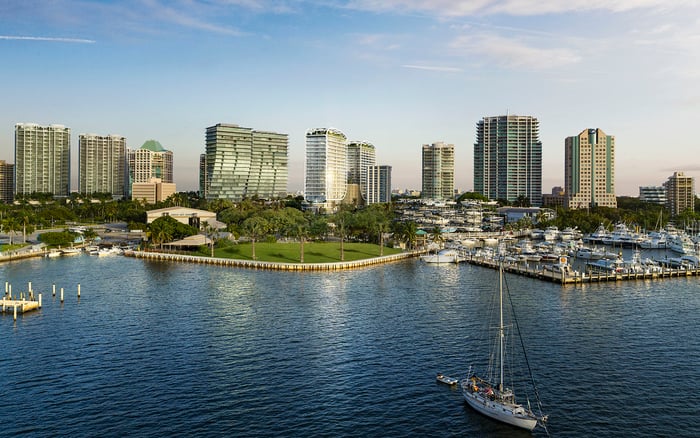
A long-term waterfront purchase depends heavily on micro-location. Grove Isle has an identity that is more composed than performative, which is precisely why it attracts buyers who are not trying to live in the loudest part of Miami. The right condo here should feel removed without feeling inconvenient, private without feeling isolated, and residential without sacrificing access to the broader Coconut Grove lifestyle.
That balance matters because patient capital rarely chases novelty. It seeks a location with a durable reason to exist. In waterfront real estate, that reason is usually a combination of protected outlooks, limited comparable supply, and an atmosphere that cannot be easily recreated. A buyer should ask whether the view corridor feels intrinsic to the property, whether the approach to the building creates a sense of arrival, and whether the surrounding environment reinforces calm over time.
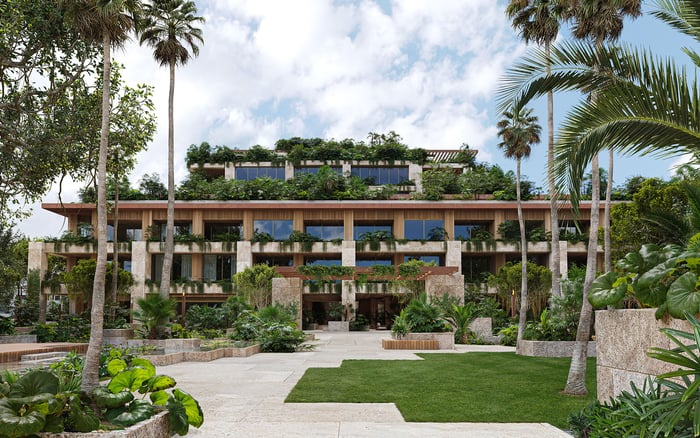
This is also why comparisons within Coconut Grove matter. A buyer may benchmark Grove Isle against Park Grove Coconut Grove or Four Seasons Residences Coconut Grove, not because they offer the same experience, but because each helps clarify what the buyer values most: waterfront separation, service, walkability, architectural presence, or a specific interpretation of Grove living.
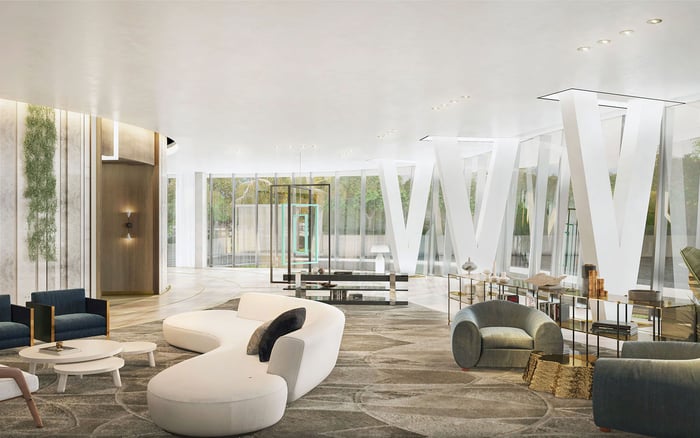
The most reliable long-term condo layouts are not overly dependent on a current design trend. They prioritize proportion, ceiling presence, natural light, practical circulation, and a clear distinction between entertaining and private areas. A waterfront residence should reveal the water naturally, not force the entire home to perform around a single glass wall.
A serious buyer should study how the primary bedroom relates to the view, whether secondary bedrooms feel dignified, and whether the kitchen functions for both daily use and hosted evenings. Storage is especially important. Waterfront buyers often underestimate how much equipment, luggage, seasonal wardrobe, and outdoor lifestyle gear can accumulate over a long hold.
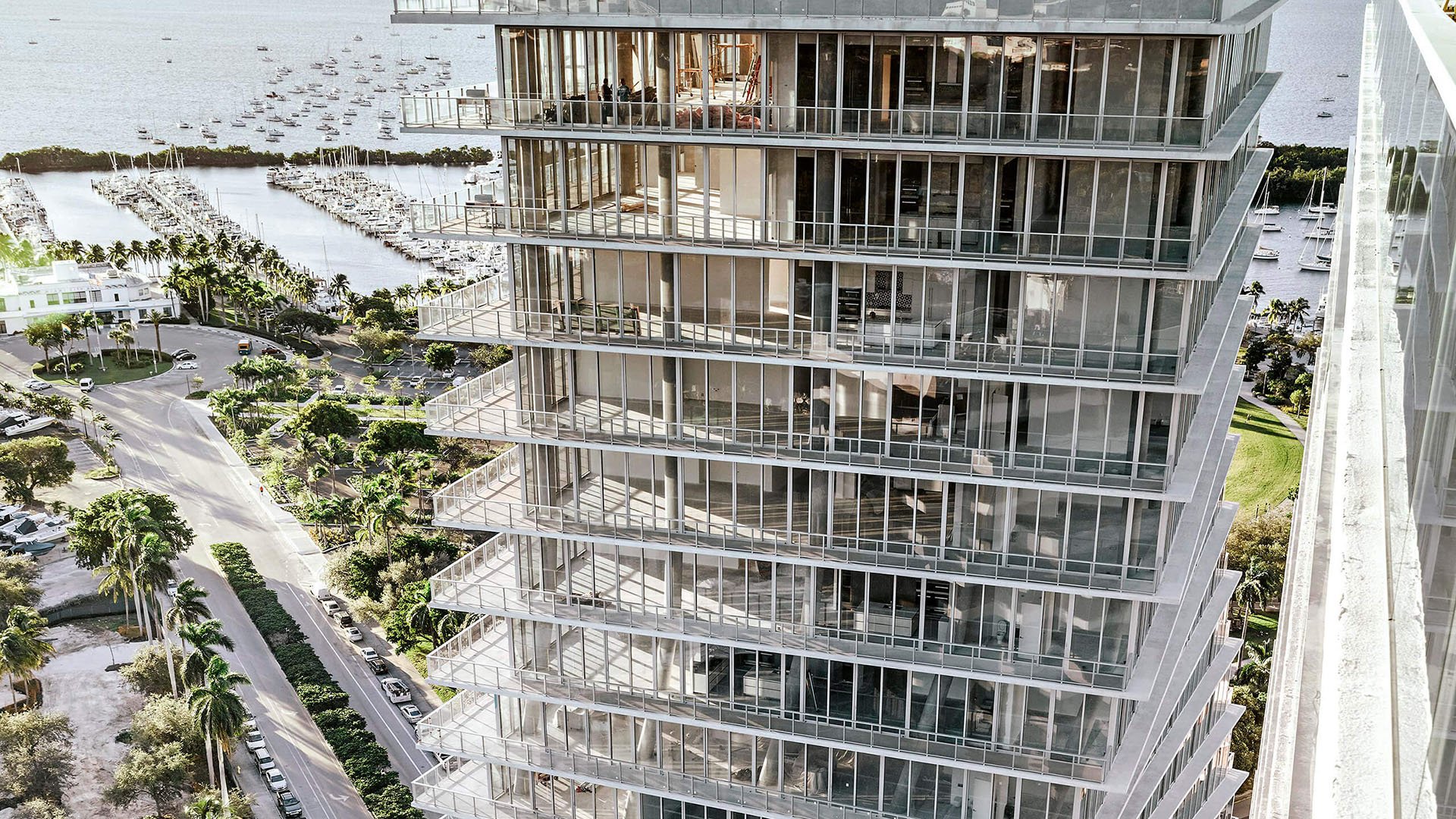
Terrace space deserves the same scrutiny. A terrace that looks impressive in photography may be less useful if it lacks depth, privacy, shade potential, or a natural connection to the living room. The best outdoor space becomes a true extension of the home. It supports breakfast, reading, cocktails, and quiet conversations without feeling exposed or ceremonial.
Waterfront is not just a view category. It is an operating environment. Salt air, wind exposure, glazing, mechanical systems, exterior finishes, and common-area maintenance all matter. A long-term buyer should care how the building is managed, how regularly it is refreshed, and whether the ownership culture supports reinvestment rather than deferral.
This is where a purchase becomes less emotional and more institutional. The residence may be acquired for pleasure, but it should be evaluated with the discipline of an asset. Monthly costs, insurance environment, reserves, and future capital planning are not secondary details. They are part of the ownership experience and can influence resale perception when the next buyer reviews the same building.
A strong waterfront condo should feel easy to own, not fragile. The best buildings make maintenance feel invisible because the fundamentals are handled consistently. For long-term owners, that quiet competence is a form of luxury.
A Grove Isle waterfront condo should make daily life feel edited. The drive home, the lobby sequence, the elevator experience, and the transition into the residence all contribute to value. Serious buyers often focus on the unit and underweight the choreography of living in the building. Over time, that choreography becomes decisive.
Privacy is not only about distance from neighbors. It is about sightlines, elevator traffic, acoustic separation, staff discretion, and whether amenities feel appropriately scaled for the resident population. A condo can be visually spectacular yet fail as a long-term home if the everyday experience feels congested or overly public.
Access also matters. The right buyer wants the feeling of retreat without creating friction around dining, schools, cultural life, boating, medical appointments, airport access, and guests. For some, marina adjacency or boat-slip considerations may be part of the broader lifestyle analysis, even when the condo itself is the primary purchase. The point is not to buy every possible amenity. It is to ensure the ownership experience matches the way the household actually lives.
Price per square foot is a useful reference, but it is rarely the deciding metric for a serious waterfront purchase. Two residences with similar interior size can perform very differently depending on view quality, outdoor usability, ceiling feel, renovation burden, building reputation, and the emotional pull of arrival.
A more refined framework begins with permanence. Is the setting likely to remain desirable across market moods? Then comes usability. Does the residence function for the buyer’s real life, not just for a weekend tour? Then comes transferability. Could a future buyer quickly understand why this home is special?
That final point is central to investment thinking. A long-term purchase should not rely on the current owner’s highly specific taste. It should have a clean underlying logic that another affluent buyer can recognize within minutes: the right water, the right privacy, the right plan, the right building, and the right condition.
In the upper tier of the market, design should feel enduring rather than theatrical. Waterfront condos age best when materials, lighting, millwork, and furnishings support the architecture instead of competing with the view. Over-customization can narrow the future buyer pool, especially when the setting itself is the true luxury.
Wellness has also become part of the long-term equation, though it should be interpreted broadly. It includes quiet, air, light, outdoor usability, fitness habits, spa rituals, and the ability to decompress at home. Buyers comparing the Grove waterfront lifestyle with The Well Coconut Grove may be thinking less about labels and more about how a residence supports daily restoration.
The strongest homes do not need to announce themselves. They have restraint, quality, and a sense of ease. On the water, that restraint is especially valuable because the view is already the statement.
Before committing to a Grove Isle waterfront condo, a buyer should ask five essential questions. First, does the residence feel compelling in ordinary daylight, not only at sunset? Second, does the plan support both privacy and entertaining? Third, is the outdoor space genuinely livable? Fourth, does the building appear to be governed and maintained for the long term? Fifth, would the next buyer understand the value proposition quickly?
If the answers are strong, the purchase can move beyond lifestyle indulgence and become a durable holding. The best waterfront condos combine emotion with discipline. They offer beauty, but they also offer logic.
Is a Grove Isle waterfront condo mainly a lifestyle purchase? It is a lifestyle purchase, but the strongest examples also have long-term asset logic through privacy, scarcity, layout quality, and building discipline.
What should buyers evaluate before focusing on price? They should evaluate view quality, floor plan, terrace usability, building condition, ownership costs, and likely resale appeal.
Why does terrace design matter so much? A well-planned terrace expands daily living, while a shallow or exposed terrace may function more as a visual feature than a usable room.
Is waterfront always better for long-term value? Waterfront can be powerful, but only when paired with strong maintenance, privacy, access, and a residence that remains appealing over time.
How important is Coconut Grove context? Coconut Grove context matters because buyers often compare Grove Isle with other Grove residences to understand privacy, access, and lifestyle tradeoffs.
Should buyers prioritize newness or location? Neither should be considered alone. A newer residence in a weaker setting may be less compelling than a better-positioned home with timeless fundamentals.
What makes a floor plan durable? Durable plans have balanced proportions, natural light, useful storage, private bedrooms, and entertaining areas that do not depend on passing trends.
How should an investment-minded buyer think about personalization? Personalization should enhance the home without making it too specific, since future buyers must be able to imagine their own life there.
Do marina or boat-slip considerations change the analysis? They can, especially for boating households, but they should complement rather than distract from the core quality of the residence and building.
When does a waterfront condo become a serious long-term purchase? It becomes serious when beauty, daily function, stewardship, privacy, and future buyer appeal all support the same conclusion.
If you'd like a private walkthrough and a curated shortlist, connect with MILLION.
If branded residences are on your mind — as a home or as an allocation — we would be glad to share what we are seeing, privately.
Begin a quiet conversation