Remote executives should evaluate Miami Beach through the lens of working life, privacy, service culture, access, building governance and exit logic rather than vacation emotion alone.

Miami Beach is easy to fall for in a weekend. It is harder, and far more revealing, to test as the command post for a remote executive life. A buyer who treats a few sunlit showings, a dinner reservation and a balcony view as sufficient diligence may be measuring the wrong thing. A luxury residence is not only a trophy asset. For a founder, fund principal, family office leader or creative executive, it becomes an operating environment.
The question is not whether Miami Beach is compelling. The question is whether a specific residence, building and micro-location can support your working cadence, privacy expectations, social rhythm and family logistics without friction. In practical shorthand, compare Miami Beach, South of Fifth, oceanfront, beach-access, new-construction and second-home priorities before deciding which version of the market truly fits.
A proper pressure test should feel less like a tour and more like a rehearsal. Live your actual week. Take calls. Move between meetings. Host a guest. Sleep through weekday mornings and weekend nights. Notice what the property does to your nervous system.
Remote executives often buy into the promise of flexibility, then discover that flexibility still requires structure. Before committing, spend time in Miami Beach during the same hours you would actually work. If your calendar begins early with New York, London or European calls, test light, acoustics, internet redundancy, elevator timing and household quiet before breakfast. If your calls extend late, assess whether the residence has a true office zone separate from entertaining and family life.
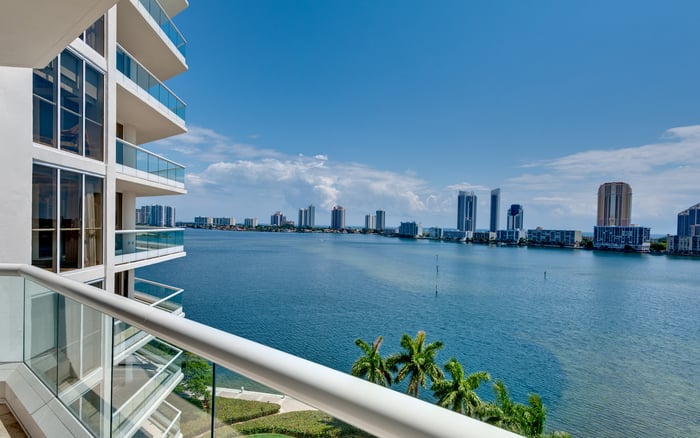
A beautiful great room is not necessarily a workable headquarters. Look for separation between public and private areas, a camera-friendly background, strong natural light without glare, and enough spatial depth to hold a confidential conversation without turning the home into a closed-door maze. A balcony or terrace can be restorative, but the core test is whether you can complete a high-stakes day without compensating for the residence.
Touring The Perigon Miami Beach, for example, should not be limited to finishes and views. Use the visit to ask how the floor plan would handle a board call, a family morning, a private dinner and a quiet overnight guest within the same day.
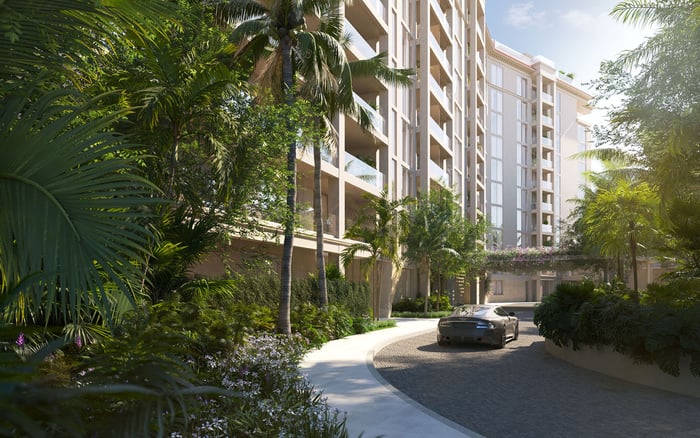
At the upper end of Miami Beach, the building is part of the asset. Service culture, privacy protocols, arrival sequence, staff discretion and resident rhythm can matter as much as square footage. A residence may be architecturally impressive yet wrong for an executive who needs quiet entries, predictable valet flow, low-friction guest clearance and a staff that understands confidentiality without theatrics.
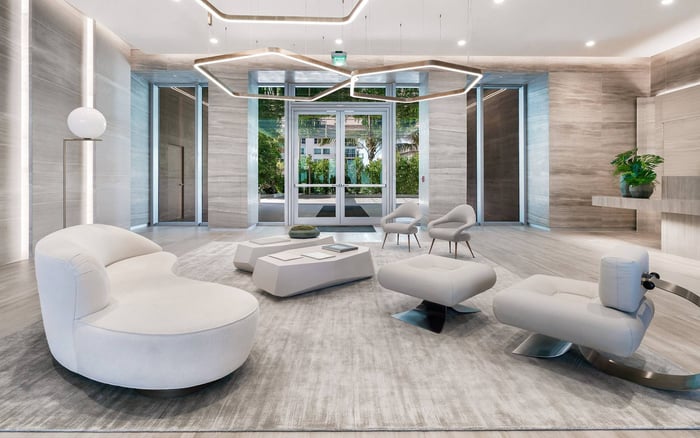
During showings, pay attention to how the building feels when no one is performing for you. Is the lobby calm or theatrical? Does the arrival experience feel composed? Are service areas intuitive? How are vendors, drivers, assistants and guests handled? For an executive using the residence as a base, small operational details become daily quality of life.
This is especially important when comparing private residential concepts with hospitality-influenced projects. A buyer considering Shore Club Private Collections Miami Beach should evaluate not only the brand aura, but how that aura translates into daily privacy, staffing, guest management and personal routine.
Miami Beach micro-locations have distinct personalities. A buyer drawn to South of Fifth may value a more established, walkable residential rhythm. Another may prefer quieter stretches with direct oceanfront presence. Others may want fast access to dining, fitness, private clubs, cultural events or mainland meetings. The correct choice is not universal. It depends on how your week actually unfolds.
Do not measure access only in minutes. Measure it in cognitive load. How many transitions does it take to leave the building, retrieve the car, cross the bridge, get to a meeting, return, change and host dinner? How does that feel in season, during events or on a rainy afternoon? For a remote executive, a residence that reduces decisions has value beyond décor.
If beach access is central to your lifestyle, test it in real conditions. Walk it in work clothes. Walk it after a morning call. Walk it while carrying a towel, phone, child’s bag or guest’s expectations. Luxury is often the absence of small annoyances.
Some buyers want the reassurance of established buildings with known resident cultures. Others prefer new construction for contemporary layouts, fresh systems and a first-generation ownership experience. Neither path is automatically superior. The pressure test is whether the building’s age, governance, maintenance culture and design language align with your tolerance for oversight.
A polished residence in an established building may offer immediate lifestyle confidence, while a newer project may offer a more current interpretation of wellness, arrival and private amenity space. What matters is not novelty, but control. Can you understand the building’s rules, financial obligations, renovation standards, leasing posture, staffing philosophy and long-term maintenance expectations before you buy?
When evaluating The Ritz-Carlton Residences® Miami Beach, a remote executive should consider how the service model and residential setting might support a lock-and-leave pattern, family stays and guest visits. When evaluating Apogee South Beach, the analysis should be equally disciplined: privacy, arrival, layout, outdoor space and building culture should all be tested against real use.
Many Miami Beach purchases begin as a second-home decision, but remote work often blurs that boundary. A home intended for long weekends can quickly become a seasonal headquarters. That shift changes the standard. Storage, office space, staff access, pet logistics, package handling, car use, wellness routines and family comfort all matter more than they may have during the first showing.
Executives should ask a simple question: if a business issue required me to stay here for three uninterrupted weeks, would I be fully functional or merely comfortable? A property can be an exquisite escape and still fail as an executive base. Conversely, a residence that handles pressure elegantly can become more valuable to the owner because it supports both performance and recovery.
This is where discretion becomes practical. The best Miami Beach residence is not always the loudest statement. It is the one that lets the owner move through work, family, privacy and leisure without the property demanding constant attention.
Even lifestyle-led purchases deserve an exit thesis. Before buying, define who the next buyer might be. Is the residence likely to appeal to another remote executive, a family seeking seasonal use, an international buyer, a design-driven collector or someone prioritizing service and privacy? The stronger the buyer universe, the more resilient the ownership decision may feel.
Consider whether the floor plan is intuitive, whether the view has broad appeal, whether the building identity is durable and whether the property is too personalized. Ultra-prime buyers can be emotional, but they are rarely careless. They respond to clarity, proportion, privacy and ease.
A disciplined buyer can still be romantic. The goal is not to drain the purchase of pleasure. It is to make sure pleasure survives contact with real life.
How long should a remote executive pressure-test Miami Beach before buying? Ideally, test both weekdays and weekends so the residence is evaluated during work, leisure, arrival and rest periods.
Should I rent before buying a luxury residence in Miami Beach? A short stay can be useful if it reflects your actual routine rather than a vacation itinerary.
What is the most important room for a remote executive? The office or work zone is critical, but its success depends on privacy, light, acoustics and separation from social areas.
Is oceanfront always the best choice? Not always. Oceanfront living can be exceptional, but access, privacy, building culture and daily logistics should carry equal weight.
Why does building culture matter so much? Staff discretion, resident rhythm and guest protocols shape daily life, especially for owners who require privacy and predictability.
How should I compare South of Fifth with other Miami Beach areas? Compare the weekly pattern you actually want, including dining, walking, driving, meetings, beach use and quiet time.
Are branded residences better for remote executives? They can be, if the service model supports your routine, but the brand should never replace diligence on layout and governance.
What should I ask about before buying new construction? Review rules, expected operations, service standards, delivery assumptions, maintenance obligations and how the building will function day to day.
How important is beach access for resale? Beach access can broaden lifestyle appeal, but resale strength also depends on view quality, layout, building identity and condition.
What is the biggest mistake remote executives make? They buy the weekend version of Miami Beach instead of testing the weekday version they will actually live.
When you're ready to tour or underwrite the options, connect with MILLION.
If branded residences are on your mind — as a home or as an allocation — we would be glad to share what we are seeing, privately.
Begin a quiet conversation