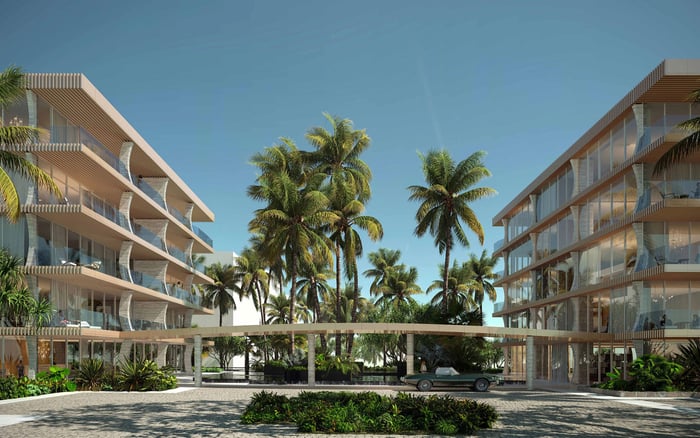
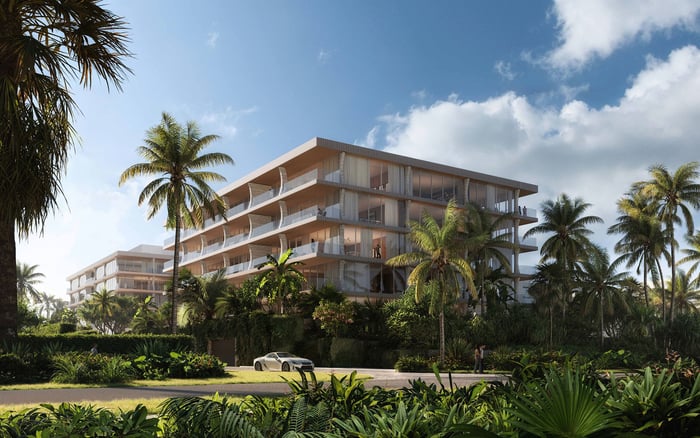
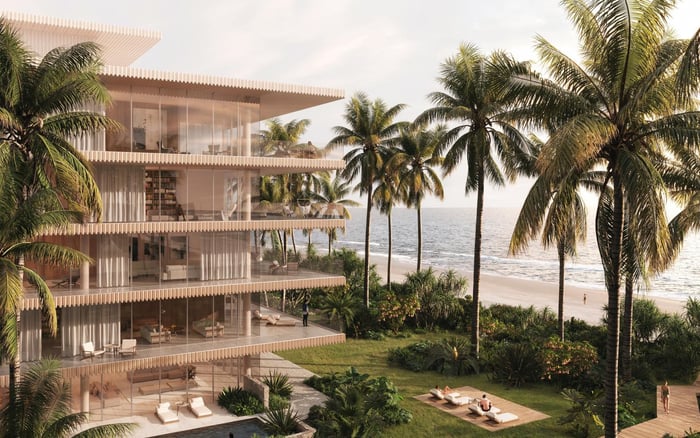
A discreet guide to Palm Beach County residence profiles for buyers who want turnkey ownership without surrendering privacy, flexibility, or practical control.
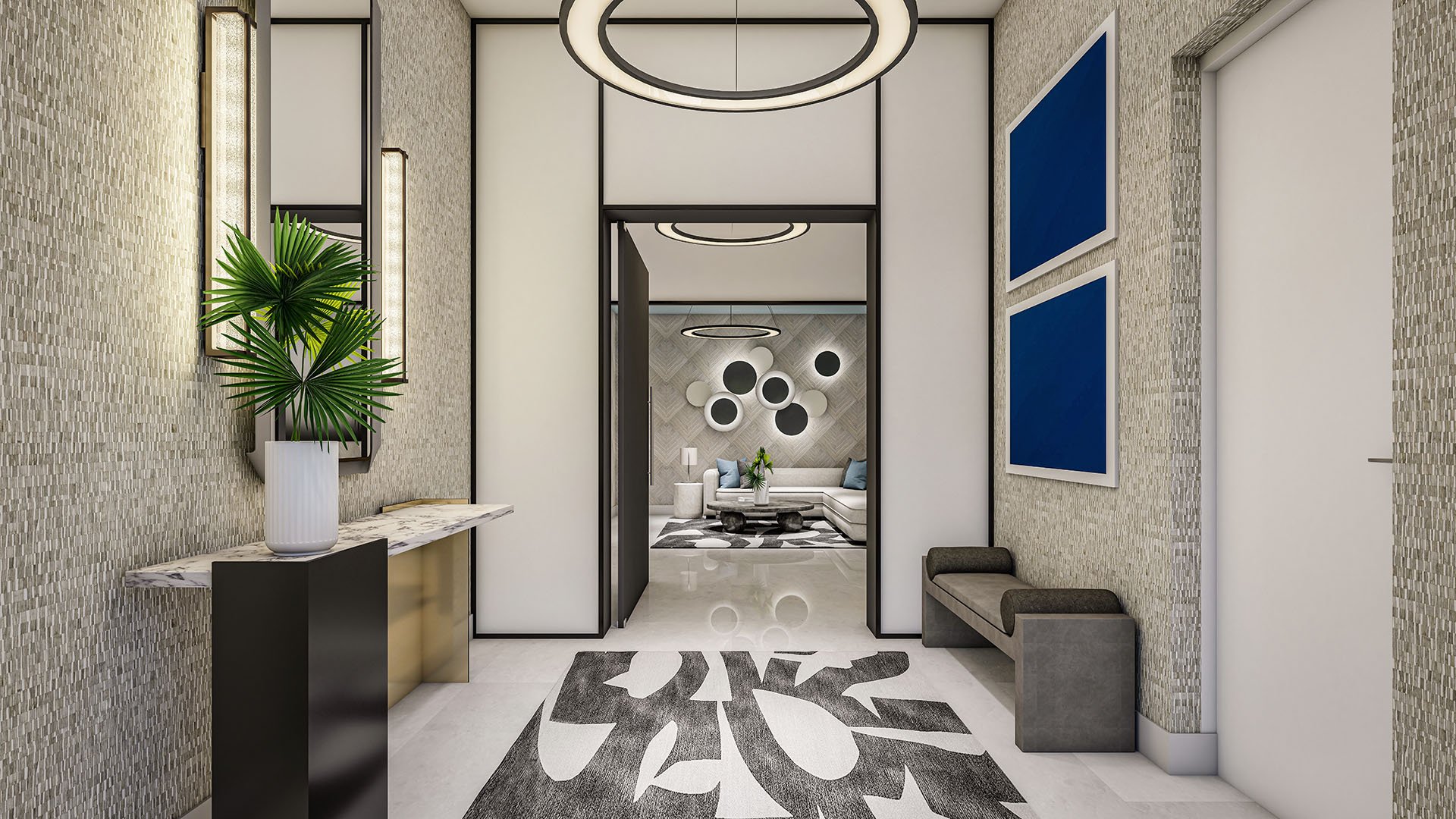
For the South Florida buyer, turnkey ownership once meant a finished residence, a service desk, and the freedom to arrive with little more than a suitcase. In Palm Beach County, that definition has become more exacting. The most sophisticated buyers now want a residence that is operationally effortless but not overdetermined, serviced but not intrusive, polished but not rigid.
That distinction matters. A truly turnkey home should reduce the decisions that drain time while preserving the decisions that shape daily life. It should offer maintenance confidence, ease of arrival, strong privacy, and a clear sense of what the owner can control: renovations, staffing, guest access, vehicle movement, pets, entertaining, seasonal use, and eventual resale.
The profile is distinctly Palm Beach and West Palm Beach, with Boca Raton buyers often weighing second-home use, new-construction convenience, and gated-community privacy. Across the county, the best residence is less about spectacle than fit. The right choice feels calm on arrival, intuitive in daily use, and clear in its ownership rules.
1. Full-service condominium residence - managed privacy
The strongest choice for many lock-and-leave owners is a full-service condominium residence with professional oversight and a defined service culture. This profile works best when the buyer wants the residence cared for during absences, common areas maintained to a high standard, and daily logistics handled without the complexity of managing a standalone property.
The control question is governance. Buyers should focus on what the building allows, what requires approval, and how consistently those rules are applied. The best version of this residence gives owners high confidence in security, maintenance, and arrival protocols while leaving room for personal design, private entertaining, and quiet seasonal rhythms.
2. Boutique waterfront condominium - fewer shared variables
A boutique waterfront condominium can appeal to buyers who want a more intimate ownership environment. Fewer residences may create a quieter tone, a stronger sense of familiarity, and less resort-like traffic. For the buyer who values discretion, scale can be a luxury in itself.
The tradeoff is depth of staffing and amenities. A smaller building may feel more private, but buyers should examine how services are delivered, how maintenance is funded, and how decisions are made among owners. When the structure is well aligned, this profile offers a compelling balance of waterfront ease and personal control.
3. Lock-and-leave townhome residence - private thresholds
The townhome format suits buyers who want more defined private space than a typical condominium while still avoiding the full maintenance burden of an estate. It can be especially appealing for owners who value direct entry, outdoor areas, separated bedrooms, or a more house-like cadence without taking on every operational detail alone.
Control depends on the boundary between private and shared responsibility. Buyers should understand exterior maintenance, landscaping expectations, parking arrangements, guest procedures, and alteration rules. The best lock-and-leave townhome feels residential and independent, yet remains simple enough for seasonal ownership.
4. Estate-style home in a controlled enclave - autonomy with perimeter discipline
For buyers who place personal freedom first, an estate-style home inside a controlled setting may be the most satisfying option. This profile offers the greatest latitude over interiors, outdoor living, staffing, family use, and long-term customization. It is well suited to owners who want a private residence that can evolve with their lives.
The turnkey element must be created intentionally. That may mean a strong property manager, reliable maintenance systems, and clear household protocols. The benefit is that the owner controls more of the environment: access, use, design, and cadence. The cost is that effortless living depends on the quality of the operating structure behind the home.
5. New-construction residence near daily services - low-friction ownership
A new-construction residence near dining, wellness, shopping, clubs, marinas, or cultural amenities can deliver a different kind of turnkey value. Instead of relying only on in-building services, it creates ease through proximity. The owner spends less time arranging everyday life because many preferences are already close at hand.
This profile works best when the residence has modern systems, efficient layouts, and a location that suits the owner’s real routine. Control here is practical: less commuting, fewer deferred upgrades, and a lifestyle that can be used immediately. For many buyers, that is the quietest luxury of all.
The most refined residence can disappoint if the ownership terms are misaligned. Before committing, buyers should understand approval rights, alteration limitations, pet policies, guest access, leasing restrictions, service charges, reserve obligations, parking, storage, and insurance responsibilities. These details are not secondary. They define whether a property feels liberating or constraining after closing.
Control also extends to time. A buyer should ask how easily the home can be opened after a long absence, how quickly maintenance issues are handled, and whether the residence can support short stays without becoming an administrative project. Turnkey ownership is not only about the moment of purchase. It is about the second, third, and twentieth arrival.
Palm Beach County rewards clarity. A residence may offer beachfront calm, urban convenience, club proximity, or estate privacy, but the best choice is the one that matches the owner’s actual use pattern. A frequent traveler may prioritize staffing and access control. A family may value bedroom separation, guest flexibility, and outdoor privacy. A collector may focus on light, wall space, humidity management, and security. A seasonal owner may place the highest value on maintenance reliability and seamless arrival.
The common thread is discretion. Buyers at the highest level rarely want more complexity. They want fewer surprises, fewer unnecessary permissions, and fewer operational gaps. The ideal residence is not the one with the longest amenity list. It is the one that quietly anticipates how the owner lives.
Turnkey language can obscure important distinctions. A finished residence is not automatically easy to own. A serviced building is not automatically flexible. A private home is not automatically low maintenance. Buyers should separate presentation from operation.
The first question is whether the residence is ready for the buyer’s standard of living, not merely ready for occupancy. The second is whether the ownership structure supports the buyer’s preferences. The third is whether control is preserved where it matters most. A residence that answers all three can feel effortless for years, not just on closing day.
For many ultra-premium buyers, the winning property will be understated. It may not be the most visible address or the most dramatic amenity package. Instead, it will be the residence that combines a refined physical setting with predictable rules, reliable service, and enough latitude to make the home feel personally governed.
What does turnkey ownership mean in Palm Beach County? It means a residence that is ready to use with minimal operational burden. The best examples also preserve privacy, flexibility, and owner decision-making.
Is a full-service condominium the easiest turnkey option? Often, yes, because maintenance, security, and arrival logistics are usually more centralized. Buyers should still review building rules before assuming flexibility.
Can an estate home be truly turnkey? Yes, if it has strong management, maintenance systems, and household procedures. Without that structure, a private estate can require more active oversight.
Why does governance matter so much? Governance determines what owners can change, how guests are handled, and how shared costs are managed. It can shape daily life as much as design does.
What should second-home buyers prioritize? Second-home buyers should focus on arrival ease, security, maintenance reliability, and clear procedures during absences. These details protect both time and value.
Are boutique residences better for privacy? They can be, especially when lower density reduces daily traffic. Buyers should balance that privacy against the depth of services offered.
Is new construction always more turnkey? Not always, but modern systems and fresh finishes can reduce early maintenance needs. The ownership rules still require careful review.
What is the biggest mistake control-focused buyers make? They sometimes focus on finishes before studying rules, service quality, and operating costs. Those factors determine whether the home remains effortless.
How should buyers compare Palm Beach County submarkets? Compare lifestyle cadence first: beach, club, urban access, family needs, and travel patterns. The right location should simplify the way the owner actually lives.
What makes a residence feel genuinely high-end over time? Predictable service, privacy, maintenance discipline, and personal latitude matter more than novelty. Lasting luxury is calm, controlled, and easy to return to.
When you're ready to tour or underwrite the options, connect with MILLION.
If branded residences are on your mind — as a home or as an allocation — we would be glad to share what we are seeing, privately.
Begin a quiet conversation