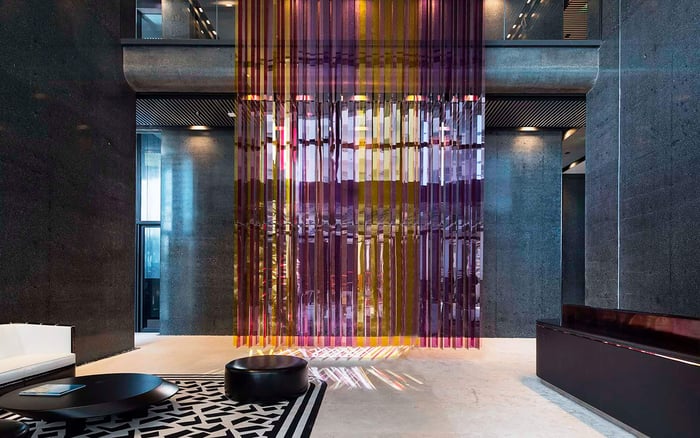
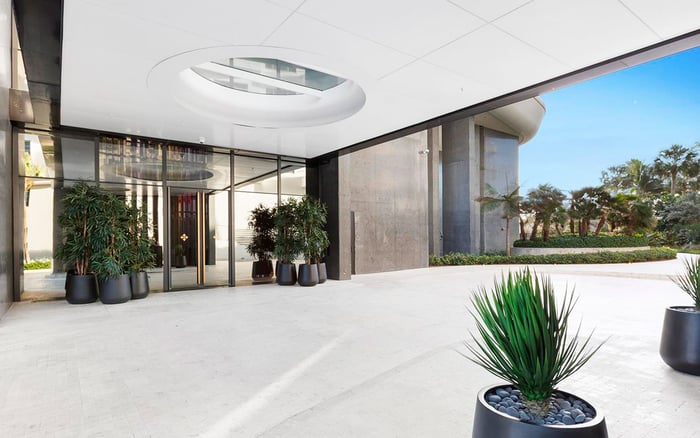
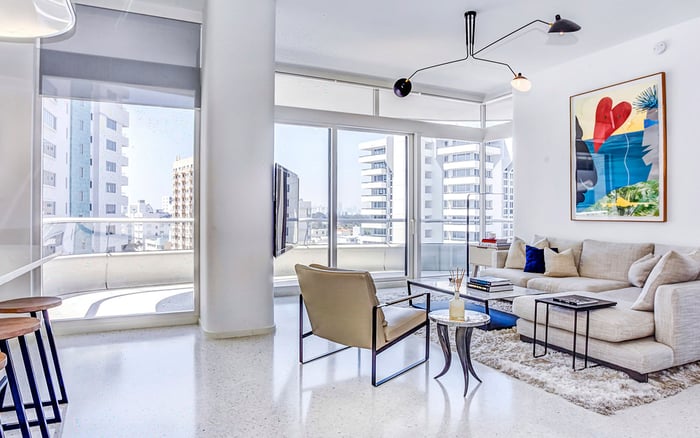
A buyer-focused guide to evaluating art-wall lighting, usable display walls, daylight exposure, approvals, and pre-closing due diligence at Faena House Miami Beach.
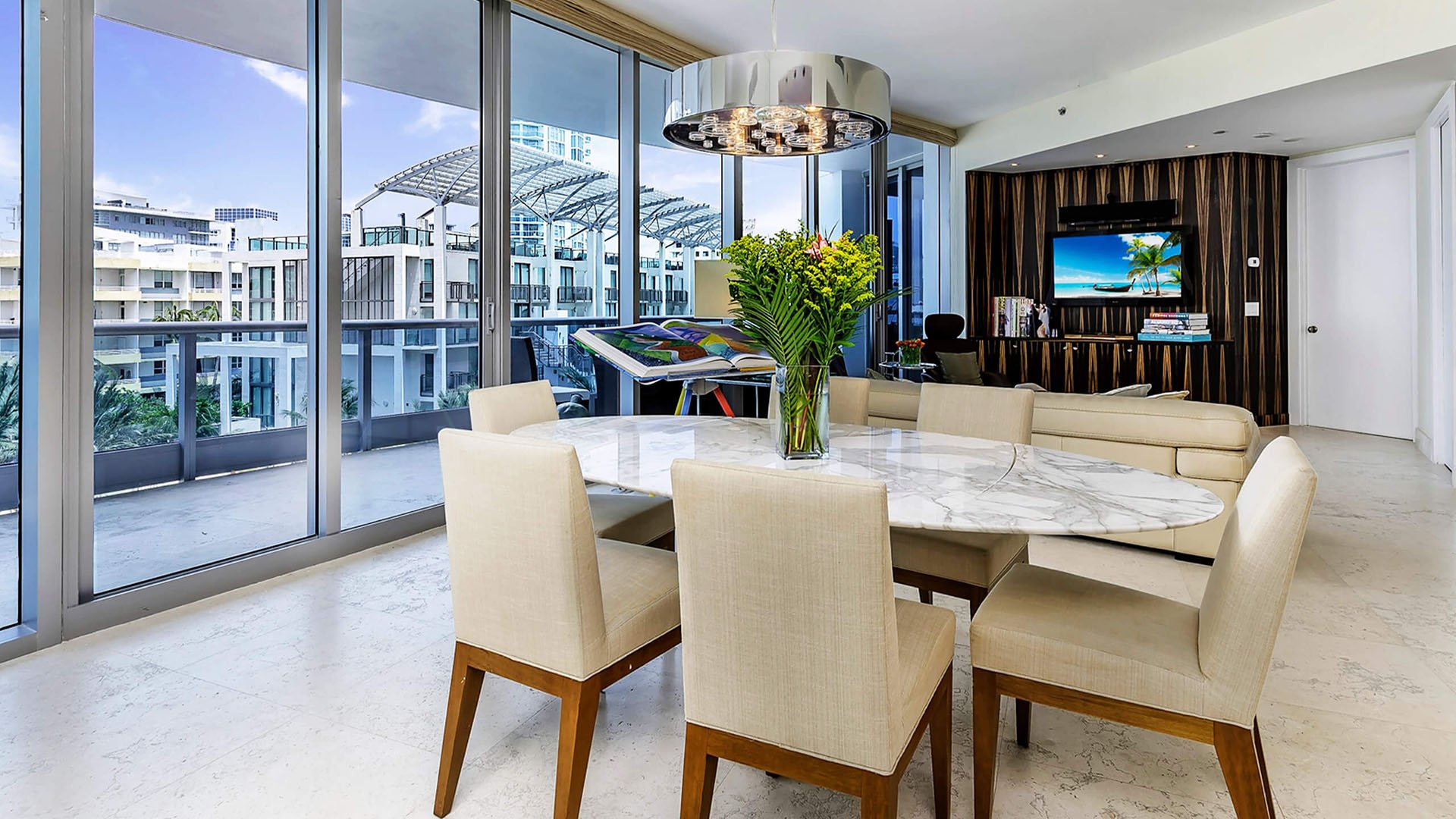
At Faena House Miami Beach, art-wall lighting should be treated as a buyer due-diligence topic, not merely a post-closing design decision. A residence can feel generous, polished, and visually dramatic while still presenting practical limits for paintings, photography, works on paper, textiles, or sculpture.
The central question is not whether the home feels bright or elegant. The sharper question is which walls can actually receive, illuminate, and protect important work. Large windows, terrace access, circulation paths, and view-oriented layouts can all shape where art can be placed successfully.
For collectors, this affects more than aesthetics. Display planning can influence renovation scope, daily living, entertaining, climate strategy, lighting controls, and long-term stewardship of a collection.
Before asking whether the lighting looks beautiful, buyers should identify which interior walls are realistic art walls. Entry galleries, corridors, and internal partitions may become especially important because they can offer more controlled backgrounds than view-facing areas.
During a showing, stand back from each possible display wall and ask practical questions. Is the wall wide enough for the scale of the work? Will furniture, millwork, doors, speakers, switches, thermostats, or circulation paths interfere with the composition? Can the artwork be viewed from a comfortable distance?
For a collector, the best wall is not simply the largest. It is the wall that can support the work physically, visually, and technically.
Natural light can be one of the pleasures of a Miami Beach residence, but it deserves careful review around art. Buyers should ask how daylight, glare, and UV exposure are controlled near any planned display wall. A room may be excellent for living and entertaining while still requiring additional planning for sensitive media.
Photography, works on paper, textiles, and certain mixed-media pieces may call for more cautious light exposure. Buyers should ask whether shades or window treatments can moderate daylight without undermining the way the residence is intended to live.
A pre-closing walk-through should include a specific discussion of daylight conditions. If a wall receives glare, reflected light, or strong exposure near doors and windows, the buyer may need a different placement plan or a more sophisticated shading and lighting strategy.
Luxury lighting is not always art lighting. Buyers should distinguish among decorative fixtures, general ambient illumination, and lighting designed to support artwork. A chandelier, recessed downlight, or architectural cove may create atmosphere, but that does not mean it provides the right beam spread, aiming flexibility, dimming range, or color quality for important pieces.
The core questions are straightforward. Can fixtures be aimed at the art rather than the floor? Is the beam narrow enough for a single work or broad enough for a gallery wall? Can levels be dimmed for sensitive media? Does the color quality render the artwork accurately at night? Are there separate scenes for art viewing, entertaining, daytime living, and evening display?
The answer may vary by residence and by prior ownership. Some homes may already include specialty infrastructure, while others may rely primarily on decorative or ambient lighting. Buyers should ask whether any prior upgrades were made specifically for artwork.
A buyer planning a serious display program should ask whether ceilings and walls can accommodate additional recessed fixtures, track systems, low-voltage wiring, picture lights, or control upgrades. The goal is not to assume the residence already provides gallery-level conditions. The goal is to determine whether it can be adapted appropriately for the collection.
Condominium approvals matter. Cutting ceilings, opening walls, adding circuits, or altering finished surfaces may require review, documentation, contractor coordination, and building permissions. Buyers should ask early, not after closing, because retrofit work can be disruptive in a completed luxury interior.
Ceiling conditions deserve particular attention. A ceiling may look clean and minimal yet still have limits based on structure, mechanical systems, lighting layout, or access. The same is true of walls that appear ideal but may conceal services or lack the backing needed for heavier works.
Art-wall lighting should not be separated from the residence’s broader environment. Buyers should discuss HVAC performance, humidity control, wall conditions, and shade strategy in relation to the specific works they plan to display. Lighting, temperature, humidity, placement, and daily use all interact.
A sophisticated control system can be especially valuable if it supports separate scenes. One scene may emphasize an entry gallery for evening arrivals. Another may dim sensitive works during daytime use. Another may balance entertaining light with the visual comfort of view-facing rooms.
The most refined approach is to bring the right advisers before closing. A designer, lighting consultant, art adviser, or conservator can walk the residence with the buyer and identify which walls are practical, which are risky, and which require technical upgrades.
Before making final decisions, ask for clarity on five points: usable solid wall area, daylight control, fixture type, infrastructure capacity, and approval requirements. Then compare those answers against the actual scale and sensitivity of the collection.
A residence at Faena House can be compelling for a collector, but the best outcomes come from treating art-wall lighting as purchase due diligence. The walls, glass, views, terraces, finishes, systems, and approval process should all be evaluated before the buyer assumes that an art plan will be simple after closing.
What is the first art-wall question buyers should ask at Faena House? Ask which walls are truly usable for art, not just which rooms feel spacious. Glass, terrace access, circulation, and built-ins can reduce practical display area.
Are bright rooms a problem for collectors? Not inherently. The issue is whether daylight, glare, and UV exposure can be managed near the works being displayed.
Is existing luxury lighting the same as art lighting? No. Decorative and ambient lighting may not provide the aiming, beam spread, dimming, or color quality needed for important art.
Which areas are often most useful for display? Entry galleries, corridors, and internal partitions may be especially valuable because they can offer more controlled display conditions than view-facing areas.
Should buyers ask about prior art-lighting upgrades? Yes. Existing specialty infrastructure may reduce renovation cost, disruption, and uncertainty after closing.
Can a buyer add recessed fixtures or track lighting? Possibly, but the buyer should verify ceiling conditions, wiring capacity, and condominium approvals before assuming changes are simple.
Why do shades matter for art? Shades can help limit cumulative daylight exposure, especially for photography, works on paper, textiles, and other sensitive media.
Should an art adviser attend the pre-closing walk-through? Yes. A designer, lighting consultant, art adviser, or conservator can identify practical display walls and technical constraints.
Does large square footage guarantee ample art walls? No. Open plans, glazing, terraces, and luxury finishes can limit solid, controllable display surfaces.
What is the best way to shortlist comparable options for touring? Start with location fit, delivery status, and daily lifestyle priorities, then compare stacks and elevations to validate views and privacy.
For a tailored shortlist and next-step guidance, connect with MILLION.
If branded residences are on your mind — as a home or as an allocation — we would be glad to share what we are seeing, privately.
Begin a quiet conversation