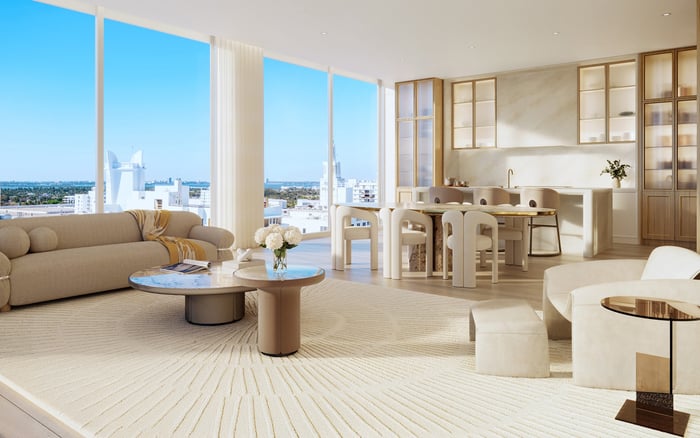
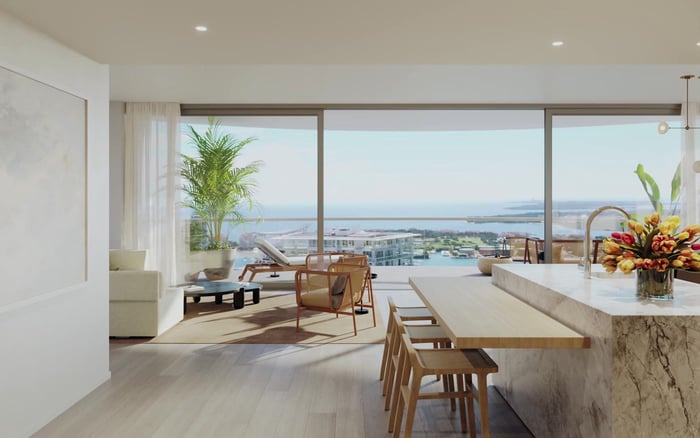
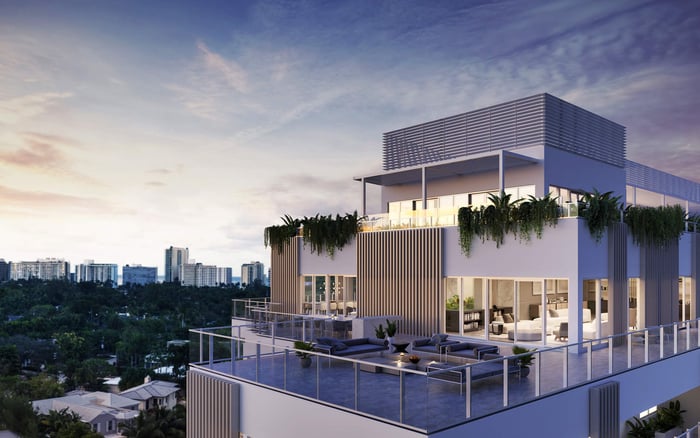
A discreet buyer’s guide to comparing branded residential value through governance, service depth, elevator privacy, and owner-only amenity discipline in South Beach.
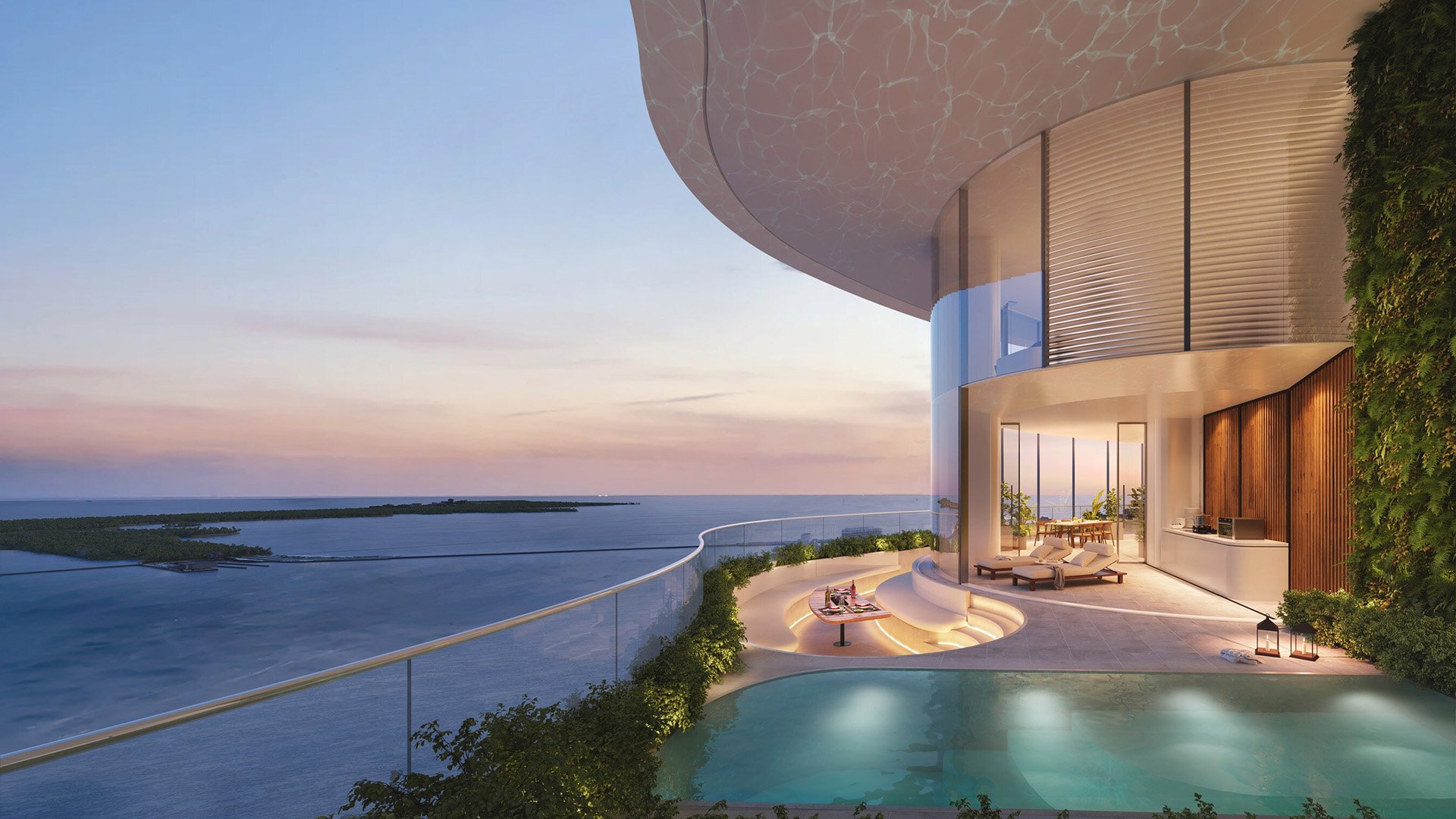
For South Florida’s most selective residential buyers, the comparison between 619 Residences by Foster + Partners + Nobu Hospitality and The Ritz-Carlton Residences® South Beach is not merely a contest of names. It is a question of how a building will live after the photography fades, the opening season settles, and ownership becomes a daily experience rather than a launch narrative.
Each residence carries immediate signals. The 619 Residences name points to an architecture- and hospitality-led proposition, combining the design stature of Foster + Partners with the lifestyle language of Nobu Hospitality. The Ritz-Carlton Residences® Miami Beach offers another nearby Ritz-Carlton residential reference point for buyers evaluating how brand, service, and privacy translate across Miami Beach.
For many high-net-worth buyers, the deciding factor is not the most theatrical lobby, the busiest amenity deck, or the most photogenic restaurant moment. It is whether the building’s operating culture can protect privacy, keep service consistent, separate owners from transient energy, and maintain a disciplined standard over time.
In luxury real estate, service depth is often reduced to a checklist: valet, concierge, porter, reservation support, wellness coordination, and perhaps in-residence assistance. Sophisticated buyers know the more important questions sit beneath the list. Who sets service standards? How are staff trained? How are resident preferences recorded? What happens during peak season, private events, or high-occupancy weekends?
The Ritz-Carlton Residences® South Beach has the advantage of a name associated with a recognized residential hospitality framework. That does not eliminate the need for buyer diligence, but it gives purchasers a clear service reference point. For owners who value consistency, the power of a residential brand lies in the repeatability of behavior: the way staff greet, anticipate, filter, solve, and protect.
A design-forward, hospitality-inflected residence such as 619, given its Foster + Partners and Nobu Hospitality association, may appeal to buyers who want a more contemporary cultural identity. Yet the relevant purchase question remains operational. Is the service model residential first, hospitality first, or a hybrid? The answer matters because a building can feel glamorous and still lack the calm, layered service discipline long-term owners expect.
Private elevator access is often marketed as a luxury feature, but serious buyers should treat it as part of the governance structure. The key issue is not simply whether an elevator opens near a residence. It is how movement is controlled throughout the building: residents, guests, staff, vendors, deliveries, amenity users, and event traffic.
Elevator privacy is especially important in South Beach, where location energy is both the privilege and the complication. Buyers who choose the neighborhood often want proximity to culture, dining, oceanfront life, and social currency. They do not necessarily want that same public energy flowing into the residential core.
A well-governed building separates spectacle from home. It defines who can go where, when, and under what protocol. It gives residents confidence that elevator banks, corridors, and arrival sequences will not become shared stages. For a Miami Beach buyer moving from a private home, this distinction can determine whether condominium ownership feels liberating or compromised.
Amenity design has entered an era of escalation. Pools multiply, wellness rooms become clubs, private dining rooms become event backdrops, and lounges can begin to resemble branded hospitality sets. For some buyers, that is appealing. For others, the more valuable amenity is quiet access.
Owner-only amenities matter because they distinguish residence from venue. They should not simply be beautiful; they should be governed. Reservation rules, guest limits, event policies, food and beverage boundaries, pet protocols, wellness access, and service staffing all shape whether amenities remain elegant under pressure.
The Ritz-Carlton Residences® South Beach offers buyers a South Beach residential setting under the Ritz-Carlton name. That combination will naturally attract purchasers who want service with a recognizable etiquette. The more useful buyer conversation is not whether amenities are impressive, but whether the owner experience is insulated from overuse.
The same test applies to any competing branded residence. If a buyer is drawn to the 619 Residences by Foster + Partners + Nobu Hospitality concept, the question is how owner priority will be preserved inside a hospitality-adjacent identity. A Nobu-associated lifestyle can be compelling, but a primary residence requires a different rhythm than a social destination.
In earlier cycles, luxury buyers often led with view, square footage, finishes, and brand. Those still matter. But in South Florida’s upper tier, governance has become a quieter marker of quality. It is what determines whether a building ages gracefully or becomes difficult to operate.
Governance includes board culture, association discipline, rules enforcement, vendor management, reserve thinking, insurance awareness, and the ability to protect resident standards without becoming rigid. It also includes clarity around leasing, guest access, short-stay restrictions, and the use of common areas.
For investment and second-home buyers, governance is not abstract. It affects asset durability, carrying-cost predictability, and the likelihood that the building remains desirable after the first wave of sales. For full-time residents, it affects daily peace. In both cases, the most luxurious building is often the one where the rules are invisible because they are functioning.
This is where the comparison becomes personal. Some buyers want a more expressive lifestyle property. Others want a residence that feels deeply managed, discreet, and resistant to drift. The best choice depends on whether the owner prioritizes identity or operating culture.
South Beach rewards buyers who understand nuance. A building can sit within a celebrated address environment and still deliver very different living experiences depending on circulation, service staffing, amenity access, and house rules. The neighborhood’s appeal is powerful precisely because it blends resort energy with residential scarcity.
For buyers using search shorthand, terms such as Miami Beach, South of Fifth, SoFi, and new construction often frame the first conversation. But the better second conversation is about filtration. How does the property filter guests from residents? How does it filter brand excitement from private ownership? How does it filter peak-season intensity from the morning routine of an owner who simply wants privacy, fitness, breakfast, and a car waiting without friction?
The Ritz-Carlton Residences® South Beach is positioned by name as a South Beach residential project. That matters because South Beach buyers are not purchasing in a neutral environment. They are buying into a highly visible luxury district, where strong residential boundaries can be as valuable as architecture.
The buyer attracted to 619 Residences by Foster + Partners + Nobu Hospitality is likely to appreciate design authorship, contemporary hospitality culture, and the idea of a residence shaped by widely recognized creative names. That buyer may value atmosphere, culinary association, and the feeling of being connected to a more current lifestyle language.
The buyer drawn to The Ritz-Carlton Residences® South Beach may place greater emphasis on recognizable residential service, brand familiarity, and a more established expectation of refined operations. This buyer may be less interested in a social signal and more interested in whether the building can perform quietly, day after day.
Neither preference is inherently superior. The right answer depends on temperament. A buyer who entertains often, enjoys visible cultural energy, and wants a residence with a strong contemporary identity may lean one way. A buyer who wants gatekeeping, quiet consistency, and owner-only protections may lean the other.
Before signing, buyers should go beyond the presentation gallery. Ask how owner access differs from guest access. Ask whether staff serve owners only or broader hospitality functions. Ask how elevator permissions are managed. Ask whether food and beverage programming enters residential-only areas. Ask how events are approved and how often they may occur.
Review governing documents with attention to lifestyle, not just legality. The most important provisions often concern leasing, amenity reservations, guest privileges, service charges, pet rules, deliveries, and the board’s authority to enforce standards. A residence can look serene in renderings and feel very different if its rules are loose.
For buyers who prefer strong governance over flashy common spaces, the priority is clear: choose the building that will protect privacy in ordinary moments. Luxury is not only what happens when guests arrive. It is what happens on a Tuesday morning when the elevator opens, the staff already understands the preference, and the building feels composed.
Is The Ritz-Carlton Residences® South Beach a South Beach residential project? Yes. Its project identity places it in South Beach and confirms Ritz-Carlton residential branding.
Can buyers compare 619 Residences and The Ritz-Carlton Residences® South Beach on brand alone? No. Brand helps frame expectations, but service rules, access control, and governance should drive the final decision.
Why does elevator privacy matter in a luxury condominium? It determines how well the building separates residents from guests, staff, vendors, and amenity traffic.
What are owner-only amenities? They are spaces and services reserved for residents, ideally protected by clear rules on guests, events, and access.
Is a larger amenity package always better? Not necessarily. A smaller, better-governed amenity environment can feel more luxurious than a busier social one.
What should second-home buyers prioritize? They should focus on service consistency, arrival privacy, security protocols, and rules that protect quiet use.
What should primary residents ask about? They should ask how daily operations handle deliveries, guests, pets, elevators, maintenance, and amenity reservations.
Does hospitality branding guarantee residential privacy? No. Privacy depends on the building’s access design, staffing model, rules, and enforcement culture.
Why is governance important for resale value? Strong governance can help preserve resident confidence, building reputation, and the long-term quality of ownership.
Which building is better for buyers who dislike flashy common spaces? The better fit is the one with stricter owner protections, calmer circulation, and service that prioritizes residents.
To compare the best-fit options with clarity, connect with MILLION.
If branded residences are on your mind — as a home or as an allocation — we would be glad to share what we are seeing, privately.
Begin a quiet conversation