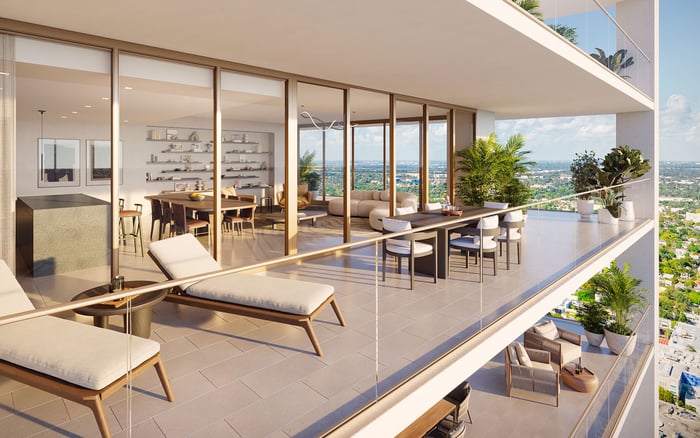
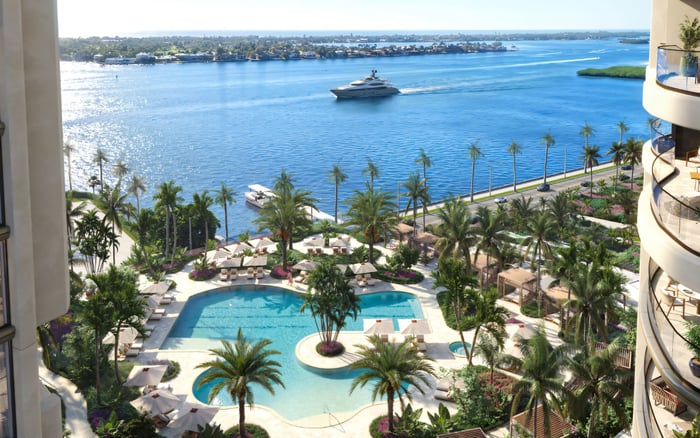
A buyer-focused guide to evaluating roof-rights clarity in Las Olas before committing to a luxury condominium, penthouse, or waterfront residence.
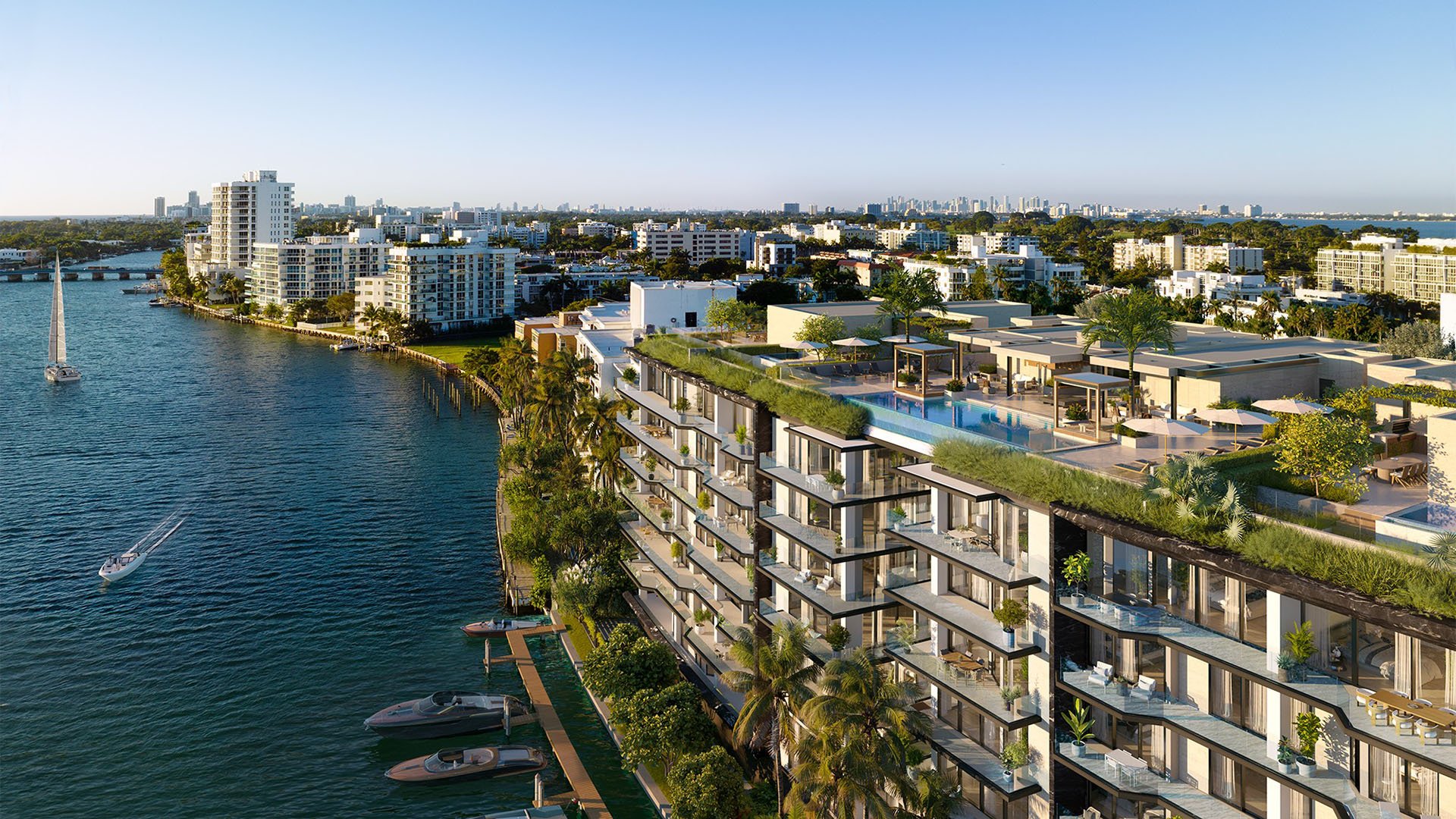
In Las Olas, the roof is rarely just a roof. It may be a private sky terrace, a shared pool deck, a mechanical zone, a maintenance pathway, a view corridor, or a quiet source of future negotiation. For luxury buyers, particularly those considering a penthouse, rooftop rights can shape privacy, service obligations, renovation flexibility, insurance expectations, and resale positioning.
The question is not whether a rooftop looks desirable during a showing. The question is whether the documents support the lifestyle being marketed. A sunset terrace may feel private, yet the governing documents may reserve access for association personnel, mechanical contractors, or neighboring unit owners. A rooftop amenity may sit visually adjacent to a residence without belonging to that residence. A roof deck may be exclusive in daily use while still carrying restrictions on furnishings, plantings, cooking equipment, music, lighting, or structural alterations.
This is why roof-rights clarity belongs near the top of the diligence list, alongside financial statements, reserve posture, insurance, building condition, and rules on leasing or pets. In a Fort Lauderdale market where waterfront living, skyline views, and outdoor space carry meaningful value, ambiguity should be treated as a material issue, not a cosmetic detail.
The cleanest comparison begins with vocabulary. Buyers should distinguish among ownership, exclusive use, limited common element status, easement rights, and revocable permissions. These categories can sound similar in conversation, but they function differently in practice.
A deeded roof area suggests a stronger ownership interest, though it may still be subject to building rules and structural limitations. A limited common element often means the area is reserved for one unit’s use while the association retains broader control. An easement may allow access or use for a defined purpose, such as maintenance, utility routing, or terrace enjoyment. A license or permission may be more fragile, especially if it can be modified by board action.
When comparing Las Olas opportunities with nearby luxury inventory, do not rely on sales language alone. Projects such as Four Seasons Hotel & Private Residences Fort Lauderdale and Riva Residenze Fort Lauderdale are reminders that every building has its own document architecture. The same word, whether terrace, rooftop, cabana, deck, or amenity, may carry different legal meaning from one property to another.
Roof-rights clarity is rarely found in a single paragraph. It usually emerges from the declaration, condominium plans, bylaws, rules and regulations, architectural guidelines, maintenance matrix, easements, amendments, and sometimes minutes or board approvals. A buyer should ask counsel to read these materials together and flag inconsistencies.
The declaration may define the boundary of the unit. The plans may show whether the roof surface is part of the unit, a limited common element, or common property. The rules may govern furniture, umbrellas, sound, cooking, pets, guests, and hours of use. The maintenance schedule may allocate responsibility for waterproofing, drains, pavers, railings, planters, lighting, surface finishes, and structural components. Insurance language may answer a different question altogether.
A polished brochure might emphasize a private rooftop experience. The documents may reveal that the association controls access for repairs, reserves the right to remove improvements, or prohibits certain installations. None of this necessarily makes a property undesirable. It simply affects how the buyer should price, negotiate, insure, and occupy it.
The most expensive rooftop misunderstandings often involve maintenance. Buyers should separate daily upkeep from capital repair. Sweeping a terrace and replacing outdoor cushions is one matter. Waterproofing, membrane repair, drainage correction, structural restoration, railing replacement, or damage caused by penetrations is another.
Ask who pays for routine cleaning, surface replacement, planter maintenance, irrigation lines, drains, railings, lighting, and repairs caused by wear, weather, or owner improvements. Ask whether the association can enter without owner permission in urgent circumstances. Ask whether rooftop work requires advance approval, licensed contractors, specific materials, or association supervision.
In a Broward waterfront environment, buyers should also think practically about wind, salt air, heavy rain, and access logistics. A rooftop that requires specialized staging, elevator protection, crane coordination, or temporary building closures may carry a different ownership experience than a terrace directly served by standard common-area access.
Many rooftops contain mechanical equipment, vents, antennas, drainage systems, elevator overruns, fire-safety components, or other building systems. A buyer should know whether any of these are located on, above, below, or adjacent to the area being marketed for private use.
The question is not simply aesthetic. Equipment can create noise, heat, vibration, service visits, visual interruption, access needs, and limits on future improvements. A resident may have exclusive recreational use of part of the roof while the association, vendors, or utility providers retain access across it. That arrangement can be perfectly manageable if clearly disclosed and thoughtfully designed. It becomes problematic when buyers expect uninterrupted privacy and later discover a recurring maintenance path.
In the same spirit, compare view protection realistically. A waterview from a roof deck can be a defining asset, but the right to enjoy a view is not the same as a legal guarantee that the view will remain unchanged. Buyers should understand neighboring development potential, association control over rooftop additions, and whether railings, screening, shade structures, or equipment could alter sightlines.
A rooftop pool, lounge, summer kitchen, or observation deck can elevate a building’s identity. It can also introduce operational rules that matter to residents directly below, beside, or above amenity levels. For buyers near rooftop amenities, review guest policies, hours, music rules, event permissions, elevator access, service routes, cleaning schedules, and security protocols.
This is especially important when comparing boutique riverfront living with larger amenity-driven towers. Sixth & Rio Fort Lauderdale and St. Regis® Residences Bahia Mar Fort Lauderdale illustrate how buyer expectations can vary across lifestyle formats, from urban convenience to resort-minded waterfront ownership. The diligence principle remains the same: the more valuable the shared rooftop experience appears, the more carefully the rules should be reviewed.
For a new-construction purchase, also compare the offering documents with any renderings, floor plans, and purchaser upgrades. If a rooftop feature is shown visually, confirm whether it is included, optional, controlled by the association, or subject to later approval. Renderings can inspire, but documents govern.
Before contract, ask for a written explanation of the roof-rights structure and confirm that it aligns with the recorded or governing documents. The answer should identify the legal category of the area, the party responsible for maintenance, the approval path for alterations, the association’s access rights, and any restrictions on furniture, planters, cooking, sound, lighting, pets, and guests.
For penthouse buyers, ask whether stair or elevator access is private, shared, or service-related. Confirm whether the rooftop may be accessed by staff or vendors without notice. Review whether improvements installed by a prior owner were approved and whether approvals transfer with the unit. If the seller added decking, turf, planters, lighting, shade, speakers, plumbing, or built-ins, request documentation.
Also consider resale. A future buyer will likely ask the same questions. Clear roof rights can support confidence. Unclear rights may narrow the buyer pool, extend negotiation, or invite credits. In high-value Las Olas transactions, certainty itself is a luxury feature.
If the roof-rights language is unclear, the response does not always need to be dramatic. Sometimes the solution is a targeted legal review, an association estoppel, a written clarification, a board letter, a seller representation, or a contract contingency that gives the buyer time to resolve the issue. In other cases, ambiguity should be reflected in price, deposit timing, closing conditions, or the decision to walk away.
The central discipline is to avoid paying private-rooftop pricing for a right that functions like shared space. Conversely, do not dismiss a property simply because the association retains practical access for maintenance. Sophisticated ownership often involves layered rights. What matters is whether those layers are coherent, documented, and compatible with the buyer’s intended use.
For Las Olas buyers, roof-rights clarity is ultimately about control: control over privacy, control over improvements, control over cost exposure, and control over the difference between a beautiful place to stand and a secure right to live as promised.
What are roof rights in a Las Olas condominium? Roof rights describe who may use, access, alter, maintain, and control rooftop areas connected to a residence or building amenity.
Is a private roof terrace always deeded to the unit? No. It may be deeded, a limited common element, subject to an easement, or governed by another form of permission.
Why does limited common element status matter? It can give one owner exclusive use while leaving structural control, maintenance standards, or access rights with the association.
Who usually pays for rooftop repairs? The answer depends on the governing documents, the component involved, and whether damage relates to owner improvements or building systems.
Can an association access a private rooftop area? Often yes, especially for maintenance, inspections, emergencies, utilities, or building systems, if the documents reserve that right.
Should buyers review rooftop furniture and improvement rules? Yes. Rules may restrict weight, attachment methods, planters, grills, lighting, speakers, umbrellas, and other exterior features.
Do renderings prove that a rooftop feature is included? No. Buyers should confirm the feature in the contract documents, plans, specifications, and association materials.
Can rooftop equipment affect privacy? Yes. Mechanical systems and service paths can bring noise, access visits, heat, vibration, or visual impact.
Is roof-rights clarity more important for penthouses? It is especially important because rooftop space can represent a meaningful portion of the lifestyle and pricing premium.
How should ambiguity be handled before closing? Use legal review, written clarification, association confirmation, seller representations, or contract protections before proceeding.
When you're ready to tour or underwrite the options, connect with MILLION.
If branded residences are on your mind — as a home or as an allocation — we would be glad to share what we are seeing, privately.
Begin a quiet conversation