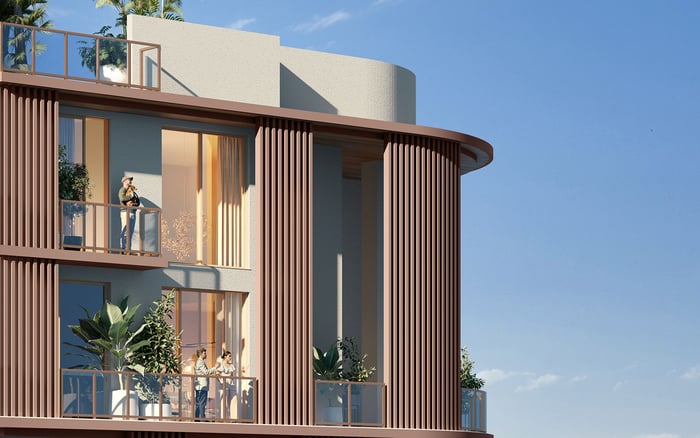
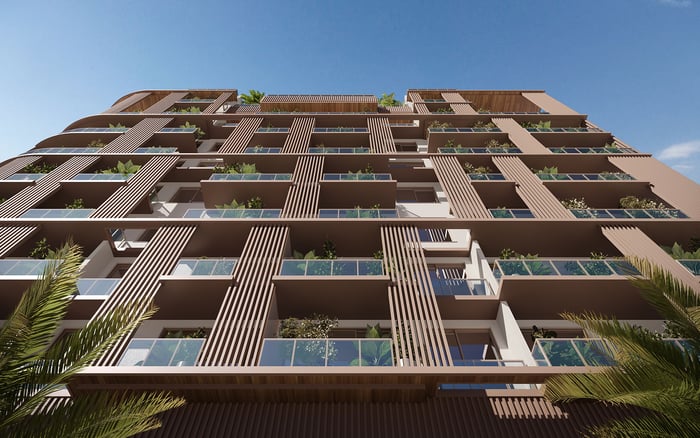
A buyer-focused ranking of Coconut Grove residence profiles for those who value resale discipline, branded-building service, and long-term ownership clarity.
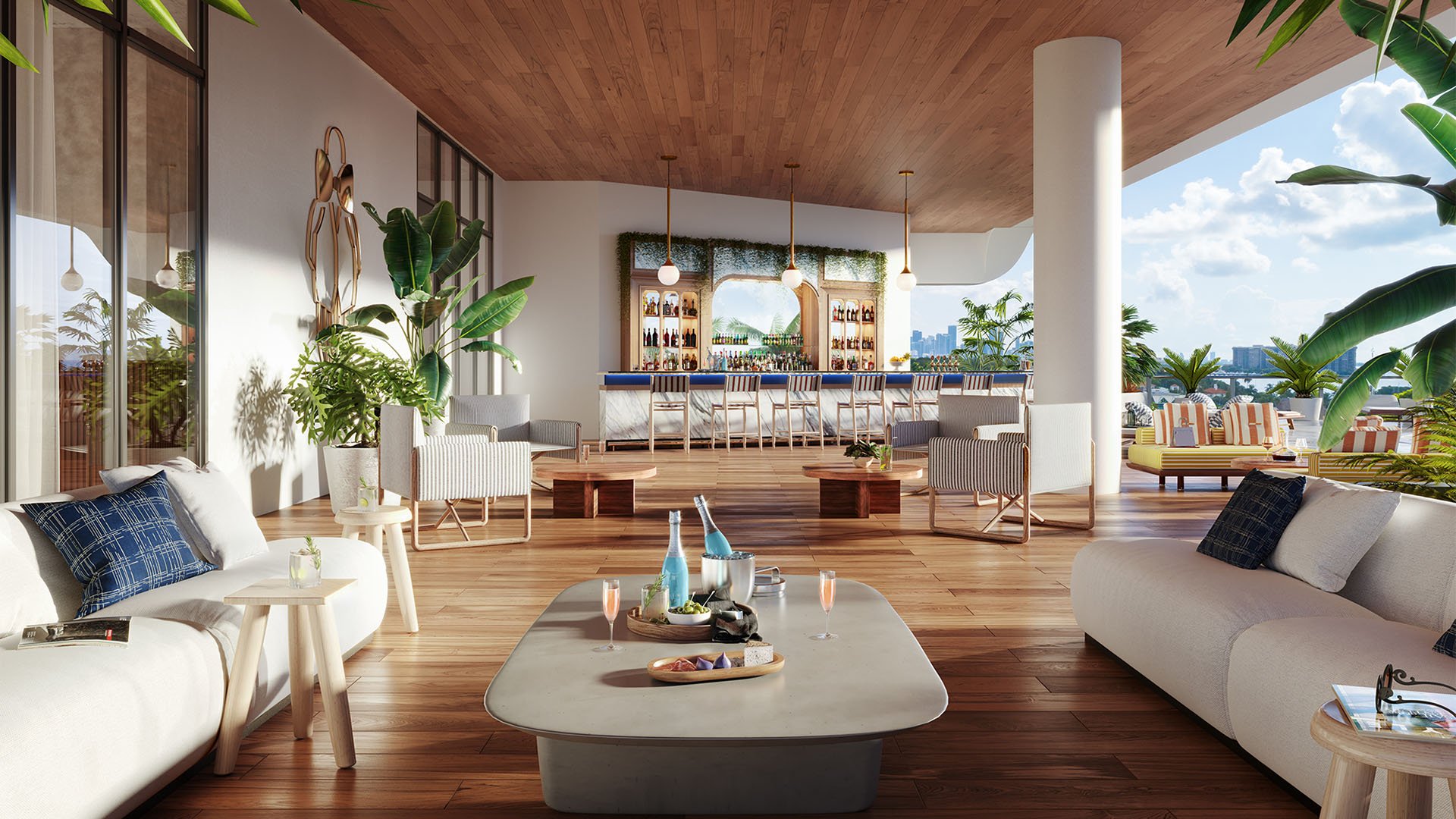
For a certain Coconut Grove buyer, the most compelling residence is not the loudest one in the building. It is the home that can be explained in a single, confident sentence when the time comes to sell: the plan works, the exposure is desirable, the service is credible, the fees make sense, and the lifestyle feels specific to the Grove.
That is the essence of resale discipline in a branded building. The brand may set the tone, but the residence itself still has to carry the ownership case. Sophisticated buyers look beyond the opening presentation and ask how the home will read to the next qualified buyer. Will the floor plan feel intuitive? Does the outdoor space have real daily value? Is the privacy meaningful? Are the finishes elegant enough to endure changing taste?
In Coconut Grove, the answers are rarely about spectacle alone. This is a market where tree canopy, bay proximity, understated arrival, and residential calm all matter. A branded address can amplify those qualities, but it should never replace them.
1. Primary-suite-forward residence - strongest end-user clarity
The most disciplined resale choice is often the residence where the primary suite feels unmistakably important without overwhelming the rest of the plan. Buyers at this level want a bedroom wing that signals privacy, storage, and quiet while preserving generous entertaining space.
This profile tends to travel well across market cycles because it speaks to both full-time and seasonal use. A graceful primary suite is not a trend. It is one of the first places an experienced buyer understands whether the residence was planned for real living.
2. Bay-oriented terrace residence - durable lifestyle signal
A terrace that functions as an outdoor room, rather than a decorative ledge, gives a Coconut Grove residence a clearer resale story. The strongest examples allow room for sitting, dining, and a sense of air without making the interior plan feel compromised.
For branded-building buyers, the terrace also acts as a bridge between private ownership and resort-style ease. It helps the residence feel connected to the Grove’s softer rhythm, which can be more persuasive than a purely interior-driven luxury proposition.
3. Boutique-scaled residence - controlled building narrative
A boutique building profile can support resale discipline when the buyer values intimacy, simple arrival, and a quieter ownership experience. In this context, the residence should feel private without feeling isolated, serviced without feeling over-programmed.
The key is balance. A branded building should offer enough service to matter, but not so much that the monthly carrying cost becomes difficult to defend. Buyers who think about exit strategy pay close attention to that equation.
4. Flexible family-scaled residence - widest buyer utility
The residence with a flexible room, den, or secondary living area often has an advantage because it can adapt to different ownership patterns. It may serve as a workspace, guest area, media room, or children’s zone, broadening the potential buyer audience.
In resale terms, flexibility reduces friction. A plan that accommodates more than one lifestyle allows a seller to speak to families, couples, seasonal owners, and buyers transitioning from larger homes without forcing a narrow use case.
5. Upper-floor privacy residence - quiet premium without excess
An upper-floor residence can offer privacy, light, and a cleaner sense of separation from street activity. For Coconut Grove buyers, that can matter as much as amenity volume. The premium is most defensible when the floor height improves the living experience in a way a buyer can feel immediately.
The disciplined version avoids paying only for altitude. It prioritizes usable rooms, calm exposure, elevator convenience, and a layout that remains practical long after the first impression fades.
A branded building earns resale credibility when the brand promise is visible in daily life. That means consistent arrival, attentive service, calm common areas, and a maintenance culture that protects the private residences. The name alone is not enough.
The best resale candidates feel coherent. The lobby, amenity spaces, elevator sequence, corridors, and residence interiors should speak the same design language. When that continuity is present, buyers understand what they are buying without a long explanation.
A Coconut Grove purchase also benefits from restraint. Overly themed interiors or hyper-specific amenity programming can age quickly. Neutral elegance, natural materiality, and practical service tend to feel more durable than novelty. The buyer who cares about resale should favor decisions that a future buyer will not need to undo.
Luxury real estate is emotional, but disciplined ownership is arithmetic as well. The monthly cost of the building has to feel aligned with the value of the services. A pool, wellness space, concierge program, or private dining environment can be compelling, but only if the buyer believes those elements will remain relevant and well kept.
Investment logic in this segment is not limited to yield. For many buyers, it means capital preservation, low regret, and an asset that will remain legible when personal circumstances change. A beautiful residence can still be a weak resale candidate if its plan is hard to explain or its maintenance burden feels disproportionate.
New-construction appeal should be evaluated through that same lens. Fresh design, modern systems, and current amenities can be powerful advantages, but the enduring test is whether the residence feels livable beyond its launch moment.
The best shortlist should be smaller than the buyer expects. Three serious options, carefully understood, can be more useful than a tour of every available residence. Start with plan quality, then evaluate exposure, outdoor usability, service culture, and carrying cost. Only then should the brand halo enter the conversation.
In Coconut Grove, the strongest homes often win quietly. They do not rely on excessive drama. They offer privacy, warmth, and proportion, then allow the surrounding neighborhood character to complete the picture. For buyers who prioritize resale discipline, that is the point. The right branded residence should feel rare today and intelligible tomorrow.
What does resale discipline mean in a branded building? It means buying a residence that future buyers can understand quickly, with a strong plan, credible service, and defensible ownership costs.
Is the brand name enough to protect resale value? No. The brand can support demand, but the residence still needs privacy, proportion, usable outdoor space, and a logical layout.
Why is Coconut Grove different from other Miami luxury markets? Coconut Grove buyers often place a premium on privacy, greenery, bay proximity, and a calmer residential atmosphere.
Should I prioritize view or floor plan? A strong view helps, but a compromised floor plan can limit resale appeal. The most disciplined choice usually has both clarity and outlook.
Are larger residences always better for resale? Not always. Scale matters only when the rooms are usable, the circulation is efficient, and the carrying cost feels justified.
How important is outdoor space? Very important when it functions as true living space. A practical terrace can make the residence feel more complete.
Do amenities improve resale performance? Amenities help when they are well maintained, relevant, and aligned with the building’s cost structure. Excess can become a liability.
Is a boutique building safer than a large branded tower? It depends on the buyer pool and service quality. Boutique scale can be attractive when it delivers privacy without sacrificing convenience.
What should a buyer avoid? Avoid plans that require too much explanation, finishes that feel overly personal, and fees that are difficult to defend.
When should I think about exit strategy? Before the purchase. A disciplined buyer considers the next buyer’s objections while still choosing a home that feels personally compelling.
To compare the best-fit options with clarity, connect with MILLION.
If branded residences are on your mind — as a home or as an allocation — we would be glad to share what we are seeing, privately.
Begin a quiet conversation