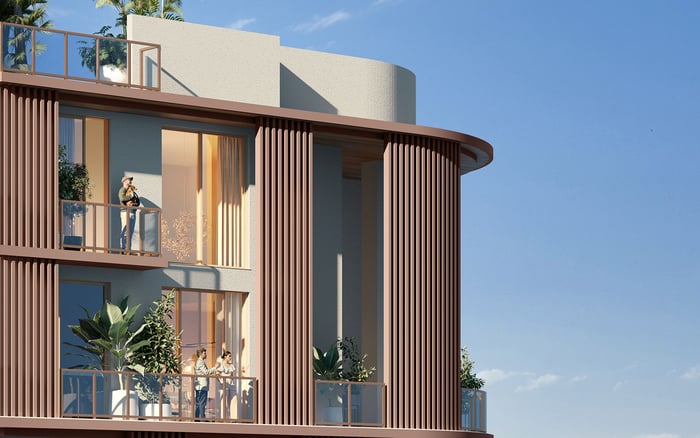
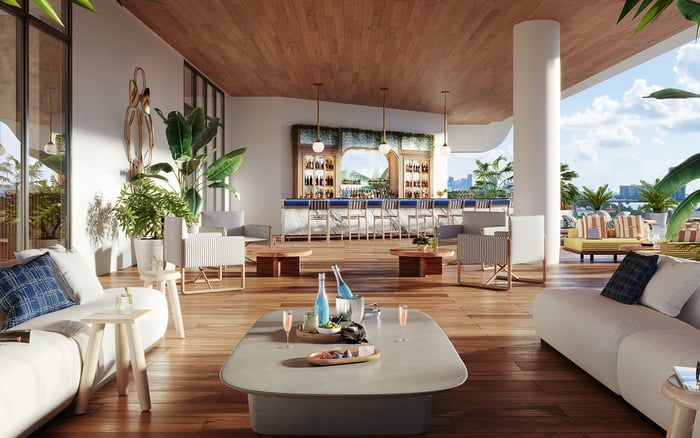
A buyer-focused look at why construction-neighbor risk matters for The Lincoln Coconut Grove, from privacy and view corridors to resale discipline and contract strategy.
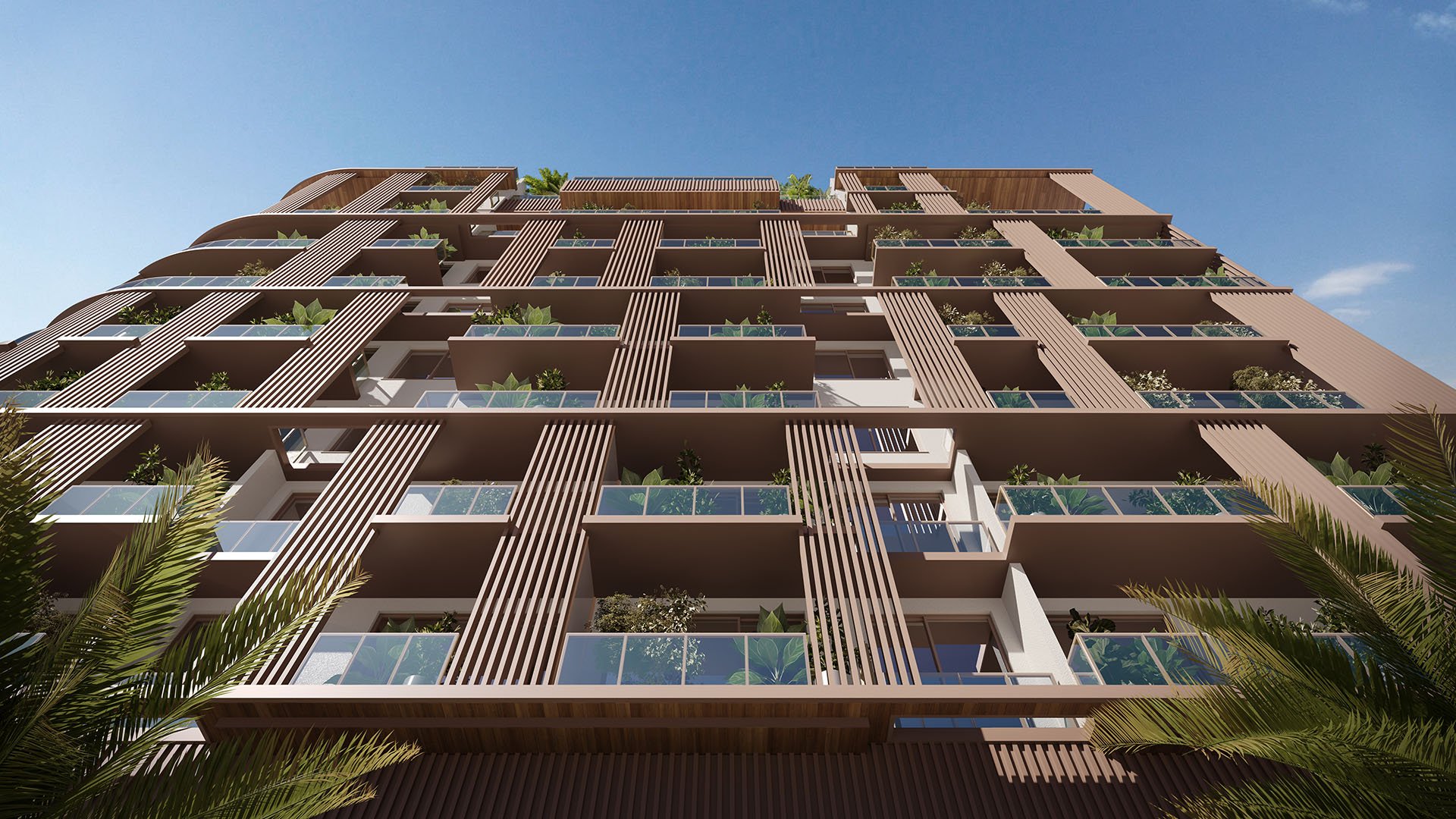
The appeal of Coconut Grove has always been quieter than the skyline markets to its north. Its luxury is filtered through tree canopy, village rhythm, old Miami texture, and the sense that privacy is not performed, but protected. That is why a project such as The Lincoln Coconut Grove calls for a more refined form of buyer diligence: not simply what is being built, but what may be built, renovated, staged, accessed, or intensified nearby.
Construction-neighbor risk is not a reason to dismiss a residence. Often, it is the price of buying into a desirable, supply-constrained neighborhood where land remains valuable and owners continue to improve it. The point is calibration. A sophisticated buyer wants to understand whether nearby construction could affect light, privacy, noise, access, views, daily arrival, and eventual resale psychology.
The buyer vocabulary may include Coconut Grove, new construction, boutique, investment, and terrace. The deeper question is more human: will the home feel as composed in five years as it does on the day of contract?
In ultra-premium real estate, risk is often discussed too bluntly. Construction-neighbor risk is not merely the inconvenience of cranes, trucks, fencing, and temporary noise. It is the possibility that the immediate context around a residence evolves in ways that change how the property lives.
For a buyer at The Lincoln Coconut Grove, the analysis should begin at the edges. What parcels frame the approach? What structures sit across the street or behind the property? Are there low-rise conditions that could one day change? Could a neighboring improvement alter sightlines from primary rooms or outdoor areas? Could staging, deliveries, or construction parking affect the daily calm that Grove buyers prize?
This is especially important in a neighborhood where luxury often depends on subtlety. A buyer may not be chasing a dramatic water view or tower elevation. Instead, the premium may be tied to shade, setback, discretion, walkability, and the feeling of being tucked within the Grove. Those qualities can be resilient, but they should be evaluated with the same rigor usually reserved for floor plans and finishes.
Quiet luxury is rarely contained within property lines. It includes the way a car turns onto the street, how a guest arrives, the level of ambient noise at breakfast, and whether a primary suite feels properly shielded. These are not decorative preferences. They are part of the lived value of a luxury residence.
For buyers considering The Lincoln Coconut Grove, the most useful mindset is not fear, but composure. Nearby construction may be temporary. Neighboring redevelopment may even enhance a block over time. Yet the uncertainty deserves to be priced, documented, and discussed before emotion takes control.
The Grove can reward patience because its appeal is rooted in character rather than spectacle. Still, character is fragile when the buyer has not studied adjacency. A beautiful residence can feel less private if a neighboring window alignment is overlooked. A generous outdoor area can feel different if a future construction cycle changes the acoustic environment. A refined address can feel less effortless if access is complicated by work zones for longer than expected.
A disciplined buyer should start with a parcel walk, not just a showroom conversation. Stand at the likely arrival point. Listen at different times of day. Look from the street toward the residence and from the residence outward. Identify potential blind spots, especially along side yards, rear exposures, parking access, service areas, and outdoor living zones.
Next, separate temporary inconvenience from structural adjacency risk. Temporary work is part of urban luxury ownership. Structural adjacency risk is different: it asks whether the future built environment could change the core value proposition. If the residence depends on seclusion, study privacy. If it depends on outdoor living, study noise and overlook. If it depends on easy entry, study access and street conditions.
Buyers should also ask their advisors to frame questions plainly. What neighboring parcels appear most relevant to daily life? What could reasonably change nearby? Which exposures are most sensitive? Is there a premium being paid for a quality that could be interrupted? The answers may not eliminate uncertainty, but they can prevent surprise.
The best luxury negotiations rarely sound alarmist. They convert uncertainty into structure. A buyer who understands construction-neighbor risk can decide whether to negotiate price, request contract protections, adjust timing, or proceed with clearer expectations.
This is where quiet luxury and financial discipline meet. If the residence is compelling, the goal is not to over-penalize it for every theoretical risk. The goal is to identify the specific factors a future buyer would also notice. Privacy, access, light, and outdoor usability tend to matter across market cycles because they shape daily experience.
For an investment-minded buyer, the question is not whether Coconut Grove will remain desirable. The more precise question is whether this particular residence will remain easy to explain when competing with other high-quality homes. A buyer should be able to articulate why the unit or home still feels protected, even if the neighborhood continues to evolve.
Coconut Grove is not a uniform luxury market. Its value changes block by block, sometimes house by house, because the neighborhood trades on atmosphere. That is why construction-neighbor diligence is not a technical footnote. It is central to understanding the premium.
A boutique residential setting can be especially sensitive to its immediate surroundings. Smaller-scale luxury often offers intimacy, but intimacy can magnify external conditions. A loading pattern, nearby renovation, or altered sightline may be felt more directly than it would be in a large tower environment.
The same applies to outdoor space. When a buyer prioritizes a terrace lifestyle, the surrounding envelope matters. The terrace is not just square footage outside the glass. It is an extension of privacy, sound, greenery, sky, and social ease. If those elements are central to the purchase, they deserve careful inspection from every relevant angle.
A refined buyer avoids two mistakes. The first is ignoring adjacency because the interiors are seductive. The second is overstating every possible future change until no property feels safe. The better approach is layered.
First, define what the buyer is truly paying for. Is it design, location, privacy, walkability, scarcity, outdoor space, or a combination? Second, identify which of those values could be affected by neighboring work. Third, decide whether the risk is temporary, manageable, negotiable, or fundamental.
At The Lincoln Coconut Grove, the construction-neighbor question should be treated as part of the property’s luxury profile. A residence can be beautiful and still require sharper diligence. In fact, the more discreet and personal the luxury proposition, the more important the surrounding context becomes.
Construction-neighbor risk sounds defensive, but it can support a confident purchase. When a buyer knows the likely pressure points, the decision becomes cleaner. The property is no longer judged on atmosphere alone. It is judged on whether that atmosphere has durability.
For many Grove buyers, the answer may still be yes. Coconut Grove’s appeal is durable because it offers a rare residential mood within Miami: mature, lush, walkable, and quietly prestigious. The task is to make sure the specific home carries those qualities through its immediate surroundings.
This is the essence of quiet luxury diligence. It is not about chasing certainty in a changing city. It is about buying with enough precision that uncertainty does not become regret.
What is construction-neighbor risk? It is the possibility that nearby construction, renovation, or redevelopment affects privacy, access, noise, light, views, or resale perception.
Is construction-neighbor risk always negative? No. Nearby improvement can strengthen a neighborhood, but buyers should understand the timing, exposure, and daily-life implications.
Why does this matter for The Lincoln Coconut Grove? The Lincoln Coconut Grove sits within a market where quiet, context, and privacy are central to luxury value.
What should buyers inspect first? Buyers should study the street approach, side and rear exposures, outdoor areas, neighboring parcels, and likely service or access patterns.
Can this risk be priced into an offer? Yes. A buyer may reflect uncertainty through price, timing, contingencies, or a more cautious view of future resale positioning.
Does a boutique setting increase sensitivity to nearby work? Often, yes. Smaller-scale residences can feel more directly affected by immediate adjacency than larger high-rise environments.
How should terrace buyers think about the issue? They should evaluate privacy, sound, overlook, and sky exposure because outdoor living value depends heavily on surrounding conditions.
Is new construction in Coconut Grove inherently riskier? Not inherently. It simply deserves careful review because surrounding parcels and neighborhood improvements may still be evolving.
Can construction-neighbor risk become an investment advantage? It can if the buyer understands the uncertainty early, negotiates intelligently, and selects a residence with durable lifestyle appeal.
What is the best mindset for this purchase? Stay calm, specific, and evidence-led, focusing on the risks that could actually affect daily living or future buyer perception.
When you're ready to tour or underwrite the options, connect with MILLION.
If branded residences are on your mind — as a home or as an allocation — we would be glad to share what we are seeing, privately.
Begin a quiet conversation