A discreet buyer’s guide to Coconut Grove residences for those who prioritize privacy, calm common areas, and a more composed amenity experience.
For a certain Coconut Grove buyer, luxury is not measured by the number of amenities a residence can announce. It is measured by how often those amenities feel available, composed, and genuinely private. A serene gym at 7 a.m., a pool deck that never feels like a scene, and lounges that invite actual use can be more valuable than a longer checklist of shared spaces.
That is the lens behind this ranking. Buyers who prioritize lower amenity crowding are not necessarily seeking less service or less design. They are seeking a more controlled daily rhythm: fewer bottlenecks, intuitive circulation, and common areas that support life rather than perform for it.
In Coconut Grove, that question is especially nuanced because buyers often value greenery, discretion, and residential calm as much as architecture. The most successful choice may not be the loudest amenity story. It may be the residence where ownership feels quietest, most fluid, and least dependent on reservation gymnastics.
1. Grove at Grand Bay - established Grove presence
Grove at Grand Bay is a natural first screen for buyers who want a residence with a recognizable Coconut Grove identity and a more mature residential atmosphere. For lower amenity crowding, the key is not simply which shared spaces exist, but how residents move through them during ordinary weekday and weekend patterns.
A buyer should pay particular attention to the building’s day-to-day operating cadence: elevator flow, pool usage, gym traffic, guest policies, and the tone of staffed areas. The appeal lies in the possibility of a setting that feels residential before it feels programmed.
2. Park Grove Coconut Grove - privacy-oriented Grove living
Park Grove Coconut Grove belongs on the short list for buyers who want a refined Grove address and are prepared to diligence the difference between broad amenity ambition and everyday usability. A residence can offer substantial shared spaces and still feel calm when access, staffing, scheduling, and resident behavior are well managed.
For this buyer profile, the most important showing is not only the residence itself. It is the experience of arriving, parking, moving through lobbies, visiting amenity levels, and observing whether shared spaces feel effortless or overactive.
3. Four Seasons Residences Coconut Grove - service-led discretion
Four Seasons Residences Coconut Grove is relevant for buyers who value a hospitality-informed residential environment while still prioritizing personal quiet. The central question is whether service enhances ease without creating a sense of constant activity in common areas.
Buyers should look closely at how private and shared experiences are separated, how reservations are handled, and whether peak moments feel controlled. For those who want polished service without a crowded club atmosphere, this name deserves careful attention.
4. The Well Coconut Grove - wellness as a daily-use test
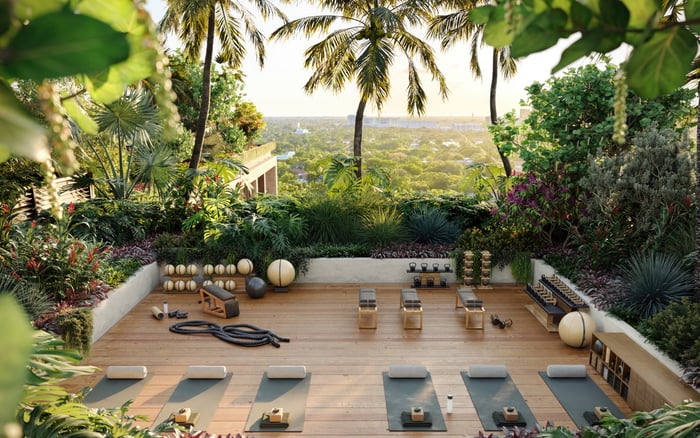
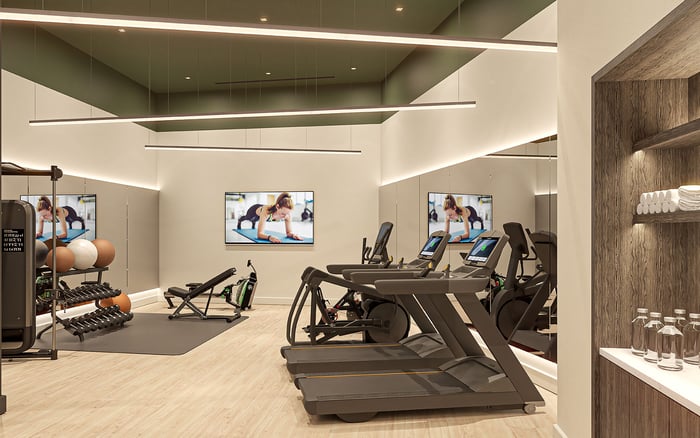
The Well Coconut Grove is particularly relevant for buyers drawn to wellness-centered living, because wellness amenities matter only when they are comfortable to use. A beautifully conceived fitness or recovery environment loses value if it feels difficult to access when residents actually want it.
The practical test is simple: would the buyer use the amenities as part of a daily routine, or only admire them during a tour? Lower crowding is about repeatable access, not brochure appeal. For wellness-focused owners, that distinction is decisive.
5. Arbor Coconut Grove - boutique sensibility for calm-seeking buyers
Arbor Coconut Grove rounds out the list for buyers attracted to a boutique scale of living and interested in whether that scale translates into a quieter amenity experience. Smaller-feeling environments can be compelling when they support privacy, clear circulation, and a more neighborly residential tone.
As with every residence in this category, the buyer should focus on real use conditions. Ask how many residents tend to use shared spaces at peak times, how guests are handled, and whether the building’s lifestyle still feels calm after the initial impression fades.
Lower amenity crowding is not a single number. It is a lived condition shaped by design, operations, ownership culture, staffing, and rules. Two residences with similar amenity menus can feel completely different once residents settle into their routines.
The first diligence point is timing. A weekday morning, a late afternoon, and a weekend visit may tell three different stories. A quiet tour at an off-hour should not be mistaken for a quiet building. Buyers should observe during the windows when they would actually use the gym, pool, spa areas, lounges, or work rooms.
The second point is friction. If a desirable space always requires advance planning, it may not function as a true extension of the home. Reservation systems can be useful, but they can also reveal where demand exceeds comfort. The question is whether the system protects serenity or compensates for congestion.
The third point is layout. Amenity crowding is often intensified by narrow circulation, undersized transition areas, and shared entries that place residents, guests, staff, deliveries, and service providers in the same visual field. A well-composed plan can make a residence feel calmer even when it is active.
For resale-minded buyers, lower amenity crowding is not just a lifestyle preference. It can influence how a residence feels during future showings, especially to buyers who have become more sensitive to privacy and daily usability. A calm lobby, available fitness area, and relaxed pool environment can communicate quality without explanation.
This is particularly important in an amenity-rich market, where more is not always better. Buyers increasingly distinguish between amenities that photograph well and amenities that improve daily life. A residence that balances service, privacy, and restraint can feel more durable over time.
The strongest candidates will be those where shared spaces are designed and operated with discipline. That means clear policies, thoughtful staffing, and a resident culture that respects quiet enjoyment. In a Coconut Grove search, the best building is often the one where luxury feels least crowded.
This filter is best suited to buyers who already know how they live. They may entertain privately, work from home, maintain a disciplined wellness routine, or split time between properties. They tend to value access without spectacle and service without intrusion.
They are also the buyers most likely to notice small operational details. Is the lobby calm? Are amenity elevators intuitive? Does the pool terrace feel relaxed? Are guest policies aligned with the building’s tone? Does the staff seem focused, discreet, and prepared?
For these buyers, the winning residence is not always the one with the most visible amenities. It is the one that preserves a feeling of ease. That feeling is difficult to create and easy to lose, which is why it deserves to be evaluated early, not after an offer is signed.
What does lower amenity crowding mean in a luxury residence? It means shared spaces feel usable, calm, and available during the times residents actually want them.
Is a smaller building always less crowded? Not always. Operations, layouts, guest rules, and resident behavior can matter as much as scale.
Should buyers tour amenities more than once? Yes. Visiting at different times helps reveal whether the experience is consistently composed.
Are more amenities better for resale? Only when they are well managed and genuinely usable. Overcrowded amenities can weaken the ownership experience.
What should I ask about pool use? Ask about peak times, guest access, seating norms, reservation policies, and how the space is staffed.
How should wellness amenities be evaluated? Judge them by daily access, privacy, cleanliness, and whether they support a real routine.
Can service increase crowding? It can if circulation and staffing are poorly planned. Good service should reduce friction, not add activity.
Why does lobby flow matter? The lobby sets the daily tone. A calm arrival sequence often signals a more disciplined residential environment.
Is this filter important for second-home buyers? Yes. Second-home owners often want immediate ease when they arrive, without competing for shared spaces.
What is the best next step before choosing a residence? Compare the buildings in person during realistic use windows, then weigh privacy, service, and amenity access together.
To compare the best-fit options with clarity, connect with MILLION.
If branded residences are on your mind — as a home or as an allocation — we would be glad to share what we are seeing, privately.
Begin a quiet conversation