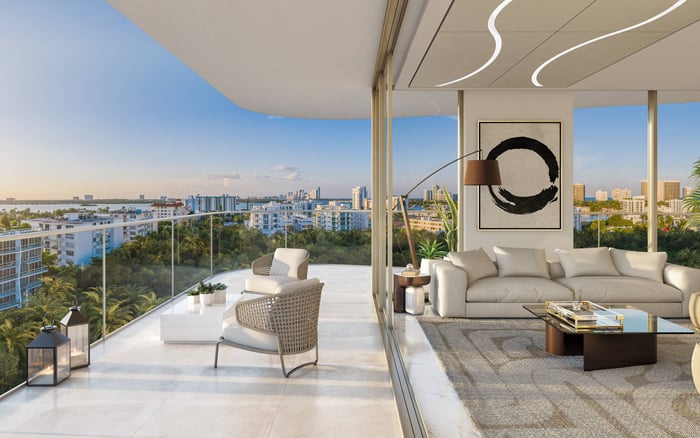
At Alma Bay Harbor Islands, amenity value depends on who may enter, when access applies, and what registration, supervision, reservation, and rental rules govern daily use.

At Alma Bay Harbor Islands, the phrase “resident-only amenities” warrants closer attention than its polished simplicity suggests. For families, second-home owners, and frequent hosts, the decisive question is not merely which shared spaces are promoted, but who may use them, under what conditions, and with which resident present.
A buyer should never assume that an owner, approved tenant, child, overnight relative, nanny, or visiting friend receives identical privileges. Access may depend on definitions in the condominium declaration, association rules, purchase agreement, and current amenity policies. Those documents-not a general lifestyle presentation-should guide the purchase decision.
A smaller-scale residential environment may make guest controls, supervision standards, and reservation procedures especially visible in daily life. Buyers should evaluate those procedures rather than infer access from amenity imagery or broad descriptions.
Before reviewing individual rules, map the people likely to use the residence. Distinguish among legal owners, full-time occupants, adult children, minors, grandparents, approved tenants, overnight guests, nannies, caregivers, and other household staff. Then request a written explanation of how the association classifies each group.
Multigenerational families should be especially precise. A parent or adult child staying for an extended period may be treated as a resident, guest, or authorized occupant, with different credential and amenity rights attached to each category. Owners considering neighboring projects such as Alana Bay Harbor Islands can apply the same discipline when comparing residences: evaluate the rules for the actual household, not an abstract buyer profile.
This user-by-user approach is essential because amenity access is operational. A shared area offers limited practical value if the people expected to enjoy it face unclear registration or accompaniment requirements.
Families should ask whether children are subject to age thresholds, adult-supervision requirements, or restricted hours in shared spaces. The inquiry should extend to every amenity area a family expects to use.
Caregiver access warrants a separate review. A nanny may be permitted to enter with a child, may require prior registration, or may have narrower privileges than an owner or registered resident. Buyers should also confirm who can provide the required supervision and whether that adult must hold a resident credential.
Do not rely on a broad statement that amenities are available to residents. Ask whether a caregiver can accompany children without the owner, how credentials are issued, and whether access changes when the owner is away. These details can determine whether an amenity functions on an ordinary weekday, not only during a hosted visit.
Owners who regularly welcome relatives or friends should verify guest-registration procedures, maximum guest counts, resident-accompaniment rules, and the treatment of overnight visitors. The critical distinction is between permission to enter the building and permission to use a particular amenity independently.
An overnight guest may be recognized by security yet still require an owner or registered resident to enter shared facilities. Buyers should also ask whether guest access varies by day, hour, occupancy level, or space. When comparing Alma with Onda Bay Harbor, use the same written checklist so apparent similarities in amenity presentation do not obscure meaningful differences in use.
Hosting logistics extend beyond the amenity door. Parking limits, arrival procedures, access credentials, and enforcement policies can determine whether a family gathering feels seamless or administratively demanding. For households with frequent visitors, those operational details belong alongside residence layout and finishes in the decision process.
Permission to enter a shared area does not necessarily include the right to reserve it. Any reservable space may carry separate booking windows, guest limits, fees, cancellation terms, or resident priorities. Buyers should confirm the rules for each reservable space rather than infer them from general amenity access.
Ask who may place a reservation, whether the resident must remain present, how many guests the booking covers, and whether charges apply. Also determine how competing requests are handled and what penalties follow a late cancellation or rule violation. These policies can materially shape the experience of hosting birthdays, family visits, or quiet private gatherings.
Prospective buyers also exploring The Well Bay Harbor Islands should request equivalent written terms. The objective is not to assume one building is more permissive, but to compare access frameworks on equal footing.
Prospective landlords should establish whether an approved tenant receives the same amenity privileges as an owner. They should also determine whether the owner’s rights pause during a lease, whether tenant credentials carry fees, and whether occupants must complete registration before access begins.
Long-term rentals require careful document review, while shorter rental periods warrant even greater scrutiny. Rental-term restrictions can affect whether an occupant qualifies for the access implied by broad residential marketing. A buyer underwriting rental appeal should therefore examine permitted lease duration, approval procedures, credential issuance, guest rights, and any distinction between owners and tenants.
Request the latest condominium declaration, association rules, purchase agreement, and written amenity policies. Read them together, since one document may define occupancy while another governs credentials, guests, reservations, fees, and enforcement. If a sales statement matters to the purchase, seek written confirmation and determine whether the governing documents support it.
The most useful review is scenario-based. Ask what happens when grandparents stay for a month, a nanny takes children to a shared space, an owner leases the residence, or overnight guests arrive by car. Clear answers reveal whether Alma’s access structure complements the household’s routines and hosting style.
Do owners automatically receive unrestricted access to every amenity? Not necessarily. Owners should verify space-specific rules, operating hours, reservation requirements, and any temporary restrictions.
Can children use shared spaces without an adult? Buyers should confirm age limits, supervision standards, and restricted hours in the current written policies.
May a nanny accompany children into amenity areas? This should be confirmed in writing, including registration requirements and whether the caregiver qualifies as an authorized supervising adult.
Can overnight guests use amenities without the owner? Guest entry may require accompaniment by an owner or registered resident, even when the visitor is approved to stay overnight.
Are guest counts likely to matter? Buyers should verify maximum guest numbers for general access and each reservable space.
Does amenity entry include the right to reserve private spaces? Not necessarily. Booking privileges, fees, time limits, and guest allowances may be governed separately.
Do approved tenants receive the same access as owners? Prospective landlords should confirm tenant privileges, approval timing, credential rules, and any suspension of owner access during a lease.
Why do rental-term rules affect amenity value? An occupant’s lease status or rental duration may determine whether that person qualifies for resident privileges.
What hosting logistics should families investigate? Review visitor parking, security procedures, registration timing, access credentials, reservation charges, and enforcement policies.
Which documents should a buyer prioritize? Review the declaration, association rules, purchase agreement, and current written amenity policies as a coordinated set.
For a confidential assessment and a building-by-building shortlist, connect with MILLION.
If branded residences are on your mind — as a home or as an allocation — we would be glad to share what we are seeing, privately.
Begin a quiet conversation