For Boston buyers entering Palm Beach, the strongest acquisition strategy aligns contract terms, liquidity, financing readiness, and post-closing priorities before an offer is written.
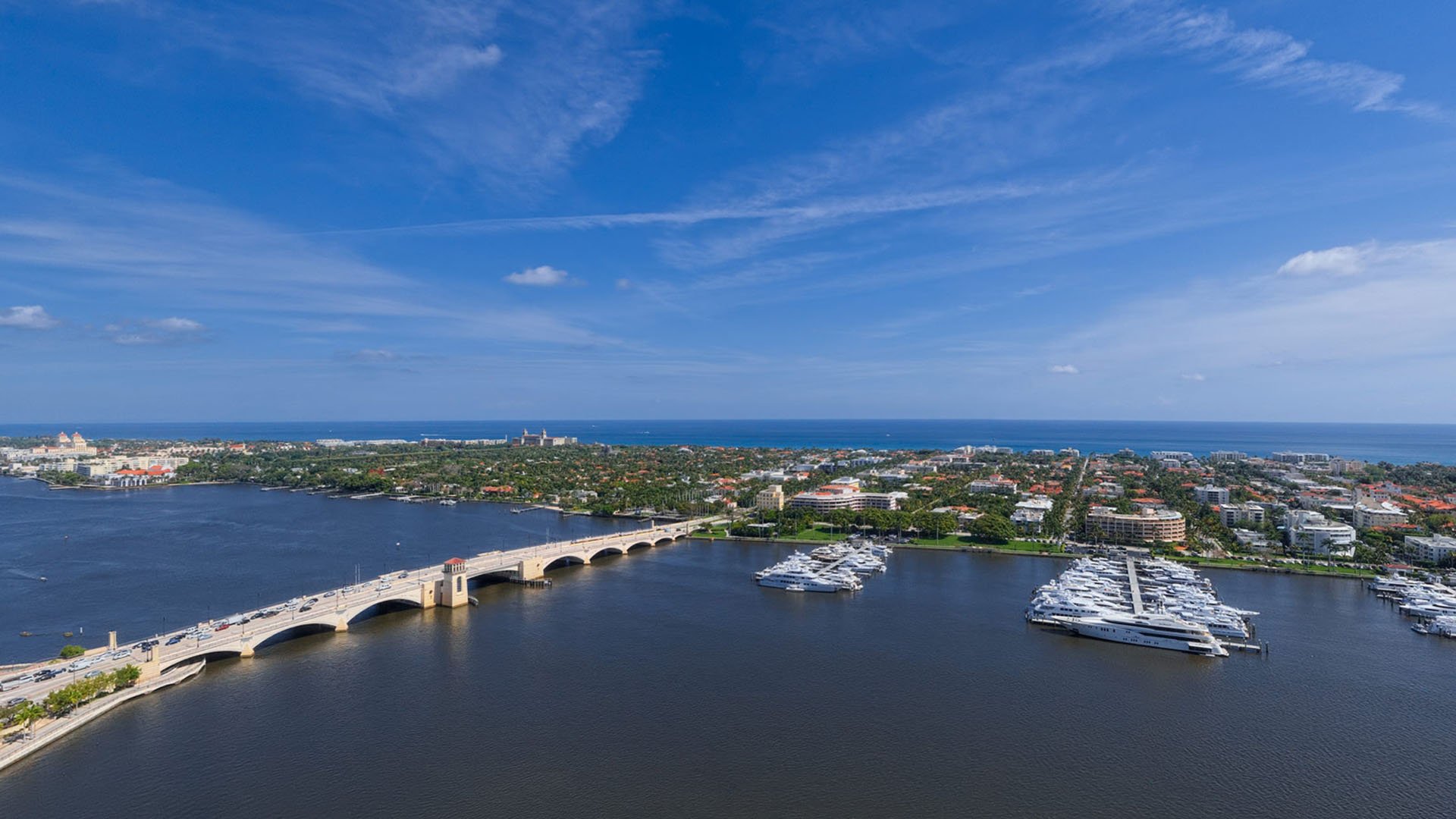
For a Boston buyer considering Palm Beach, the cash-versus-financing decision is not simply a choice between speed and leverage. It is a balance-sheet decision shaped by the residence’s intended use, the buyer’s preferred post-closing liquidity, the purchase contract, and the practical readiness of every professional involved.
Cash can create a cleaner path when the purchase is not conditioned on loan approval. Yet it also concentrates capital in the property at closing. Portfolio financing may preserve liquidity, but it introduces lender underwriting, valuation, documentation, and timing requirements. Neither structure is inherently superior. The better choice is the one that remains dependable from offer through closing-and appropriate afterward.
This entry in MILLION’s Buyer's Guides is therefore less about selecting a fashionable financing method than aligning the acquisition with the buyer’s broader financial architecture.
A cash offer should be evaluated on two levels: contractual certainty and post-closing liquidity. The first concerns whether funds can be demonstrated, transferred, and delivered on schedule. The second concerns what remains available after the purchase, closing expenses, furnishing, insurance, property work, and ongoing ownership costs.
Before bidding, buyers should identify which accounts will supply the purchase funds, whether asset sales or transfers are required, and who has authority to initiate them. A nominally cash offer is only as strong as its operational plan. Last-minute transfers between institutions can create friction, even when the buyer has ample net worth.
Property selection also matters. A buyer evaluating Palm Beach Residences may approach capital allocation differently from someone comparing homes across multiple submarkets. The funding plan should reflect the chosen residence’s contract, deposit schedule, ownership vehicle, and closing expectations.
Portfolio financing may suit a buyer who prefers not to withdraw the full purchase price from an investment portfolio. The central question is not merely whether credit is available, but whether the proposed facility remains appropriate if markets, borrowing costs, collateral values, or personal liquidity needs change.
Buyers should request a clear explanation of collateral requirements, advance rates, pricing, maturity, renewal provisions, and the lender’s rights if pledged assets decline. They should also distinguish between financing secured by the property and credit supported by financial assets. These structures can behave differently and should not be treated as interchangeable simply because both preserve cash at closing.
A buyer comparing Forté on Flagler West Palm Beach with other West Palm Beach opportunities may value the flexibility to retain capital for a second acquisition, portfolio commitments, or property customization. That preference must be weighed against lender conditions and the need for a reliable closing timeline.
The purchase agreement should reflect how the buyer genuinely intends to perform. If financing is essential, the contract strategy should account for the relevant approval and valuation processes. If the buyer elects to waive a financing contingency, counsel should explain the obligations and consequences before execution.
The deposit schedule deserves equal attention. Buyers should know when each payment is due, whether the funds are immediately available, and what approvals are required to release them. The private banker, real estate attorney, tax adviser, and buyer’s representative should work from one timeline rather than manage separate assumptions.
For those expanding the search beyond Palm Beach, The Ritz-Carlton Residences® Palm Beach Gardens offers another point of comparison. The objective is not to impose one financing template on every possibility, but to determine which residence, contract, and funding structure fit together without avoidable tension.
A sophisticated acquisition plan does not end when title transfers. Buyers should model an operating reserve that reflects their tolerance for carrying costs, improvements, travel patterns, and unforeseen work. A second home may require a different cash buffer from a primary residence, particularly when the owner plans extensive personalization or expects periods of limited occupancy.
Investment decisions elsewhere in the portfolio should also remain visible. Paying cash for real estate can reduce liquid assets available for other commitments. Borrowing can preserve those assets, but it can also add interest expense, collateral exposure, and ongoing monitoring. The meaningful comparison is between realistic scenarios, not against a single optimistic forecast.
Geography can broaden that analysis. A buyer considering The Residences at Mandarin Oriental Boca Raton alongside Palm Beach choices may be balancing lifestyle, property type, and capital priorities at once. Boca Raton should be assessed within the buyer’s complete decision, not treated as a financing afterthought.
Boston buyers should not assume that purchasing a Florida residence, choosing a financing method, or spending time in the state automatically resolves questions of domicile, taxes, estate planning, or asset ownership. Those matters require individualized legal and tax advice.
Before contract execution, advisers should review the proposed purchaser name, ownership structure, source of funds, financing documents, estate plan, and any residency objectives. Coordination is the goal. A real estate decision should not inadvertently conflict with existing trusts, entities, banking arrangements, or planning documents.
First, select the target property and define the desired contract posture. Second, compare true cash funding with every available borrowing structure. Third, stress-test liquidity after deposits, closing, planned work, and reserves. Fourth, confirm that legal, tax, banking, and real estate advisers agree on responsibilities and timing. Finally, authorize an offer only when the chosen structure can be executed without improvisation.
The most persuasive strategy is not necessarily the one with the fewest documents. It is the one that treats funding, contract language, and post-closing consequences as a single plan.
Is cash always the stronger offer in Palm Beach? Not automatically. Strength depends on the full contract, the buyer’s ability to perform, and the seller’s priorities.
Can a buyer finance after making a cash offer? Potentially, but the buyer should review contract obligations and financing timing with legal and banking advisers before relying on that approach.
What should proof of funds demonstrate? It should support the buyer’s ability to meet the proposed deposit and closing obligations in a form acceptable to the transaction parties.
What is the main appeal of portfolio financing? It may allow a buyer to preserve liquidity rather than deploy the entire purchase price from available assets.
What is the principal risk of securities-backed credit? Its terms may expose the borrower to changing collateral requirements, so downside scenarios should be reviewed directly with the lender.
Should financing be arranged before touring homes? Early preparation can help a buyer understand available structures, documentation requirements, and realistic timing before an offer is drafted.
Does buying a Florida home establish residency? Buyers should not make that assumption. Residency and domicile questions require tailored legal and tax guidance.
Who should coordinate the transaction plan? The buyer’s real estate representative, attorney, tax adviser, and banking team should share one closing timeline and clearly defined responsibilities.
How much liquidity should remain after closing? The appropriate reserve depends on the buyer’s carrying costs, planned improvements, other commitments, and personal risk tolerance.
When should the final cash-versus-financing decision be made? It should be settled before signing an offer whose terms depend on the selected funding structure.
For a tailored shortlist and next-step guidance, connect with MILLION.
If branded residences are on your mind — as a home or as an allocation — we would be glad to share what we are seeing, privately.
Begin a quiet conversation