A collector-oriented guide to Coconut Grove through the layered lens of Ziggurat Coconut Grove, focusing on bay access, canopy, rituals, wellness, education, and long-term residential value.
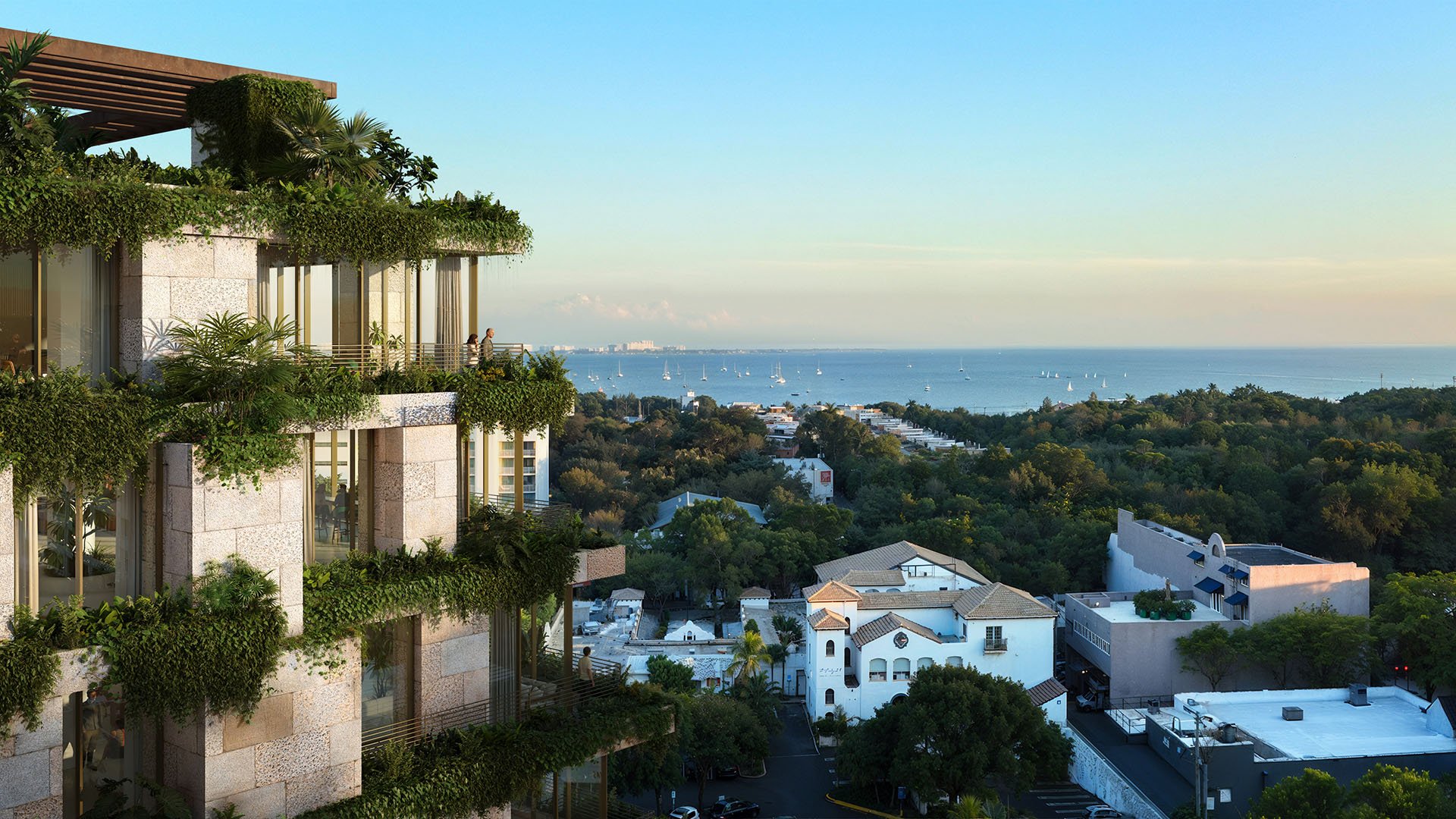
For the serious residential collector, Coconut Grove is best understood less as a conventional neighborhood purchase than as a layered acquisition of place. Ziggurat Coconut Grove offers a useful metaphor: a lifestyle built in tiers, with each level supporting the next. At the base are Biscayne Bay, parks, marinas, sailing culture, and the mature tropical canopy. Above that sits the village life of restaurants, cafés, boutiques, and quiet social patterns. Higher still are wellness routines, educational capital, and the real estate decisions that anchor a long-term Miami presence.
Even the search shorthand, Coconut-grove, understates the point. This is not simply a convenient address within Miami. For collectors who value scarcity, privacy, identity, and resilience, Coconut Grove functions as a distinctive lifestyle ecosystem within South Florida luxury real estate.
Every durable Coconut Grove decision begins with setting. The neighborhood’s relationship to Biscayne Bay is not ornamental. It shapes movement, light, leisure, and the psychology of ownership. Parks, marinas, and sailing culture create a waterfront rhythm distinct from Miami’s more vertical or rectilinear districts. The first collection pieces are therefore not objects inside the home, but access, air, shade, and ritual.
The mature tropical canopy is central to that value. It creates enclosure, filters the street, and gives many parts of the Grove a sense of immersion that is rare in an urban coastal market. Narrower roads, shaded blocks, and an organic street pattern reinforce a private residential feeling. For a buyer accustomed to evaluating square footage, views, and finishes, Coconut Grove asks for a broader reading: sightlines, tree cover, walkability, bay access, and the small daily sequences that make a property feel owned rather than merely occupied.
This is why the Grove is not a homogeneous market. Its micro-environments vary by canopy, street rhythm, proximity to the water, degree of privacy, and the way a home or residence supports daily rituals. A project such as Arbor Coconut Grove belongs in that broader conversation because the collector is not only choosing a building, but also choosing how closely the residence participates in the Grove’s shaded, residential character.
Above the bay-and-canopy base is the experiential layer: the village core. Coconut Grove’s dining and retail streets give the neighborhood its social cadence, not as spectacle, but as habit. The collector’s question is not simply what is nearby. It is what can become a weekly ritual, a preferred table, a familiar walk, a quiet coffee, or a sequence of errands that feels personal rather than transactional.
This is where the Grove rewards intentionality. Restaurants, cafés, boutiques, and village-scale social life allow an owner to build a repeatable pattern of living. The neighborhood should be read as a collection of lifestyle assets rather than a bundle of conveniences. The difference is subtle but meaningful. Convenience solves a task. A lifestyle asset compounds over time because it becomes part of identity, memory, and community.
That is why established residential names such as Park Grove Coconut Grove remain relevant to the way collectors think about the area. The address is only the opening question. The deeper question is whether the property allows the owner to move between privacy, greenery, the village, and the bay with the right sense of ease.
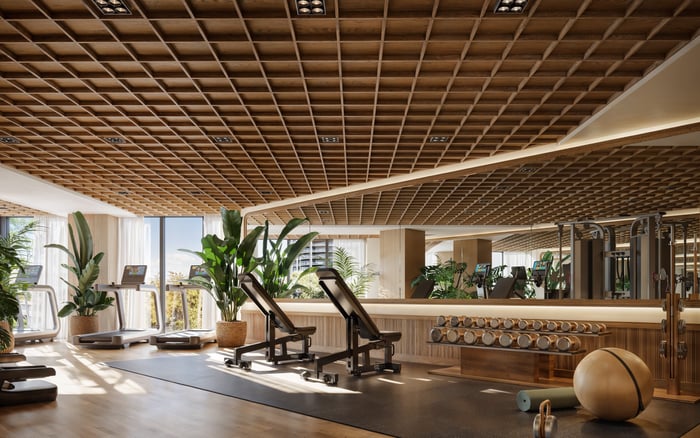
Wellness in Coconut Grove is not limited to amenities behind a private door. The neighborhood’s strongest wellness infrastructure is often external: parks, water, walking, sailing, shade, and the ability to organize life outdoors. For many high-net-worth buyers, this becomes a core collector priority because health, time, and privacy increasingly define the most valuable residential choices.
A Grove lifestyle can be built around movement rather than logistics. Morning walks beneath the canopy, time near the bay, sailing culture, and outdoor recreation are not add-ons. They are part of the daily architecture. This is why The Well Coconut Grove fits naturally into the local vocabulary, not as a claim about specifics, but as part of the wider buyer emphasis on wellness-led living.
Educational capital also belongs in the collector framework. School access and intellectual or community networks can influence long-term residential value because they shape who stays, who returns, and how families build continuity. The Grove’s appeal is therefore not only physical. It is social, intergenerational, and cultural.
Real estate is the upper tier of the Ziggurat framework because it converts lifestyle preference into a long-term holding. In Coconut Grove, the most thoughtful acquisitions are not judged by size alone. They are evaluated by privacy, canopy, sightlines, bay orientation, walkability, the relationship to the village core, and how gracefully the property supports everyday rituals.
This is where the collector mindset becomes especially important. Owning Coconut Grove through property is one thing. Owning it through memberships, relationships, routines, and curated local habits is another. The strongest purchases tend to support both. A residence should function as a private base, while connecting the owner to the layered life outside the door.
Within that context, Four Seasons Residences Coconut Grove is best considered alongside the larger question every Grove buyer should ask: does the home deepen a lasting connection to Miami, or does it merely provide a polished place to stay? For collectors, the answer matters because Coconut Grove’s value proposition is lifestyle-led rather than purely transactional.
The most intentional way to evaluate Coconut Grove is to move from base to summit. Start with the physical setting: bay, parks, marinas, sailing culture, canopy, and privacy. Then study the experiential tier: dining, cafés, boutiques, and the social life of the village. Continue into wellness and education, where daily health routines and community networks influence long-term value. Only then should the buyer compare specific holdings.
That layered method is useful because it prevents the common mistake of reducing the Grove to a checklist. Coconut Grove is not simply a place to buy a luxury residence near other desirable districts. It is a place where a buyer can assemble a life with texture: shaded streets, water access, cultural habits, quiet social familiarity, and an enduring sense of enclosure.
For collectors, the right question is not, “What is the most impressive property?” The better question is, “Which holding lets me live Coconut Grove most intentionally?” Ziggurat Coconut Grove makes that question visible by turning the neighborhood into a hierarchy of value, from foundational landscape to long-term residential commitment.
Why is Ziggurat Coconut Grove useful for collectors? It frames Coconut Grove as a layered lifestyle rather than a standard condo or neighborhood overview. That structure helps buyers evaluate place, rituals, privacy, and property together.
What is the base layer of a Coconut Grove lifestyle? The base layer is the physical setting: Biscayne Bay, parks, marinas, sailing culture, green space, and the mature tropical canopy.
Why does the canopy matter to luxury buyers? The canopy helps create enclosure, privacy, shade, and immersion. It is a defining part of Coconut Grove’s residential identity.
Is Coconut Grove a homogeneous luxury market? No. It is a layered neighborhood with distinct micro-environments, property types, street patterns, and degrees of bay and village connection.
How should collectors evaluate property in the Grove? They should look beyond address and size to sightlines, canopy, privacy, walkability, bay access, and the rituals a home supports.
Why is village life important here? Restaurants, cafés, boutiques, and walkable social routines form a higher lifestyle tier. They help turn convenience into a repeatable sense of belonging.
Does wellness influence Coconut Grove value? Yes. Parks, water, walking, sailing, shade, and outdoor recreation make wellness part of the neighborhood’s daily infrastructure.
Why include education in a collector framework? Educational access and community networks can support long-term residential value. They also influence family continuity and neighborhood commitment.
What does it mean to own Coconut Grove beyond property? It means building memberships, routines, relationships, and habits that make the neighborhood personally meaningful, not merely accessible.
Who is the Ziggurat Coconut Grove lens best suited for? It suits buyers who value scarcity, privacy, place identity, greenery, waterfront culture, and a long-term South Florida lifestyle.
If you'd like a private walkthrough and a curated shortlist, connect with MILLION.
If branded residences are on your mind — as a home or as an allocation — we would be glad to share what we are seeing, privately.
Begin a quiet conversation