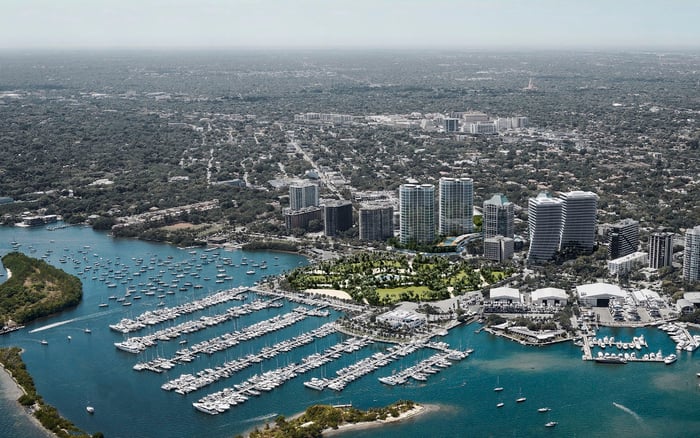
Park Grove Coconut Grove belongs in the conversation for buyers who are evaluating luxury through the lens of storm-day livability, not just views, finishes and address prestige. Its modern high-rise profile, Coconut Grove setting and full-service condominium operations create a compelling framework for resilience-focused due diligence, while still requiring careful verification at the building and unit level.
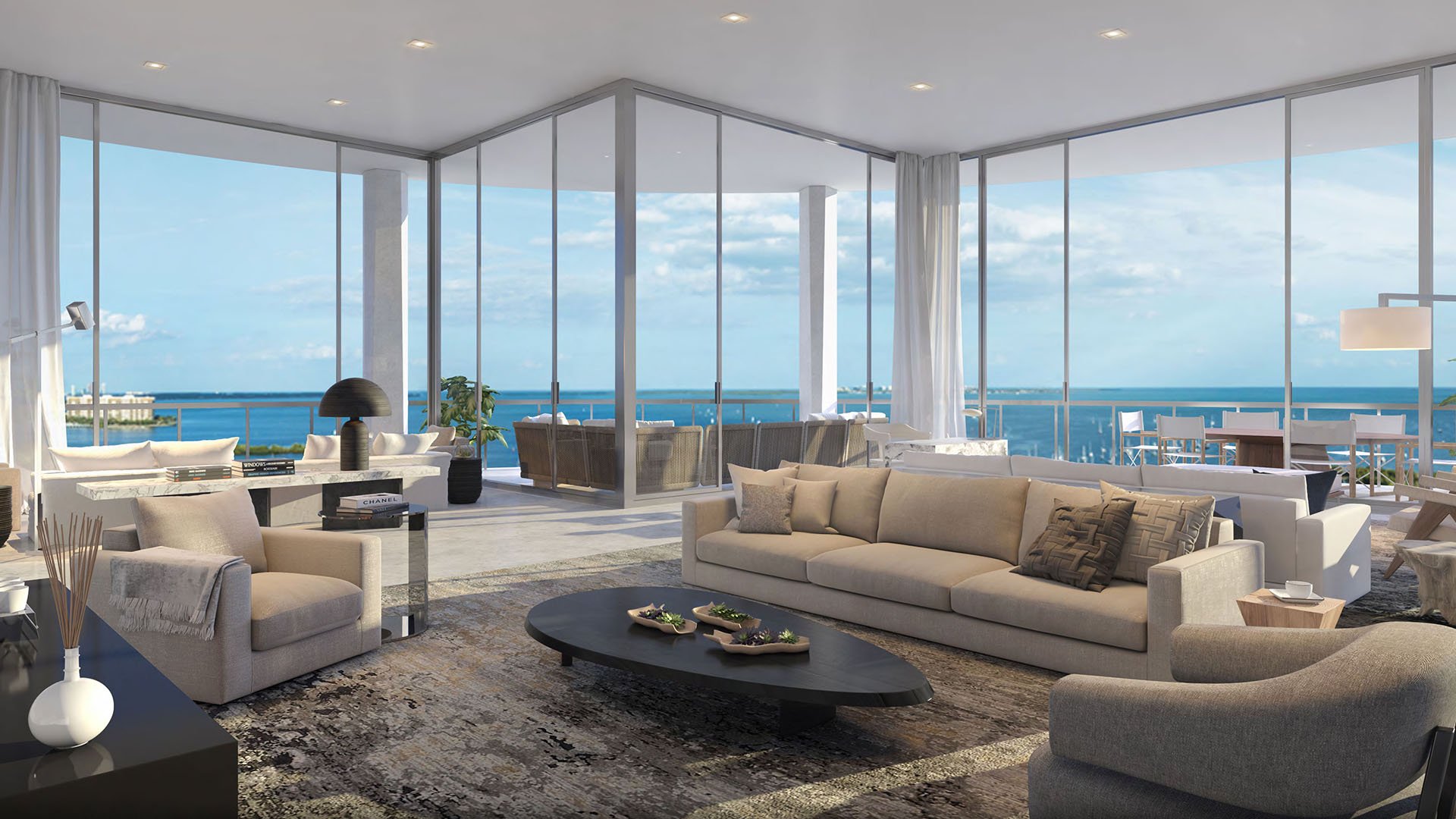
For South Florida’s most discerning condominium buyers, the question is no longer limited to how a residence presents on a blue-sky afternoon. The sharper question is how a home performs when weather is difficult, the city is strained and daily routines are compressed into the building itself.
That is why Park Grove Coconut Grove deserves a serious place on the shortlist for buyers prioritizing storm-day livability. The appeal is not a claim of invulnerability. No coastal condominium should be described that way. The more useful argument is that Park Grove combines a modern luxury-condominium profile, a Coconut Grove setting and full-service building operations in ways that can matter before, during and after a major weather event.
In a market where finishes, views and amenities often dominate the first conversation, resilience-conscious buyers are asking more practical questions. Can the building remain orderly under pressure? How does management communicate? What happens to elevators, access control, water systems and common areas? How exposed does a particular residence feel when wind and rain intensify?
Those questions are not anti-luxury. They are the next expression of it.
Park Grove should not be treated as a stand-in for every waterfront condominium in Miami. Its relevance comes from the specific combination of place, era and service model. The project’s relatively recent development profile matters because newer South Florida high-rises are evaluated differently from older pre-Andrew or mid-century waterfront buildings, especially when buyers are studying building envelope performance and operational continuity.
That does not mean a buyer can skip diligence. It means the starting point is different. In a modern high-rise, the conversation often turns to reinforced construction, glazing performance, elevator protocols, emergency power, staffing plans and how the association prepares the property before a storm. These are not decorative considerations. They shape whether a resident can remain functional and comfortable when conditions outside are disrupted.
The same logic is shaping broader Coconut Grove searches. Buyers who may also consider Four Seasons Residences Coconut Grove, Mr. C Tigertail Coconut Grove or Arbor Coconut Grove are often comparing more than architecture and hospitality. They are comparing day-to-day confidence, building culture and the ability to live well when the broader environment is under stress.
Park Grove’s Coconut Grove context is central to its storm-day livability case. Neighborhood character is not a substitute for technical building diligence, but it is part of how residents experience a storm cycle. A buyer weighing Coconut Grove options is usually thinking about more than a single tower. They are considering access patterns, neighborhood feel, service availability, tree canopy, waterfront exposure and the practical rhythm of returning to normal life.
Storm impacts in South Florida can combine wind, wind-driven rain, power disruption, flooding risk and post-event infrastructure stress. A property’s immediate surroundings influence how that feels. Coconut Grove’s appeal, for many luxury buyers, is its layered residential identity: established, discreet, verdant and less defined by a purely vertical business-district cadence.
That context helps explain why Park Grove can feel especially relevant for buyers seeking a more residential storm-day posture. It is not only about sheltering inside a residence. It is about whether the building and neighborhood together support a livable routine when the city is temporarily operating outside its normal rhythm.
For Park Grove buyers, the correct diligence list is practical and specific. Start with the building envelope. Impact-resistant glazing and reinforced high-rise construction are key issues for storm-day comfort in any Miami luxury condominium, but buyers should review what applies to the building and to the particular residence under consideration.
Elevator reliability is another essential question. In high-rise living, vertical mobility affects everything from staff operations to resident comfort. Buyers should understand storm protocols, restart procedures and how management communicates access changes before and after severe weather.
Water-system continuity and emergency power also deserve attention. The goal is not to assume a perfectly uninterrupted experience. It is to understand which systems are supported, how long support is intended to last and what residents are expected to do in preparation.
Full-service condominium operations may be the least glamorous part of the tour, but they often define the storm-day experience. Staffing, access control, amenity shutdowns, garage protocols, cleanup, resident notices and post-storm inspections all shape livability. A beautiful lobby matters. A well-run lobby matters more when the weather turns.
Even within the same building, storm-day experience can vary. Exposure, floor height, balcony configuration, glazing condition and view orientation can affect how a residence feels during heavy wind and rain. Buyers focused on high floors may appreciate views and privacy, but should still ask how elevation, exposure and elevator dependence influence the lived experience during a storm cycle.
The balcony is another important point of review. Its dimensions, drainage, furniture protocols and relationship to prevailing exposure can all matter when weather preparation begins. These are not reasons to avoid outdoor living. They are reasons to understand it with precision.
For waterview residences, the same discipline applies. The emotional value of water is central to South Florida luxury, but a resilience-minded buyer should pair the romance of the view with questions about wind-driven rain, glass performance and operational planning.
This is where Park Grove Coconut Grove belongs in a sophisticated search. It offers a compelling modern, full-service framework, but the final decision should be made residence by residence, not merely tower by tower.
Coconut Grove is increasingly rich with luxury choices, and each speaks to a different buyer psychology. The Well Coconut Grove may draw wellness-led buyers, while Vita at Grove Isle enters the conversation for those considering a distinct waterfront lifestyle within the broader Grove orbit.
Park Grove’s specific strength is that it can be read through the lens of storm-day livability without abandoning the softer qualities that make the Grove desirable. It is polished, residential and service-oriented, yet the more important point is functional: it gives resilience-focused buyers a strong candidate to examine closely.
That is the right standard. Not storm-proof. Not risk-free. Worth shortlisting.
Is Park Grove Coconut Grove hurricane-proof? No. The better framing is that Park Grove is a strong candidate for resilience-conscious buyers, subject to careful building and unit-level diligence.
Why does the building’s modern profile matter? Newer South Florida high-rises are typically evaluated through a different lens than older pre-Andrew or mid-century waterfront buildings.
What should buyers ask about first? Start with building envelope performance, elevator protocols, emergency power, water-system continuity and post-storm operations.
Does Coconut Grove itself matter for storm-day livability? Yes. Neighborhood context can affect access, routine, comfort and the broader return to normal life after severe weather.
Do all residences within Park Grove perform the same way? Not necessarily. Exposure, floor height, balcony design, glazing condition and view orientation can change the experience.
Are amenities the most important factor during a storm? Not usually. Staffing, communications, access control, system continuity and cleanup often matter more under stress.
Should buyers compare Park Grove with other Coconut Grove projects? Yes. Comparing service models, locations and operational confidence can clarify which residence best fits a buyer’s priorities.
Is a waterfront or waterview residence always riskier? It should not be simplified that way. Buyers should evaluate the specific exposure, glazing, balcony condition and building operations.
Can a luxury condo remain comfortable after a storm? It can, but comfort depends on systems, management, resident preparation and how quickly the building returns to normal operations.
What is the main reason to shortlist Park Grove? Its combination of modern luxury design, Coconut Grove context and full-service operations makes it relevant for livability under stress.
When you're ready to tour or underwrite the options, connect with MILLION.
If branded residences are on your mind — as a home or as an allocation — we would be glad to share what we are seeing, privately.
Begin a quiet conversation