A discreet buyer’s guide to choosing South Florida beachfront residences through the lens of airport access, travel cadence, and ownership ease.

For a certain South Florida buyer, the ocean view is only the beginning. The more important question is whether the residence can support a life moving between board meetings, family weekends, private aviation, international departures, and quiet returns after midnight. Beachfront ownership is not simply about being near the sand. It is about reducing friction.
The best airport strategy is rarely one-size-fits-all. A buyer who flies commercially every week has a different residential logic than one who alternates between private aviation and seasonal stays. A family using a beach residence as a second home may value predictability over absolute speed. A principal traveling with staff, children, pets, and luggage may prioritize simpler approach routes, seamless valet flow, service depth, and the ability to arrive without turning every trip into a production.
That is why searches labeled Miami Beach, Surfside, Sunny Isles, Fort Lauderdale, oceanfront, and beach access should not be treated as interchangeable. Each beachfront setting creates its own travel personality. The goal is to choose the residence that makes the airport feel like part of the lifestyle, not an obstacle to it.
1. Miami Beach beachfront residence - best for buyers who want cultural gravity with airport optionality
A Miami Beach oceanfront residence suits the buyer who wants the full South Florida lifestyle close at hand: dining, wellness, design, private clubs, and a constant sense of movement. For travel strategy, the appeal is not only proximity to major routes. It is the ability to keep the household centered in a place where guests, family, and advisors already expect to gather.
This profile works especially well for buyers who value lifestyle density. The tradeoff is that timing matters. A strong Miami Beach purchase should be evaluated through real departure windows, not idealized map impressions.
2. Surfside beachfront residence - best for quieter arrivals and a more discreet beach rhythm
Surfside has a different mood. It appeals to buyers who want oceanfront living with a softer residential cadence, where the building, the beach, and the daily routine feel more composed. From an airport-strategy perspective, this profile often speaks to owners who want less city intensity while remaining connected to the broader Miami ecosystem.
For the right buyer, the advantage is emotional as much as logistical. A residence that feels calm after travel can be more valuable than one that appears slightly more convenient on paper.
3. Sunny Isles Beach tower residence - best for buyers who want high-rise ocean living with broad regional reach
Sunny Isles Beach is a natural consideration for buyers drawn to full-service towers, open water views, and a polished resort-residential environment. In airport planning, it can serve buyers who move across South Florida rather than anchoring every departure to one direction.
This is a compelling profile for international owners, seasonal families, and principals who want the scale and service language of a major beachfront tower. The key is to test the complete routine: garage or valet sequence, elevator privacy, luggage handling, bridge patterns, and preferred airport departure time.
4. Fort Lauderdale beachfront residence - best for travelers who want beach living with a Broward-centered routine
A Fort Lauderdale beachfront residence may be the most elegant answer for buyers whose business, boating, or flight patterns point north of Miami. The lifestyle is still coastal and polished, but the rhythm can feel more direct for owners whose weekly movements are tied to Broward.
For this buyer, the airport strategy begins with honesty. If the household repeatedly flies from a Broward-preferred gateway, spends time in northern communities, or values a less Miami-centric week, the right Fort Lauderdale beachfront home can make the entire calendar feel more efficient.
5. Pompano or Palm Beach oceanfront residence - best for owners who prioritize calmer coastal access over scene
For buyers moving farther north, the question becomes less about being in the center of the conversation and more about owning a refined coastal base that supports an easier personal rhythm. Pompano Beach and Palm Beach-oriented residences may appeal to those who want a quieter return, a more residential beach experience, or a second-home pattern built around longer stays.
This profile is not for the buyer who needs constant nightlife or immediate Miami adjacency. It is for the owner who sees time as the ultimate luxury and wants the residence to protect it.
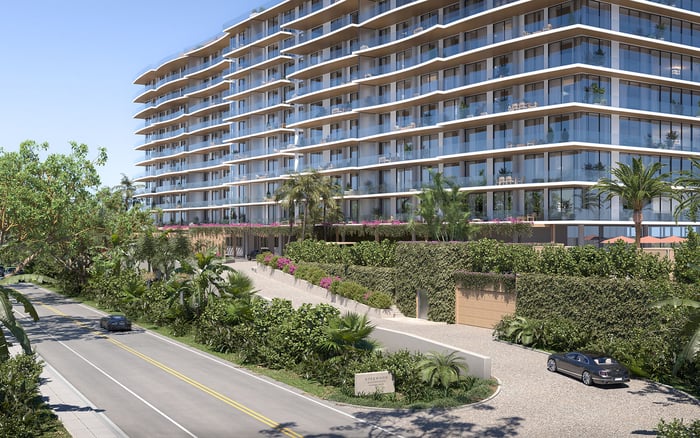
A beachfront residence can look perfect in photography and still underperform in daily travel. The most sophisticated buyers test the residence as a sequence. Where does the driver wait? How does luggage move? Is the elevator experience private enough? How long does valet retrieval take during peak weekend hours? Can the household leave quietly at dawn or arrive late without disrupting the building’s flow?
Airport strategy also depends on who is traveling. A single executive with carry-on luggage can tolerate a different routine than a family with children, pets, sports equipment, and household staff. The best residence is the one that preserves composure for the most complicated version of the trip.
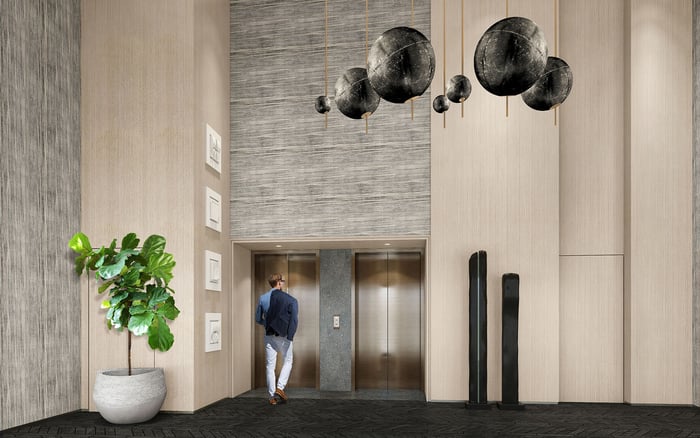
Buyers should also consider the return. Departures receive attention, but arrivals reveal whether a property truly works. A great beachfront residence should make re-entry feel seamless: car to lobby, lobby to elevator, elevator to private space, then terrace, water, and quiet.
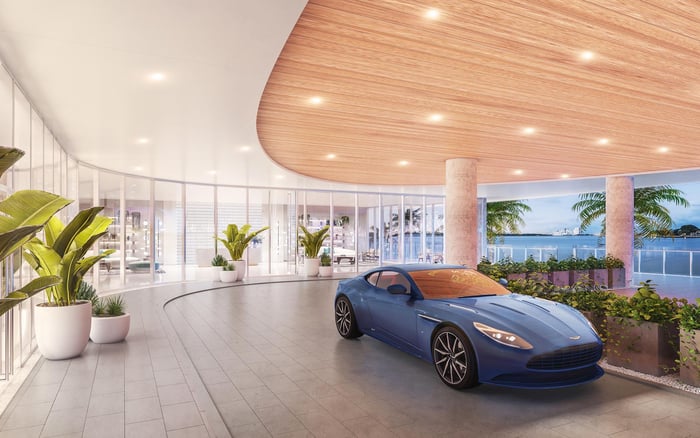
Two residences in the same beach market can produce entirely different airport experiences. A highly serviced building may reduce friction through valet choreography, discreet staff, private elevator access, secure package handling, and thoughtful arrival design. A less organized building can turn a short drive into a long irritation.
This is where luxury becomes operational. The residence should support travel without making travel visible. Bags should not sit awkwardly in the lobby. Drivers should not circle. Guests should not wonder where to enter. Service should feel practiced rather than improvised.
For buyers comparing oceanfront options, the question is not simply which beach is prettiest. It is which building will maintain the owner’s pace when life accelerates.
Commercial flyers should think in time bands. The best address for a midday departure may not be the best address for a Monday morning flight. Private aviation users should consider privacy, vehicle staging, and how often the household changes airports depending on aircraft, crew, destination, and customs needs.
Seasonal owners should add another layer: guest logistics. A residence that feels easy for the principal may be difficult for extended family arriving separately. If the property will host adult children, parents, staff, or visiting friends, airport strategy becomes a hospitality decision.
There is also a psychological component. Some buyers want to land and feel immediately removed from the airport corridor. Others want the shortest possible transition back to work. The correct purchase honors that preference.
The most successful beachfront acquisitions are not always the most obvious. A trophy view matters, but so does the owner’s weekly life. If the residence reduces the strain of leaving and returning, it becomes more than a beautiful address. It becomes infrastructure for a better way to live.
For buyers who care about an easier airport strategy, the right answer starts with lifestyle choreography. Map the travel habits first, then choose the sand.
What is an airport strategy in beachfront real estate? It is the way a buyer matches a residence to real travel habits, including departures, arrivals, luggage, drivers, guests, and privacy.
Should airport access outweigh the ocean view? Not usually, but it should shape the shortlist when two residences offer similar views, service, and design quality.
Is Miami Beach best for frequent flyers? It can be excellent for buyers who want cultural energy and centrality, but the best fit depends on departure timing and household routines.
Why consider Surfside for travel ease? Surfside can appeal to buyers who want a calmer beachfront atmosphere while staying connected to the broader Miami lifestyle.
Who should consider Sunny Isles Beach? Sunny Isles Beach suits buyers drawn to full-service tower living, expansive views, and a regional South Florida lifestyle.
When does Fort Lauderdale make sense? Fort Lauderdale can be a strong choice when a buyer’s work, boating, family, or flight routine is already oriented toward Broward.
Are northern beachfront markets better for second homes? They can suit owners who value quieter coastal living and longer stays over immediate access to Miami’s social core.
What building features matter most for travelers? Valet flow, elevator privacy, luggage handling, security, staff coordination, and late-night arrival ease all matter.
Should buyers test drive the airport route? Yes, they should experience the route during realistic departure and return windows before making a final decision.
What is the best way to shortlist comparable options for touring? Start with location fit, delivery status, and daily lifestyle priorities, then compare stacks and elevations to validate views and privacy.
When you're ready to tour or underwrite the options, connect with MILLION.
If branded residences are on your mind — as a home or as an allocation — we would be glad to share what we are seeing, privately.
Begin a quiet conversation