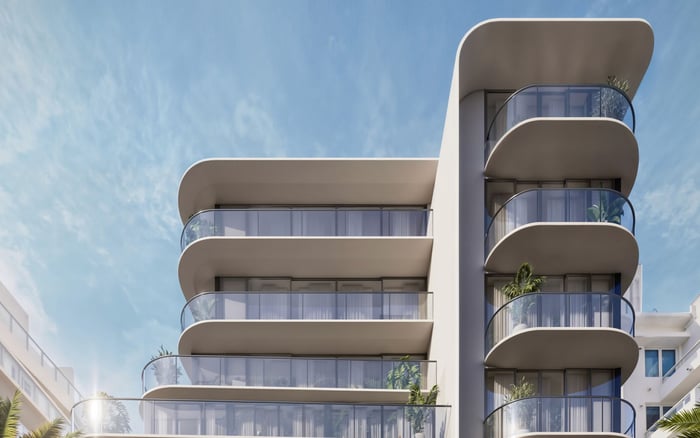
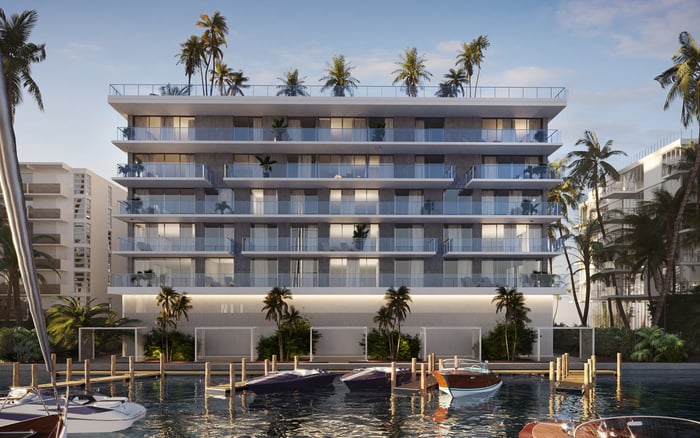
A practical privacy guide for seasonal buyers evaluating front-of-house discretion, guest handling, vendor access, and ownership risk at The Well Bay Harbor Islands.
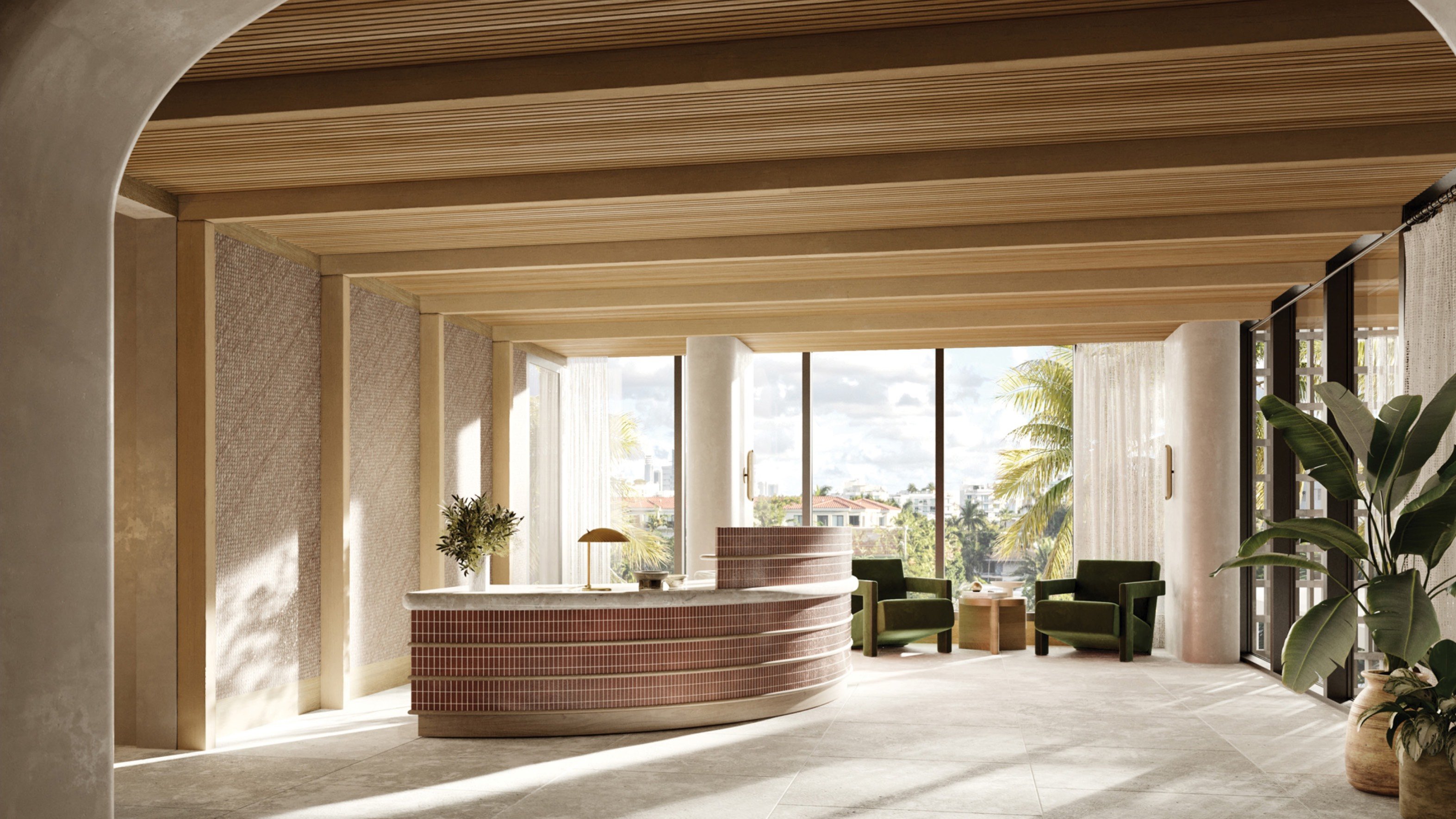
For seasonal buyers considering The Well Bay Harbor Islands, privacy is not a secondary amenity. It is part of the ownership thesis. The resident experience will be judged not only by finishes or amenities, but by how quietly the property functions when an owner is in residence.
That distinction matters in Bay Harbor Islands, where the small-scale residential character can feel calm and reassuring. A close-knit island setting may offer a sense of familiarity for owners who spend only part of the year in South Florida. Yet that same intimacy can reduce anonymity. Arrivals, routines, vendors, family guests, and repeated service appointments can become more noticeable than they might in a larger urban tower.
This is where “doorman discretion” becomes a practical question. It should not be treated as a decorative phrase or a courtesy flourish. For a seasonal buyer, front-of-house discretion is about physical access, resident visibility, and information flow. It is about who knows you are in town, who can infer how long you are staying, and how the building manages everyday interactions when privacy is part of the value proposition.
Luxury buyers are accustomed to gracious greetings, well-dressed staff, and an effortless lobby rhythm. Those elements matter, but they are not the same as enforceable privacy. A warm welcome can coexist with vague operating procedures. A beautifully managed arrival can still leave questions about who may approve a guest, how vendors are screened, or whether staff discretion is formalized in policy.
The buyer’s task is to separate tone from structure. A polished front desk may convey confidence, but the more important question is how the building handles sensitive, repetitive, real-life moments. Does staff acknowledge guests by name in public spaces? Are guest logs broadly visible within the management operation? Can a family office, assistant, or property manager authorize entry? What happens if a vendor arrives before the owner has landed?
At The Well Bay Harbor Islands, the privacy conversation should be framed through daily operations rather than assumptions. Seasonal owners often have professional visibility, family considerations, tax-residency planning, or simply a strong personal preference for quiet movement. For those buyers, discretion should be considered part of risk management, not merely a hospitality gesture.
The most useful due diligence begins with concrete scenarios. A buyer should ask how visitor handling works on a normal weekday, during peak season, and when the owner is away. The answers should clarify who can approve guest entry, whether standing guest lists are permitted, how identity is confirmed, and whether guest arrival procedures differ for family members, friends, staff, or service providers.
Package delivery deserves similar attention. Seasonal owners may receive documents, wardrobe shipments, wellness equipment, household supplies, or gifts while they are not in residence. The issue is not only whether packages are accepted. It is how they are recorded, stored, announced, and released. A package log can reveal patterns, and patterns can reveal presence.
Vendor access is another privacy pressure point. Housekeepers, drivers, chefs, trainers, technology consultants, and art handlers may all pass through a front-of-house system. Buyers should understand how vendors are screened, whether recurring vendors are treated differently from one-time visitors, and who is responsible for granting access when an owner is out of state or overseas.
Staff confidentiality should be addressed directly. The central question is whether privacy expectations are written into formal building policies or left to informal judgment. Sophisticated service teams can exercise excellent discretion, but buyers should not rely on personality alone. Written procedures, staff training, and consistent management oversight are what make discretion repeatable.
Bay Harbor Islands gives seasonal buyers a different privacy profile from larger, more vertical markets. Its residential scale can be part of the appeal: quieter streets, a more composed arrival sequence, and a setting that feels removed from the constant theater of high-traffic districts. For many owners, that is precisely the point.
Still, intimacy cuts both ways. In a smaller environment, routines can become legible. A particular car, driver, trainer, chef, or weekend arrival pattern may stand out. A building that understands discretion will not only manage the front door. It will manage the social information produced by the front door.
This is especially important for buyers viewing The Well Bay Harbor Islands as a second home rather than a primary residence. A part-time owner’s schedule can be irregular, and irregularity often requires staff coordination. That coordination should protect convenience without expanding the circle of people who know too much.
From a boutique, new-construction, or investment perspective, privacy is also a value-preservation issue. The more premium the residence, the more the owner experience depends on trust. Bay Harbor buyers should view front-of-house discipline as part of the broader operating culture, alongside building rules and the residential tone of the island.
The right answers are usually specific. If a sales or management conversation relies only on phrases such as “highly discreet,” “white-glove,” or “private,” keep asking. Those words describe intent. They do not describe process.
A more useful answer explains how guest authorization is documented, how staff are trained, how exceptions are handled, and how residents can update permissions when plans change. It should also clarify the limits of discretion. Condominium rules, safety obligations, and building operating procedures may require certain information to be recorded or shared internally. A serious buyer should want to know those limits before closing, not after a sensitive guest arrival.
The strongest privacy cultures are not theatrical. They are calm, consistent, and unremarkable. Staff do not improvise around sensitive owners. They follow protocols that reduce ambiguity for everyone: residents, guests, vendors, and management. That is the difference between service that feels elegant and privacy that actually works.
For the seasonal buyer, the essential question is not whether a building feels discreet during a tour. Tours are controlled environments. The better question is how the property behaves when life is less choreographed: a late flight, a visiting relative, a chef arriving early, a courier holding legal documents, or a vendor needing access while the owner is unavailable.
Discretion at the door is ultimately about confidence. Owners should be able to arrive without creating unnecessary visibility, receive guests without confusion, and leave the residence for weeks without uncertainty about who can enter or what information is exposed. At The Well Bay Harbor Islands, that confidence should be evaluated as carefully as floor plan, amenities, and location.
The seasonal buyer who asks these questions is not being difficult. They are protecting the reason they are buying in the first place: a refined South Florida residence that supports both pleasure and privacy.
Does The Well Bay Harbor Islands have a confirmed doorman protocol? Buyers should review current sales materials and building documents for any confirmed front-of-house procedures before relying on assumptions.
Why is doorman discretion important for seasonal buyers? Seasonal owners may have irregular arrivals, visible guests, and vendor activity, so front-of-house practices can affect privacy in meaningful ways.
What is the difference between polished service and privacy protocol? Polished service is how staff present themselves; privacy protocol is the written or trained process that governs access and information.
Should buyers ask about guest logs? Yes. Buyers should understand who can see guest information, how long it is retained, and how guest approvals are handled.
How should vendor access be evaluated? Ask how vendors are screened, who may authorize entry, and whether recurring vendors receive different treatment from one-time visitors.
Can Bay Harbor Islands feel private and visible at the same time? Yes. Its smaller residential character can feel secure and familiar, but routines may also become more noticeable.
Why do package procedures matter? Package records and delivery patterns can reveal presence, travel schedules, or household activity if they are not handled carefully.
Should privacy expectations be written down? Written policies are preferable because they make expectations clearer and less dependent on individual staff judgment.
Is discretion mainly a lifestyle amenity? No. For high-visibility or seasonal owners, discretion should be treated as part of ownership risk management.
When should these questions be asked? They should be asked before purchase, while buyers can still evaluate whether the building’s operating culture matches their expectations.
For a tailored shortlist and next-step guidance, connect with MILLION.
If branded residences are on your mind — as a home or as an allocation — we would be glad to share what we are seeing, privately.
Begin a quiet conversation