A buyer-focused guide to evaluating rental-restriction fit at The WELL Bay Harbor Islands, with emphasis on lease terms, guest use, approval rules, and long-hold ownership alignment.
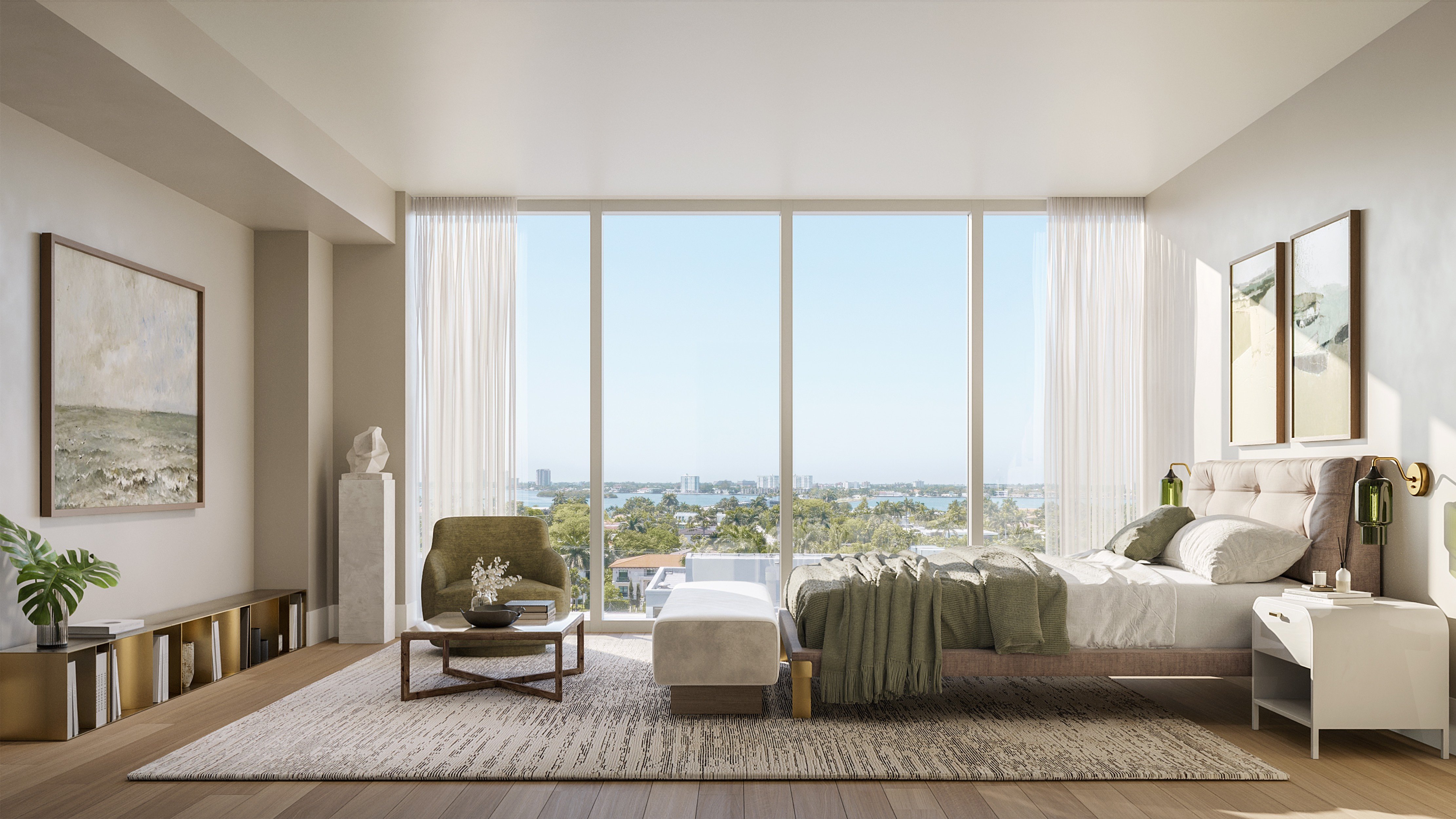
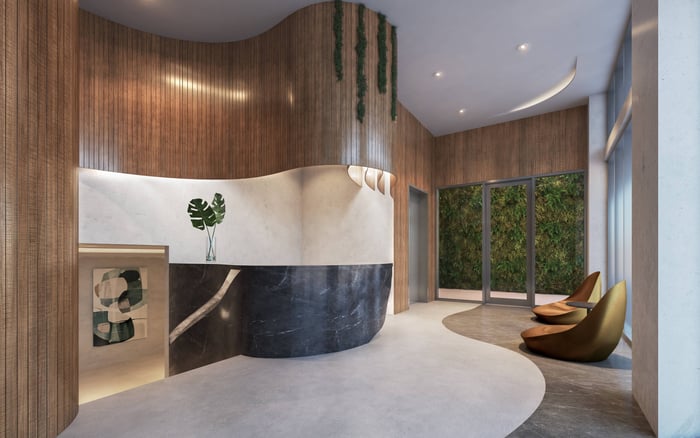
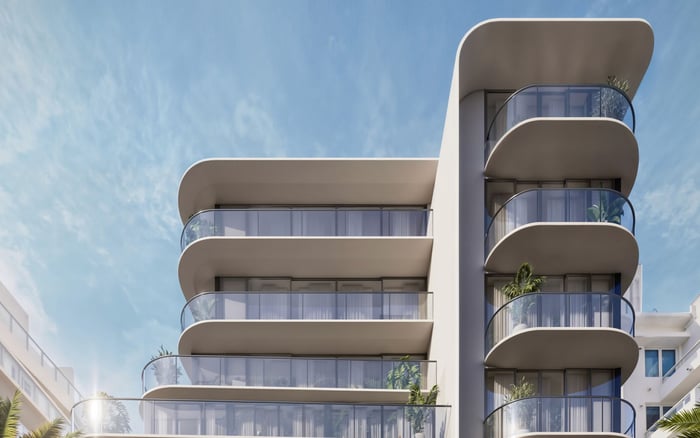
The WELL Bay Harbor Islands sits in one of Miami-Dade County’s quietly residential pockets, where privacy, daily ease, and building culture can matter as much as the architecture itself. Its positioning is not that of a conventional high-rise condominium or a transient condo-hotel tower. It is presented as a boutique, wellness-oriented luxury condominium with a serene, hospitality-influenced lifestyle, curated amenities, and a design language intended to support a more restorative way of living.
That distinction matters. A building conceived around calm residential use may not function like an income-first asset, even if the residence is beautiful, highly amenitized, and located in a desirable market. The question is not whether the rendering feels rentable. The question is whether the declaration, bylaws, rules and regulations, association procedures, and municipal limits support the rental strategy a buyer has in mind.
For a primary resident, seasonal owner, or family seeking a refined pied-à-terre, that may be reassuring. For an investor assuming flexible short-term income, it is a diligence issue that should be resolved before contract commitments harden.
The project’s boutique identity is part of the story. Smaller luxury condominiums often place a premium on residential stability, controlled access, predictable common-area use, and a consistent neighbor profile. In wellness-led buildings, that expectation can be even more pronounced because the value proposition depends on atmosphere as much as square footage.
A high-turnover rental pattern can conflict with the qualities that make a discreet wellness residence desirable. Frequent arrivals, luggage traffic, unfamiliar guests, and changing users can alter the experience of lobbies, spa areas, fitness amenities, elevators, and service corridors. That does not mean leasing is prohibited. It means the rental framework should be read as a core ownership feature, not a footnote.
The WELL Bay Harbor Islands appears conceptually better aligned with primary-residence, second-home, family pied-à-terre, and extended-stay use than with high-churn short-term rental activity. The safest interpretation is to treat the building as residential first until the binding documents prove otherwise.
Buyers should not infer rental flexibility from amenity renderings, lifestyle language, or the presence of hospitality-influenced services. The operative rules will be found in the condominium declaration, bylaws, rules and regulations, association leasing procedures, and any municipal limits applicable at delivery.
The first point to verify is the minimum lease term. If the governing documents require longer lease periods, the residence may work well for seasonal or extended stays but not for nightly or weekly income. The current project facts do not confirm a specific minimum lease term for The WELL Bay Harbor Islands, so this question should be answered in writing.
The second point is the number of leases permitted per year. A building can allow leasing yet still limit turnover by restricting how often an owner may rent in a calendar year or ownership year. That single clause can materially change the investment model.
The third point is whether association approval is required before a lease begins. Buyers should request the approval process, tenant-screening rules, timing, deposits, fees, move-in requirements, and any right the association may have to reject an applicant under the documents.
For many luxury buyers, the practical issue is not a formal tenant. It is whether family members, friends, domestic staff, or visiting guests may occupy the residence when the owner is not present. Guest-use rules are especially relevant when a residence may function as a winter base, wellness retreat, school-year residence, or multigenerational gathering point.
The current project facts do not confirm the guest-use rules for The WELL Bay Harbor Islands. That makes the question essential for pied-à-terre planning. Some buildings distinguish between immediate family and unrelated guests. Others require registration, limit duration, prohibit compensation, or impose separate access procedures. None of those details should be assumed.
A buyer who expects a parent, adult child, personal assistant, chef, nurse, or security staff member to use the residence should ask for the exact language governing occupancy when the owner is absent. In a wellness-centered building, the access protocol may be as important as the leasing rule.
Bay Harbor Islands occupies a distinctive place on the South Florida luxury map: residential, discreet, and oriented toward privacy rather than public-facing resort energy. That context tends to attract buyers who value location, daily convenience, and a more consistent building environment.
For long-term rentals, the area may be appealing because extended-stay occupants often seek exactly those traits. A well-qualified tenant looking for a calm, design-forward residence in an established high-end setting may align better with the building’s character than a transient user seeking a short leisure stay.
For investment purposes, the key is to avoid underwriting the asset as if every form of rental use will be permitted. A more conservative model would examine long-duration leases, seasonal occupancy, or eventual resale to an owner-user. The less certain the rental language, the more important it becomes to assess the residence as a long-hold luxury asset rather than a yield-driven lodging substitute.
Before moving forward, request the complete condominium documents and ask counsel to identify every provision that affects leasing, guests, occupancy, and association approval. The review should be practical, not theoretical. Can the residence be leased? For how long? How many times per year? To whom? With what approval? At what cost? Under what municipal constraints?
Also ask whether rules can change after turnover or by board action. A buyer may accept today’s leasing framework, but a boutique luxury association can later refine procedures within the authority granted by its documents. Understanding amendment thresholds and board discretion is part of understanding the asset.
Finally, compare the answer to the actual intended use. If the plan is to live there most of the year, host family occasionally, and preserve long-term value, the building’s residential orientation may be a positive. If the plan depends on frequent short stays, the buyer should obtain specific written confirmation before assuming the strategy fits.
The most elegant luxury purchases are not only emotionally compelling. They are structurally compatible with the owner’s life. At The WELL Bay Harbor Islands, the renderings may communicate serenity, wellness, and refined hospitality, but rental-restriction fit lives in the documents.
For the right buyer, that may be precisely the point. A boutique wellness condominium in South Florida can be most valuable when its rules protect the quiet residential quality that attracted buyers in the first place. The discipline is to verify that the ownership plan, whether primary residence, seasonal base, family pied-à-terre, or long-hold investment, matches the building’s governing framework.
Is The WELL Bay Harbor Islands a condo-hotel? It is described as distinct from large-scale condo-hotel towers and positioned as a boutique wellness-oriented luxury condominium.
Are short-term rentals confirmed at The WELL Bay Harbor Islands? No confirmed short-term rental policy is provided in the available project facts, so buyers should verify the governing documents directly.
What is the most important rental clause to verify? Start with the minimum lease term, then review limits on the number of leases allowed per year.
Does association approval matter for leasing? Yes. Buyers should confirm whether tenant approval, screening, fees, deposits, and move-in procedures apply.
Can family members use the residence when the owner is away? Guest-use rules are not confirmed, so pied-à-terre buyers should request the exact occupancy and access language.
Who is the likely best-fit buyer for this project? The concept appears better aligned with primary residents, seasonal owners, extended-stay users, and long-hold luxury buyers.
Why should investors be cautious? An investor should not assume flexible rental income unless the declaration and rules clearly support that strategy.
Do amenities determine rental flexibility? No. Amenities and renderings can suggest lifestyle, but the binding rules control leasing and guest use.
Could rental rules change over time? They may be subject to amendment or board procedures, depending on the authority granted in the condominium documents.
What should a buyer request before committing? Request the declaration, bylaws, rules and regulations, leasing procedures, fee schedule, and applicable municipal-use guidance.
For a tailored shortlist and next-step guidance, connect with MILLION.
If branded residences are on your mind — as a home or as an allocation — we would be glad to share what we are seeing, privately.
Begin a quiet conversation