A practical, residence-level guide to evaluating neighbor sightlines, privacy exposure, balcony orientation, bedroom windows, and nighttime conditions at The Well Bay Harbor Islands.
For households considering The Well Bay Harbor Islands, neighbor sightlines deserve the same quiet scrutiny as finishes, floor-plan flow, and building services. In a luxury condominium setting, privacy is not simply a matter of square footage or elevation. It is a lived condition shaped by the placement of glass, the orientation of balconies, what sits across the way, and how a residence feels at different hours.
The essential distinction is between view corridors and privacy sightlines. A view corridor concerns what a resident sees outward: water, sky, streetscape, garden, neighboring architecture, or a layered urban horizon. A privacy sightline concerns what others may see inward: a bedroom, a breakfast table, a primary bath window, a living room after sunset, or a terrace used for entertaining. A residence can offer an appealing outward outlook and still require careful evaluation of inward exposure.
That is why sightline analysis should be handled residence by residence. The building name may define the search, but the specific unit line, floor height, balcony placement, window rhythm, and nearby parcel context determine the daily experience.
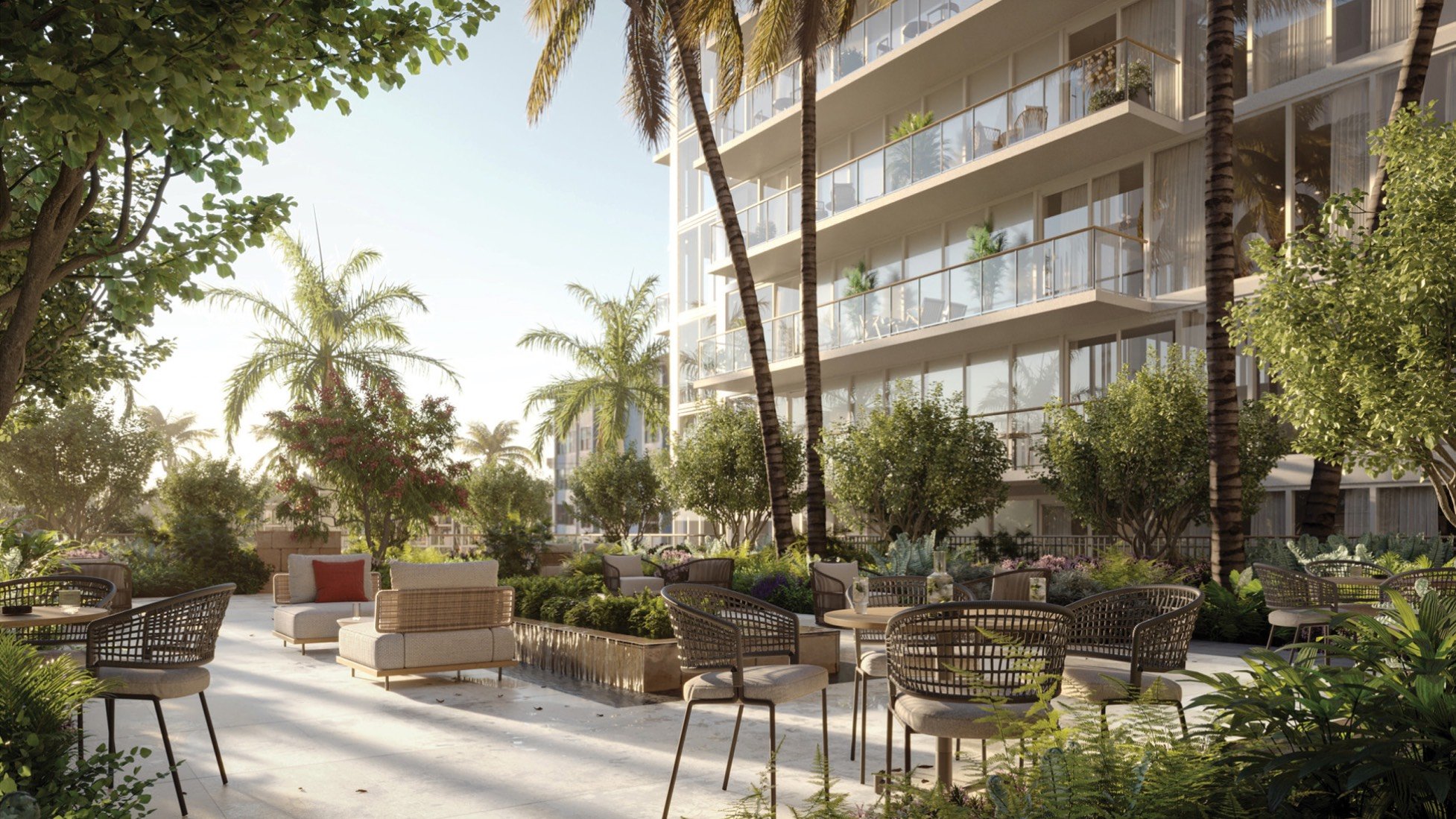
Balcony exposure is often where households first register privacy. A balcony that appears open in a rendering may feel different when measured against neighboring windows, adjacent terraces, or shared outdoor areas. Buyers should ask how the balcony relates to the rest of the building stack and to any neighboring structures visible from that exposure.
The most useful question is not simply, “What is the view?” It is, “Who can see this space while we are using it?” Morning coffee, children playing outside, a quiet dinner, or a late-evening conversation may each create a different sensitivity to visibility. A terrace can function as an extension of the interior, but only if its relationship to nearby sightlines feels comfortable for the household using it.
Interior rooms deserve the same attention. Bedroom windows are especially important because their privacy expectations are higher than those of a living room or foyer. If a primary suite, secondary bedroom, or guest room faces another residential elevation, the household should understand how close that neighboring condition is and whether window treatments will be a design preference or a daily necessity.
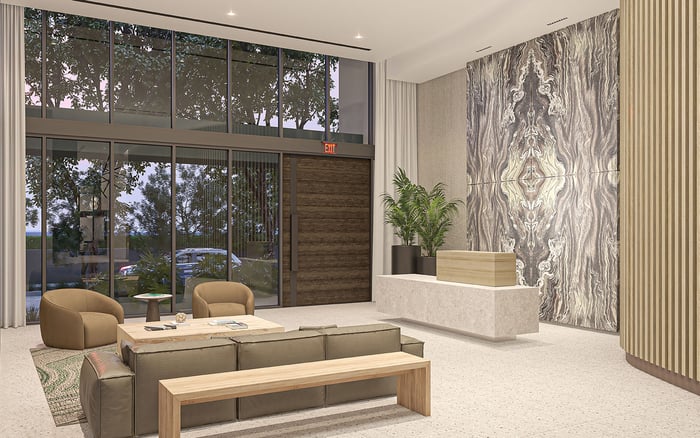
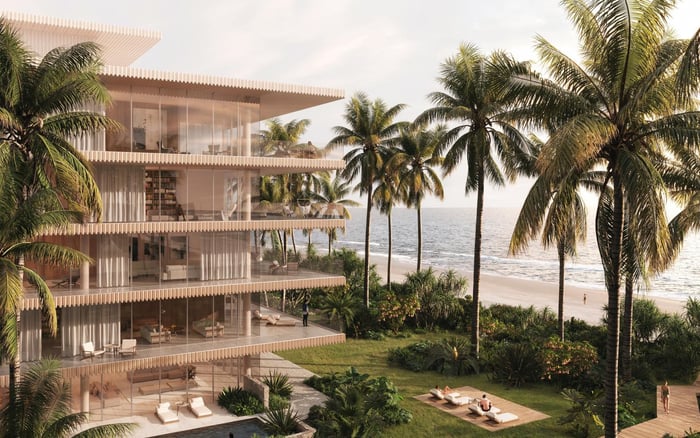
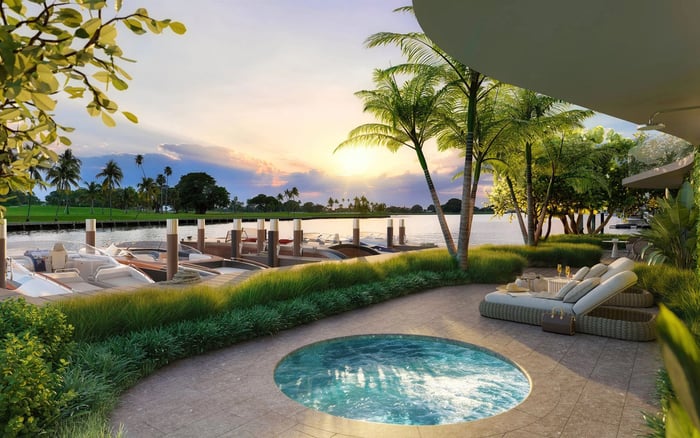
Renderings can help buyers understand orientation, massing, and the intended mood of a project, but they should not be treated as a substitute for unit-specific review. For The Well Bay Harbor Islands, the prudent approach is to request the exact floor plan, stacking plan, balcony orientation, and any available site-plan or neighboring-parcel context before drawing conclusions about privacy.
A stacking plan can reveal whether a preferred residence sits above, below, or beside outdoor amenities, neighboring terraces, mechanical areas, or other residences with direct visual angles. A floor plan can clarify whether the most private rooms are placed along a quieter exposure or toward a more visible side of the building. Together, these materials tell a more nuanced story than a general project overview.
For a Bay Harbor buyer, the key is to examine the immediate residential context rather than relying on broad neighborhood impressions. Bay Harbor Islands is valued by many households for its scale and residential feel, but sightlines remain intensely specific. The difference between one line and another can be meaningful, even within the same building.
Pool-deck visibility is a subtle but important part of privacy review. A pool area may be beautifully composed as an amenity, yet residences facing it may experience more movement, conversation, and evening lighting than homes oriented elsewhere. This is not inherently negative. Some households enjoy the energy of an amenity outlook, while others prefer a calmer, less observed setting.
The nighttime test is particularly revealing. Glass behaves differently after dark, especially when interiors are illuminated. A living room that feels private during daylight may become more exposed in the evening. Buyers should ask how a residence is expected to relate to adjacent buildings and common areas after sunset, including whether nearby exterior lighting, corridor lighting, or amenity activity may affect the feel of the home.
A water view can be emotionally powerful, but it should not distract from the inward privacy question. The best due diligence looks both ways: what the household sees, and what nearby residents, guests, or passersby may potentially see back.
Sightline sensitivity varies by household. A couple using the residence seasonally may prioritize outdoor entertaining and open living areas. A family with children may focus on bedroom exposure, play areas, and whether window coverings will be needed throughout the day. A household with frequent guests may care about the privacy of secondary bedrooms and bathrooms. A remote professional may study how a work area reads from neighboring windows during video calls or evening hours.
This is where luxury becomes personal. Privacy is not an abstract feature. It is the ability to move naturally through the home without feeling staged, watched, or overly dependent on shades. The right residence will feel composed in ordinary moments, not only during a polished showing.
Households should also consider furniture placement. A dining table, desk, bed, or seating group placed along a glass line can change the privacy experience. When reviewing a plan, imagine the actual life inside it: where the family gathers, where guests sleep, where children drift after school, and where lights remain on longest.
Before assuming a residence delivers the desired balance of openness and discretion, buyers should request the exact unit line, floor height, balcony orientation, floor plan, stacking plan, renderings, and any available neighboring-building context. These materials help clarify what is visible from the residence and what may be visible into it.
It is also wise to separate current conditions from future assumptions. Without specific confirmation, buyers should avoid relying on broad ideas such as protected privacy, unobstructed views, or permanent openness. In a sophisticated purchase, comfort comes from verified materials and careful questions, not from general impressions.
The most refined choice is often not the most dramatic view. It is the residence whose outlook, exposure, indoor layout, and outdoor spaces align with how the household actually lives. At The Well Bay Harbor Islands, neighbor sightlines should be approached as a practical design and lifestyle evaluation, not a single yes-or-no answer.
Are neighbor sightlines the same as views? No. Views describe what residents see outward, while privacy sightlines describe what others may be able to see inward.
Should buyers evaluate sightlines by building or by residence? Residence-level review is essential. Unit line, floor height, balcony placement, and nearby context can all change the experience.
What materials should a household request? Ask for floor plans, stacking plans, balcony orientation, renderings, and any available neighboring-parcel or site-plan context.
Why are bedrooms especially important? Bedrooms carry a higher expectation of privacy, so window exposure and proximity to neighboring buildings deserve close attention.
Can a residence have a good view but limited privacy? Yes. An appealing outward view can coexist with inward exposure from adjacent residences, amenity areas, or nearby buildings.
Should pool-facing residences be evaluated differently? Yes. Pool-facing homes may have more activity, lighting, and visibility, which some households welcome and others prefer to avoid.
Why does nighttime lighting matter? Interior lighting can make rooms more visible after dark, changing how private a residence feels compared with daytime conditions.
Do renderings guarantee privacy conditions? No. Renderings are useful for orientation and design context, but buyers should verify privacy at the specific residence level.
Is higher always more private? Not necessarily. Higher floors may reduce some exposures, but sightlines still depend on neighboring buildings, angles, and glass placement.
What is the best way to compare two residences? Compare how each home handles daily routines, including balcony use, bedroom privacy, guest spaces, work areas, and evening light.
When you're ready to tour or underwrite the options, connect with MILLION.
If branded residences are on your mind — as a home or as an allocation — we would be glad to share what we are seeing, privately.
Begin a quiet conversation