A discreet buyer’s guide to evaluating three distinct South Florida luxury residential propositions through brand, design, governance, lifestyle fit, and exit discipline.

For South Florida’s most sophisticated buyers, due diligence is not a defensive exercise. It is a form of taste management. The right questions protect capital, but they also clarify whether a residence will support the life the buyer actually intends to live.
That distinction matters when evaluating three very different luxury propositions: 619 Residences by Foster + Partners + Nobu Hospitality, Faena House Miami Beach, and The Ritz-Carlton Residences® Palm Beach Gardens. Each name carries its own associations, but a prudent buyer should separate reputation from residential reality. Architecture, service, governance, privacy, and resale depth all deserve independent review.
The starting point is not whether a property is impressive, but whether it is coherent. A residence can be beautiful and still be mismatched to a buyer’s household rhythm, guest patterns, staffing needs, or holding horizon.
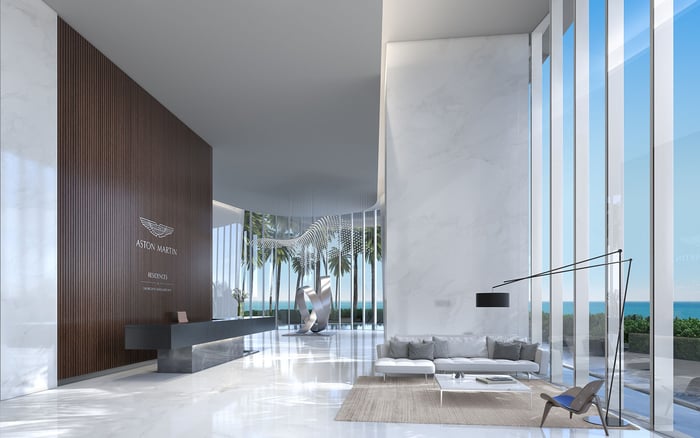
Branded Residences can offer a powerful shorthand. A name may suggest service discipline, design authorship, hospitality sensibility, or cultural cachet. Yet the legal and practical structure behind the brand is what determines the lived experience.
Buyers should ask who controls service standards, how long the brand relationship is intended to last, what happens if standards change, and which costs support the branded experience. It is also important to review whether the brand is expressed through design, staffing, food and beverage programming, wellness, concierge service, or simply identity.
At the highest end of the market, the brand should not feel like ornament. It should be legible in arrival, privacy, staffing, maintenance, communication, and the quality of shared spaces. If the brand is hospitality-led, buyers should understand where hospitality begins and where private residential governance takes precedence.
Design & Architecture diligence should focus on what will age well. In ultra-prime South Florida, buyers often respond first to glass, views, terraces, proportions, and arrival sequences. The deeper question is whether the residence has architectural discipline that will remain desirable beyond a single market cycle.
For 619 Residences by Foster + Partners + Nobu Hospitality, the due-diligence lens should include how design authorship and hospitality influence daily living. A buyer may want to understand the balance between private residence and social energy, between architectural statement and operational calm, and between dramatic identity and long-term livability.
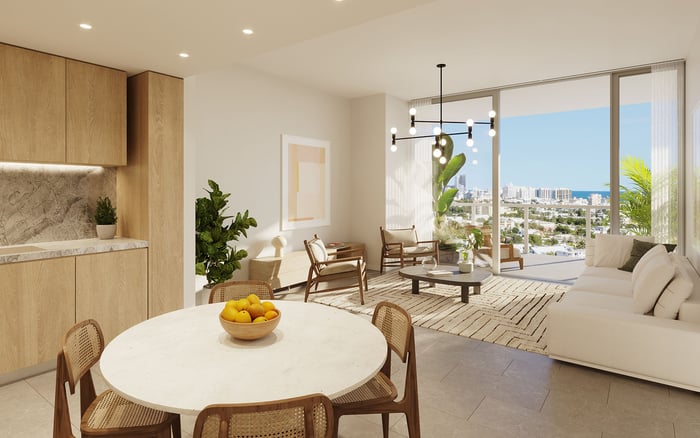
Plans, ceiling conditions, kitchen functionality, service access, storage, elevator experience, acoustic separation, and natural light should be reviewed with the same seriousness as finishes. A residence that photographs beautifully but complicates daily routines may not be the stronger choice for an owner who values discretion and ease.
Miami Beach is never only a location. It is a lifestyle filter. Buyers evaluating Faena House Miami Beach should consider how the building’s identity aligns with their appetite for visibility, cultural proximity, design character, and beach-area living.
A Miami Beach residence can be compelling for owners who want a recognizable address and immediate access to a distinctive coastal setting. Still, due diligence should include the building’s rules, guest policies, delivery protocols, staff access, valet procedures, renovation controls, noise management, and the way residents actually use common areas.
For an existing building, condominium documents, reserve posture, maintenance history, insurance structure, and board culture are central. A polished lobby is not a substitute for strong governance. The most elegant ownership experience is often created by a quiet alignment between residents, management, and the building’s financial discipline.
Palm Beach Gardens invites a different set of questions. Buyers drawn northward often place greater weight on daily ease, household routine, privacy, access to preferred clubs, boating, golf, family networks, or a less urban cadence. The property should be evaluated through that lens.
A buyer should ask how the setting supports morning, evening, and weekend patterns. Is the residence meant to be a primary home, a seasonal base, or a lock-and-leave retreat? Will guests arrive frequently? Will the owner need staff coordination, storage, pet accommodations, or a predictable service environment?
Palm Beach Gardens also requires attention to regional fit. The buyer is not only purchasing a residence, but choosing a rhythm within northern Palm Beach County. The strongest decisions reconcile design, brand, and location with the practical ways the household expects to move through the week.
Luxury buyers often scrutinize purchase price and underweight ownership structure. That is a mistake. Carrying costs, assessment risk, insurance, reserves, maintenance obligations, association rules, and branded-service fees can shape the true cost of ownership more meaningfully than a negotiation at contract.
Legal review should confirm what is owned, what is limited common element, what is licensed, and what is subject to change. Parking, storage, terraces, cabanas, marina-related privileges, pet policies, rental rules, guest access, and renovation procedures should be understood before a buyer becomes emotionally committed.
Resale is equally important. Even buyers with no immediate plan to sell should consider future liquidity. The best residences have a clear audience: the design buyer, the service buyer, the beach buyer, the privacy buyer, the seasonal buyer, or the primary-home buyer. Ambiguity can be expensive.
The strongest purchase is rarely the one with the most recognizable name alone. It is the one where architecture, location, service, governance, and private life reinforce each other. A buyer comparing these three properties should not ask which is most glamorous. The better question is which residence will feel inevitable after the closing.
That answer usually emerges through disciplined comparison: brand substance, building culture, quality of documents, service clarity, operating costs, privacy, and future demand. In South Florida’s luxury market, due diligence is not the opposite of desire. It is how desire becomes intelligent.
What is the first due-diligence question for a luxury condominium buyer? Begin with fit. The residence should align with how the owner lives, entertains, travels, staffs the household, and plans to hold the asset.
Why do Branded Residences require extra review? Buyers should understand how the brand is governed, funded, operated, and protected over time. The name is only one part of the ownership experience.
How should a buyer evaluate Design & Architecture? Look beyond visual impact and study proportions, light, storage, acoustics, circulation, service access, and how the residence will age.
Is Faena House Miami Beach best evaluated as a lifestyle purchase? Lifestyle is central, but governance, costs, privacy, and resale depth should carry equal weight in the final decision.
What matters most at The Ritz-Carlton Residences® Palm Beach Gardens? Buyers should focus on whether the setting, service expectations, and daily rhythm suit their intended use of the residence.
How should buyers compare an established building with a newer offering? Review each through its own risk profile. Existing buildings reveal operating culture, while newer offerings require close attention to documents and delivery expectations.
Which documents deserve the closest review? Condominium declarations, budgets, reserves, insurance summaries, rules, service agreements, and purchase contracts all deserve careful legal review.
Are carrying costs as important as purchase price? Yes. Monthly costs, assessments, insurance exposure, and service fees can meaningfully affect long-term ownership quality.
Should resale be considered even for a long-term home? Yes. A clear future buyer audience helps protect liquidity, even if the owner expects to hold for many years.
What is the best final test before signing? Ask whether the residence still feels right after reviewing documents, costs, rules, privacy, and daily routines.
For a discreet conversation and a curated building-by-building shortlist, connect with MILLION.
If branded residences are on your mind — as a home or as an allocation — we would be glad to share what we are seeing, privately.
Begin a quiet conversation