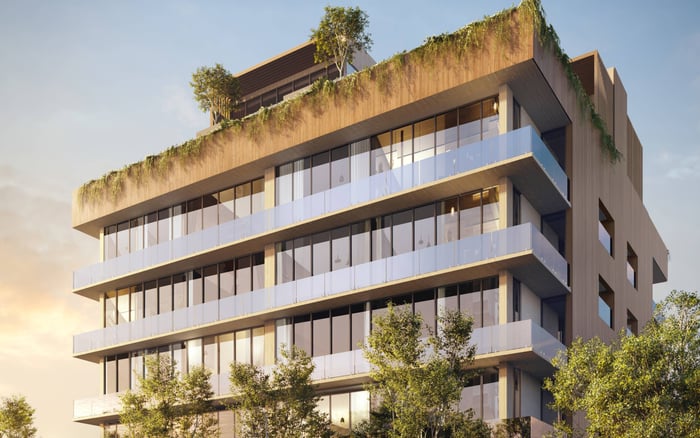
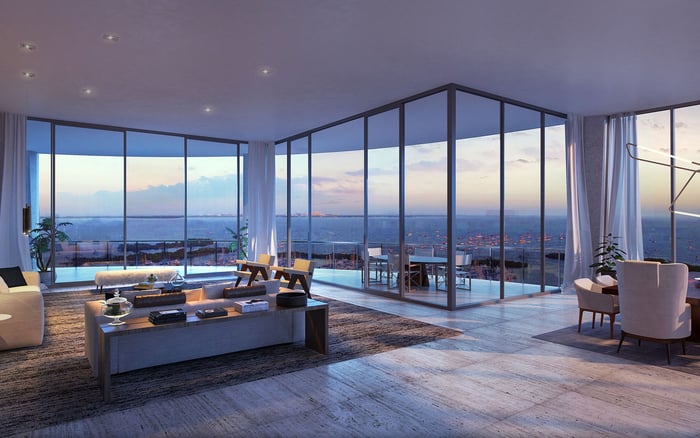
A discreet buyer’s guide to evaluating boutique residences on Grove Isle, from floor plan discipline and waterfront privacy to service culture, reserves, access, and long-term livability beyond the view.
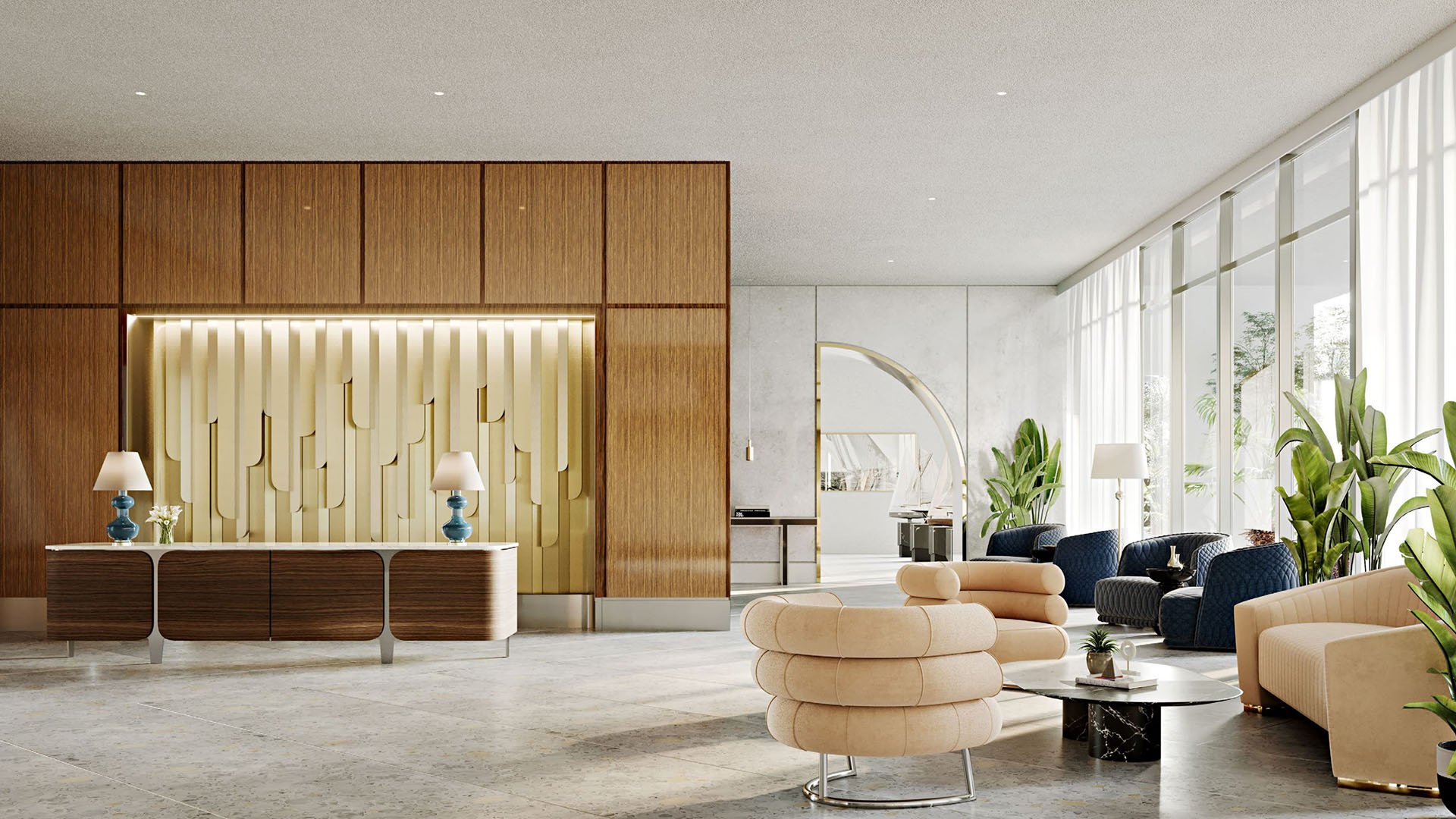
The first impression on Grove Isle is almost always visual. Water softens the edge of the day, the skyline becomes a moving composition, and a bay-facing room can feel resolved before a buyer has asked a single practical question. That is exactly why disciplined evaluation matters.
A view can justify attention, but it should not justify a purchase on its own. In a boutique residence, the premium is not only in what the eye sees. It is in how the home lives when guests arrive, when the weather changes, when the owner returns from travel, and when the panorama becomes part of the daily routine. The best Grove Isle purchase is not necessarily the one with the most immediate drama. It is the one where architecture, privacy, operations, and context continue to hold value after the view has become familiar.
A serious buyer should read the floor plan before falling for the terrace. The essential questions are simple. Does the entry create a true moment of arrival, or does it spill directly into the main living room? Are bedrooms separated with intention? Can service, storage, laundry, and deliveries function without disturbing the public rooms? Is there a natural place for art, books, work, and dining, or is every wall surrendered to glass?
Waterfront homes often trade wall space for spectacle. That can be beautiful, but it can also weaken livability if the plan lacks discipline. A residence should allow for different moods during the day: open entertaining, quiet retreat, shaded reading, and a proper evening setting. In Coconut Grove, where buyers often value privacy and a softer residential rhythm, the best interiors feel composed rather than staged.
This is where comparing nearby projects can be useful, not because they are interchangeable, but because they sharpen the eye. A buyer considering Vita at Grove Isle should also understand how contemporary Grove design expresses space, service, and outdoor living across the broader neighborhood.
Waterfront living can feel private, but privacy is a layered condition. It depends on approach, lobby experience, sightlines from neighboring buildings, terrace exposure, elevator access, amenity placement, and the way staff and residents move through the property. A residence may feel secluded from the living room and surprisingly exposed from the primary terrace. Another may have a quieter view corridor, yet offer a stronger sense of retreat.
Ask how the home performs in the morning, at sunset, and at night. Glare, reflections, neighboring lights, and boating activity can change the emotional tone of a space. Waterview value is not simply about width. It is about comfort, orientation, and the ability to inhabit the scene without feeling on display.
The highest test is discretion. If a home allows a dinner party to feel glamorous and a weekday morning to feel protected, it is doing something rare.
Boutique buildings succeed when the service model is proportionate. Too little service makes ownership feel laborious. Too much, or the wrong kind, can erode the quiet character buyers came to Grove Isle to find. The right balance feels anticipatory rather than theatrical.
Before committing, understand how arrivals are handled, how guests are announced, how packages and vendors move, how maintenance requests are managed, and how amenity access is controlled. In a smaller residential environment, every operational weakness is more visible. The lobby is not merely a room. It is the building’s handshake.
Compare this with the service expectations set by larger luxury addresses in the Grove, such as Four Seasons Residences Coconut Grove. A boutique Grove Isle residence should not try to mimic every element of a grander service platform. It should deliver a more intimate version of the same principle: confidence without noise.
Amenities are often presented as lifestyle promises. A more useful question is whether they reduce friction. Does the fitness space fit the way residents actually train? Are outdoor areas placed for shade and comfort, not merely photography? Is the pool environment serene at the hours an owner is likely to use it? Are private dining, wellness, pet, storage, and parking arrangements aligned with the needs of full-time residents as well as seasonal owners?
The most valuable amenities in a boutique waterfront residence are not always the most elaborate. They are the ones that make ownership feel effortless. A well-managed arrival sequence, a calm pool deck, secure parking, thoughtful storage, and a graceful place to host overflow guests can matter more than a long menu of rarely used spaces.
The Grove’s residential vocabulary is broad. Projects such as Mr. C Tigertail Coconut Grove and Park Grove Coconut Grove can help buyers calibrate how different buildings interpret lifestyle, hospitality, and scale in the same general market.
A Grove Isle residence should be judged not only from the balcony, but from the driver’s seat and the front door. Consider the rhythm of daily errands, school runs, airport access, dining, boating, wellness appointments, and evening plans. A beautiful home that complicates daily movement may feel less luxurious over time than a slightly quieter one that fits the owner’s habits.
The Grove’s appeal is partly emotional: mature streets, a village sensibility, access to the bay, and a less corporate cadence than denser urban districts. But a buyer should convert that feeling into practical questions. How often will you want to leave the island setting? How do guests arrive? Is the residence suited to year-round living, or mainly to seasonal escape? Does the building support pets, staff, storage, and visitors in a way that matches your household?
This practical testing protects the purchase from becoming a postcard decision.
Even when the architecture is persuasive, the underlying building should be read carefully. Review association structure, maintenance expectations, insurance posture, reserve planning, rules, rental limitations, capital projects, and the tone of governance. In boutique properties, a small ownership group can create intimacy, but it can also magnify disagreements if expectations are not aligned.
A strong building culture is visible in small details: clean service corridors, calm staff, clear communication, orderly parking, consistent landscaping, and residents who appear comfortable rather than transient. Luxury is not only marble, glass, and water. It is the absence of avoidable inconvenience.
For buyers who love new design but want to remain grounded in the Grove, Arbor Coconut Grove offers another point of comparison for scale, neighborhood fit, and the relationship between architecture and daily ease.
Before making an offer, visit at less glamorous hours. See the residence on a cloudy day. Walk the amenity areas when they are not staged. Stand in the primary bedroom in silence. Open closets. Listen to how sound carries. Notice where you would put keys, luggage, flowers, and a dinner for eight.
Then ask the most revealing question: if the view disappeared for a moment, would the home still feel intelligent, private, and complete? If the answer is yes, the view becomes an enhancement rather than a dependency. That is the standard a Grove Isle boutique residence should meet.
What should I evaluate first in a Grove Isle boutique residence? Start with the floor plan, privacy, service model, and daily access. The view matters, but it should support a strong residence rather than disguise a weak one.
Is the best Waterview always the widest one? Not necessarily. Comfort, orientation, glare, terrace exposure, and privacy can be more important than sheer visual breadth.
Why does Boutique scale require extra diligence? Smaller buildings can feel intimate and refined, but operations, governance, and resident expectations become more visible. Alignment matters.
How should I compare Grove Isle with other Coconut Grove residences? Use nearby buildings to calibrate service, amenities, architecture, and pricing logic. The goal is not imitation, but sharper judgment.
What makes Waterfront privacy different from ordinary privacy? Waterfront homes must balance openness with exposure. Terrace sightlines, neighboring lights, and arrival sequences all affect the sense of retreat.
Should amenities influence the decision strongly? Yes, if they reduce friction and fit your actual routine. Prioritize spaces and services you will use often.
How important is building culture? Very important. Staff consistency, maintenance quality, rules, and resident behavior shape the ownership experience long after closing.
Can a dramatic view hide layout problems? It can. Buyers should confirm storage, bedroom separation, service access, wall space, and acoustic comfort before assigning full value.
Is a Grove Isle residence better for seasonal or full-time living? That depends on the specific home and building operations. Test the property against your real calendar, not just vacation habits.
What is the simplest final test before buying? Ask whether you would still want the residence on a gray day. If the answer is yes, the view is a bonus, not the whole argument.
When you're ready to tour or underwrite the options, connect with MILLION.
If branded residences are on your mind — as a home or as an allocation — we would be glad to share what we are seeing, privately.
Begin a quiet conversation