A refined guide for California buyers considering Rivage Bal Harbour as a quieter, service-rich South Florida base centered on oceanfront living, privacy, daily convenience, and long-term lifestyle design.
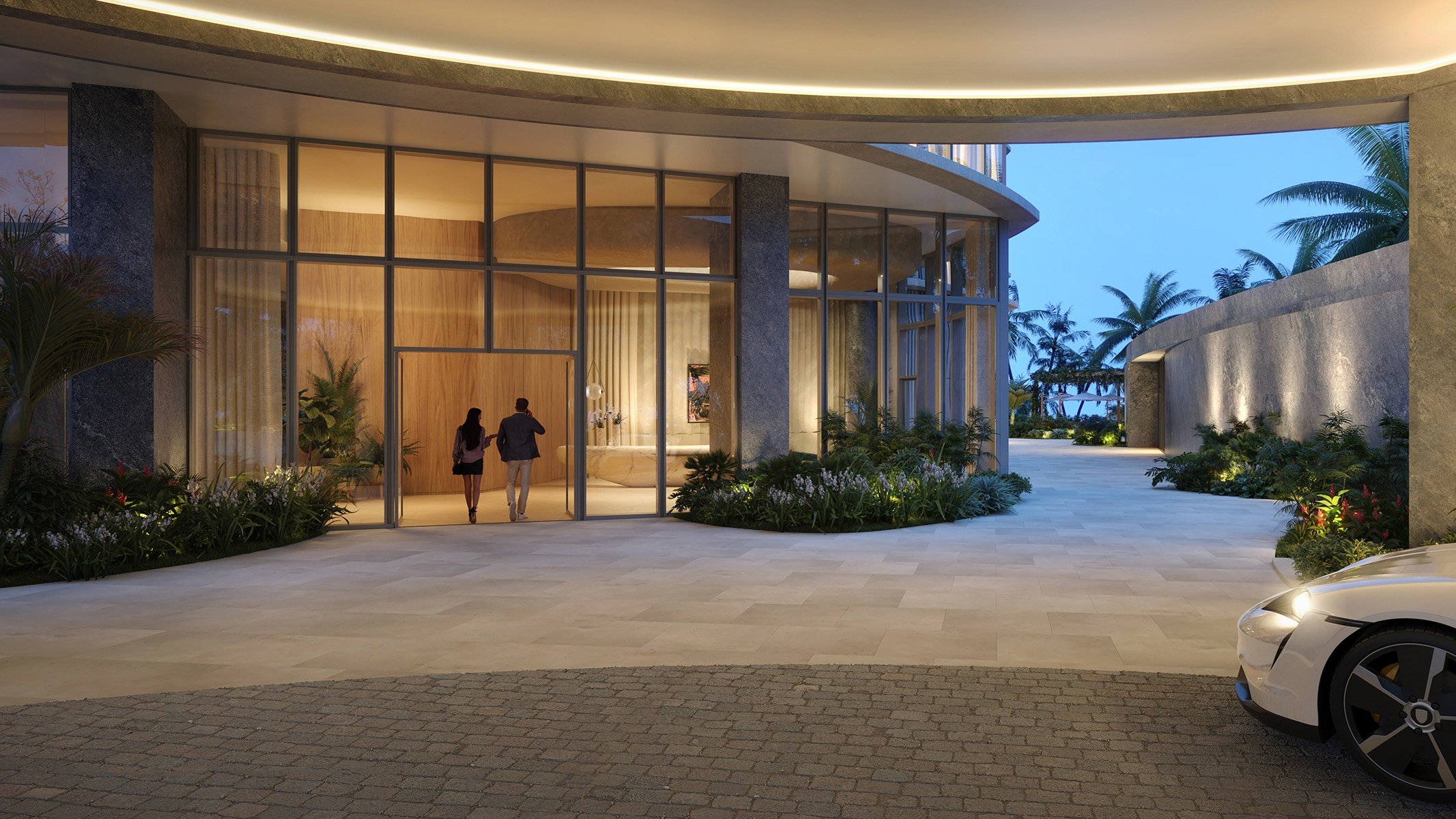
For affluent California buyers, a move to Bal Harbour is rarely about discovering coastal life for the first time. The Pacific has already shaped expectations around light, privacy, architecture, wellness, and the subtle rituals of living near water. The question is more precise: can South Florida offer a coastal life that feels more intentional, less dispersed, and more service-oriented?
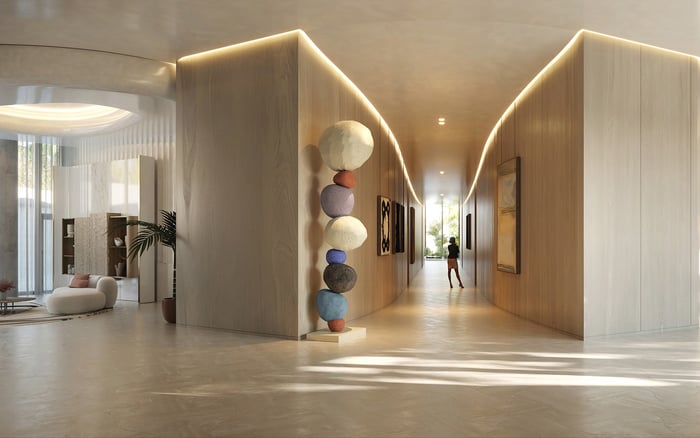
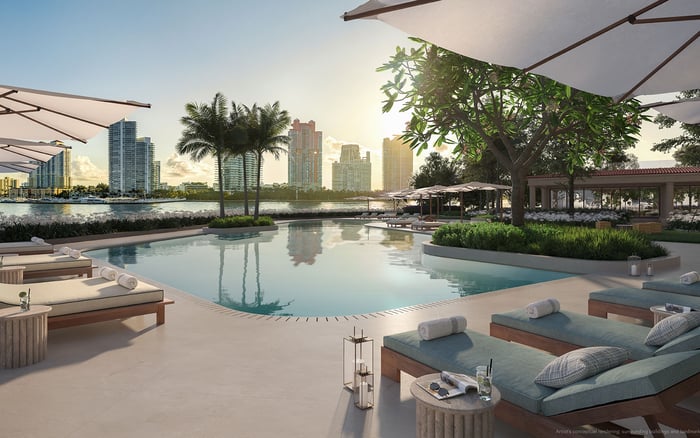
That is where Rivage Bal Harbour becomes a compelling lens. Positioned as an Oceanfront condominium community in Bal Harbour, it speaks to buyers who are not simply changing addresses. They are redesigning the architecture of daily life around climate, culture, wellness, privacy, convenience, and wealth preservation.
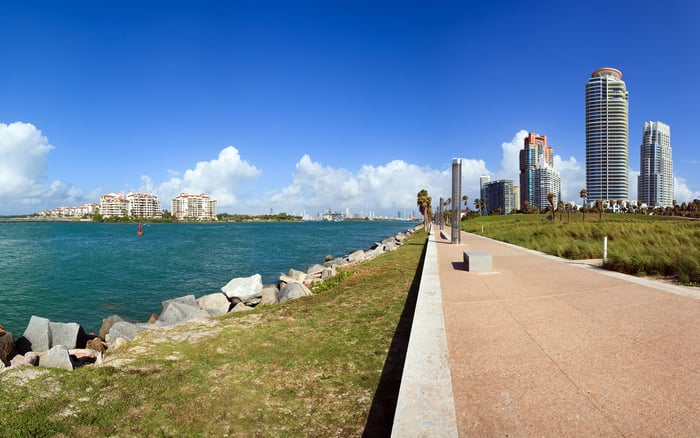
California coastal ownership often comes with a wide geography. Home, club, restaurant, school, airport, office, and beach can all feel separated by time and traffic. Bal Harbour proposes a different cadence: a compact village environment where the residential experience, the sand, luxury shopping, dining, and the wider Miami to Fort Lauderdale corridor sit closer together.
Bal Harbour is not trying to be a sprawling suburb, a dense financial district, or a nightlife-driven resort address. Its appeal is more restrained. The village is small-scale, polished, and deliberately coastal, with a luxury identity that feels quieter than many better-known Miami neighborhoods.
For California buyers accustomed to Malibu, Newport Beach, La Jolla, Montecito, or the Palisades, that compactness can be the point. Instead of building life around long drives and separately managed households, Bal Harbour offers the possibility of compressing daily geography. A morning by the ocean, an afternoon appointment, a dinner reservation, and a return to a private residence can all feel less fragmented.
This is why the Bal Harbour decision should be viewed less as escape and more as editing. The buyer is not giving up coastal sophistication. The buyer is removing friction from it.
The most relevant way to evaluate Rivage Bal Harbour is not only as real estate. It is a platform for a more structured way of living. For many California owners, the transition from a single-family coastal estate to a service-rich condominium environment can represent a meaningful shift in how time is protected.
A private home can offer control, but it can also require constant orchestration. Staffing, maintenance, security, vendors, seasonal preparation, and daily logistics often become part of the ownership experience. A refined condominium model can shift that equation by placing services and amenities closer to the residence itself.
That does not mean every buyer wants less space or less privacy. It means the definition of luxury evolves. Privacy becomes more curated. Wellness becomes easier to schedule. Travel becomes less disruptive. A residence becomes not just a place to stay, but a base that supports a more deliberate rhythm.
For this reason, Rivage Bal Harbour belongs in the conversation for buyers who want the oceanfront experience without recreating the operational complexity of a large West Coast property.
Many California buyers arrive with a deeply developed sense of home. They understand view corridors, outdoor rooms, light quality, materials, and the value of quiet. What may feel new is the appeal of a vertical coastal residence where the building itself carries more of the day-to-day burden.
That shift is not purely practical. It can be emotional. A well-chosen condominium can become a lock-and-leave primary base, a second-home anchor, or a long-term residence strategy that accommodates travel, family, and work with fewer points of failure.
Within the broader Bal Harbour and Surfside market, buyers may naturally compare established and emerging coastal addresses. Oceana Bal Harbour can enter the discussion for those studying the immediate village context, while The Delmore Surfside offers a nearby reference point for buyers considering the quieter northern edge of the Miami Beach barrier island environment.
The goal is not to collect options indiscriminately. It is to identify which residential format best supports the life the buyer wants to live next.
For some California buyers, Miami’s energy is attractive but not always desirable as a front-door experience. Bal Harbour provides proximity without requiring constant immersion. It remains connected to the Miami to Fort Lauderdale luxury corridor, yet its daily atmosphere can feel more discreet and residential.
That distinction matters for principals who divide time among New York, California, Europe, and South Florida. The residence must do more than impress guests. It must reduce decision fatigue, support recovery, provide privacy, and keep the owner connected to broader cultural and wealth-management networks.
South Florida should not be reduced to a tax conversation. For sophisticated buyers, it is increasingly an East Coast luxury base with access to international travel patterns, private banking relationships, art, design, hospitality, and a year-round outdoor lifestyle. The stronger argument is not simply financial. It is strategic.
Buyers who still want a Miami Beach reference point may consider 57 Ocean Miami Beach as part of a broader coastal comparison, but Bal Harbour’s distinction is its smaller, more intentional village scale.
A California buyer should begin with rhythm. How many months will be spent in South Florida? Will the residence serve as a primary home, seasonal base, family gathering point, or travel-efficient alternative to a larger estate? The answer should shape the entire search.
Next, consider service expectations. A buyer leaving a fully staffed residence may want continuity and discretion. A buyer leaving a more self-managed home may want simplification. In both cases, the condominium environment should be evaluated for how it supports privacy, wellness, guest hosting, security, and ease of departure.
Then evaluate geography. Bal Harbour is compact by design, which can be a virtue for buyers who want beach access, refined dining, shopping, and residential quiet in a compressed daily map. Buyers who prefer a more urban cadence may look south toward Miami Beach or inland toward Brickell, while those prioritizing a more estate-like island atmosphere may study Fisher Island or other enclave markets.
Finally, examine long-term intention. Rivage Bal Harbour is most compelling for buyers who see South Florida as part of a larger life system: West Coast relationships, East Coast business, international mobility, family anchoring, and wealth planning. This is not a generic New-construction search. It is a Lifestyle decision.
The strongest Rivage buyer is already fluent in luxury, but increasingly selective about time. They may have owned significant California real estate, traveled extensively, and built a network that requires movement rather than permanence in one place.
For that buyer, Bal Harbour offers a particular balance: oceanfront calm, village-scale luxury, proximity to Miami, and an environment that can feel polished without being performative. It is not the loudest choice in South Florida, which is precisely why it may resonate.
The decision is as much about life architecture as property selection. The residence should clarify the week, not complicate it. It should support work cadence, wellness, family visits, cultural access, and long-term residence strategy with quiet confidence.
Is Rivage Bal Harbour appropriate for California buyers already used to coastal living? Yes. It is best understood as a more service-rich oceanfront condominium option for buyers who already value the coast but want a more curated South Florida base.
How is Bal Harbour different from many California coastal communities? Bal Harbour offers a more compact village setting, which can make daily life feel less dispersed than in many car-dependent coastal markets.
Is this mainly a tax-driven move? It should not be viewed only that way. For many buyers, South Florida functions as an East Coast luxury base with lifestyle, travel, culture, and planning advantages.
Does Rivage Bal Harbour replace the idea of a single-family coastal estate? For some buyers, yes. It can offer a structured condominium alternative with services and amenities closer to the residence.
Who is the ideal Rivage Bal Harbour buyer? The ideal buyer values privacy, oceanfront living, convenience, wellness, and a calmer daily rhythm within reach of Miami’s broader luxury ecosystem.
Should buyers compare Rivage with nearby coastal projects? Yes. Nearby Bal Harbour, Surfside, and Miami Beach properties can help clarify whether the buyer prefers village quiet, resort energy, or urban proximity.
Is Bal Harbour suitable for a primary residence? It can be, particularly for buyers who want a compact luxury setting with beach access and a quieter residential atmosphere.
Can Rivage work as a second-home strategy? Yes. The condominium format may appeal to buyers who travel often and want a South Florida base that is easier to manage than a large estate.
What should California buyers prioritize first? Start with lifestyle rhythm, including time spent in Florida, travel needs, family use, wellness routines, and desired level of service.
Is Bal Harbour more discreet than busier Miami luxury districts? Generally, yes. Its appeal lies in a quieter, high-luxury coastal setting while remaining connected to the wider South Florida corridor.
To compare the best-fit options with clarity, connect with MILLION.
If branded residences are on your mind — as a home or as an allocation — we would be glad to share what we are seeing, privately.
Begin a quiet conversation