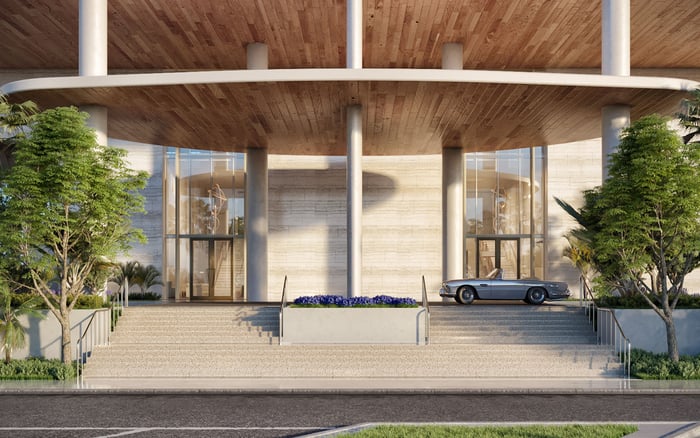
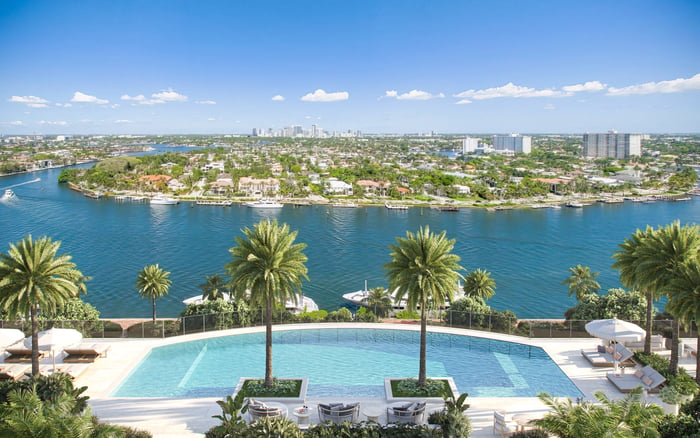
A buyer-focused comparison of The Well Bay Harbor Islands and Riva Residenze Fort Lauderdale through family amenity usability, teen-friendly gathering spaces, and guest-suite diligence.
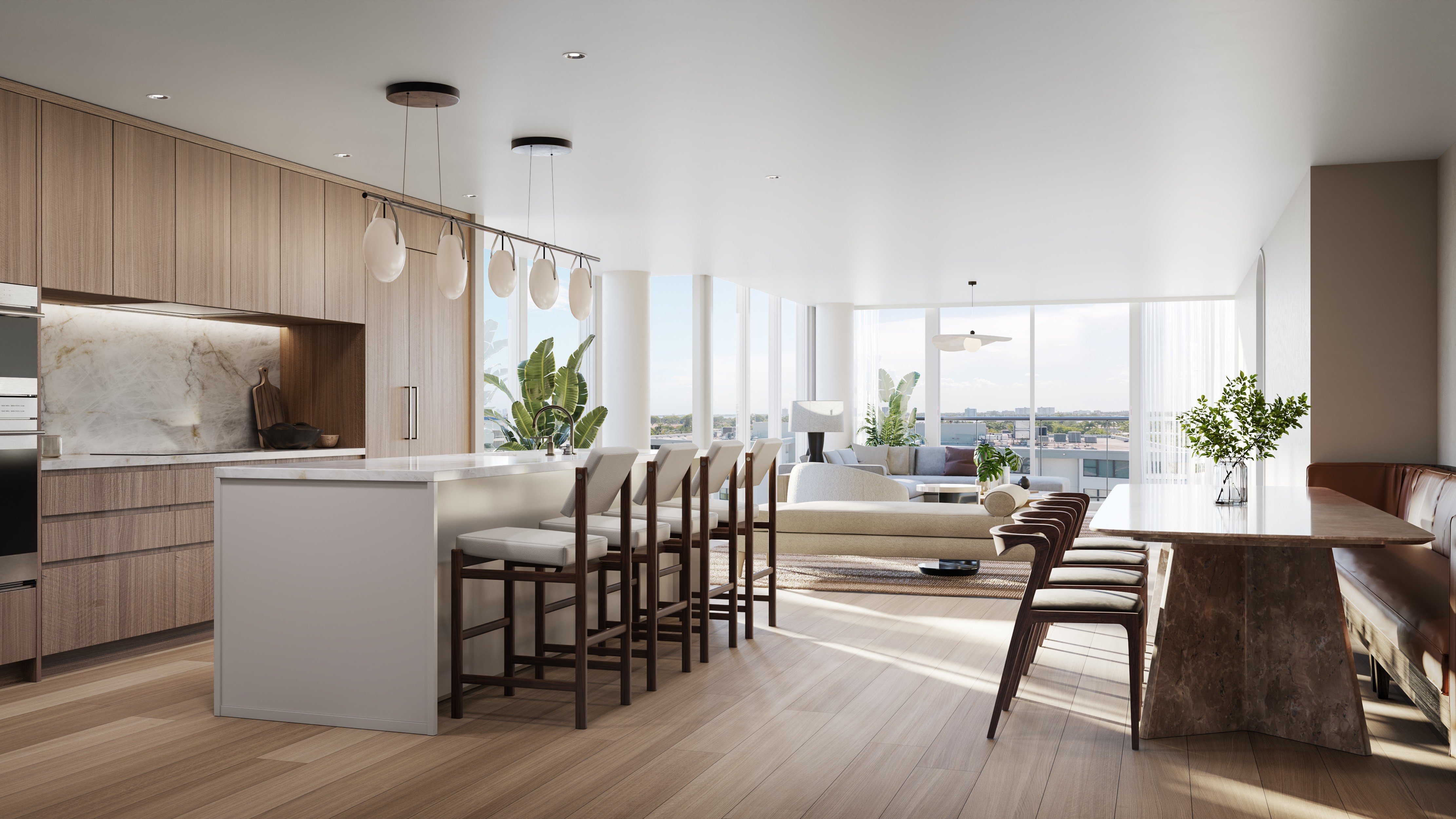
For affluent South Florida buyers, the question is rarely whether a new residential development lists amenities. The more revealing question is whether those amenities function for a household with different ages, routines, guests, tutors, caregivers, and visiting relatives. That is the useful lens for comparing The Well Bay Harbor Islands with Riva Residenze Fort Lauderdale.
Both properties belong in a family buyer’s South Florida comparison set, yet the practical review should look beyond polished presentation. A dramatic amenity deck, a serene lifestyle narrative, or a service-oriented lobby may appeal to parents, but the sharper test is operational: can children, teenagers, parents, grandparents, and guests use the building comfortably without constant off-site planning?
That distinction matters when a residence is expected to perform during school weeks, holiday stays, and extended family visits. The goal is not to declare one project universally better, but to identify which building’s rules, spaces, and routines fit a specific household.
For a household considering Bay Harbor Islands, the appeal of The Well Bay Harbor Islands should be evaluated through daily rhythms across generations. Parents may value calm common areas and wellness-oriented positioning, while younger children need safe, intuitive places to transition between home and activity.
Teenagers require something more nuanced: independence without isolation, privacy without being hidden, and social settings that do not feel like adult rooms temporarily borrowed by adolescents. The key buyer question is whether the amenity program provides practical adolescent social space beyond adult-focused luxury.
A family should ask whether any lounge, media, game, multipurpose, or recreation area is documented for teen-friendly use, and whether rules, hours, supervision expectations, and guest policies make those areas realistic after school or on weekends.
Guest accommodation is equally important. Families with grandparents, nannies, tutors, wellness practitioners, or friends visiting for more than a weekend should not assume that guest-suite access is automatic or unlimited. If guest suites are available, buyers should verify reservation priority, length-of-stay rules, fees, blackout periods, maximum occupancy, and whether access extends to relatives, caregivers, or other support relationships.
In Bay Harbor buyer files, it may also be sensible to compare the family rhythm of The Well with nearby boutique alternatives such as Alana Bay Harbor Islands, not to substitute one for the other, but to clarify what scale, service, and amenity depth mean for a particular household.
Riva Residenze Fort Lauderdale should be evaluated through the same lens, but with a Broward lifestyle context. For family buyers in Fort Lauderdale, the important question is whether the building’s daily program reduces friction rather than simply adding prestige.
The due-diligence question is whether amenities are designed for shared parent-child use or primarily for adult lifestyle appeal. A fitness or wellness component may serve parents well, but families should ask how younger residents fit into the building’s common life. Are recreational spaces suitable for different ages? Are there settings where a parent can comfortably spend time with a child, and separately, where a teen can meet friends without requiring an off-site club, café, or entertainment venue?
Teen functionality deserves particular attention. If project materials document game, media, lounge, or multipurpose social spaces, the buyer should go further and ask how those spaces are intended to operate. A room can exist on a plan and still be impractical if it is governed like a formal adult lounge, booked too frequently for private events, or located where teens feel unwelcome.
Guest-suite access at Riva Residenze Fort Lauderdale is also a family-use issue, not a decorative amenity. Buyers expecting frequent visiting relatives or support staff should confirm whether guest accommodations are included in the building program, how they are reserved, and whether their use is compatible with longer family stays. In Fort Lauderdale searches, some buyers may also benchmark service expectations against projects such as Four Seasons Hotel & Private Residences Fort Lauderdale, while recognizing that each building’s documents and rules govern the actual owner experience.
Teen spaces are often the most under-examined part of luxury residential due diligence. A beautiful pool, a fitness center, or an elegant residents’ lounge can be valuable, but none automatically answers the adolescent-use question. Teenagers need settings that are age-appropriate, socially acceptable, and convenient enough to become part of routine life.
The best buyer question is simple: where would a 14-, 16-, or 18-year-old actually spend time in this building? If the answer is unclear, the amenity package may be more adult-oriented than family-oriented. If the answer depends on rules that have not yet been finalized, the buyer should treat the issue as open until sales teams, condo documents, or amenity guidelines provide clarity.
For both The Well Bay Harbor Islands and Riva Residenze Fort Lauderdale, the teen-use test should include acoustics, visibility, device-friendly seating, food and beverage rules, hours of operation, guest limits, and whether the space can be used casually. A pool may attract families during the day, but teenagers often need evening or weekend gathering places that do not disrupt adult residents.
Guest-suite access can materially change how a residence lives. In South Florida, where extended family visits are common, the ability to host grandparents, adult children, tutors, caregivers, or wellness support can reduce pressure on the primary floor plan. It can also reduce dependence on nearby hotels during holidays and school breaks.
Still, buyers should avoid treating guest suites as a guaranteed extension of the apartment. The important details are operational. How far in advance can an owner reserve? Are there limits per month or per year? Are holiday periods restricted? Are pets allowed? Can a caregiver stay without the owner present? Are fees closer to nominal building charges or hotel-like rates?
These questions apply equally to both developments. The presence, absence, or policy structure of guest accommodations can influence the correct residence size, the number of bedrooms a family needs, and the value of flexible dens or staff-friendly layouts.
The most disciplined comparison is not The Well Bay Harbor Islands versus Riva Residenze Fort Lauderdale in the abstract. It is each building versus the household’s real weekly calendar. Families should map a typical school day, a rainy weekend, a holiday visit, and a week when a caregiver or tutor is present. Then they should ask whether the amenity program helps or complicates each scenario.
The Well Bay Harbor Islands may appeal to buyers who prioritize a wellness-led residential identity and want to test how that identity adapts to children, teens, parents, and guests. Riva Residenze Fort Lauderdale may appeal to buyers who place greater weight on convenience and the Fort Lauderdale lifestyle. Neither conclusion should be made from amenity breadth alone.
A private-school commute, a grandparent’s annual stay, a teenager’s social life, and a parent’s wellness routine can all point to different priorities. The correct purchase is the one whose rules, floor plans, and shared spaces support the family without requiring constant workarounds.
Is The Well Bay Harbor Islands automatically better for families because it emphasizes wellness? Not automatically. Buyers should confirm how its amenities serve children, teens, parents, and visiting relatives in practice.
Is Riva Residenze Fort Lauderdale primarily an adult lifestyle building? It should not be assumed either way. Families should review whether amenities support shared parent-child use and teen-friendly independence.
Why are teen spaces so important in luxury condo due diligence? Teenagers need practical places to gather that feel age-appropriate. Adult lounges and pools do not always serve that function.
Should buyers assume guest suites are available in either project? No. Guest-suite availability, access, fees, and reservation rules should be confirmed through sales teams and governing documents.
What should families ask about amenity rules? Ask about hours, guest limits, supervision, reservations, private events, and whether teens may use specific spaces independently.
Can amenities reduce reliance on off-site clubs and hotels? They can, but only if the amenities are accessible and practical for daily use. Policies matter as much as design.
How should buyers compare Bay Harbor Islands with Fort Lauderdale? Compare the household calendar first. School routines, guests, commute patterns, and weekend habits should guide the decision.
Are family amenities the same as children’s amenities? No. True family functionality includes children, teens, parents, caregivers, and extended relatives.
What documents should be reviewed before purchase? Buyers should review floor plans, condo documents, amenity rules, reservation policies, and any written guest-suite guidelines.
What is the main takeaway for family buyers? Separate lifestyle appeal from operational fit. The strongest building is the one that supports real family life with minimal friction.
For a confidential assessment and a building-by-building shortlist, connect with MILLION.
If branded residences are on your mind — as a home or as an allocation — we would be glad to share what we are seeing, privately.
Begin a quiet conversation