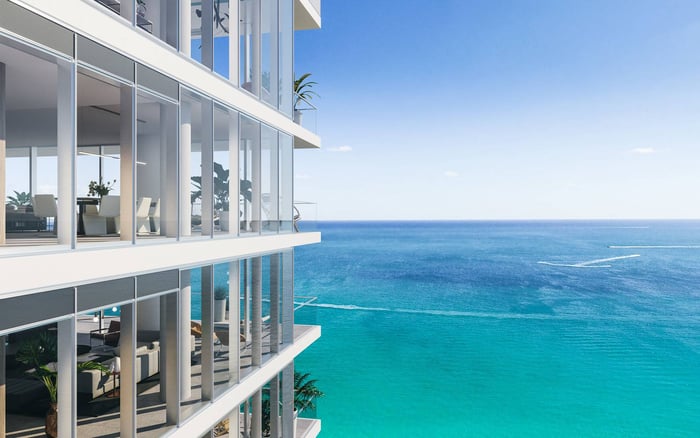
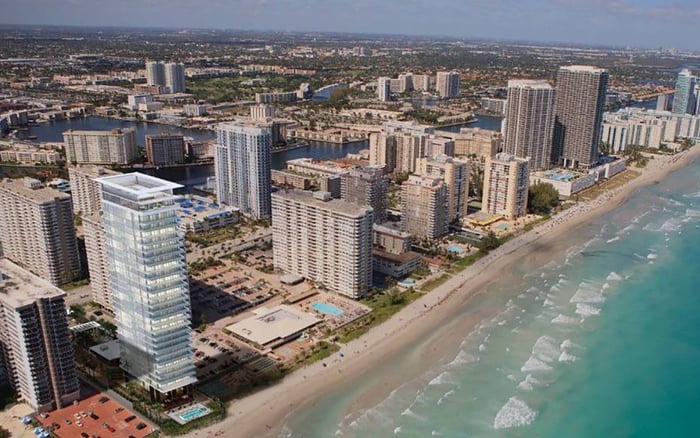
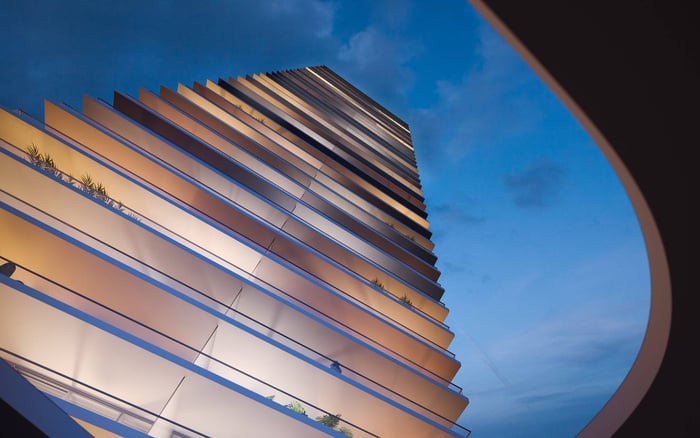
A buyer-focused look at 2000 Ocean in Hallandale Beach, examining how privacy, family-oriented amenities, and residential culture should be evaluated against real use patterns and long-term ownership goals.
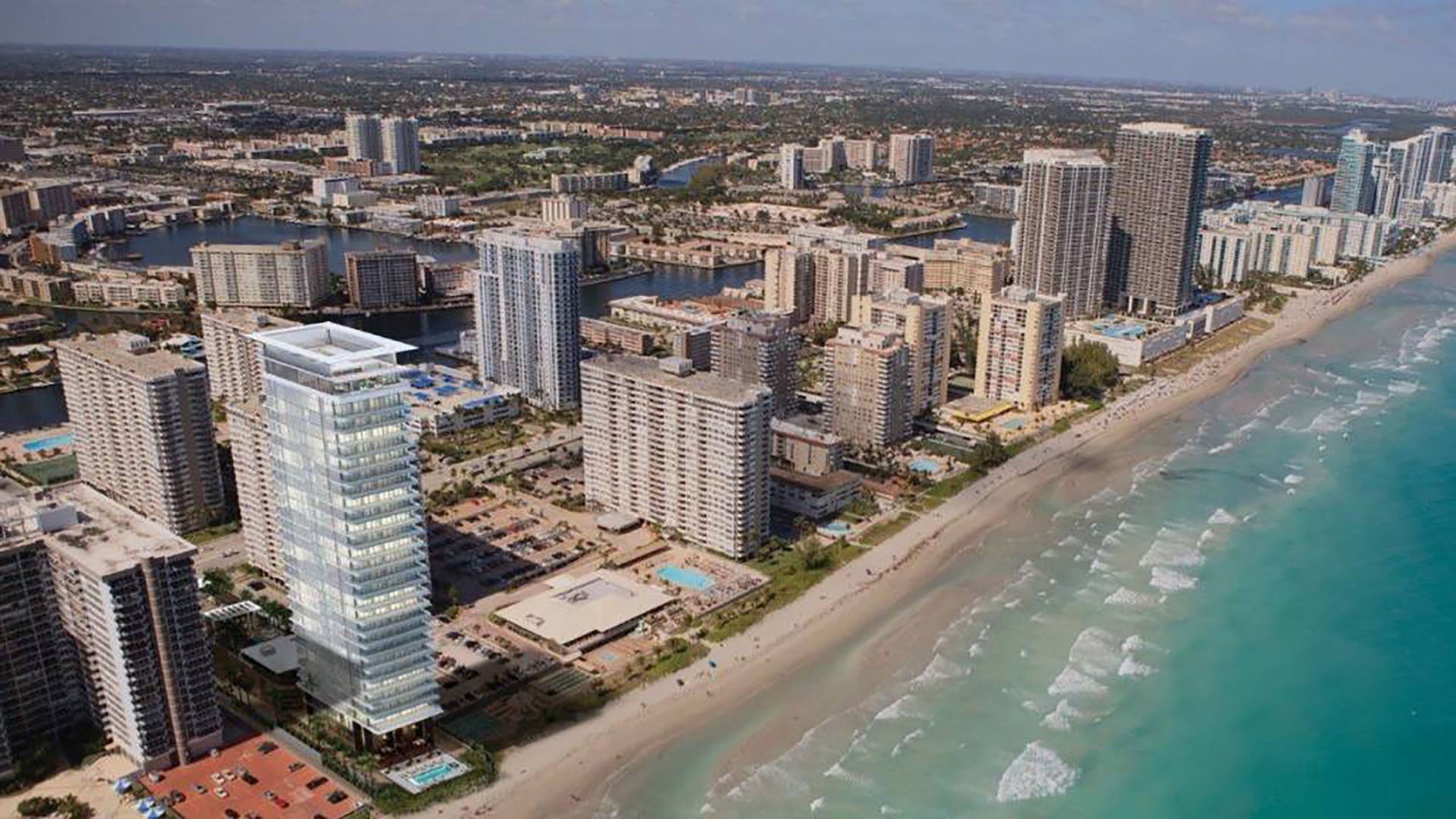
2000 Ocean Hallandale Beach occupies a distinct place in South Florida’s luxury conversation. It is not evaluated in the same way as a high-density urban condominium in the center of Miami’s most active districts. Buyers who focus on Hallandale often weigh privacy, comfort, service, and a calmer version of coastal life.
The more nuanced question is not whether the property carries the visual language of luxury. For many buyers, the more important issue sits beneath the design story. Does the building’s ownership culture support the family-amenity narrative in daily life?
For family buyers, that question cannot be answered by amenities alone. A property can be beautifully presented and still feel different depending on how owners actually use their homes. The right evaluation looks at the building as both a physical product and a lived residential environment.
Hallandale offers a different rhythm from South Florida’s most visible luxury nodes. Its appeal is not necessarily about being at the center of the urban spectacle. For some buyers, the draw is a quieter setting, a more measured daily cadence, and proximity to the beach lifestyle associated with this part of Broward County.
That shift in tone matters for families. A household may be thinking about morning routines, visiting relatives, children or grandchildren using shared spaces, and the comfort of returning to a building that feels composed. The promise is not merely design. It is the possibility of an environment that fits the way the household intends to live.
Ownership culture is therefore central. A building can be refined and still feel inconsistent if its population changes dramatically by season. Seasonal ownership is common across South Florida luxury real estate and is not inherently negative. The question is whether that pattern aligns with the buyer’s expectations.
A family-oriented amenity program can be meaningful, but it should be treated as the beginning of the analysis rather than the conclusion. Amenities describe what is available. They do not, by themselves, reveal how residents actually use the property.
A quiet pool area may be ideal for one owner and too subdued for another. A discreet arrival experience may feel elegant to a privacy-focused family and too understated for buyers who want a more social building. The same feature can read differently depending on the household’s calendar, age mix, and expectations for community.
The best evaluation separates three issues. First is the physical product: residences, amenity flow, privacy, arrival, service, and overall design. Second is the legal and financial framework: condominium documents, leasing rules, association governance, budgets, insurance, and resident policies. Third is the real user base: who is present during ordinary weekdays, holidays, school periods, and peak season.
The ownership question is especially important when a property is positioned around comfort, family use, and multigenerational living. A building may be suitable for families in its layout and amenity concept while still attracting owners who use their residences seasonally. That does not make it less luxurious. It simply changes the atmosphere.
A long-term family buyer should look beyond finishes and ask practical questions. How many owners appear to use the building consistently? How does the property feel outside peak periods? Are common areas active in a way that matches the buyer’s expectations? Do the rules support the desired level of privacy and calm?
These are not adversarial questions. They are the normal questions of sophisticated ownership. In a market where luxury properties can function as homes, seasonal retreats, and long-term assets, the building’s structure and everyday culture can matter as much as its design.
A family buyer considering 2000 Ocean should begin with lifestyle fit, then move into documentation. The first visit should not be treated as a design tour alone. It should test arrival, privacy, staff interaction, elevator experience, amenity flow, acoustic comfort, and the ease of moving through the property with family members of different ages.
The second layer is documentary. Buyers should review the condominium documents, association rules, leasing provisions, budget, insurance position, and any policies that affect guest access or resident experience. None of these items should be reduced to a checkbox. Together, they help reveal whether the building is structured for stable residential life, flexible seasonal use, or a blend of both.
The third layer is observational. If possible, buyers should visit at different times. A morning visit, weekend visit, and peak-season visit can each tell a different story. The goal is not to prove a concern. It is to understand how the property lives.
Seasonal ownership can work well for families when expectations are clear. Some buyers prefer a quieter building where owners are discreet and private. Others want a more consistently occupied environment with familiar faces and a year-round residential rhythm. Neither preference is superior. They are simply different.
At 2000 Ocean, the central buyer question is whether the building’s quieter Hallandale positioning aligns with the household’s real life. A family planning frequent extended stays may evaluate the property differently from an owner seeking a refined seasonal base. A multigenerational household may care more about everyday comfort, predictability, and community tone than brand visibility.
The most successful purchase decision will come from matching the property’s physical strengths with the buyer’s use case. Architecture opens the door, but the lived rhythm determines whether the home continues to feel right after closing.
2000 Ocean is best understood as a Hallandale address where the ownership question deserves equal weight with the design story. The promise is not about urban spectacle. It is about privacy, comfort, and a more composed South Florida lifestyle.
That promise can be powerful for a family buyer, provided the building’s lived reality supports the intended use. The correct question is not whether seasonal or investment-minded ownership exists in the broader market. It is whether the specific building culture feels right for the buyer’s household, calendar, and long-term plans.
In the ultra-premium segment, design creates interest. Ownership culture determines confidence.
What is the main buyer question at 2000 Ocean Hallandale Beach? The central question is whether the building’s real ownership culture supports the family-oriented lifestyle a buyer expects.
Why does Hallandale matter in this evaluation? Hallandale can offer a calmer South Florida setting than denser urban luxury districts, which changes what buyers may expect from daily life.
Do amenities prove that a building is family-oriented? No. Amenities show what is available, while actual resident use reveals how the building feels day to day.
Why should buyers study ownership culture? Ownership culture affects privacy, common-area activity, seasonal rhythm, and whether the property feels like a consistent residential environment.
Is seasonal ownership always a drawback? No. Seasonal ownership can work well when it matches the buyer’s expectations for quiet, privacy, and building activity.
What documents should buyers review? Buyers should review condominium documents, leasing provisions, budgets, association rules, insurance information, and policies affecting residents and guests.
Should families visit the property more than once? Yes. Multiple visits at different times can help reveal how arrival areas, amenities, services, and shared spaces function in practice.
What should a family observe during a tour? Families should pay attention to privacy, noise, elevator flow, staff interaction, amenity use, guest movement, and overall ease of daily living.
Can 2000 Ocean fit a second-home buyer? It may, if the buyer’s seasonal use expectations align with the building rules, service model, and resident culture.
What is the best way to shortlist comparable options for touring? Start with location fit, delivery status, and daily lifestyle priorities, then compare stacks and elevations to validate views and privacy.
For a tailored shortlist and next-step guidance, connect with MILLION.
If branded residences are on your mind — as a home or as an allocation — we would be glad to share what we are seeing, privately.
Begin a quiet conversation