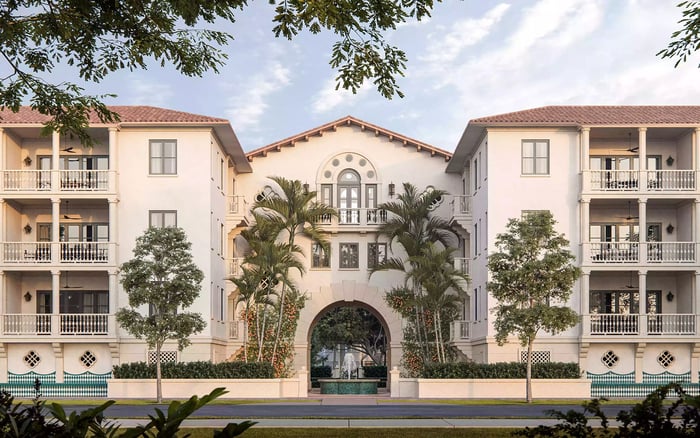
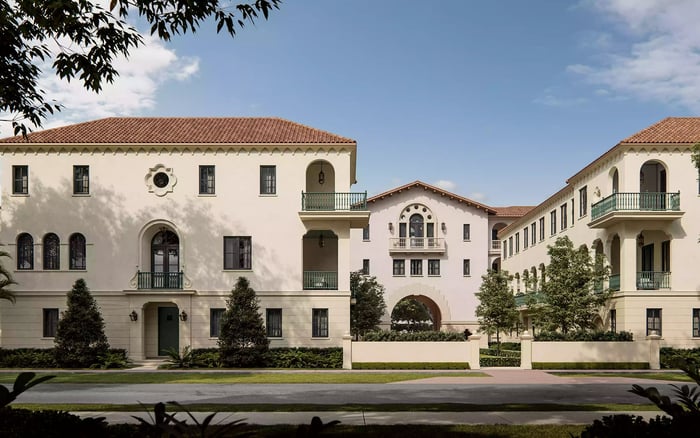
A discreet buyer’s guide to evaluating The Village at Coral Gables through the lens of seasonal ownership, from security and storm readiness to governance, access control, maintenance, insurance, and recurring costs.
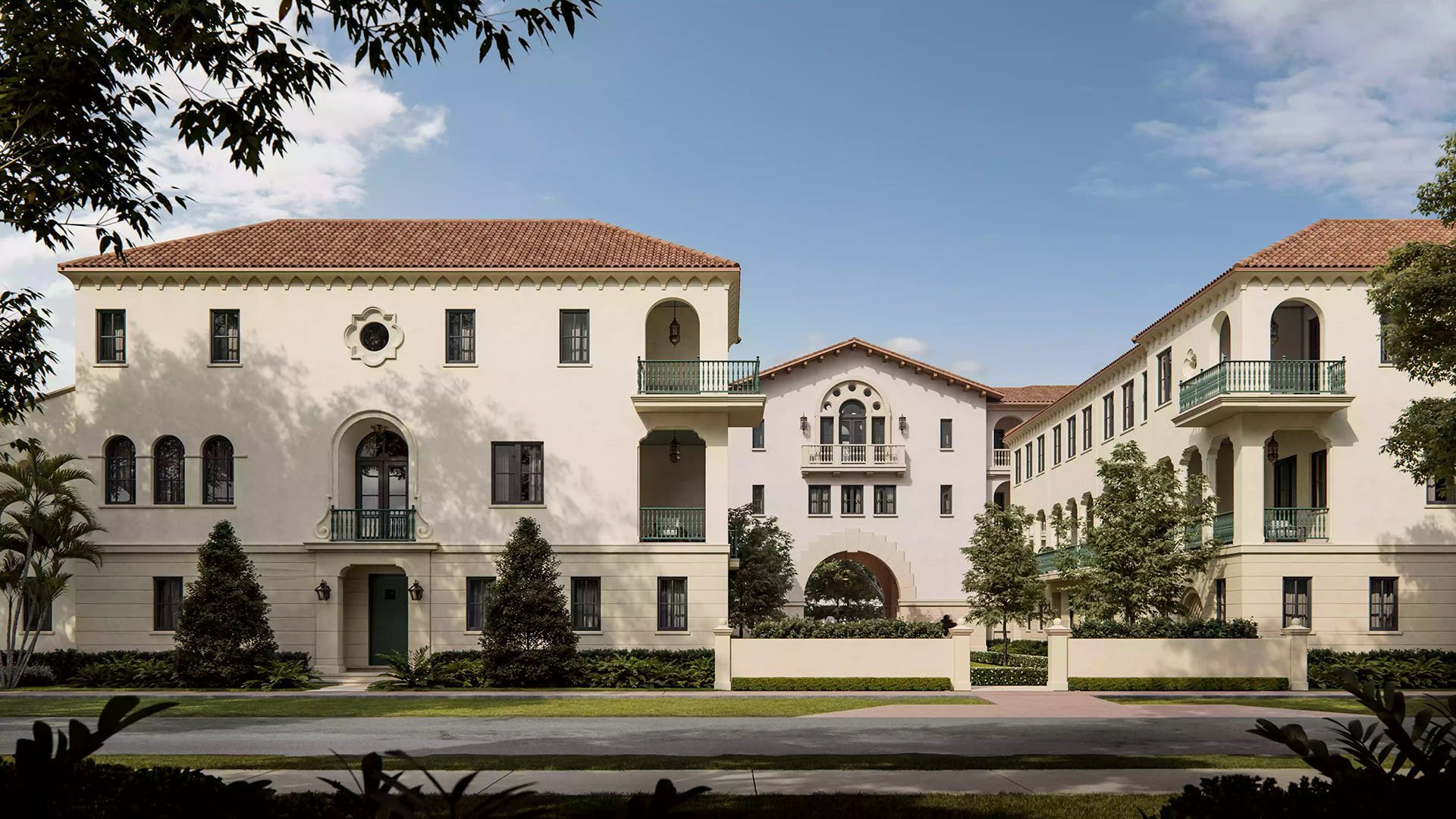
The Village at Coral Gables speaks directly to a sophisticated seasonal buyer: someone who wants a refined South Florida base without inheriting the constant upkeep profile of a traditional single-family home. Its appeal rests on a specific balance, pairing Coral Gables’ established residential character with the promise of a residence that can remain unoccupied for extended periods.
For this buyer, the central question is not simply whether the home is beautiful. It is whether the design, operations, legal structure, and daily procedures support low-friction ownership when the owner is elsewhere. Lock-and-leave confidence is not a slogan. It is a checklist, and the strongest purchase decisions come from understanding how the property performs during the months when no one is home.
Coral Gables offers a quieter, more residential counterpoint to the high-velocity energy of resort corridors and dense waterfront districts. That sense of order matters to buyers who want predictability, privacy, and a familiar neighborhood rhythm when they return for the season.
At The Village at Coral Gables, the attraction is not only the residence itself, but the idea of a South Florida address that feels rooted rather than transient. Seasonal owners often want a place that can be reopened gracefully, used intensely for part of the year, then secured again with minimal disruption. Coral Gables’ mature setting supports that psychology, particularly for buyers who value calm arrivals, established streetscapes, and a less performative version of luxury.
Buyers comparing The Village at Coral Gables within Coral Gables searches often use shorthand labels such as Second-home, New-construction, Gated-community, and Townhouse, but those labels do not answer the core question. The real measure is how confidently the residence can be managed in the owner’s absence.
Physical security is central to the lock-and-leave proposition. Seasonal buyers should evaluate not only entry points and visible controls, but also how access is administered when the owner is away. A beautiful residence can still create anxiety if there is no clear protocol for who enters, how entry is documented, and what happens if an issue arises during a vacancy period.
Important questions include how visitors, vendors, service providers, and deliveries are handled. Buyers should understand whether defined procedures exist for granting access, limiting access, and communicating access events to owners. The goal is not to assume total insulation from risk. It is to determine whether the property’s systems reduce uncertainty when the owner is in another state or abroad.
For South Florida seasonal ownership, hurricane resilience deserves special attention. The concern is not abstract. Many seasonal owners may be away during storm season, which means they cannot personally prepare the residence, check conditions, or respond immediately after weather events.
Before relying on the lock-and-leave promise, buyers should ask how storm preparation is coordinated, what responsibilities remain with the owner, and how post-event communication is handled. They should also clarify insurance obligations, association responsibilities, and any owner-level requirements related to preparedness. The right questions here are practical rather than dramatic: what is handled collectively, what is handled individually, and who communicates when timing matters.
Governance documents, association rules, and owner responsibilities deserve careful review before any seasonal buyer assumes the home will be effortless to leave vacant. The legal structure determines how decisions are made, how common elements are maintained, how costs are allocated, and what obligations remain with each owner.
This is where luxury buyers should slow down. A polished sales presentation may describe convenience, but the documents define it. Buyers should study rules related to maintenance access, insurance, repairs, leasing if relevant, alterations, vendor approvals, and emergency entry. The best lock-and-leave ownership experiences tend to be supported by clear rules, predictable procedures, and an association structure that reduces ambiguity.
Seasonal owners often need two kinds of support: quiet monitoring while they are away and thoughtful preparation before they arrive. That can include basic oversight of the residence, coordination with approved vendors, attention to packages, and practical readiness before the owner returns for the season.
The important point is not to assume a specific service level without verification. Buyers should ask what is handled by the property, what must be arranged privately, and how recurring maintenance is documented. They should understand who is contacted in an emergency, how quickly decisions can be made, and whether preferred procedures exist for access when the owner is unavailable.
Arrival preparation is equally important. For a seasonal buyer, the first day back should not be consumed by troubleshooting. A true lock-and-leave residence should allow the owner to return to a home that feels orderly, secure, and ready to live in, subject of course to the actual services and responsibilities confirmed in writing.
Recurring ownership costs are part of the lock-and-leave equation. A residence that appears easy to own can still create frustration if the association is underfunded, poorly managed, or unpredictable in its cost structure. Seasonal buyers should review budgets, reserve planning, insurance allocation, maintenance obligations, and the history or framework for special assessments where applicable.
This is not merely financial diligence. It is lifestyle diligence. Absentee owners are particularly exposed to surprises because they are less able to manage issues in person. A well-structured ownership environment can reduce the number of decisions that require urgent attention from afar.
The Village at Coral Gables is most relevant for buyers who want a South Florida home base without the full upkeep burden of a traditional detached property. That may include international families, northeastern owners seeking winter residence, empty nesters, or buyers who divide time among several homes.
The best fit is a buyer who appreciates Coral Gables’ residential composure and is willing to perform serious diligence before equating luxury with ease. Finishes matter, but operations matter more when the residence will sit vacant. Lock-and-leave confidence comes from a sequence of verifiable answers, not from aesthetics alone.
Is The Village at Coral Gables designed for seasonal buyers? It is positioned for buyers seeking a low-maintenance Coral Gables residence that can support seasonal lock-and-leave living.
Does lock-and-leave mean the home is risk-free when vacant? No. It means buyers should verify systems, responsibilities, and procedures that can reduce friction while they are away.
What should seasonal buyers review first? Start with security, access control, storm readiness, maintenance procedures, governance documents, and recurring ownership costs.
Why is hurricane preparedness so important? Seasonal owners may be away during storm season, so they need clarity on preparation, communication, and post-event response.
Should buyers rely only on amenities and finishes? No. Luxury finishes do not replace operational systems that protect and maintain the residence during long absences.
Why do association documents matter? They define owner responsibilities, access rules, maintenance obligations, cost allocation, and emergency procedures.
How should buyers think about vendor access? They should understand who may enter, how access is approved, how it is documented, and who is notified afterward.
Are recurring costs part of lock-and-leave confidence? Yes. Budgets, reserves, insurance allocations, and management quality can affect the predictability of absentee ownership.
Who is the ideal buyer for this type of residence? A buyer who wants a Coral Gables base with reduced upkeep and is willing to verify the property’s operational framework.
What is the main due-diligence takeaway? Confirm how the residence is secured, maintained, accessed, prepared, and governed before assuming it will be effortless to leave vacant.
For a confidential assessment and a building-by-building shortlist, connect with MILLION.
If branded residences are on your mind — as a home or as an allocation — we would be glad to share what we are seeing, privately.
Begin a quiet conversation