A buyer-focused look at how historic protection considerations can influence estate planning, renovation strategy, design expectations, and long-term value in Coral Gables.
In Coral Gables, preservation is more than a civic concern. For high-net-worth buyers, it can shape timing, design, privacy, insurance planning, resale positioning, and the psychology of ownership. The city’s traditional neighborhoods are prized for their scale, tree canopy, Mediterranean references, and measured sense of arrival. Those qualities are also the attributes many buyers hope to preserve when they invest here.
The question becomes more nuanced when The Villas of Gables Estates are considered alongside older Coral Gables streets. One setting may read as a secluded estate environment; another may be defined by architectural rhythm and neighborhood continuity. Both can carry prestige, but they do not always follow the same buyer logic. Where historic protection applies, a property can shift from a straightforward acquisition to a stewardship decision.
For MILLION readers, the issue is not whether preservation is good or bad. It is how preservation changes the luxury calculus. A protected or potentially protected home may offer irreplaceable character, but it can also require patience, sharper advisory, and more disciplined planning before renovation ambitions become commitments.
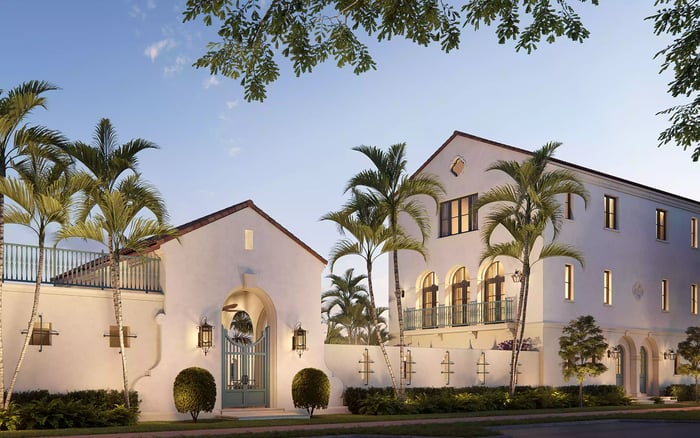
The Villas of Gables Estates occupy a different emotional category from the traditional street-grid romance associated with much of Coral Gables. Buyers drawn to this world are often seeking discretion first: controlled arrival, estate-scale living, generous outdoor programming, and a feeling of separation from the visual noise of the city. In that context, historic protection is typically evaluated through the lens of flexibility.
A buyer considering a villa-style property in or near an estate enclave should understand whether the asset’s value rests primarily in the land, the architectural identity, the setting, or the possibility of future customization. If preservation concerns are present, they may influence façade changes, additions, demolition strategy, material selection, and the sequencing of approvals. If preservation concerns are not present, the buyer still benefits from understanding the broader Coral Gables culture of architectural continuity.
This is where the privacy premium and the character premium can diverge. In an estate setting, privacy may drive the emotional bid. In an older traditional neighborhood, architectural continuity may support it. The most sophisticated buyers do not assume one premium is superior. They determine which one best aligns with their lifestyle, holding period, and appetite for design constraints.
Traditional Coral Gables neighborhoods often appeal to buyers who want maturity rather than spectacle. The pleasure is in shaded streets, proportion, civic memory, and homes that feel settled into place. For these buyers, a residence is not merely a structure. It is part of a larger composition.
Historic protection can reinforce that composition by encouraging a slower, more considered approach to change. This does not mean a buyer cannot create a highly refined modern interior or a more functional family residence. It does mean the exterior language, public-facing presence, and neighborhood relationship deserve particular attention before plans are finalized.
The buyer who treats preservation review as an obstacle may find the process frustrating. The buyer who treats it as an organizing principle may discover a stronger result. A restrained addition, a sensitive restoration, or a concealed modernization can feel more valuable than an aggressive intervention that disrupts the qualities that made the neighborhood desirable.
For search and comparison purposes, Coral Gables remains a useful shorthand, but the real distinction is block by block. A gated-community estate decision differs from a historic cottage decision. Single-family homes in traditional neighborhoods can attract buyers who value authenticity, while new construction may appeal to those prioritizing immediate convenience. The challenge is to identify which version of luxury a property is truly offering.
Historic protection can influence value in several ways, and the impact is not automatically negative. A protected home may carry scarcity, visual distinction, and cultural permanence. In the right condition and location, that can deepen buyer conviction. A non-protected but historically resonant home may also benefit from character, even if it offers more freedom.
The tension appears when a buyer assumes the highest and best use is a blank canvas. If the market values land more than architecture, preservation constraints can narrow the pool of bidders. If the market values provenance and charm, constraints may support pricing by limiting future overbuilding and protecting the character of the street.
In luxury real estate, uncertainty is often more costly than restriction. A clear path, even if conservative, is easier to price than an ambiguous one. Buyers should determine early whether a property’s renovation vision is likely to require public review, specialized consultants, or a longer approval period. Sellers should prepare the narrative with equal care, clarifying whether the home is being offered for its architectural identity, its lot qualities, or its redevelopment potential.
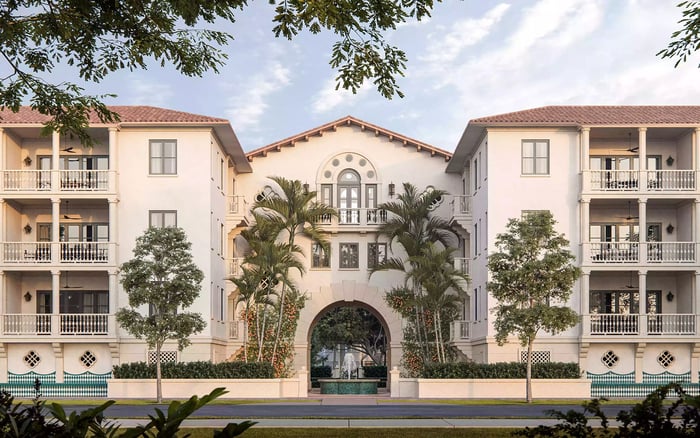
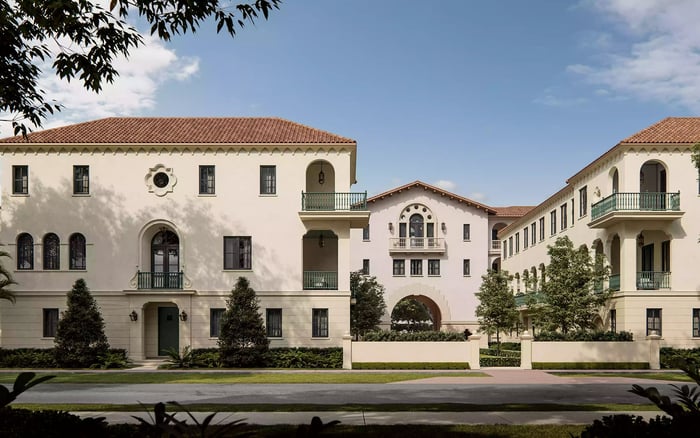
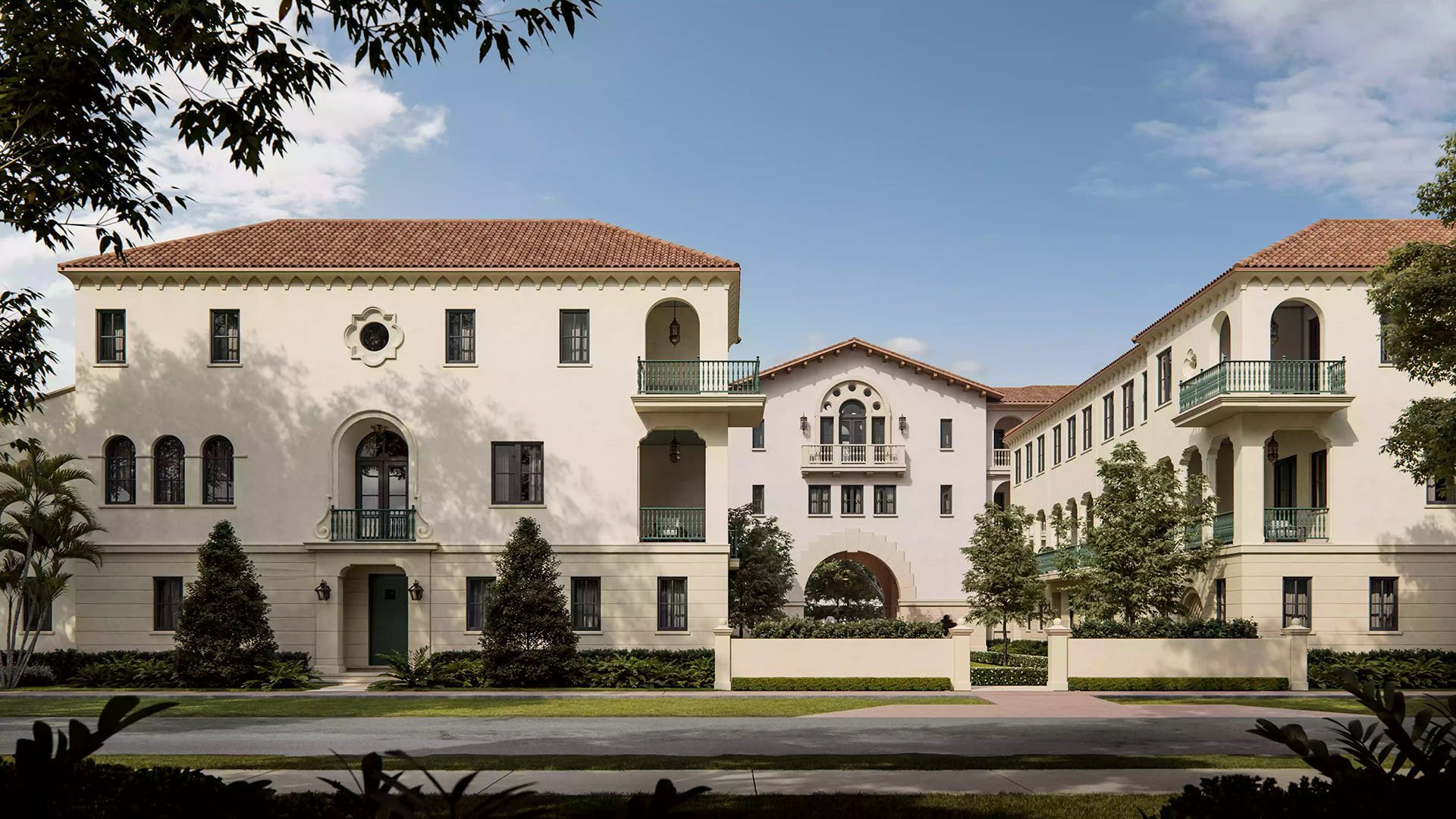
The Village at Coral Gables reflects another part of the broader buyer conversation: the market’s ongoing interest in architecture that feels contextual rather than generic. Townhouse living, estate living, and renovated historic residences all serve different needs, but each benefits when design has a coherent relationship to place.
The most expensive mistake is falling in love with a design idea before understanding the property’s constraints. Before a buyer prices a Coral Gables acquisition, diligence should address the home’s age, architectural significance, prior alterations, neighborhood context, and any review process that may affect exterior work. These items should be understood before closing, not after a designer has produced a dream scheme.
For renovation-minded buyers, the ideal team is assembled early. Counsel, architect, preservation consultant, contractor, landscape designer, and insurance advisor should be aligned around the same assumptions. In Coral Gables, landscape and arrival can be as important to perceived value as the house itself. Mature trees, walls, gates, courtyards, and loggias often define the emotional experience of the property.
Buyers comparing The Villas of Gables Estates with traditional neighborhoods should also clarify their tolerance for process. Some owners are energized by restoration. Others want turnkey living with minimal friction. Neither preference is wrong. The risk lies in buying one lifestyle while expecting the other.
Historic protection can be a creative advantage when handled with taste. The most compelling homes often balance old and new without forcing a contrast. A restored street-facing elevation can coexist with a contemporary kitchen, discreet service areas, improved climate systems, refined lighting, and resort-level outdoor living. Luxury today is not only square footage. It is ease, proportion, wellness, and privacy delivered without visual strain.
In traditional neighborhoods, the best interventions often look inevitable. They do not announce themselves as compromises. They feel as though the home has quietly evolved for a more contemporary life. In estate settings, the challenge is different: maintain grandeur and privacy while avoiding excess that dates quickly.
The lesson for buyers is simple. Do not treat historic character as a decorative skin. Treat it as a value system. When the architecture, landscape, and interior program respect that system, the result can be both more beautiful and more defensible at resale.
Coral Gables rewards discipline. The Villas of Gables Estates may speak to privacy, scale, and control, while traditional neighborhoods may speak to permanence, charm, and civic identity. Historic protection can sharpen those distinctions. It can limit certain choices, but it can also preserve the qualities that make a property difficult to replace.
The best strategy is not to avoid complexity. It is to price it, plan for it, and decide whether it supports the life you want to live. In a market where many luxury homes compete on finishes, Coral Gables still offers something more enduring: the possibility that architecture, landscape, and neighborhood memory can become part of the asset itself.
Does historic protection always reduce property value? No. It can limit certain changes, but it may also support scarcity, character, and long-term neighborhood appeal.
Should buyers avoid older Coral Gables homes? Not necessarily. Older homes can offer architectural depth and mature settings that are difficult to reproduce.
Is The Villas of Gables Estates the same as a traditional neighborhood purchase? No. Estate-oriented purchases often prioritize privacy and control, while traditional neighborhoods may emphasize character and continuity.
Can a protected home still feel modern inside? Often, yes. Sensitive planning can preserve exterior character while introducing contemporary comfort and performance.
What should be reviewed before making an offer? Buyers should examine renovation goals, exterior limitations, prior alterations, and likely approval timing.
Is new construction simpler than restoration? It can be simpler in some respects, but location, design quality, and neighborhood fit still matter deeply.
Why do traditional neighborhoods remain desirable? They offer mature landscaping, architectural rhythm, and a sense of permanence that many luxury buyers value.
Can preservation affect insurance or maintenance planning? It can influence the scope and cost of work, so buyers should evaluate maintenance expectations early.
Are townhouse options relevant to Coral Gables buyers? Yes. They can appeal to buyers who want contextual design with less maintenance than a large estate.
What is the most important takeaway for buyers? Understand whether you are buying privacy, character, land flexibility, or a carefully balanced combination of all three.
When you're ready to tour or underwrite the options, connect with MILLION.
If branded residences are on your mind — as a home or as an allocation — we would be glad to share what we are seeing, privately.
Begin a quiet conversation