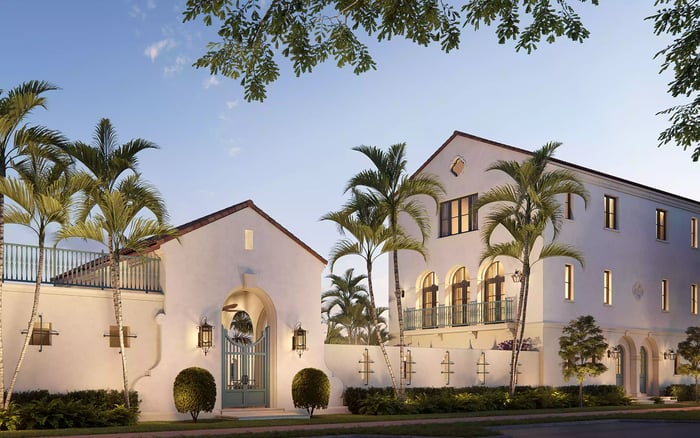
An editorial look at The Village at Coral Gables through the lens of lock-and-leave ownership, reassessment risk, and the quieter discipline of luxury carrying-cost planning.
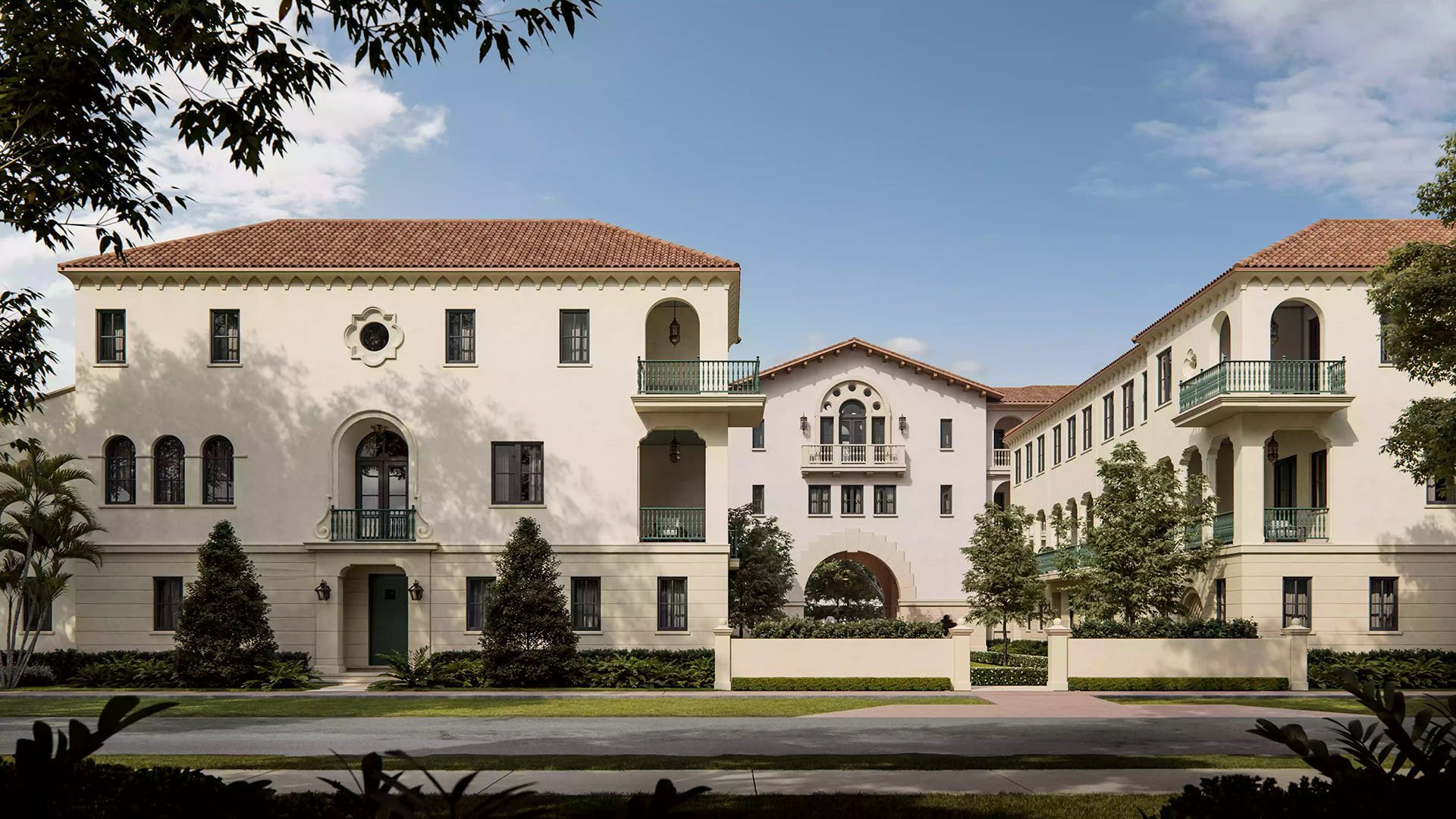
The Village at Coral Gables sits within a buyer conversation that feels especially current in South Florida: how much simplicity can a residence truly deliver once the purchase is complete? For a certain owner, the appeal is immediate. A home that can be enjoyed intensely, closed gracefully, and returned to without ceremony is one of the great luxuries of modern living. Yet the more discerning question is not only whether a residence is easy to leave. It is whether it remains elegant to own.
That distinction matters in Coral Gables, where domestic life is often measured by permanence, architecture, privacy, and neighborhood grace. The lock-and-leave buyer may not be seeking a temporary address. They may be seeking a second base, a seasonal residence, a family foothold, or a lower-maintenance alternative to a traditional estate. In each case, the home must perform on two levels. It must feel effortless day to day, and it must remain financially legible over time.
Property-tax reassessment belongs to that second level. It is rarely the most romantic line in a purchase conversation, but it can be among the most consequential. In the upper tier of the market, where purchase prices and expectations are elevated, a reassessed tax profile can change the perceived spread between a low-maintenance residence and a conventional house. The result is a more sophisticated form of underwriting, one that treats lifestyle value and carrying cost as inseparable.
A luxury buyer can be forgiven for focusing first on space, design, privacy, parking, outdoor areas, and proximity to the places that define daily life. Still, property taxes deserve early attention, not late discovery. The relevant question is not simply what the current tax bill looks like. It is what the ownership picture may become after purchase, and how that future number sits beside association costs, insurance, maintenance, reserves, and personal staffing preferences.
For buyers comparing a lock-and-leave residence with a larger single-family home, reassessment can either reinforce or complicate the thesis. A more managed residence may remove certain burdens, but the tax profile still needs to be modeled with discipline. If the home is intended as a second home, or if the buyer is balancing several residences across different markets, the annual cost of holding the asset becomes part of the lifestyle design.
That is where The Village at Coral Gables becomes an especially useful lens. Its appeal is not simply a matter of address or format. It speaks to a larger shift among affluent buyers who want the feeling of a real neighborhood without taking on every operational demand of a fully independent home. For a buyer filtering options by Coral Gables, new construction, townhouse, and investment considerations, the vocabulary matters less than the equation: time saved, risk understood, enjoyment preserved.
In South Florida, the strongest lock-and-leave residences tend to promise a particular kind of freedom. Owners want to arrive to a home that feels intact, cared for, and ready. They want the domestic experience to be rich, not administrative. They want the privacy and scale associated with a house, but with fewer points of friction.
Predictability is the quiet luxury behind that promise. It means understanding what is maintained individually, what is handled collectively, what may change annually, and what deserves independent professional review before closing. A home can be exquisitely designed and still feel burdensome if the owner is surprised by the economics after purchase. Conversely, a clear carrying-cost picture can make a property feel even more refined, because the ownership experience has fewer shadows.
This is why sophisticated buyers increasingly evaluate the total cost of control. They are not only asking whether a residence can be left unattended for a period of time. They are asking whether the property can be managed with fewer calls, fewer contingencies, and fewer unknowns. The lock-and-leave decision is not a retreat from luxury. It is often an upgrade in how luxury is organized.
Coral Gables has a distinct emotional texture within the South Florida luxury map. It is not defined by a single waterfront view or a vertical skyline. Its appeal is more layered: established streets, architectural continuity, civic polish, dining, schools, clubs, culture, and a sense of daily order that many buyers find increasingly rare.
That setting gives the lock-and-leave discussion a different tone. In a resort tower, ease may be assumed as part of the proposition. In Coral Gables, the buyer may be coming from a traditional home and may still want the feeling of residential rootedness. The decision is not necessarily between urban condominium life and suburban privacy. It may be between two versions of a house-centered life: one more personally managed, the other more intentionally structured.
The Village at Coral Gables is therefore best understood through the buyer’s routine. How often will the owner be in residence? Will family members use the home independently? Is the property a long-term base or a seasonal instrument? Does the buyer value a more social, walkable rhythm, or is the priority simply to reduce friction while preserving the feeling of a private home? These questions shape whether reassessment is merely a cost to absorb or a variable that changes the decision.
The most disciplined approach is to build a full ownership picture before emotion becomes too expensive. That does not mean stripping beauty out of the process. It means allowing beauty to stand beside numbers clear enough to support conviction.
A buyer should pressure-test the expected tax position after purchase, review association obligations, understand maintenance responsibilities, examine insurance assumptions, and decide whether additional property management support will be desired. If the residence will be used seasonally, the owner should also consider how departures and arrivals will be handled in practice. The best lock-and-leave home is not merely vacant between visits. It is actively, quietly prepared for return.
This framework also helps compare alternatives. A larger home may offer more land, more autonomy, and more personalization, but it may demand more oversight. A managed residence may offer less operational sprawl, but it can introduce shared governance and association dynamics. Neither model is inherently superior. The better choice is the one whose obligations match the buyer’s temperament.
In that sense, property-tax reassessment is not a deterrent. It is a clarifying instrument. It forces the buyer to separate purchase appeal from ownership reality, and to decide whether the total package still feels graceful once the numbers mature.
The likely audience for a lock-and-leave residence in Coral Gables is not monolithic. It may include international families, domestic relocators, empty nesters, executives, grandparents establishing proximity, or long-time homeowners seeking simplification without leaving the neighborhood fabric they value. What unites them is not age or origin. It is a preference for control without constant maintenance.
For these buyers, the most compelling property is one that respects their time. The architecture must feel settled rather than transient. The plan must support hosting and privacy. The operational structure must reduce worry. And the financial profile must be legible enough to support long-term confidence.
That is why the lock-and-leave question behind reassessment is ultimately not defensive. It is aspirational in a quieter way. It asks whether the residence can preserve the pleasures of Coral Gables while reducing the burdens that often accompany high-end ownership. When the answer is yes, the home becomes more than a beautiful address. It becomes an instrument of ease.
Why does property-tax reassessment matter for a luxury buyer? It can materially affect annual carrying costs after a purchase, so it should be modeled before closing rather than treated as an afterthought.
Is lock-and-leave ownership only for seasonal residents? No. It can also suit full-time owners who want privacy and residential character with less day-to-day maintenance.
How should a buyer evaluate The Village at Coral Gables? A buyer should consider lifestyle fit, carrying costs, governance, maintenance responsibilities, and how the residence will function when unoccupied.
Does a managed residence always cost less than a single-family home? Not necessarily. The comparison depends on taxes, association costs, insurance, maintenance, and the level of personal service desired.
Why is Coral Gables relevant to the lock-and-leave discussion? Coral Gables offers a neighborhood-oriented lifestyle, so buyers often seek ease without sacrificing a sense of permanence and place.
What should second-home buyers ask first? They should ask how the home will be secured, maintained, and prepared between visits, then compare that answer with the full annual cost.
Can reassessment change a buyer’s decision? Yes. A future tax profile can shift the economics enough to make one property format feel more appropriate than another.
Is new construction automatically easier to own? It may reduce some immediate maintenance concerns, but buyers still need to understand taxes, association obligations, and long-term upkeep.
Should investment-minded buyers view this differently? Yes. They should examine both lifestyle utility and exit discipline, including how future buyers may view the same carrying-cost structure.
What is the central question for a lock-and-leave purchase? The central question is whether the property remains effortless, financially understandable, and emotionally rewarding after the closing.
If you'd like a private walkthrough and a curated shortlist, connect with MILLION.
If branded residences are on your mind — as a home or as an allocation — we would be glad to share what we are seeing, privately.
Begin a quiet conversation