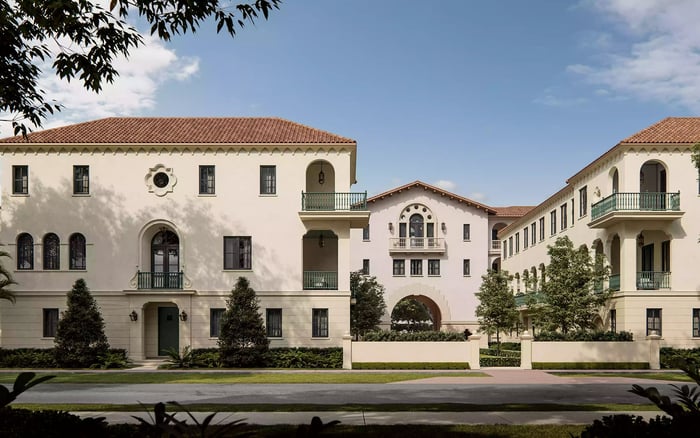
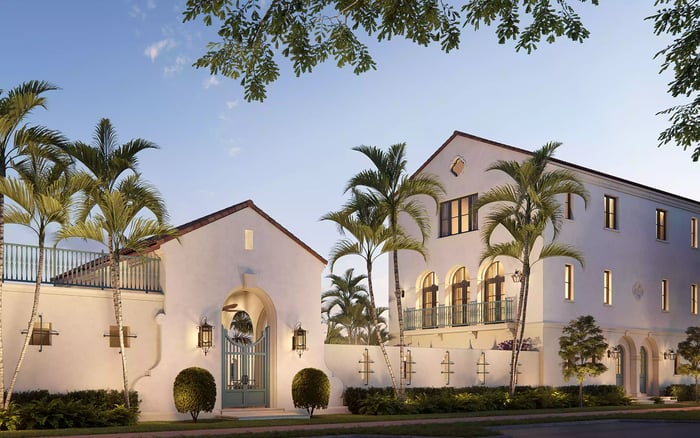
A discreet buyer’s guide to evaluating privacy before touring the model residence at The Village at Coral Gables, from arrival protocols to sightlines, sound, service access, and resale-minded due diligence.
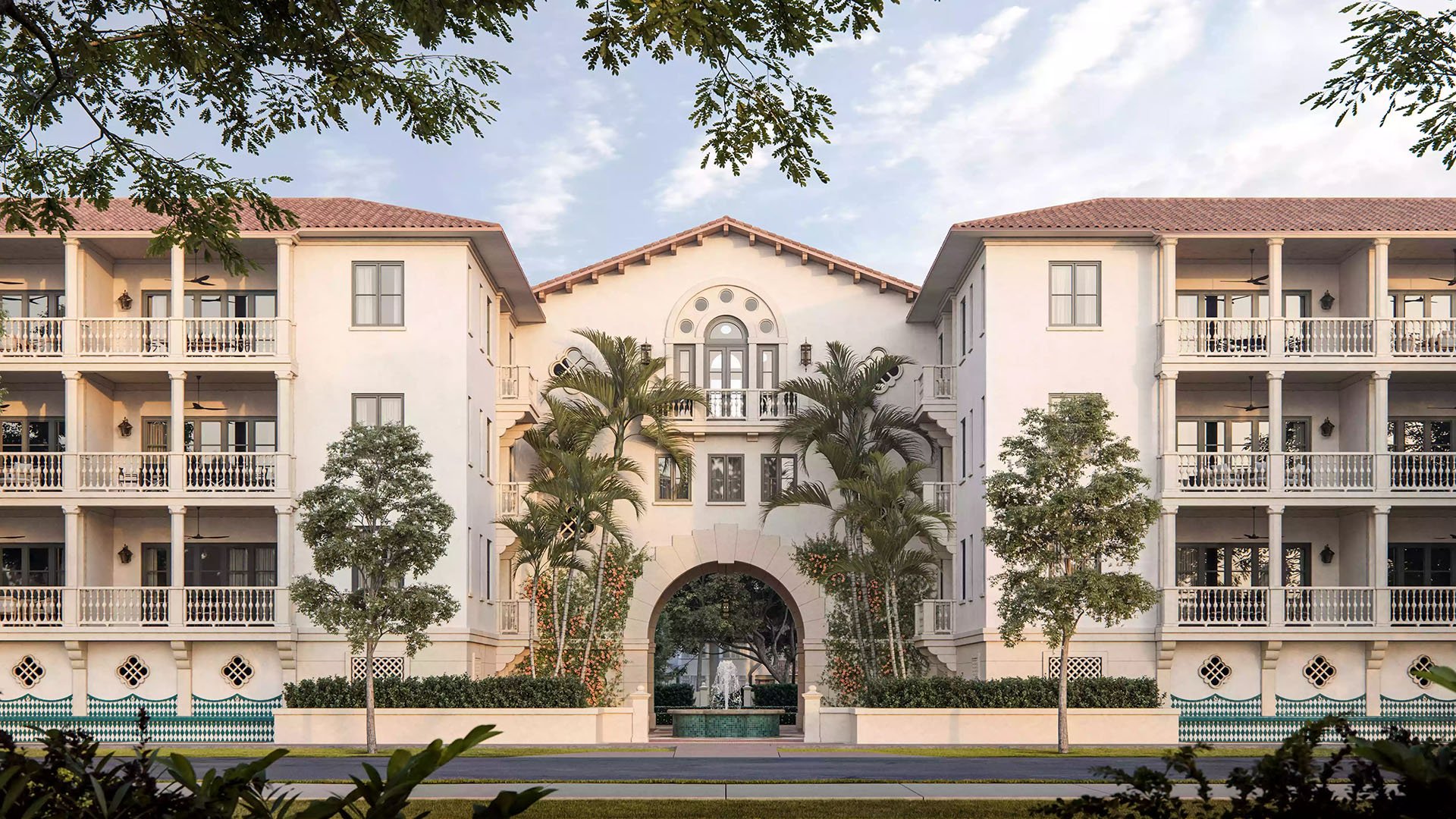
For many South Florida luxury buyers, privacy is not a single feature. It is a sequence. It begins with how a guest arrives, continues through how a residence is viewed from neighboring spaces, and becomes most meaningful in the ordinary rituals of daily life: receiving packages, hosting dinner, taking a call on a terrace, or returning home after dark.
That is why a tour of the model residence at The Village at Coral Gables should be approached with a privacy checklist, not only an aesthetic eye. Finishes matter, but they can distract from the subtler questions that separate a beautiful residence from a truly discreet one.
A buyer considering a townhouse or low-density residential environment in Coral Gables should ask how privacy is designed, documented, maintained, and experienced. The model residence is more than a showcase. It is a controlled setting where assumptions can be tested before they become contract terms.
Privacy begins at the first point of contact. Before stepping inside, ask how residents, guests, deliveries, rideshare drivers, service providers, and vendors are expected to arrive. The issue is not simply whether entry feels elegant during a scheduled tour. It is whether the access sequence remains composed on a busy weekday, during a private event, or while multiple homes are receiving service.
Ask who controls access, how temporary permissions are granted, and whether guest entry is handled differently from resident entry. If a gated-community framework is part of the privacy story, ask what that means operationally. A gate, desk, call box, or access point is only as effective as the rules behind it.
Also ask about parking visibility. Can visitors see into private living areas while approaching? Are arrival areas separated from outdoor living zones? Is there a direct path from parking to the residence that preserves discretion, or does circulation pass too closely by windows, garden spaces, or neighboring entries?
A model residence is curated to look calm, but privacy lives in angles. Stand in the living room and look outward. Then ask where a neighbor, passerby, guest, or maintenance worker could stand and look back. Repeat the same exercise in bedrooms, bathrooms, terraces, balconies, stair landings, and outdoor seating areas.
Window treatments can soften exposure, but they should not be the entire privacy strategy. Ask which treatments are included, which are upgrades, and whether any exterior elements are expected to mature over time. Landscaping may feel generous in a presentation, yet its real performance depends on placement, density, upkeep, and the relationship between residences.
The most useful question is simple: which rooms are intended to be private without closing the shades? If the answer is unclear, keep probing. A luxury home should not require constant adjustment to feel at ease.
Discretion is as much a management issue as a design issue. A buyer should ask how access credentials are issued, tracked, replaced, and revoked. If household staff, pet care providers, private chefs, health professionals, or contractors will enter the residence, confirm whether protocols distinguish trusted recurring access from one-time guest access.
Also ask about move-ins, deliveries, maintenance windows, and construction activity. These are not glamorous subjects, but they often determine whether a new-construction residence feels serene after the first wave of ownership begins. Privacy can be compromised not by architecture, but by ambiguity.
Documentation matters. Request the relevant rules, association materials, or owner guidelines before relying on verbal assurances. If discretion is important to your household, the language should be clear enough to support your expectations later.
Visual privacy is easier to assess during a tour. Acoustic privacy requires more intentional questioning. Ask what separates residences, how outdoor gathering areas relate to one another, and whether mechanical equipment, driveways, service routes, or amenity areas can be heard from principal rooms.
During the model residence tour, pause in silence. Listen near bedrooms, bathrooms, the primary suite, outdoor areas, and shared walls if applicable. Ask how sound may differ when neighboring residences are occupied, when landscaping is complete, or when doors and windows are open.
For buyers who entertain, acoustic privacy cuts both ways. You want protection from surrounding noise, but you may also want confidence that your own dinner party, music, or family routine does not travel farther than expected.
Coral Gables buyers often value privacy that feels residential rather than theatrical. The preferred experience is not necessarily isolation. It is discretion, order, mature landscaping, considered entries, and a sense that public and private life are carefully separated.
That is why nearby comparisons can be useful. A buyer looking at Cora Merrick Park may frame privacy through a different urban rhythm, while Ponce Park Coral Gables can help refine questions about access, neighborhood context, and daily convenience. The goal is not to declare one address more private than another without evidence. The goal is to identify which privacy model matches how you live.
Boutique scale can feel intimate, but intimacy is not the same as privacy. Ask whether fewer residences create more control or simply closer proximity. In the same way, a larger service platform can feel more formal, but formality does not always guarantee discretion. The best fit is the one whose operating details align with your household’s expectations.
Do not tour the model residence only as a design presentation. Rehearse your life inside it. Where would your children, guests, staff, or extended family enter? Where would luggage go after a trip? Could a private driver wait without becoming part of the home’s visual field? Would a caterer or florist move through the same spaces as dinner guests?
If outdoor living is important, ask to understand privacy at different times of day. Morning light, evening illumination, and nighttime reflections can change how exposed a space feels. Ask whether exterior lighting is owner-controlled, community-controlled, or subject to guidelines.
Buyers comparing Coral Gables with Coconut Grove may also want to study how greenery, entry sequences, and low-density living differ across neighborhoods. A project such as The Well Coconut Grove can provide a useful counterpoint for discussing wellness-oriented privacy, arrival calm, and the relationship between home and landscape.
Arrive with specific questions, and ask them before the design conversation takes over. Who has access to residential areas? How are guests announced? Are deliveries held, routed, or brought directly to homes? What are the policies for vendors and household staff? How are cameras, smart-home systems, and access records handled? Which privacy features are standard, and which depend on owner selections?
Ask for clarity on the difference between what you see in the model residence and what will be delivered. If screening, window treatments, planting, walls, gates, or technology are part of the privacy experience, confirm whether they are included, optional, governed by rules, or subject to future owner action.
Finally, separate emotion from evidence. A serene model residence can feel private because it is controlled, quiet, and unoccupied by real daily activity. Your task is to determine whether that serenity is built into the residence, or merely staged for the appointment.
What is the first privacy question to ask before touring The Village at Coral Gables? Ask how residents, guests, vendors, and deliveries access the property, and who manages those permissions.
Should I ask about privacy before or after seeing the model residence? Ask before the tour begins, then use the tour to verify how the answers feel in the actual spaces.
What should I look for when assessing sightlines? Stand in principal rooms and outdoor areas, then identify where neighbors, guests, or service providers might see in.
Are window treatments enough to solve privacy concerns? They help, but true privacy should also come from layout, landscaping, access planning, and daily operations.
How should a buyer evaluate acoustic privacy? Pause in quiet rooms, ask about adjacent uses, and consider how sound may change once residences are occupied.
What documents should I request if privacy matters to me? Request association rules, access policies, owner guidelines, and any materials that clarify vendor and guest procedures.
Why compare The Village at Coral Gables with other projects? Comparisons help define whether you prefer a more intimate, urban, landscaped, or service-oriented privacy model.
Can a model residence feel more private than the finished home? Yes, because staged spaces are controlled; ask what will be delivered and what depends on owner upgrades.
Is gated-community privacy always better? Not automatically; the rules, staffing, technology, and consistency of enforcement matter as much as the gate itself.
What is the best way to shortlist comparable options for touring? Start with location fit, delivery status, and daily lifestyle priorities, then compare stacks and elevations to validate views and privacy.
For a discreet conversation and a curated building-by-building shortlist, connect with MILLION.
If branded residences are on your mind — as a home or as an allocation — we would be glad to share what we are seeing, privately.
Begin a quiet conversation