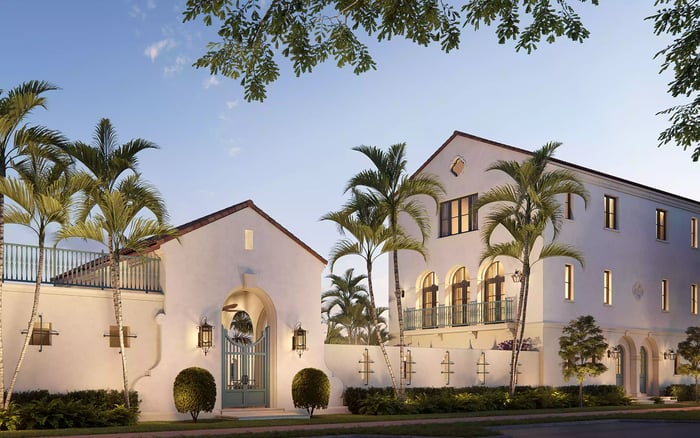
A discreet buyer guide to evaluating catering flow at The Village at Coral Gables, focused on arrival sequence, service circulation, privacy, storage, and entertaining readiness.
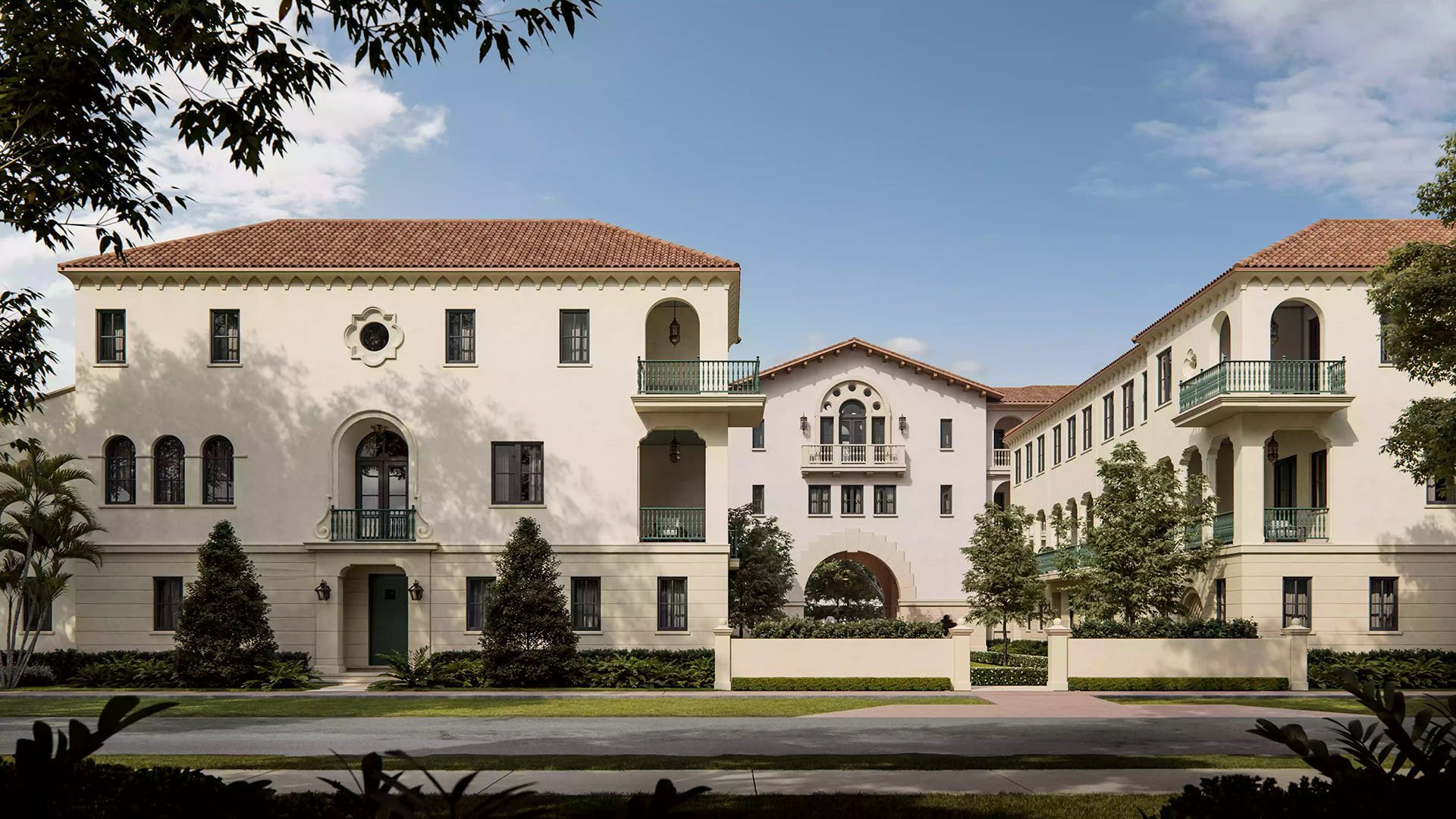
The Village at Coral Gables enters the conversation in a South Florida residential setting where Coral Gables buyers often look closely at how a home actually lives. For buyers who host often, the question is no longer simply whether a residence feels beautiful on a private tour. The sharper test is whether the home can absorb the invisible choreography of an evening: guests arriving, staff circulating, flowers being placed, food being warmed, wine being staged, and the owner remaining composed throughout.
That is the buyer test for catering flow in 2026. It is not a decorative question. It is a planning question, and it can change how a residence lives after the closing. A gracious home can fail under pressure if service movement collides with guest movement. A quieter plan, by contrast, can feel far more luxurious because everything happens without friction.
For The Village at Coral Gables, the appeal begins with its Coral Gables context, but the sophisticated buyer should look beyond location and ask how the residence performs in real use. The best entertaining homes are not merely open. They are legible. They give owners, guests, caterers, and household staff a clear understanding of where to go, where not to go, and how to move without interruption.
Large rooms can impress during a showing, yet entertaining depends on sequence. A buyer should mentally walk the evening from the curb inward. Where do guests first pause? Is there a natural place for greetings? Can a caterer arrive without crossing the primary living room? Can coats, bags, deliveries, ice, flowers, and glassware be handled without turning the entry into a working zone?
This is where 2026 luxury feels more private than performative. The most attractive floor plan is not always the biggest one. It is the one that protects the owner’s experience. A strong plan lets a dinner begin before anyone notices the mechanics behind it. It allows the host to remain in the room rather than solve problems in the hall.
Buyers comparing The Village at Coral Gables should therefore treat catering flow as a lifestyle audit. The question is not whether one can host. Most high-end homes can. The question is whether hosting still feels effortless after the fourth event of the season, when the novelty has faded and the home’s operational intelligence begins to matter.
The first pressure point is arrival. In Coral Gables, where residential character and privacy can carry meaningful weight, a home should manage arrival with calm. Guests need a graceful path. Vendors need a practical one. Ideally, those two paths avoid conflict.
A buyer can evaluate this without needing a full event in progress. Stand where a guest would arrive and look for the natural procession. Then stand where deliveries would occur and ask whether that route feels equally coherent. If those movements compete, the residence may still be elegant, but the owner will need to manage more of the evening personally.
This is especially important for buyers who expect frequent dinners, seasonal gatherings, charitable hosting, family celebrations, or extended-stay entertaining. A second-home buyer may entertain in compressed bursts, while an investment-minded buyer may focus on long-term desirability. In both cases, the residence that handles arrival with discretion tends to feel more complete.
Kitchen beauty is easy to see. Kitchen performance is harder to judge. The more useful question is how food moves through the home. Is there a clear relationship between preparation, staging, serving, and cleanup? Is there a place to hold trays before they enter the main entertaining area? Can a chef or caterer work without the kitchen becoming the social center of the evening unless the host wants it to be?
For modern luxury buyers, this is where the distinction between display kitchen and service intelligence becomes critical. A dramatic kitchen island may be ideal for family life and informal gatherings. For catered events, however, owners often need zones: one for preparation, one for plating, one for beverage service, one for refuse and dish return, and one for staff pause points.
At The Village at Coral Gables, buyers should ask these questions in specific, room-by-room terms rather than assume that premium finishes automatically solve the entertaining brief. The right test is practical: if twelve guests arrive while a catered dinner is being finished, does the home remain serene?
Catering flow is also a privacy issue. The highest expression of residential luxury is not showing every corner of the home. It is deciding what remains unseen. Bedrooms, family areas, workspaces, storage, and household back-of-house functions should be protected from the social path.
This is particularly relevant in a Coral Gables setting, where many buyers value a sense of neighborhood permanence and domestic composure. The entertaining areas should feel generous, but not indiscreet. A guest should understand the invitation without wandering into the private life of the house.
The language buyers use may include new construction, boutique, townhouse, or gated community, but those labels are secondary to how the home actually behaves. Coral Gables searches may begin with architecture and location, yet the decisive difference is often the plan’s quiet discipline.
The least glamorous questions are often the most revealing. Where do extra chairs live? Where are table leaves, linens, candles, glassware, outdoor cushions, floral vessels, serving pieces, and holiday inventory stored? Can supplies be retrieved without crossing formal rooms? After an event, can cleanup occur without occupying the same spaces where overnight guests or family members are relaxing?
These details matter because luxury entertaining does not end when the last guest leaves. The morning after can expose a weak plan. If every operational item must be carried through primary living space, the residence may feel less polished in daily use than it did during the tour.
Pets add another layer. Owners with pets should consider whether catered events create secure, calm zones away from doors and staff movement. This is not a minor issue for many South Florida households. It is part of making a residence livable, not just photogenic.
A polished tour often emphasizes finishes, views, light, and room scale. Those matter, but the host’s eye adds another filter. Buyers should ask to walk the residence as if an event were already scheduled. Begin with guest arrival. Move toward the principal entertaining room. Identify where drinks would be offered, where food would be staged, where staff would pass, and where cleanup would retreat.
Then reverse the route. Imagine the end of the evening. Where do guests gather before leaving? Can staff clear quietly while conversation continues? Does the owner have a private path away from the event if needed? The answers reveal whether the residence offers true ease or merely attractive volume.
The Village at Coral Gables should be considered within that disciplined frame. Its Coral Gables context places it in a market where buyers often understand architecture, neighborhood texture, and social use at a sophisticated level. The catering-flow test brings those priorities into one practical lens.
In 2026, the best South Florida residences will not be judged only by finishes or branded amenities. They will be judged by how naturally they support real life at a high level. For a buyer focused on The Village at Coral Gables, the strongest approach is to evaluate the home as both a private retreat and a stage for hospitality.
That does not mean every buyer needs a formal entertaining program. It means the residence should be able to expand gracefully when life demands it. Family visits, milestone dinners, board-level gatherings, philanthropic evenings, and holiday weekends all test the same fundamentals: arrival, circulation, staging, privacy, storage, and cleanup.
A home with strong catering flow makes ownership feel lighter. It allows the host to remain present. It protects the private rooms. It gives staff confidence. Most importantly, it makes refinement feel natural rather than managed.
What is The Village at Coral Gables? The Village at Coral Gables is the residential project at the center of this buyer-focused discussion and is positioned in Coral Gables.
Why is catering flow important for luxury buyers? Catering flow shows how well a home handles guests, staff, food, storage, and cleanup without disrupting the owner’s experience.
Does catering flow only matter for large parties? No. It also affects smaller dinners, family holidays, extended guest stays, and everyday household organization.
What should buyers examine first during a tour? Start with the arrival sequence, then study how guests and service providers would move through the residence.
Is a large kitchen enough for entertaining? Not always. Buyers should also look for staging areas, service paths, storage, and a sensible cleanup route.
How does privacy relate to catering flow? A strong plan separates social spaces from bedrooms, family areas, work zones, and household back-of-house functions.
Should second-home buyers care about this? Yes. Second-home owners often entertain in concentrated periods, so operational ease can become especially important.
Can catering flow influence investment appeal? It can support long-term desirability because sophisticated buyers often value homes that function as well as they present.
Where does Coral Gables fit into this conversation? Coral Gables attracts buyers who often care about neighborhood character, architectural presence, and gracious domestic living.
What is the best way to shortlist comparable options for touring? Start with location fit, delivery status, and daily lifestyle priorities, then compare stacks and elevations to validate views and privacy.
When you're ready to tour or underwrite the options, connect with MILLION.
If branded residences are on your mind — as a home or as an allocation — we would be glad to share what we are seeing, privately.
Begin a quiet conversation