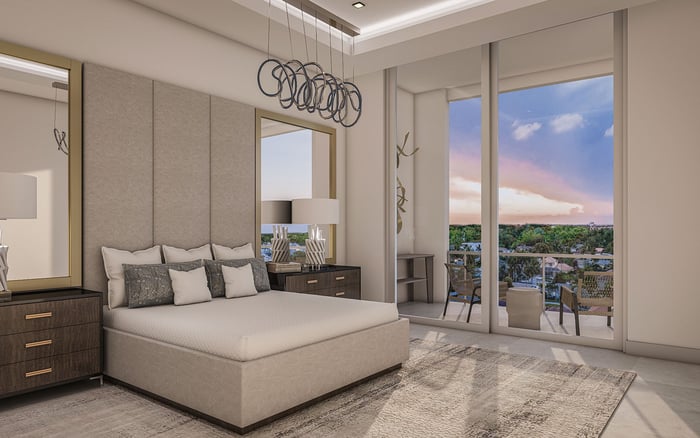
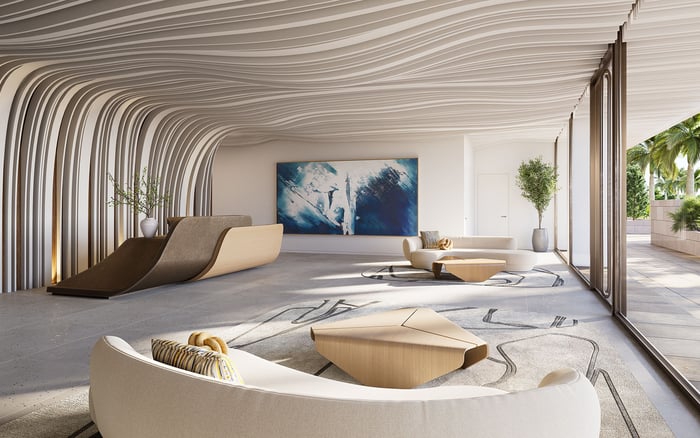
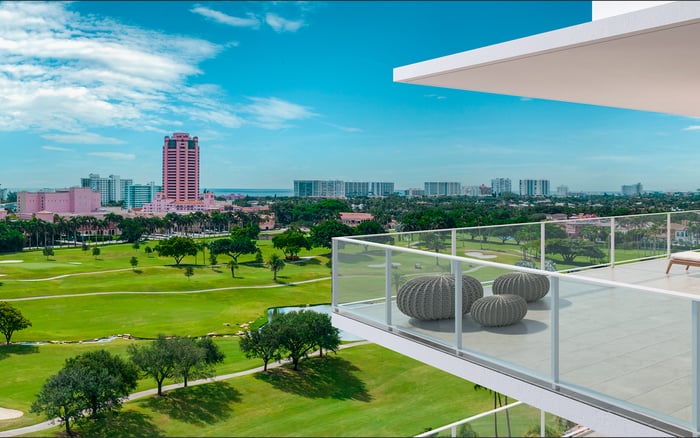
A buyer-focused editorial on how Mandarin Oriental’s Boca Raton residences move the local luxury conversation beyond finishes and amenities toward hospitality, brand operations and managed ease of living.

For decades, Boca Raton luxury has been defined by privacy, club culture, golf, gated settings and the quiet confidence of established residential enclaves. That identity remains powerful. Yet a parallel idea is gaining traction: ownership shaped less by acreage or formality and more by service, ease and daily orchestration.
That is where The Residences at Mandarin Oriental Boca Raton enters the conversation. The project is positioned as a Mandarin Oriental-branded residential offering in Downtown Boca Raton, with a mixed-use composition that includes a Mandarin Oriental hotel component. Its significance is not simply that a global hospitality name has arrived in the market. It is that the residence is framed within a managed ecosystem, where ownership is tied to operational polish, hospitality expectations and a more effortless rhythm of living.
Service-led ownership is not another term for an extended amenity checklist. It describes a shift in how luxury buyers assess value. The residence remains real estate, but it is also access to a hospitality structure designed around consistency, discretion and convenience.
In this model, the buyer looks beyond marble, appliances and private terraces. The deeper question is how the building lives after closing. Concierge support, housekeeping, in-residence dining, wellness programming and club-style social infrastructure are examples of the service language that defines this category. The central promise is not excess. It is competence: the sense that details can be handled before they become chores.
For lock-and-leave owners, seasonal residents and buyers who move between multiple homes, that distinction can be decisive. A stand-alone condominium may provide privacy and amenity spaces. A branded hospitality residence aims to add a layer of management and predictability that makes the home easier to own.
The Downtown setting is central to the project’s relevance. Boca Raton is not abandoning its traditional estate and country-club identity, but it is expanding its vocabulary. A more walkable, urban version of Boca luxury is emerging, one that places dining, wellness, hotel services and social life closer to the residence.
That context matters for buyers who want the polish of Boca Raton without relying exclusively on a suburban club framework. The Mandarin Oriental residential concept supports an interpretation of city living that remains refined rather than dense or hectic. It brings the hotel-residential model into a market where many buyers already value privacy, personal service and continuity, but may want those qualities delivered within a more active downtown environment.
This is also why comparisons within Boca are becoming more nuanced. A buyer considering Alina Residences Boca Raton, Glass House Boca Raton or Mr. C Residences Boca Raton is not simply comparing addresses. The decision increasingly turns on lifestyle, service culture, privacy preferences and how much day-to-day management the owner wants embedded into the building experience.
The growth of branded residences across South Florida has trained luxury buyers to ask more sophisticated questions. A name on the building can create recognition, but the more durable value is operational. Who sets the standard? How is service delivered? Does the residential experience feel coherent, or is the brand merely decorative?
Mandarin Oriental carries particular relevance because its hospitality identity is rooted in service, wellness and international luxury expectations. In Boca Raton, that affiliation helps distinguish the project from traditional amenity-led condominiums. The appeal is not only that residents may have access to polished spaces, but that the operating culture is part of the ownership proposition.
This places Boca Raton in the same broader South Florida dialogue as markets where hotel-influenced residential living is already familiar. In Miami, The Residences at Mandarin Oriental, Miami reflects the same larger movement toward branded, service-aware ownership. Boca’s version is notable because it interprets that movement through a quieter, more composed local lens.
The most important question for prospective owners is not whether service-led ownership sounds appealing. It is whether it matches how they actually live. For some buyers, the ideal home is a private estate with full personal staff and maximum separation. For others, especially those who travel often, divide time between residences or want a more turnkey experience, a managed building can be more aligned with their needs.
The Residences at Mandarin Oriental Boca Raton fits that second profile. It is presented as a lock-and-leave luxury product for buyers who value convenience, brand consistency and an environment where hospitality is not incidental. The project also reflects how high-end buyers are measuring quality differently. Finishes still matter, but they no longer carry the entire narrative. Service quality, wellness infrastructure, social programming and ease of living now share the stage.
That shift is especially relevant in Boca Raton because the market’s historic luxury language has been so specific. The Mandarin Oriental model does not replace that tradition. It adds another tier, one that treats the condominium not as a compromise from estate living, but as a fully serviced alternative for buyers who prize time, access and continuity.
The arrival of a Mandarin Oriental-branded residential offering suggests that Boca Raton can participate in the hospitality-led ownership conversation without losing its restraint. The project’s strength lies in alignment: global service culture, Downtown convenience and a local buyer base already attuned to privacy and lifestyle quality.
For the ultra-premium audience, this is the point. Service-led ownership is not about spectacle. It is about removing friction from daily life while preserving a sense of place. In that respect, The Residences at Mandarin Oriental Boca Raton is less a one-off project than a case study in where the market’s expectations are moving.
What is service-led ownership? It means the residence is valued not only as property, but as part of a managed hospitality ecosystem with service, convenience and consistency at its core.
Why is The Residences at Mandarin Oriental Boca Raton important? It brings an international hospitality brand into Boca Raton condominium ownership, making service and operations central to the buyer proposition.
Is this different from a traditional luxury condo? Yes. Traditional condos often emphasize amenities and finishes, while this model places greater weight on branded service culture and managed living.
Does the project include a hotel component? The development is described as part of a mixed-use composition that includes a Mandarin Oriental hotel component.
Who is the likely buyer for this type of residence? It may appeal to lock-and-leave owners, seasonal residents and buyers who value convenience, consistency and a hospitality-led lifestyle.
How does the Downtown location affect the ownership experience? Downtown Boca Raton supports a more walkable and urban interpretation of local luxury compared with traditional estate or country-club formats.
Are services more important than design in this category? Design remains important, but buyers increasingly evaluate service quality, wellness, ease of living and operational strength alongside finishes.
How does Mandarin Oriental influence the project’s identity? The brand affiliation adds expectations around hospitality, wellness and service delivery that go beyond typical condominium marketing.
Does this signal a change in Boca Raton luxury? It suggests Boca Raton is broadening from a primarily club and gated-community identity toward a more serviced, urban residential model.
Should buyers compare this with other Boca Raton projects? Yes. The relevant comparison is not only location or architecture, but how each building supports daily life, privacy, service and long-term ease of ownership.
If you'd like a private walkthrough and a curated shortlist, connect with MILLION.
If branded residences are on your mind — as a home or as an allocation — we would be glad to share what we are seeing, privately.
Begin a quiet conversation