A discerning guide to the amenities that help South Florida condominium buyers evaluate governance quality, maintenance culture, and long-term reserve discipline.
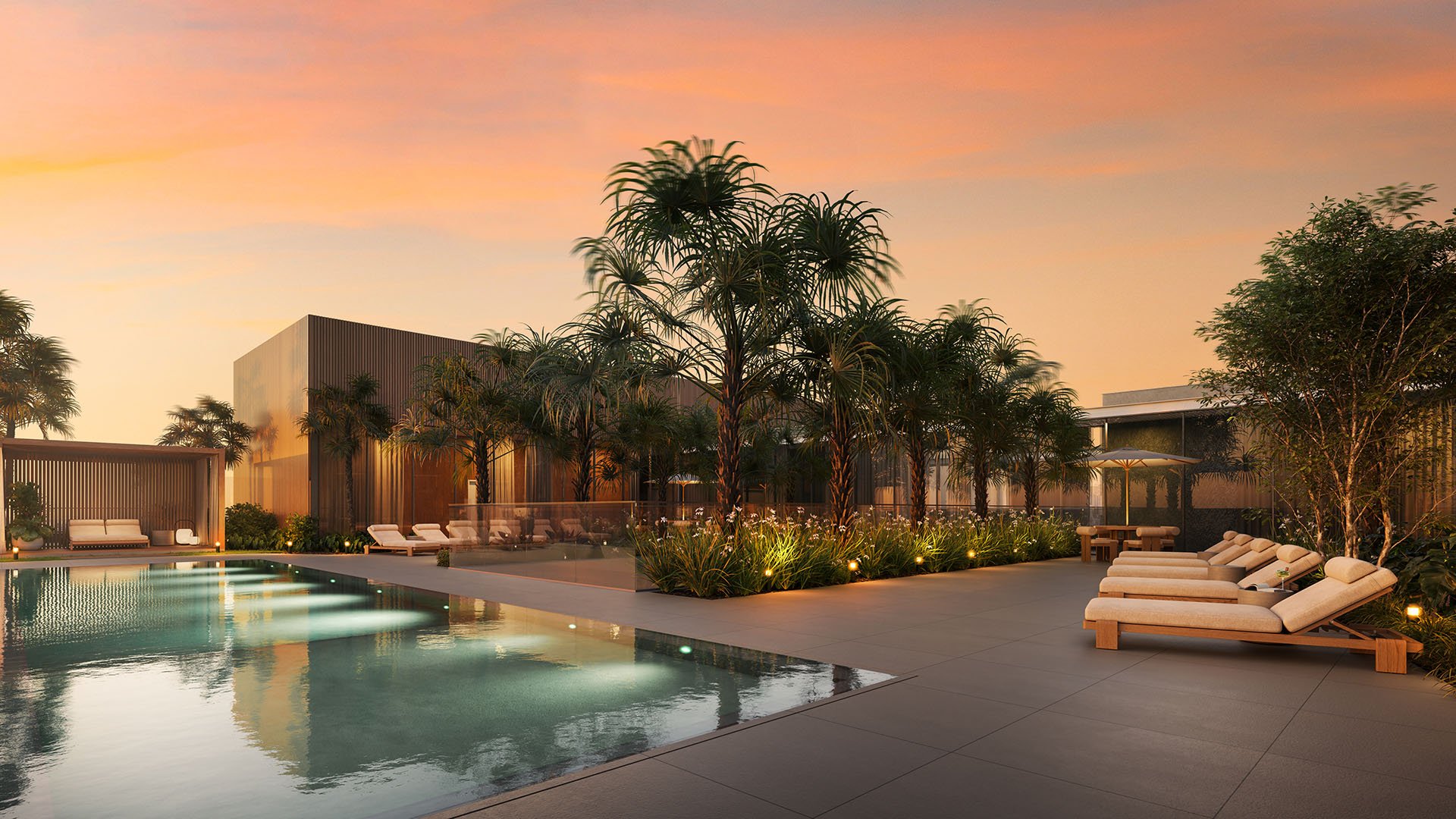
In South Florida luxury real estate, amenities are often presented as theater: the arrival lobby, the ocean-facing Pool, the spa suite, the wine room, the private dining salon. These features still matter. They create atmosphere, elevate daily enjoyment, and help distinguish one residence from another in a crowded ultra-premium market.
Yet sophisticated buyers are asking a more disciplined question: which amenities help a condominium operate better over time? In a market shaped by coastal exposure, insurance sensitivity, high service expectations, and increasingly attentive ownership, the best amenity is not always the flashiest. It is the one that makes oversight more transparent, maintenance more predictable, and board decisions easier to defend.
That shift is especially relevant across Brickell, Aventura, Surfside, and the wider coastal corridor, where buyers are weighing lifestyle against long-term stewardship. A well-designed Balcony, Terrace, or amenity deck is not just a place to entertain. It is also a building element that must be inspected, maintained, funded, and governed with consistency.
1. Building operations center - the governance cockpit
A serious condominium benefits from a dedicated operations center where management can coordinate maintenance, vendor access, incident response, service requests, and building communication. This is not a decorative space. It is the command layer behind the resident experience.
For buyers, a thoughtful operations center suggests that the building was planned for ongoing administration, not merely sales-gallery appeal. It can support clearer records, faster escalation, and better continuity when boards, managers, or vendors change.
2. Preventive maintenance suite - the reserve-planning engine
A preventive maintenance suite, whether expressed as engineering rooms, workshop space, organized storage, or equipment staging areas, can materially improve how a building ages. When staff can store parts properly, access tools efficiently, and address small issues before they become major repairs, reserve planning becomes less reactive.
This type of amenity rarely appears in glossy lifestyle language, but it matters. Buildings that make maintenance easier are better positioned to document patterns, schedule recurring work, and distinguish routine operating needs from larger capital planning.
3. Board-ready meeting and records room - the transparency layer
A well-appointed meeting room can be more than a social amenity. When designed for board use, owner meetings, committee sessions, and secure document review, it becomes an infrastructure asset for governance. The point is not formality for its own sake. The point is repeatability.
Associations with a reliable setting for meetings and records can make it easier for owners to participate, review matters, and understand the difference between lifestyle preferences and fiduciary decisions. For high-value buildings, that distinction is essential.
4. Controlled service access - the wear-and-risk manager
Service corridors, loading areas, package rooms, delivery zones, and staff circulation are not glamorous, but they shape how a building absorbs daily activity. When service access is poorly planned, residential lobbies, elevators, and amenity areas often carry unnecessary wear.
Controlled service access can help protect finishes, reduce conflicts between residents and vendors, and create cleaner accountability for building use. Over time, that can translate into more orderly maintenance assumptions and fewer avoidable repair pressures.
5. Durable wellness and water amenities - the capital-discipline test
Pools, spas, fitness areas, saunas, and outdoor decks are among the most desired amenities in South Florida. They are also among the features that require careful long-term planning. The question is not whether a building has wellness amenities. The question is whether those amenities are durable, maintainable, and proportionate to the association’s future obligations.
A beautiful Pool can be an asset when its finishes, mechanical systems, drainage, furniture, and surrounding deck are treated as part of a lifecycle plan. The same applies to fitness equipment, spa environments, and outdoor lounge areas. Luxury should not mean fragile.
A strong tour should move beyond the obvious. Buyers should certainly evaluate views, ceiling heights, materials, light, privacy, and the quality of shared spaces. But the deeper read comes from how the building functions when no one is performing for the camera.
Look at how deliveries are handled. Notice whether staff areas feel improvised or intentional. Ask how maintenance requests are tracked, how amenity closures are communicated, and how the building separates resident enjoyment from vendor movement. In a high-caliber condominium, service should feel invisible, but never disorganized.
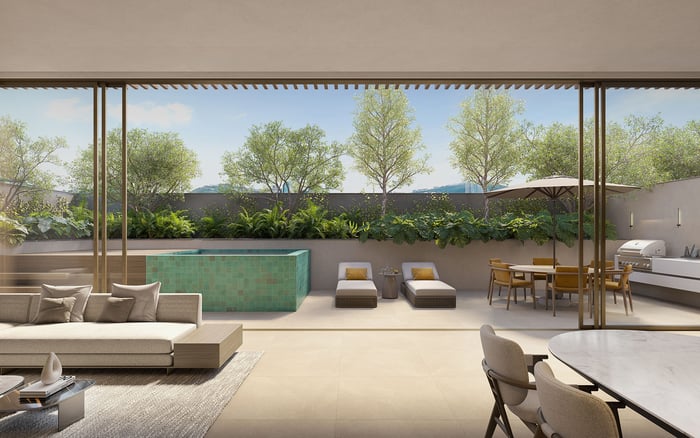
The same lens applies to outdoor space. A Terrace can be a defining luxury in South Florida, yet terraces also demand drainage awareness, waterproofing discipline, railing maintenance, furniture planning, and storm preparation protocols. The better buildings treat these features as long-term assets, not simply lifestyle backdrops.
South Florida condominium living carries a particular intensity. Salt air, sun exposure, tropical rainfall, seasonal ownership patterns, and demanding hospitality expectations all place pressure on buildings. A residence may feel effortless to the owner, but that ease depends on systems that are planned, funded, and managed.
This is where governance and reserve discipline become part of luxury itself. A building with extraordinary design but weak operational structure can become frustrating over time. Conversely, a building with calm management, organized amenity planning, and a clear maintenance culture can preserve confidence even as market cycles change.
The most sophisticated buyers are not rejecting lifestyle amenities. They are reading them more carefully. They want amenities that contribute to pride of ownership without becoming unmanaged liabilities. They want beauty, but they also want evidence that beauty can be maintained.
When comparing condominiums, consider whether each amenity answers one of three questions. First, does it make daily living better? Second, does it reduce operational friction? Third, does it support clearer long-term planning? The strongest amenities can answer all three.
A resident lounge, for example, may reduce pressure on private units for entertaining. A package room may protect lobby order and staff time. A properly managed fitness center may enhance daily life while requiring disciplined equipment replacement. A board-ready room may not sell a view, but it can support the quality of decisions that protect every view in the building.
For South Florida’s most discerning buyers, amenities are no longer only about abundance. They are about alignment: between design and operations, enjoyment and upkeep, prestige and responsibility.
What makes an amenity governance-friendly? It supports organized decision-making, maintenance tracking, resident communication, or controlled building use rather than serving only as a visual luxury.
Should buyers prioritize operational amenities over lifestyle amenities? The strongest buildings balance both. Lifestyle amenities create daily pleasure, while operational amenities help sustain that pleasure over time.
Why does reserve discipline matter to luxury condo buyers? Reserve discipline helps owners understand how major repairs and replacements may be planned, funded, and communicated.
Is a Pool a governance concern? Yes. A Pool can be a major lifestyle asset, but it also requires recurring maintenance, equipment oversight, and future replacement planning.
How can a Balcony affect long-term building planning? A Balcony is part of the building envelope and should be viewed through the lens of maintenance, drainage, safety, and periodic review.
Are back-of-house spaces important in a luxury condominium? Yes. Service areas, storage, and staff circulation often reveal whether the building was planned for smooth long-term operation.
What should buyers ask during a tour? Ask how maintenance requests are handled, how amenity closures are communicated, and how service access is managed.
Do governance-focused amenities affect resale confidence? They can support buyer confidence by signaling that the building is organized, transparent, and attentive to long-term stewardship.
Are these priorities different in Brickell or Surfside? The principles are consistent, though each market has its own lifestyle expectations, exposure conditions, and ownership profile.
Can Aventura buyers use the same framework? Yes. The framework applies wherever condominium ownership depends on shared assets, shared decisions, and disciplined upkeep.
For a tailored shortlist and next-step guidance, connect with MILLION.
If branded residences are on your mind — as a home or as an allocation — we would be glad to share what we are seeing, privately.
Begin a quiet conversation