A discreet buyer’s guide to choosing between the contained rhythm of Grove Isle and the broader neighborhood energy of Coconut Grove, with emphasis on privacy, service choreography, art handling, wine logistics, and luxury deliveries.
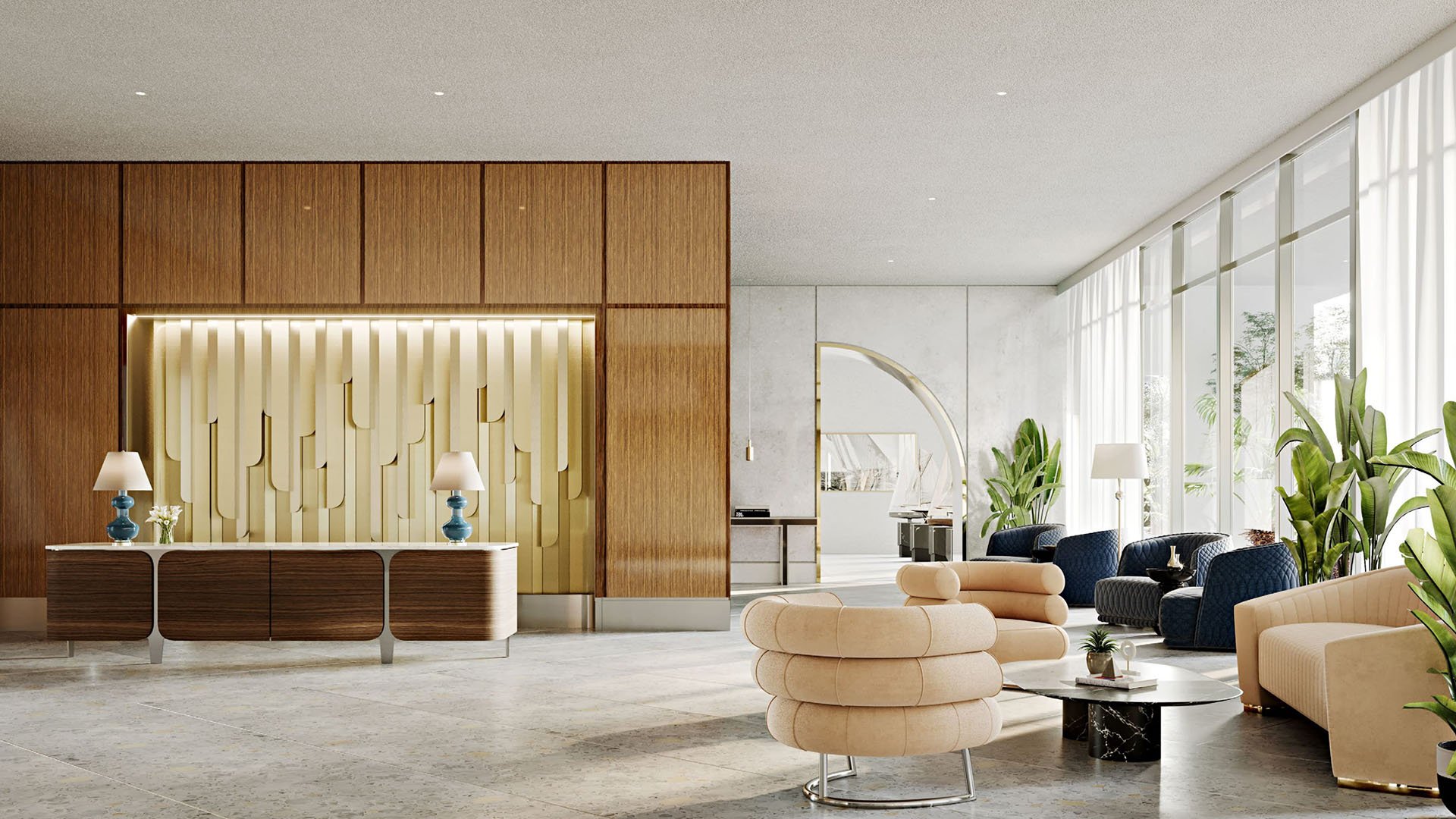
For buyers who collect art, cellar wine, receive couture trunks, rotate watches, or expect white-glove home services, the distinction between Grove Isle and Coconut Grove is not merely geographic. It is operational. The more valuable the object, the more important the choreography: how it arrives, who sees it, where it pauses, and how quietly it moves from curb, dock, elevator, or service corridor into the residence.
Grove Isle tends to appeal to the buyer who wants a contained residential rhythm. Coconut Grove, by contrast, speaks to the buyer who wants the texture of a broader neighborhood, where restaurants, schools, marinas, parks, and private residences create a more varied daily pattern. Both can be elegant. Both can be discreet. The better fit depends on how a household lives behind the front door.
In this niche, luxury is not defined by a chandelier or a view alone. It is the absence of friction. The best residence is the one where a framed work, a rare case of Burgundy, a bespoke suit, or a climate-sensitive delivery can be handled without improvisation.
Grove Isle is best understood as a preference for compression: fewer variables, a calmer residential cadence, and an environment that can be managed with greater predictability. For the buyer who dislikes a constant stream of neighborhood activity near the residence, that containment can feel invaluable.
The advantage is psychological as much as practical. A household that values discretion often wants fewer public transitions. The ideal arrival sequence is quiet, legible, and low-drama. A driver knows where to pause. A delivery team understands the protocol before it arrives. Building staff, if present, can recognize what requires urgency, what requires privacy, and what should never be left unattended.
For art, the question is whether the residence can support careful intake. That means protected pathways, workable elevator dimensions where applicable, appropriate staging, and staff who understand that a crate is not ordinary freight. For wine, the questions become temperature exposure, timing, and whether a delivery can move quickly into proper storage. For luxury deliveries, the critical issue is chain of custody.
Buyers considering Vita at Grove Isle often begin with this larger idea of an enclave lifestyle. The point is not simply address prestige. It is whether the daily environment can support quiet repetition: the same driver, the same household manager, the same trusted vendors, and a routine that never feels performative.
Coconut Grove offers a different kind of luxury. It is less about retreating from the neighborhood and more about choosing a neighborhood with layers. The Grove buyer may want privacy at home while still wanting quick access to dining, boating culture, wellness routines, schools, friends, and the informal elegance that defines the area.
That broader rhythm can be ideal for households with active calendars. A collector may host an intimate salon one evening, attend a private dinner the next, and receive a specialist installer the following morning. The home becomes a base of operations rather than a sealed sanctuary. For some buyers, that is precisely the appeal.
Coconut Grove is also a useful shorthand for buyers who want greenery, water-oriented living, and a residential atmosphere without losing the convenience of Miami. Within that conversation, names such as Grove at Grand Bay, Park Grove Coconut Grove, and The Well Coconut Grove may enter the buyer’s comparison set, not because every residence solves the same service problem, but because each buyer is really measuring privacy, access, and day-to-day ease.
The key is to separate romance from logistics. A beautiful residence that cannot comfortably receive a large art shipment may become frustrating. A stylish home without a sensible delivery sequence may expose too much of the household’s private life. A wine program without a clear intake plan can turn an otherwise polished lifestyle into a recurring operational compromise.
Art changes the residential equation. It demands more than wall space. It demands intelligent movement. A serious buyer should study how a work travels from arrival to installation, and whether that journey feels calm, protected, and private.
The most successful homes reduce visibility at every stage. That does not always require elaborate infrastructure. Sometimes it is as simple as a well-managed arrival window, a trusted staff protocol, a practical staging area, and a service team that knows not to treat art as decor. Discretion is a professional habit.
In Grove Isle, the appeal may be the possibility of fewer interruptions around that process. In Coconut Grove, the appeal may be access to a wider network of specialists, installers, framers, consultants, and household services. The better answer depends on whether the buyer prioritizes a controlled setting or a more connected one.
For large-format work, buyers should ask specific questions before falling in love with a floor plan. Can a crate move without tight turns? Is there a service route that avoids public exposure? Are vendor arrivals managed in a way that protects privacy? Does the residence allow work to be received without disturbing guests or family life?
Wine is unforgiving. Heat, delay, and careless handling can matter. For a buyer with serious bottles, the residence must support quick, quiet transfer from delivery to storage. The right protocol is not glamorous, but it is essential.
The same principle applies to high-value fashion, jewelry, watches, design objects, specialty furnishings, and private retail deliveries. The question is not only whether something can be delivered. The question is whether it can be delivered without creating a scene.
Boutique residences can be attractive when they offer intimacy and staff familiarity, but size alone does not guarantee discretion. A larger residential environment can also function beautifully if protocols are mature and communication is precise. Buyers should focus on service behavior: who receives, who signs, who stores, who notifies, and who has access.
A waterview may define the emotional purchase, but the service sequence defines the lived experience. For certain households, marina proximity may matter because boating, provisioning, and entertaining are part of the rhythm. For others, the priority is a quiet garage arrival and a private elevator experience where available. The correct choice is personal, but the questions should be exact.
Choose Grove Isle if you want the feeling of removal. It is the more intuitive fit for buyers who prefer a contained setting, predictable arrivals, and a quieter residential identity. If your home is a private gallery, a family retreat, or a place where staff coordination should feel almost invisible, Grove Isle may align with the way you want to live.
Choose Coconut Grove if you want discretion without isolation. It suits buyers who value neighborhood energy, social access, and the ability to move between private life and local life with ease. If your household calendar includes dinners, school runs, marina plans, wellness appointments, design meetings, and frequent guests, the Grove’s broader fabric may feel more natural.
The most refined buyers will not decide on branding alone. They will ask to experience the arrival sequence. They will study the garage, lobby, elevator, service access, package room, staffing model, and vendor protocol. They will imagine a painting arriving in rain, a wine shipment arriving in heat, and a trunk delivery arriving while guests are in residence.
In the end, the right address is the one that makes valuable things feel protected and ordinary routines feel effortless. That is the quiet definition of luxury.
Is Grove Isle better for privacy than Coconut Grove? It may suit buyers who prefer a more contained residential setting. The final answer depends on the specific residence, staff model, and arrival sequence.
Is Coconut Grove still discreet enough for high-value deliveries? Yes, it can be, especially when the residence has thoughtful service protocols. Buyers should evaluate the exact path from arrival to storage or installation.
What should art collectors inspect before buying? They should study crate movement, staging areas, elevator access where applicable, and vendor privacy. The route matters as much as the wall where the art will hang.
What matters most for wine deliveries? Temperature exposure, timing, and immediate transfer to proper storage are critical. A polished protocol protects both the bottles and the household’s privacy.
Should buyers prioritize a smaller building for discretion? Not automatically. Boutique scale can help, but disciplined staffing and clear procedures matter more than size alone.
Does a waterfront lifestyle complicate service? It can add variables, especially when entertaining, boating, or provisioning are part of daily life. The best residences make those movements feel seamless.
How should buyers compare service between residences? They should ask practical questions about deliveries, vendor access, package handling, and after-hours procedures. Elegant answers are usually specific, not vague.
Is Grove Isle better for a quiet second home? It may appeal to buyers who want a retreat-like rhythm. A second-home buyer should also confirm how the residence is managed while absent.
Is Coconut Grove better for families with active schedules? It can be a strong fit for households that want privacy plus neighborhood access. The lifestyle is often about balancing home calm with daily convenience.
What is the best way to shortlist comparable options for touring? Start with location fit, delivery status, and daily lifestyle priorities, then compare stacks and elevations to validate views and privacy.
For a tailored shortlist and next-step guidance, connect with MILLION.
If branded residences are on your mind — as a home or as an allocation — we would be glad to share what we are seeing, privately.
Begin a quiet conversation