A buyer-focused guide to deciding when a higher-floor premium creates real daily value, stronger resale appeal, and a more complete luxury ownership experience in South Florida.
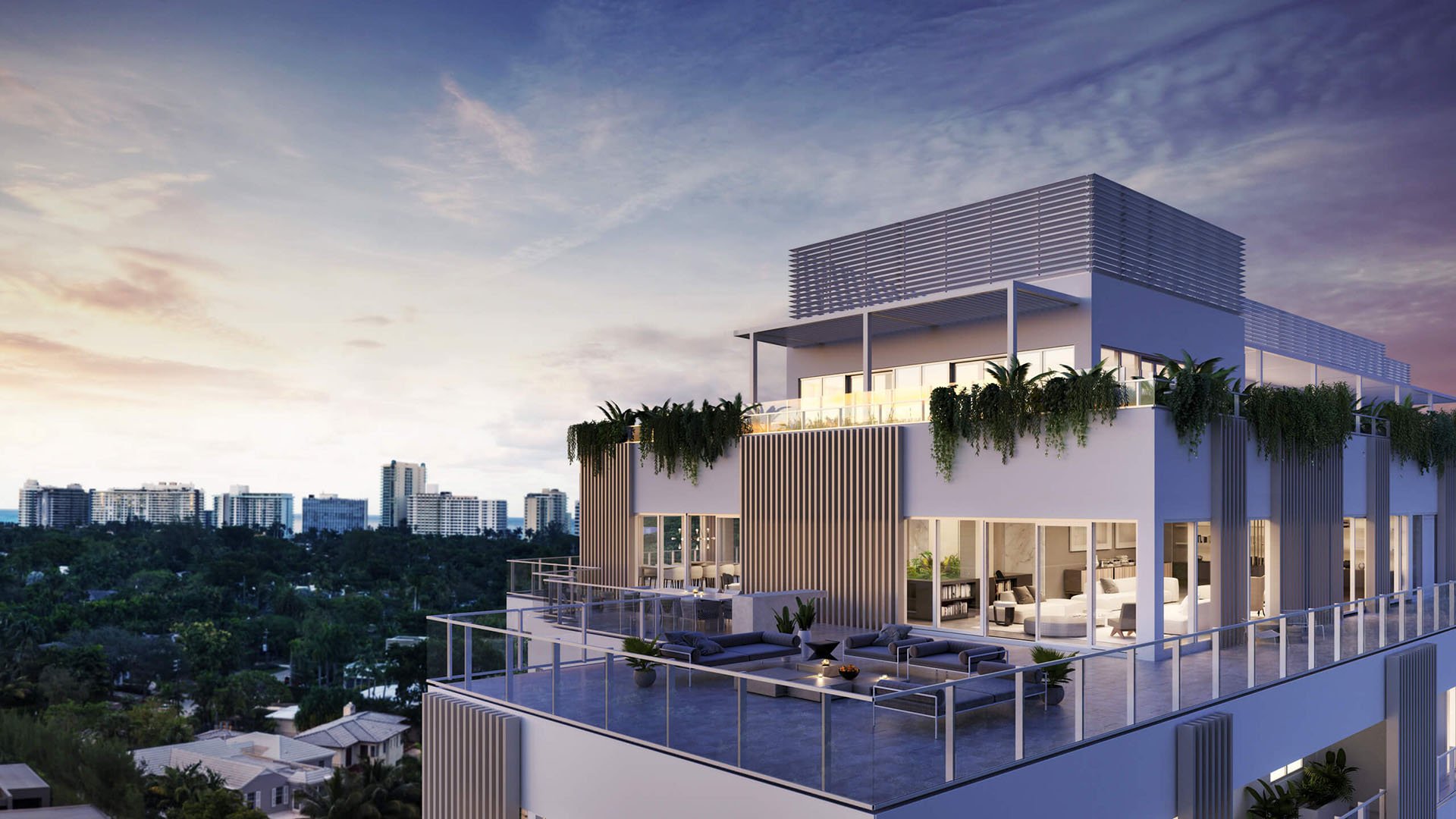
In South Florida, the higher-floor conversation is rarely just about altitude. It is about whether a residence delivers a view that feels materially better each morning, more private each evening, and more defensible when the next buyer compares similar homes. A high floor can be a trophy, but the wiser question is simpler: what, exactly, is the buyer paying to see, feel, and protect?
The answer depends on the view corridor, the building context, the orientation, the surrounding skyline, and the way the residence will be used. A higher floor is most compelling when it solves several luxury problems at once: opening the horizon, reducing visual friction, softening street-level noise, adding privacy, and creating a stronger emotional first impression. When it merely adds a few floors without changing the experience, the premium deserves closer scrutiny.
This is why sophisticated buyers compare high floors and low floors less as status categories and more as lifestyle instruments. The best choice is the floor that allows the residence to live beautifully, photograph honestly, and resell with clarity.
A view premium is not a single line item. It is a layered proposition. The buyer may be paying for water, skyline, sunrise, sunset, garden canopy, yacht movement, beach proximity, or simply the absence of another building in the primary sightline. The strongest premiums combine several of these elements into one legible experience.
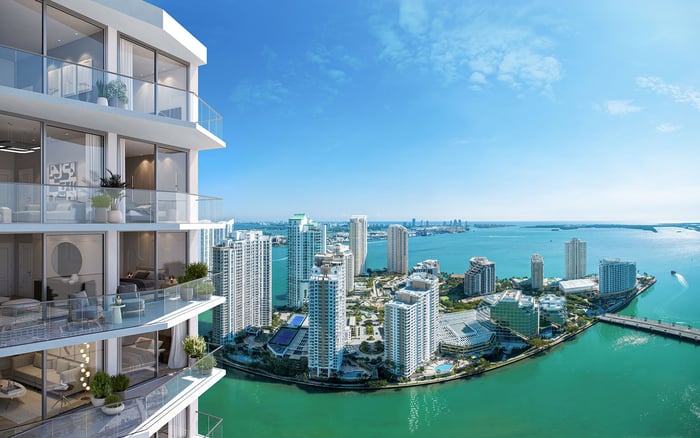
In a dense urban setting, a higher floor can create separation from neighboring towers and make the residence feel calmer. In a waterfront setting, elevation may expand the visual field, turning a partial water glimpse into a more complete water view. In a boutique coastal building, the lower and middle floors may still feel exceptional if the building has a protected exposure or a direct relationship to the landscape.
This is where buyers should be precise. A broad ocean view, a framed bay view, and a glittering skyline view each have a different emotional register. None is universally superior. The right one is the one that aligns with how the owner intends to live.
A higher floor earns its premium when the difference is immediately visible and difficult to replicate. If stepping up in elevation changes the entire residence from enclosed to expansive, the premium begins to make sense. If it adds privacy to primary living areas, improves natural light, and makes entertaining feel more cinematic, it may be worth even more to a buyer who values atmosphere.
In Brickell, for example, the calculus often centers on the relationship between skyline energy and visual openness. A buyer comparing residences near The Residences at 1428 Brickell may think differently about height than a buyer focused only on square footage. Elevation can become part of the daily rhythm: morning light, evening city glow, and a stronger sense of remove from the streets below.
The premium is also more persuasive when it improves the rooms used most often. A dramatic view from a secondary bedroom is pleasant. A view that transforms the living room, kitchen, primary suite, and main terrace is more consequential. Luxury buyers pay for daily repetition, not isolated moments.
Low floors can be the smarter decision when they offer a stronger connection to amenities, gardens, water edges, or neighborhood life. Some buyers want to feel integrated with the setting rather than lifted away from it. For them, a lower residence with generous outdoor space, easier access, or a more intimate outlook can outperform a higher unit that asks more but gives little more in return.
This is especially relevant when the premium for elevation competes with tangible interior value. A buyer may prefer better finishes, a larger plan, a more usable terrace, or a superior line within the building over a higher floor in a less desirable stack. In many cases, the best home is not the highest one. It is the one where floor, floor plan, exposure, and price are in balance.
A thoughtful comparison near Una Residences Brickell might include both high and mid-level options, not because one is automatically better, but because the building line and exposure can matter as much as elevation. Height should never distract from proportion.
Views carry emotional weight because they affect how a residence feels before a buyer studies the floor plan. A horizon can make a room feel larger. Water can slow the mood of a space. A skyline can make a pied-a-terre feel connected to the city even when the owner is in complete privacy.
This psychological layer matters in resale. Buyers remember a first impression. They may forget a hallway measurement, but they remember the moment the elevator opens, the light in the living room, and the view beyond the glass. A higher-floor premium is strongest when it creates that unforgettable arrival.
In Miami Beach, the decision often feels more atmospheric than mathematical. At The Perigon Miami Beach, a buyer thinking about elevation is also thinking about mood, privacy, and the sensory relationship between architecture and setting. The right floor should make the home feel inevitable, not merely expensive.
Investment thinking in luxury residential real estate should be disciplined. A higher floor may support future demand when the view is rare, easy to understand, and aligned with what buyers in that submarket consistently desire. But a premium paid without a clear experiential difference can become fragile.
The best test is to imagine the next buyer walking in cold. Will the view justify itself instantly? Will the floor height be obvious without explanation? Will the residence still feel special if a buyer has toured several similar homes that day? If the answer is yes, the premium has a stronger foundation.
In Sunny Isles, where many buyers are drawn to vertical coastal living, elevation can be part of the identity of the purchase. A residence associated with St. Regis® Residences Sunny Isles may prompt a buyer to examine how ocean, sky, privacy, and building position work together. The strongest investment case is not height alone. It is scarcity of experience.
A view should be evaluated slowly. Visit at different times if possible. Morning light can flatter one exposure while late afternoon reveals glare, shadow, or neighboring activity. Stand where daily life happens: the sofa, the breakfast table, the primary bed, the terrace door. The view from the entry may impress, but the view from the rooms used most often is what the buyer is really buying.
Consider the foreground as carefully as the horizon. A clean foreground can make even a modest view feel elegant. A compromised foreground can weaken an otherwise broad outlook. Privacy is also part of the view equation. If the eye meets another residence too quickly, the sense of luxury may diminish, even from a higher elevation.
In West Palm Beach, where certain buyers value a quieter relationship to water, gardens, and town life, a residence near Alba West Palm Beach may invite a different standard of comparison than a dense urban tower. The question remains the same: does elevation improve the way the home lives?
The most elegant purchases are rarely driven by fear of missing the top floor. They are driven by fit. A higher floor is worth it when it changes the emotional, visual, and practical experience enough to survive comparison. It is not worth it when the buyer is paying for a label without receiving a better home.
For South Florida’s luxury audience, the wisest approach is to separate prestige from performance. Look for the floor where the view is generous, the plan is graceful, the privacy is real, and the price feels proportionate to the daily experience. That is where the premium becomes less about being above everyone else and more about living exactly as intended.
Is a higher floor always better in a luxury condo? No. A higher floor is better only when it materially improves the view, privacy, light, or overall living experience.
What is the most important factor in a view premium? The most important factor is whether the view feels meaningfully better from the rooms used every day.
Can a lower floor be more desirable than a higher floor? Yes. A lower floor can be preferable when it offers better outdoor space, easier access, or a stronger connection to the setting.
Should buyers pay more for a partial water view? Only if the partial view is prominent, enjoyable from key rooms, and priced appropriately against stronger alternatives.
Does floor height affect resale appeal? It can, especially when the elevation creates a memorable and easily understood advantage over comparable residences.
How should I compare two units in the same building? Compare the view, floor plan, exposure, privacy, terrace usability, and price together rather than isolating floor height.
Is skyline view or water view more valuable? Neither is automatically superior. The stronger choice depends on the buyer profile, location, and quality of the specific outlook.
When is a high-floor premium risky? It is risky when the higher floor does not deliver a clearly better experience than a lower or mid-level option.
Should I tour a residence at more than one time of day? Yes. Light, glare, traffic, reflections, and privacy can all feel different throughout the day.
What is the simplest test before paying for elevation? Ask whether the next buyer would instantly understand and value the premium without needing an explanation.
When you're ready to tour or underwrite the options, connect with MILLION.
If branded residences are on your mind — as a home or as an allocation — we would be glad to share what we are seeing, privately.
Begin a quiet conversation