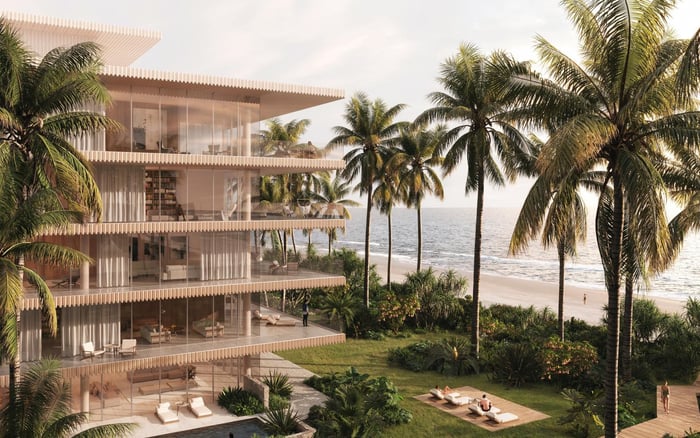
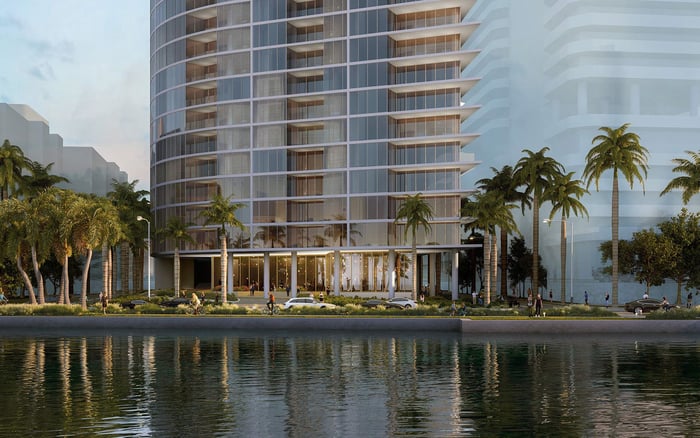
A buyer-focused look at Palm Beach Residences and the distinction between purchasing a home and purchasing an in-town Palm Beach address, with emphasis on prestige, convenience, scarcity and qualitative value.
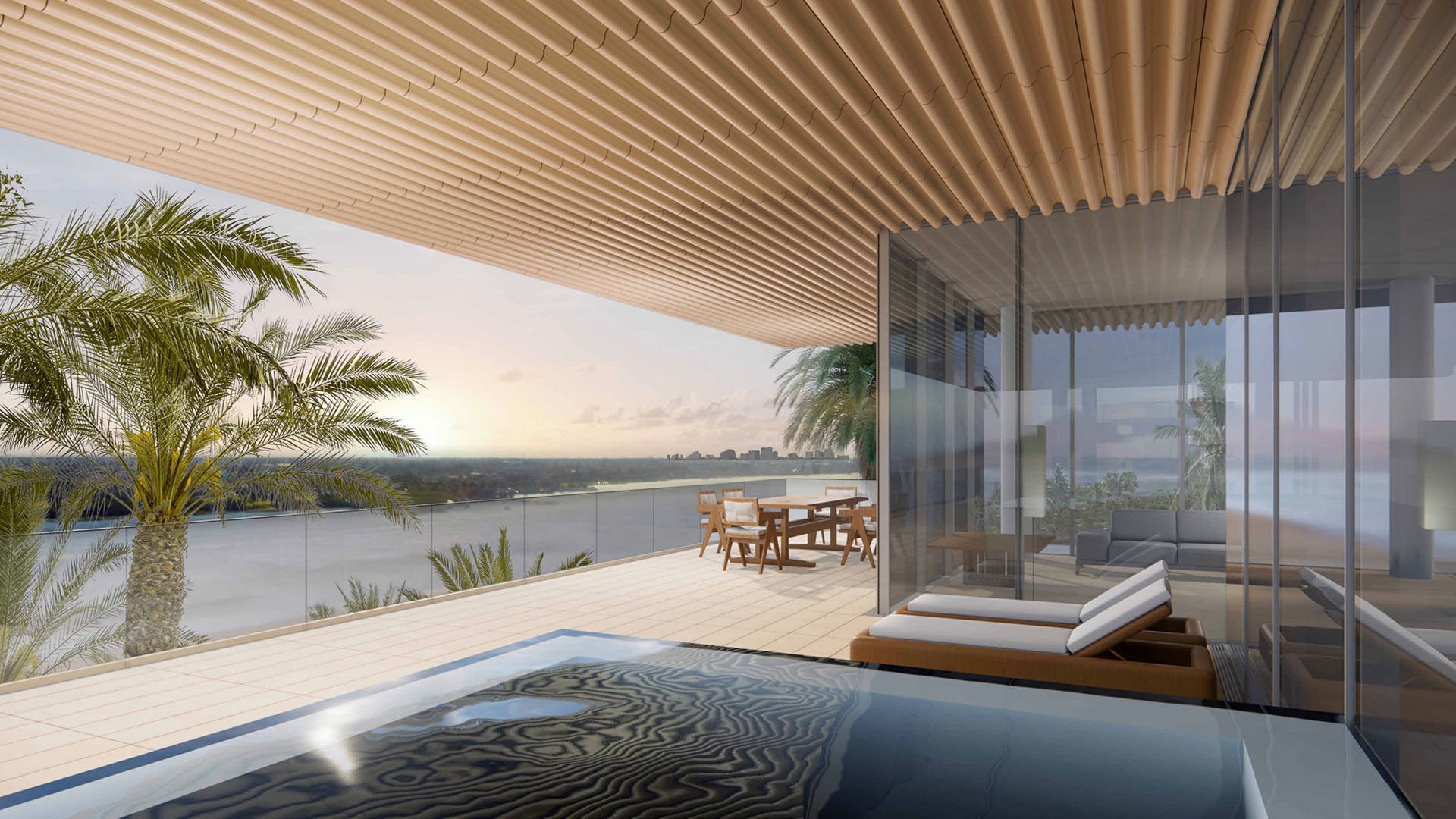
For the South Florida buyer considering Palm Beach Residences, the central question is not only what the residence contains. It is what the address communicates, how it functions day to day, and where it sits within the established social geography of Palm Beach island. In this market, “Palm Beach” should be read with precision. It is not a loose regional phrase, nor a synonym for every nearby luxury corridor. For many buyers, the distinction between Palm Beach island positioning and surrounding municipalities is part of the purchase itself.
That distinction is why Palm Beach Residences belongs in a broader address conversation, not a simple property comparison. A residence can be judged by plan, finish, service, and privacy. An address carries an additional layer: proximity to established amenities, the rhythm of the street, the cultural weight of the neighborhood, and the way future buyers may understand the location at first glance.
In-town Palm Beach prestige is often less about spectacle than compression. The appeal lies in a deeply established island setting where daily life can feel composed, familiar, and highly legible. Walkability matters because it changes the texture of ownership. A buyer is not only choosing square footage or views; the buyer is choosing how quickly the day connects to dining, retail, cultural routines, and the social patterns that have long defined the island.
Worth Avenue remains a useful reference point in this conversation, not as a fixed measurement but as a symbol of in-town desirability. Buyers frequently understand the area through proximity to the island’s established retail and cultural anchors. The more central the setting feels, the more the address can function as a quiet shorthand for convenience and belonging.
This is where address value becomes a blend of practical and symbolic considerations. It includes ease of movement, perceived neighborhood permanence, the scarcity of comparable in-town opportunities, and the way a Palm Beach address reads in a resale conversation. None of those points implies a promised premium. They explain why some buyers value location character as much as physical product.
The comparison with nearby luxury options is not a contest with a universal winner. It is a question of priorities. A buyer focused on Palm Beach island may be seeking address specificity, established neighborhood context, and immediate access to familiar island amenities. Another buyer may prefer the different scale, privacy, service model, or space profile available elsewhere in South Florida.
West Palm Beach is a natural point of comparison because it offers its own evolving residential choices across the water and nearby urban corridors. Properties such as Alba West Palm Beach and Mr. C Residences West Palm Beach can enter a buyer’s search when the brief expands beyond Palm Beach island to include newer residential formats, different lifestyle patterns, or a broader interpretation of convenience.
The important point is not to blur the labels. Palm Beach, West Palm Beach, and the wider South Florida luxury landscape are connected, but they are not interchangeable. A buyer should be clear about whether the objective is to own within the island’s in-town prestige framework or to secure a residence in a neighboring setting that may answer different needs.
Scarcity in Palm Beach is not only about inventory. It is about context that cannot be manufactured quickly. Established streets, historic neighborhood identity, and proximity to long-standing island amenities all contribute to a sense of permanence. For high-end buyers, that permanence can be as meaningful as a view corridor or amenity suite.
Resale perception is similarly qualitative. Future buyers may understand an in-town Palm Beach address immediately, while nearby alternatives may require more explanation. That does not make one better in every circumstance. It simply means the address carries a different kind of market language. Some assets announce themselves through architecture or branding; others do so through location alone.
This is why newer or nearby offerings, including The Ritz-Carlton Residences® West Palm Beach, can be compelling for buyers who prioritize a particular service sensibility or residential format. The tradeoff is not necessarily quality. It is the difference between buying into the Palm Beach island address narrative and buying into a neighboring luxury proposition with its own advantages.
A disciplined Palm Beach buyer should begin with use case. Is the residence intended for seasonal living, extended stays, family gathering, or a more permanent base? The answer may change how much weight to give walkability, privacy, parking, service, building scale, and proximity to island amenities.
Next, separate the emotional signal of the address from daily logistics. In-town prestige is powerful, but it should be tested against routine. Where will dinners happen? How often will the owner want to walk rather than drive? Is the home meant to be a quiet retreat, a social base, or a lock-and-leave residence within a recognizable enclave?
Finally, consider how the address will be explained to the next buyer. A residence with a Palm Beach island address can benefit from a direct and widely understood identity. A neighboring property may compete on layout, newer construction, service, privacy, or value tradeoffs. Both approaches can be rational. The key is knowing which form of value matters most.
Within MILLION’s editorial vocabulary, Palm Beach, West Palm Beach, second-home, investment, resale, and new-construction are useful shorthand for different buyer intentions, but the true decision is more nuanced than any label.
The most sophisticated buyers tend to resist binary thinking. They do not ask whether Palm Beach is automatically superior to every nearby alternative. They ask whether the address supports the way they want to live, host, move, and be perceived. For some, in-town Palm Beach offers the rare combination of prestige, convenience, and neighborhood character that justifies narrowing the search. For others, a nearby residence may offer stronger alignment with space, privacy, or building experience.
The address question is therefore a question of identity. Palm Beach Residences sits within a conversation where the name on the address line has meaning beyond geography. It can shape lifestyle, signal permanence, and influence how the property is understood over time. In a market where many luxury residences can impress, the address is often what makes the choice feel settled.
Why does the Palm Beach address matter so much? It signals island positioning, established neighborhood context, and proximity to long-standing amenities, all of which can shape buyer perception.
Is Palm Beach the same as West Palm Beach? No. They are geographically connected, but Palm Beach island and West Palm Beach are distinct address and lifestyle propositions.
Should buyers compare Palm Beach Residences with nearby projects? Yes, but the comparison should be qualitative, weighing address prestige and convenience against different space, privacy, or service priorities.
Does in-town Palm Beach guarantee stronger resale value? No guarantee should be assumed. The strength of the address is best understood as a perception and scarcity advantage rather than a promised outcome.
Why is Worth Avenue relevant to this conversation? It is a recognized reference point for in-town desirability and the island’s established retail and cultural identity.
What should a seasonal buyer prioritize? A seasonal buyer should focus on ease of arrival, walkability, maintenance simplicity, and how the residence supports recurring stays.
Can nearby West Palm Beach be a luxury alternative? Yes. Nearby projects may appeal to buyers seeking different residential formats, service models, or value tradeoffs outside the island address.
Is this mainly an investment decision? Not entirely. For many buyers, the decision blends lifestyle, social context, convenience, and long-term ownership perception.
What is the biggest risk in comparing addresses? The risk is treating similar regional names as equivalent, when address distinction can materially change the ownership experience.
Who is best suited to an in-town Palm Beach search? Buyers who value established character, recognizable prestige, and convenient access to island amenities are often the strongest fit.
If you'd like a private walkthrough and a curated shortlist, connect with MILLION.
If branded residences are on your mind — as a home or as an allocation — we would be glad to share what we are seeing, privately.
Begin a quiet conversation