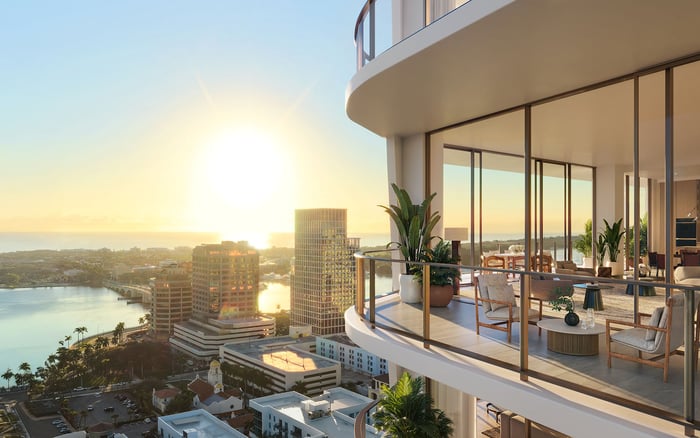
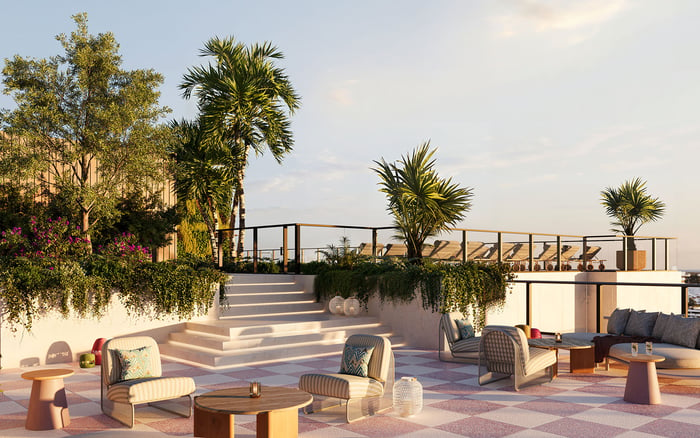
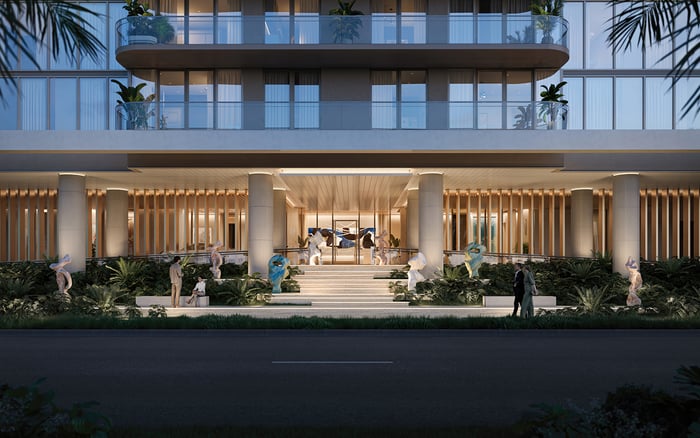
A discreet buyer’s comparison of two distinct South Florida luxury lifestyles: brand-backed service integration in West Palm Beach and coastal residential privacy in Surfside.
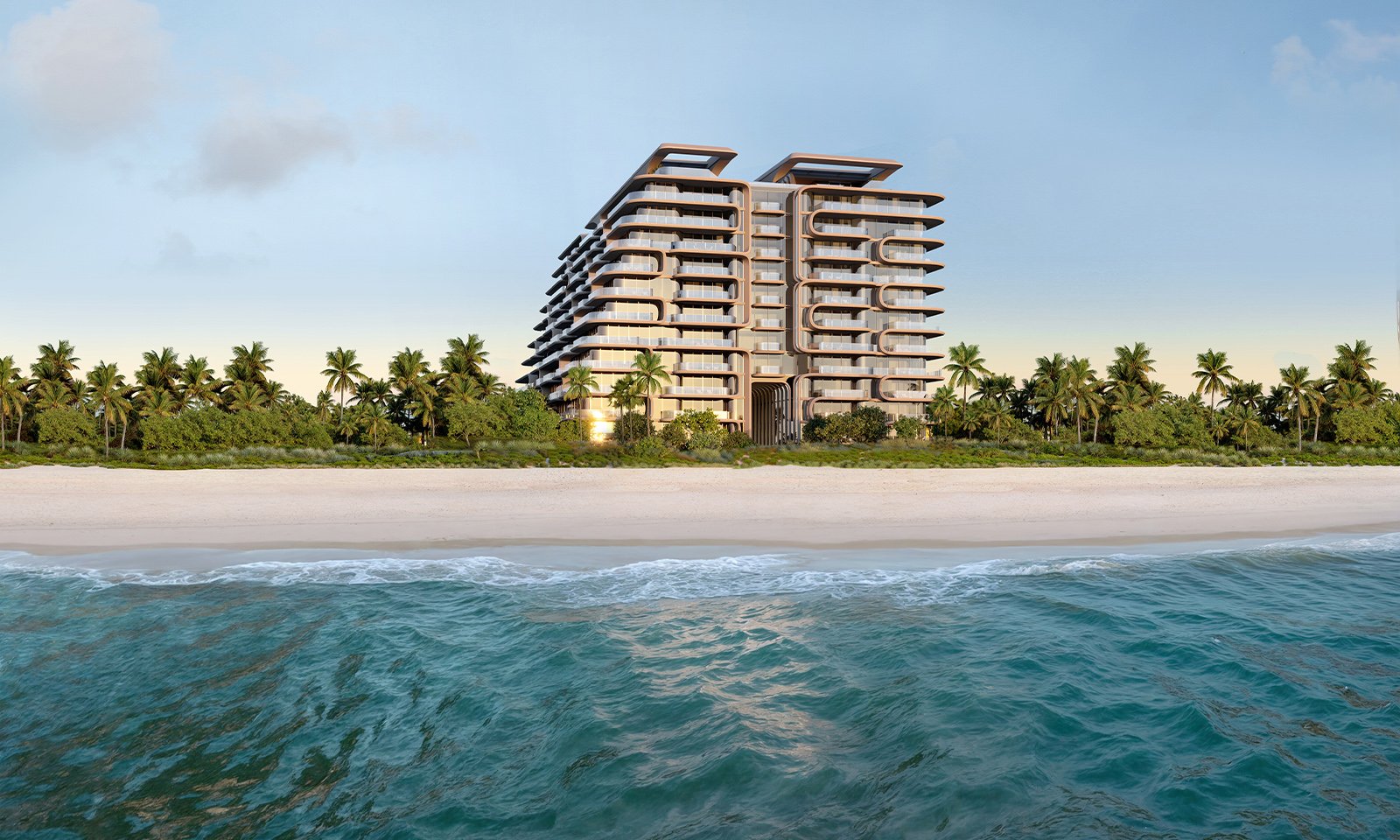
The most useful comparison between The Ritz-Carlton Residences® West Palm Beach and The Delmore Surfside is not a simple amenity checklist. It is a lifestyle contrast between a hospitality-branded residential model in an urban Palm Beach County setting and a quieter coastal residential model in Surfside.
That distinction matters because today’s ultra-luxury buyer is asking more than whether a residence feels beautiful. The sharper question is how the property’s operating culture will shape daily convenience, smart-home expectations, privacy comfort, and service responsiveness. A building can feel effortless for very different reasons. One may lean into brand-backed orchestration, while another may appeal through a more residential, coastal sense of discretion.
For buyers evaluating new-construction and second-home possibilities, the conversation should begin with use patterns. Will the residence be occupied seasonally, staffed privately, shared among family members, or used as a lock-and-leave base? Those answers determine which operational model feels most natural.
The Ritz-Carlton Residences® West Palm Beach sits on the hospitality-branded side of this comparison. The name sets expectations around service culture, residential assistance, and a more integrated sense of daily support. That does not mean buyers should assume a specific smart-home vendor, resident app, or guaranteed service response time. Those details belong in writing.
The stronger editorial lens is service integration. In a hospitality-branded residence, buyers often expect technology to support a broader service ecosystem: access, requests, arrivals, deliveries, maintenance coordination, and owner preferences. Whether those systems are centralized, optional, app-based, or configured by each owner is a practical question for review before contract.
West Palm Beach also changes the lifestyle equation. It suggests proximity to the urban and cultural rhythms of Palm Beach County rather than the quieter seaside cadence of Surfside. Buyers comparing this environment may also look at nearby residential alternatives such as Alba West Palm Beach or Forté on Flagler West Palm Beach to understand how the broader West Palm Beach luxury market presents waterfront, urban, and service-forward living.
The key due-diligence point is not whether the Ritz-Carlton model is “more advanced.” It is whether its service culture aligns with a buyer’s preferred level of interaction. Some owners want staff recognition, coordinated assistance, and a polished hospitality rhythm. Others prefer fewer touchpoints and a lighter operational footprint.
The Delmore Surfside occupies a different lane. It should be viewed through its Surfside luxury-residential positioning rather than through a Ritz-Carlton-style hospitality brand framework. For many buyers, that distinction is the appeal. Surfside carries a quieter Miami-area coastal identity, where privacy, beach proximity, and residential calm often sit at the center of the decision.
In this setting, smart-home readiness may be judged less by brand service choreography and more by how the residence supports private household routines. A buyer may want to understand what is hardwired, what is owner-selected, what can be upgraded after closing, and which systems operate independently of any building-wide platform.
The Delmore Surfside should not be assumed to have a particular automation system, privacy protocol, resident app, or service metric unless those items are documented. The right question is whether the project’s residential model gives an owner the degree of autonomy they want. In Surfside, buyers may also compare the feel of neighboring coastal properties such as Ocean House Surfside, especially if they are weighing privacy and local atmosphere over branded service identity.
Surfside is not simply a location label. It is a lifestyle filter. For some owners, the ideal residence is one where technology is present but quiet, service is available but not intrusive, and the coastal setting does much of the emotional work.
Smart-home readiness is often misread as a question of brand names. In practice, it is a question of infrastructure, control, flexibility, and accountability. Neither The Ritz-Carlton Residences® West Palm Beach nor The Delmore Surfside should be credited with a specific platform unless the buyer has reviewed the project’s current technical specifications.
The first question is what comes delivered with the residence. Are lighting, climate, shades, audio, access, and security pre-wired, pre-installed, or left for owner customization? The second question is who manages upgrades. A residence may be beautifully prepared for automation while still requiring private integrators to tailor the experience.
The third question is resilience. Seasonal owners should ask what can be monitored remotely, what requires on-site access, and how building management interacts with in-unit systems during emergencies or maintenance requests. This is where the West Palm Beach versus Surfside distinction becomes operational rather than cosmetic. A more service-led environment may route requests through hospitality-style workflows, while a quieter residential model may place more control in the owner’s hands.
Neither approach is inherently superior. The better fit depends on whether the owner values coordinated convenience or private autonomy.
In ultra-premium residential real estate, privacy is no longer limited to views, elevators, and arrival sequences. It now includes data. If a residence uses a building app, access credential, guest registration system, package notification tool, or service request platform, buyers should understand what information is collected and who can see it.
For The Ritz-Carlton Residences® West Palm Beach, the central question is how a branded service experience handles personalization. Owners should ask whether preferences are stored, whether they can opt out of certain personalization features, and whether data is shared with third-party vendors.
For The Delmore Surfside, the question is different but equally important. A buyer drawn to coastal residential discretion should confirm whether the privacy promise extends to digital operations. That includes access logs, visitor records, service tickets, maintenance entries, and any smart-home integrations that communicate beyond the residence.
Because no verified privacy policy details are established here for either property, buyers should request current documents directly during diligence. Luxury buyers increasingly understand that the most valuable amenity may be control over what remains unseen.
Service responsiveness is another area where perception can outrun documentation. The Ritz-Carlton name naturally implies a service-led residential expectation. The Delmore Surfside, by contrast, should be assessed as a luxury Surfside residential environment with its own operational style. Yet neither should be evaluated on assumed staffing ratios, guaranteed response times, or concierge service levels without written confirmation.
A practical buyer should ask three questions. What requests are handled by the building? What requests are referred to outside vendors? What timelines, if any, are documented for common needs such as maintenance, package handling, guest access, or after-hours support?
This is especially important for owners who travel frequently. A second-home owner may care less about daily interaction and more about reliability when the residence is unoccupied. A full-time owner may care more about how gracefully the building handles recurring requests without overstepping.
The best service model is the one that matches the owner’s temperament. Some buyers want the confidence of a branded hospitality rhythm. Others want a refined coastal residence that feels private, calm, and less performative.
This comparison is ultimately about fit. The Ritz-Carlton Residences® West Palm Beach will likely appeal to buyers who want an urban Palm Beach County base with a recognized hospitality-branded service sensibility. The Delmore Surfside will likely speak to buyers who prefer a Miami-area coastal setting with a quieter residential identity.
Both deserve the same level of technical scrutiny. Ask for smart-home specifications, privacy policies, service workflows, app details, vendor relationships, and any resident-facing operating standards. Then compare not only what is included, but how the building intends to live with you.
Is The Ritz-Carlton Residences® West Palm Beach confirmed to use a specific smart-home platform? No. Buyers should request current technical specifications rather than assume a vendor or platform.
Is The Delmore Surfside confirmed to use a specific smart-home platform? No. Any automation claims should be verified through official project documentation.
Which property is more service-oriented? The Ritz-Carlton Residences® West Palm Beach is the hospitality-branded side of the comparison, but specific service levels should still be documented.
Which property feels more privacy-oriented? The Delmore Surfside carries a quieter coastal residential positioning, but digital and operational privacy policies should be reviewed.
Should buyers compare smart-home readiness by brand name alone? No. Wiring, delivered systems, upgrade paths, remote access, and ownership of data matter more than a name.
Are service response times verified for either property? No. Buyers should ask for any documented timelines, staffing approach, and after-hours procedures.
What privacy documents should a buyer request? Ask for resident app terms, data retention policies, vendor-sharing language, access-log procedures, and opt-out options.
Why does geography matter in this comparison? West Palm Beach suggests an urban Palm Beach County lifestyle, while Surfside suggests a quieter coastal Miami-area rhythm.
Is this a better-versus-worse comparison? No. It is a fit comparison between branded service integration and coastal residential discretion.
What is the most important diligence question? Ask how technology, privacy, and service are documented in writing, not merely described during a presentation.
If you'd like a private walkthrough and a curated shortlist, connect with MILLION.
If branded residences are on your mind — as a home or as an allocation — we would be glad to share what we are seeing, privately.
Begin a quiet conversation