A practical luxury-buyer guide to the condo amenities that make daily family life more organized, from luggage and uniforms to beach gear and seasonal overflow.
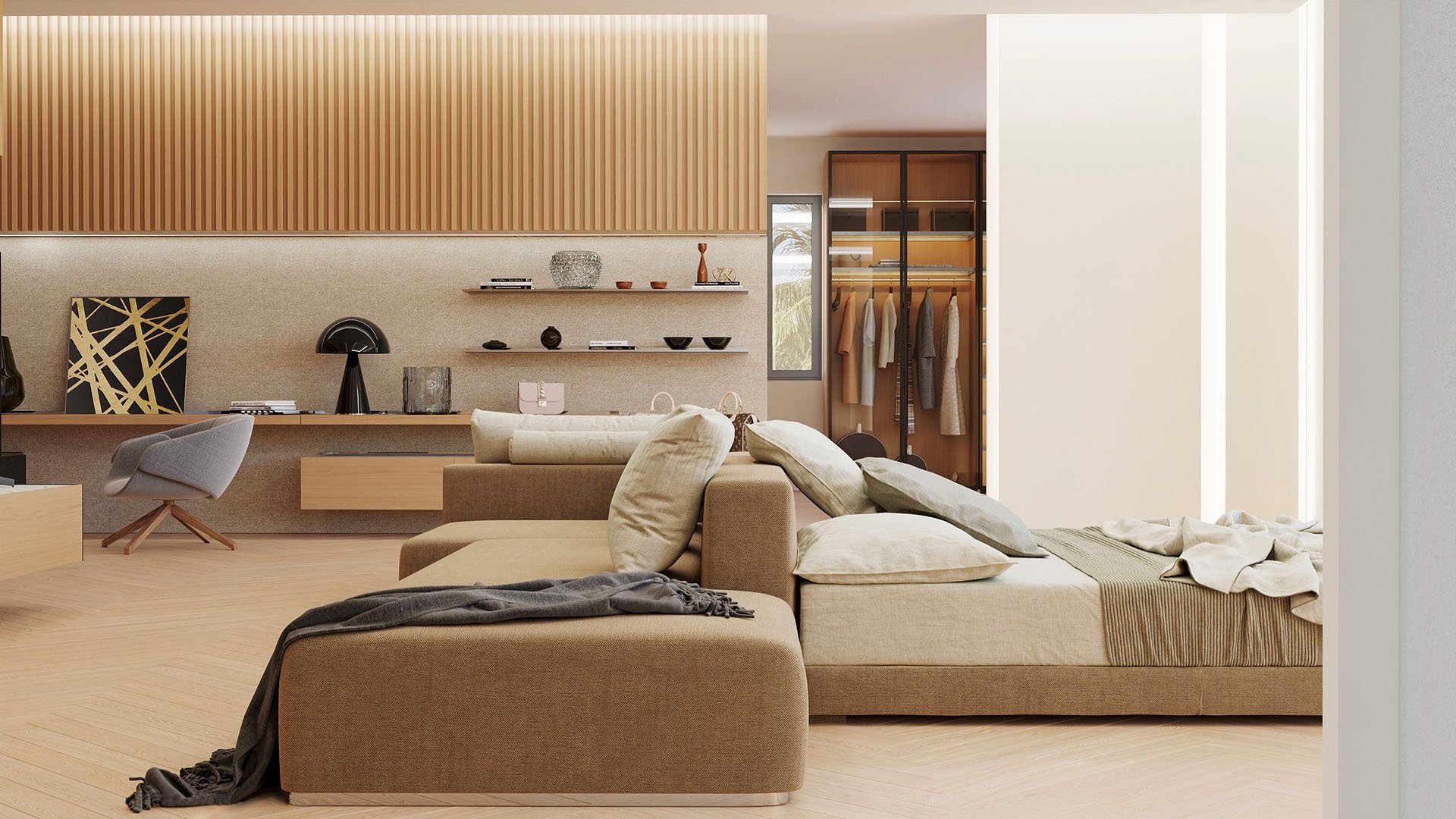
In South Florida, a family residence is rarely asked to do only one thing. It must absorb school mornings, tennis clinics, swim bags, airport departures, visiting relatives, holiday décor, beach equipment, and the weekly rhythm of a household that is both polished and active. For luxury condo buyers, the question is no longer whether a building has amenities. The sharper question is whether those amenities reduce domestic friction.
Storage is often treated as an in-residence issue, solved with closets, millwork, and perhaps an oversized laundry room. Yet families living vertically need a broader system. The most successful buildings help separate what is wet from what is clean, what is used daily from what is seasonal, and what should pass through a lobby from what should move discreetly through service areas.
That distinction matters in markets where families may be choosing among an oceanfront second home, a Brickell pied-à-terre with children, or a full-time residence near schools and clubs. A beautiful tower can still feel undersized if scooters, cleats, backpacks, golf bags, and luggage all compete for the same hallway closet.
1. Private or assigned storage rooms - controlled overflow
The most practical family storage amenity is a secure, dedicated storage area outside the residence. It gives households a place for seasonal luggage, sports equipment, beach items, extra car seats, and holiday materials without compromising the interior design of the home.
For buyers, the key is not simply whether storage exists. Ask where it is located, how it is accessed, whether it is assigned or limited, and whether it can comfortably handle bulky items. A storage room that requires multiple elevator transfers may be less useful than a smaller space positioned near parking or service circulation.
2. Service elevators and back-of-house routes - discreet movement
Family storage is partly about movement. The most elegant residence can feel chaotic if every surfboard, stroller, lacrosse bag, or luggage cart must pass through the main lobby. Service elevators and well-planned back-of-house routes allow families and staff to move equipment without turning daily life into a public performance.
This is especially important before and after travel. A household returning from a long weekend can unload suitcases, coolers, garment bags, and children’s gear with far less strain when the building’s circulation supports the process. For many families, this amenity is less glamorous than a pool deck, but more valuable on a Sunday evening.
3. Package, delivery, and holding rooms - school-year logistics
Families accumulate items in waves: uniforms, textbooks, art supplies, sports deliveries, birthday gifts, camp trunks, and last-minute travel necessities. A well-managed package and holding room can prevent the residence from becoming a staging area for unopened boxes.
The most useful versions are not merely shelves behind a desk. They are organized, accessible, and supported by clear communication. For households managing private-school calendars, after-school activities, and frequent travel, this kind of amenity becomes a quiet extension of the home office, mudroom, and family command center.
4. Bike, board, stroller, and gear rooms - sport-specific order
South Florida family life is active by nature. Bikes, paddleboards, beach carts, scooters, golf accessories, racquets, and children’s helmets all need a place that is neither the foyer nor the balcony. A dedicated gear room allows equipment to stay ready without overwhelming the residence.
The best version of this amenity recognizes that not all gear is clean, dry, or small. Buyers should look for practical access, durable finishes, and a layout that accommodates real family equipment rather than decorative storage concepts. When a building can absorb the messier side of recreation, the private residence remains calmer.
5. Valet, porter, and residence services - storage as a managed experience
The final storage amenity is not a room. It is service. Valet, porter, and residence staff can make the difference between storage that exists and storage that functions. Families benefit when staff can assist with luggage movement, deliveries, carts, guest arrivals, and the transition between car, elevator, and residence.
This does not replace smart interior planning. It enhances it. A well-serviced building allows a family to live with less visible clutter because the logistics of movement, holding, and retrieval are supported by people as well as space.
The most revealing part of a tour is often the route, not the room. Begin at the garage or arrival court and imagine a real family day: two children returning from practice, a grocery delivery, a stroller, a suitcase, and a wet beach bag. Then follow the exact path those items would take into the residence.
In Brickell, where urban convenience and vertical living intersect, buyers considering 2200 Brickell should think carefully about how family gear moves from car to elevator to home. In a coastal setting, the same exercise applies differently: residents comparing beach-oriented living at The Ritz-Carlton Residences® Miami Beach may focus more on wet items, towels, boards, and guest luggage.
For Sunny Isles family buyers, evaluating a residence such as St. Regis® Residences Sunny Isles means asking whether the building supports both resort-style use and a full-time family rhythm. In Coconut Grove, where outdoor life and school proximity often shape buyer priorities, Four Seasons Residences Coconut Grove should be considered through the lens of backpacks, bikes, sports weekends, and visiting relatives. Coral Gables buyers looking at The Village at Coral Gables may place equal emphasis on home-like organization and the ease of daily arrivals.
Building amenities are only half the storage equation. Inside the residence, family buyers should look for an entry sequence that can be adapted to daily use. A formal foyer is beautiful, but a family also needs a discreet drop zone. Cabinetry near the entrance, a laundry area with sorting capacity, deep secondary closets, and flexible den space can all support a more composed household.
The best floor plans avoid forcing every item into a bedroom closet. They offer transition zones between public and private areas. They also allow staff, guests, and children to move through the home without colliding with the storage demands of the day.
When evaluating new-construction or recently completed residences, buyers should resist being distracted only by finishes. Stone, hardware, and views matter, but so does the simple question: where does everything go after 5 p.m. on a school night?
A useful test is to name the five bulkiest categories in your household: luggage, sports equipment, beach gear, school materials, and seasonal overflow. Then assign each category a primary home and a secondary holding place. If either location is unclear, the residence or the building may require additional planning.
This exercise is especially useful for second-home owners who underestimate duplication. A South Florida residence often needs its own sets of beach equipment, children’s items, guest bedding, and travel supplies. Without proper building support, the second home can become a storage container rather than a retreat.
The most refined residences make storage feel invisible. Not absent, not improvised, but quietly resolved.
What is the most important condo amenity for family storage? Dedicated private or assigned storage is usually the most versatile because it can absorb bulky and seasonal items outside the residence.
Should families prioritize larger closets or building storage? Both matter. Closets support daily life, while building storage is better suited to luggage, sports gear, holiday items, and overflow.
Are service elevators important for families? Yes. They make it easier to move luggage, strollers, deliveries, and wet gear without routing everything through formal arrival areas.
What should buyers ask about package rooms? Ask how deliveries are organized, how residents are notified, and whether larger items can be held securely until pickup.
Do beach condos need different storage than urban condos? Often, yes. Beach residences tend to require better planning for towels, boards, carts, wet items, and frequent guest luggage.
How can a buyer test storage during a showing? Walk the route from parking to elevator to residence and imagine carrying school bags, sports gear, groceries, and suitcases.
Is valet service part of a storage strategy? It can be. Strong valet and porter service can make the movement of luggage, equipment, and deliveries far more manageable.
Should families ask about bike and gear rooms? Yes. These rooms can prevent bulky recreational equipment from taking over balconies, foyers, and secondary bedrooms.
Can interior design solve storage problems alone? Not always. Millwork helps, but building-level storage and service determine how well the residence functions day to day.
What is the best way to shortlist comparable options for touring? Start with location fit, delivery status, and daily lifestyle priorities, then compare stacks and elevations to validate views and privacy.
For a discreet conversation and a curated building-by-building shortlist, connect with MILLION.
If branded residences are on your mind — as a home or as an allocation — we would be glad to share what we are seeing, privately.
Begin a quiet conversation