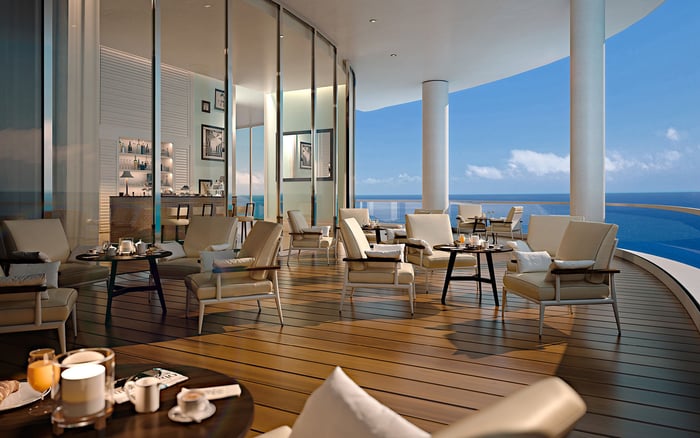
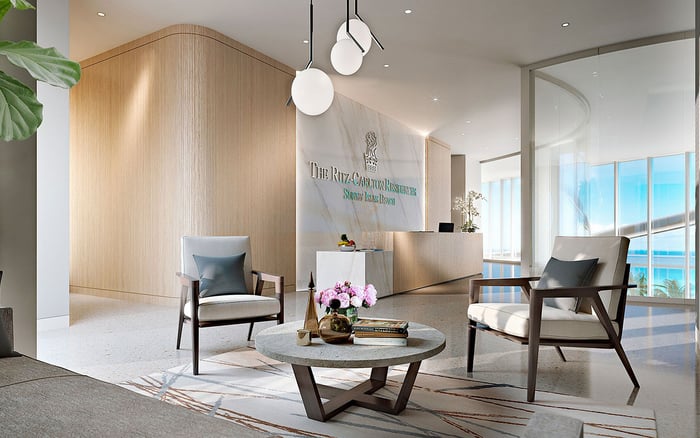
A private-dining room can read like a lifestyle flourish, yet in a luxury condominium it may influence everyday enjoyment, resale expectations, and the practical value of ownership. For 2026 buyers at The Ritz-Carlton Residences® Sunny Isles, the essential work is to verify what is promised, what is controlled by policy, and what is actually enforceable before closing.
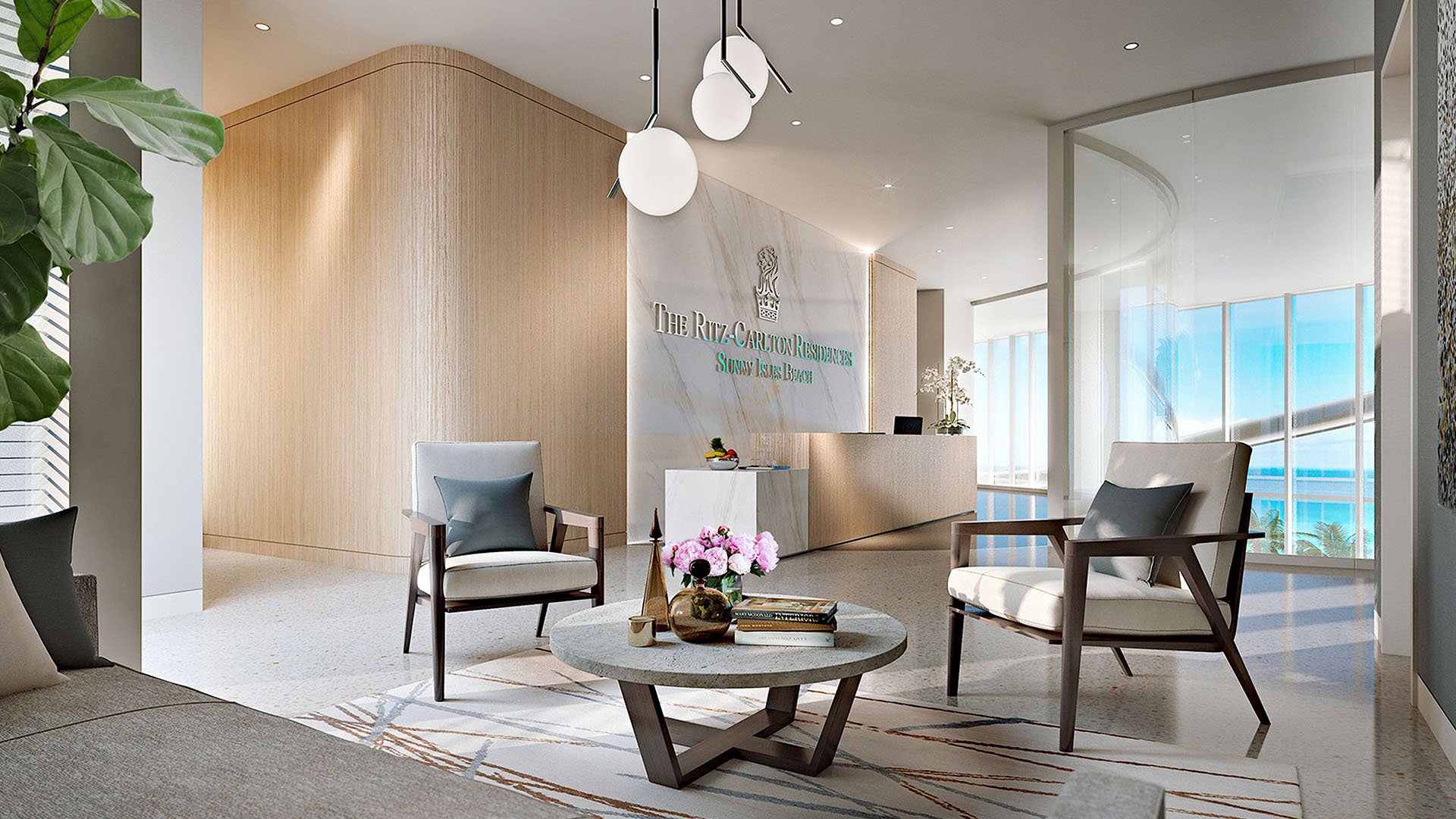
In the upper tier of Sunny Isles Beach, private dining can carry more weight than its understated language suggests. It is not merely a room, a table, or a polished service moment. For a buyer considering The Ritz-Carlton Residences® Sunny Isles, it may function as a value-relevant ownership feature, particularly for residents who entertain privately, host family gatherings, or expect reservation access consistent with the building’s luxury positioning.
The prudent 2026 approach is to treat private-dining reservation rights as a due-diligence item, not a brochure phrase. If a dining venue is described in offering materials or sales conversations, the buyer’s question should be precise: where is the right to reserve, use, prioritize, or pay for that venue documented? The answer may appear in condominium declarations, association rules, purchase contracts, amenity policies, offering materials, or written disclosures. If it does not appear in a binding source, it should not be treated as an enforceable right.
This is especially important in an oceanfront condominium market where lifestyle language can be elegant but legally imprecise. The difference between access and priority access, or between an amenity description and a reservation entitlement, can matter at resale, during peak seasons, and when multiple owners want the same room on the same evening.
A buyer should separate three concepts. First, the existence of a dining facility or culinary amenity. Second, the right of a resident to use it. Third, the right to reserve it with predictable priority, pricing, and guest privileges. These are not the same.
Marketing descriptions may help convey ambiance, but they do not necessarily establish reservation rights. A buyer’s counsel should request the governing language that controls dining access, including current and draft amenity rules. Timing matters. These documents should be requested before contract deadlines, not after closing, when leverage is reduced and any misunderstanding has already become a practical ownership issue.
For Sunny Isles buyers evaluating branded residences, this distinction is central. The presence of a private-dining concept may have emotional pull, but the economic value depends on practical availability. A room that is theoretically available but difficult to book, restricted during important periods, subject to changing procedures, or governed by broad operator discretion may not carry the same value as a clear owner-priority reservation right.
Reservation priority should be reviewed with particular care. Buyers should ask whether owners have priority over tenants, guests, non-resident invitees, or any hotel-style users. They should also clarify whether reservations are handled on a first-come-first-served basis, tiered by unit type, limited by frequency, or restricted by blackout dates.
Those distinctions can become meaningful in daily life. A primary resident may expect access for milestone dinners. A second-home owner may rely on a few peak weeks each year. A buyer focused on resale value may care whether future purchasers can understand the right quickly and confidently. In each case, vague language is not enough.
The best questions are practical. How far in advance may an owner reserve? Can multiple dates be held? Is there a cap on annual use? Are holidays treated differently? Can management deny a request for operational reasons? If there is a hierarchy among owners, tenants, family members, and guests, that hierarchy should be stated before the buyer relies on it.
Private-dining diligence should include a complete pricing review. Reservation fees, food-and-beverage minimums, service charges, cancellation penalties, staffing charges, and association-subsidized costs can all affect the true cost of using the amenity. A buyer should know whether pricing is fixed by rule, set by an operator, approved by the association, or subject to future adjustment.
This is not merely a budget question. If association funds subsidize a dining operation, the buyer should understand how that cost is shared and whether non-users effectively support the amenity. If an operator controls menus, minimums, or event staffing, the buyer should understand how much discretion exists and whether policies can change without owner consent.
The new-construction buyer should be especially attentive to draft rules, preliminary policies, and language that permits future modification. Early materials may describe an intended lifestyle, while the final operating framework may define the actual right.
A buyer should confirm who controls private-dining operations. The responsible party might be the condominium association, a branded manager, a third-party food-and-beverage operator, or another governance structure. Each model carries different implications for oversight, flexibility, and continuity.
Continuity risk deserves direct review. Dining concepts, hours, menus, operators, staffing models, and reservation procedures may change over time. A buyer should not assume that today’s style, schedule, or operating format will remain unchanged indefinitely unless the governing documents clearly limit change.
This is where branded-residence due diligence becomes subtle. Brand standards can shape expectations, but reservation rights still require documentation. If a buyer has been told that private dining will operate in a particular way, that representation should be placed in writing and reconciled with the actual documents before reliance.
Private dining is often most valuable when an owner can host others. That makes guest-use rules essential. Buyers should review limits on private events, family access, unaccompanied guests, catered functions, and owner liability.
The key questions are direct. May family members reserve without the owner present? Are unaccompanied guests permitted? Can outside catering be used, or must all service flow through the building’s approved operator? Are there insurance, security, damage, or cleanup obligations? Are event sizes limited? Can the association suspend access for rule violations or unpaid assessments?
The buyer should also evaluate transferability. Do private-dining rights transfer automatically with a resale? Are they limited to owners in good standing? Can they be suspended or modified by rule? The answer can influence how the amenity is valued by the next purchaser and how confidently a current buyer should underwrite it today.
Before contract deadlines, buyers should obtain the declaration, association rules, purchase agreement provisions, offering materials, amenity policies, and any current or draft reservation procedures that address dining access. Counsel should compare those documents against sales statements and require written clarification where the language is incomplete.
The checklist should confirm whether the venue, if applicable, is resident-only, shared with guests, available to outside parties, or subject to operator discretion. It should verify reservation priority, booking windows, blackout dates, pricing, cancellation terms, guest privileges, operator control, and the process for future rule changes.
The final step is discipline. Do not rely on memory, tone, or hospitality language. If a dining right matters to the purchase decision, the representation should be documented in writing before closing. In a building such as The Ritz-Carlton Residences® Sunny Isles, the most sophisticated buyers will admire the lifestyle, but they will underwrite the documents.
Should private-dining access be treated as an amenity or an ownership right? It should be reviewed as a potentially value-relevant ownership right. The key issue is whether access and reservation priority are documented and enforceable.
Where should a buyer look for reservation rights? Review the declaration, association rules, purchase contract, offering materials, amenity policies, and any current or draft reservation procedures.
Are marketing descriptions enough to rely on? No. Marketing language may describe the lifestyle, but buyers should distinguish it from binding rights to reserve or use a dining venue.
What priority issues matter most? Buyers should ask whether owners have priority over tenants, guests, non-resident invitees, or hotel-style users, and whether bookings are first-come-first-served or tiered.
Can private-dining rules change after closing? They may change if the governing framework allows it. Dining concepts, hours, menus, operators, and reservation procedures should all be reviewed for continuity risk.
What costs should be reviewed? Reservation fees, food-and-beverage minimums, service charges, cancellation penalties, staffing costs, and association-subsidized expenses should be evaluated.
Who controls the dining operation? Control may rest with the association, a branded manager, a third-party food-and-beverage operator, or another governance structure.
Can family members or guests use the space? Guest-use rules should be checked before closing, including limits on family access, unaccompanied guests, private events, catering, and owner liability.
Do dining rights transfer on resale? Buyers should confirm whether rights transfer automatically, apply only to owners in good standing, or can be suspended for assessment or rule violations.
When should counsel request amenity rules? Counsel should request current and draft amenity rules before contract deadlines so unresolved issues can be addressed before closing.
For a confidential assessment and a building-by-building shortlist, connect with MILLION.
If branded residences are on your mind — as a home or as an allocation — we would be glad to share what we are seeing, privately.
Begin a quiet conversation