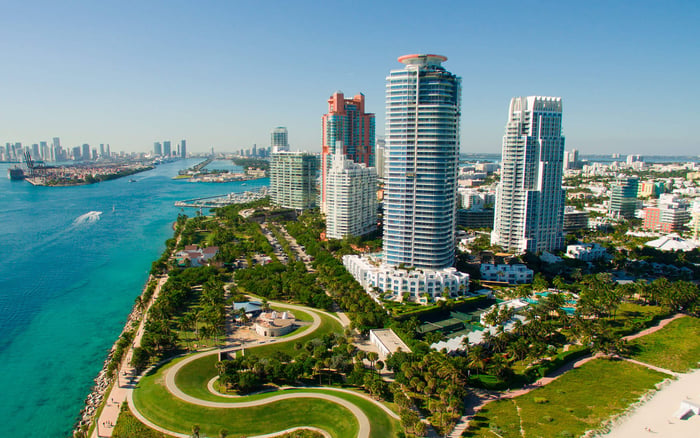
A discreet guide for San Francisco buyers considering Miami, with practical considerations around domicile, California-source income, homestead planning, property taxes, estate strategy and neighborhood selection.

For a San Francisco buyer, Miami can feel like a clean reset: warmer winters, a more global waterfront lifestyle, and a residential market shaped by privacy, service, and views. Yet the most successful California-to-Florida moves are rarely impulsive. They are planned with the same precision as a liquidity event, a family office restructuring, or a cross-border estate plan.
The core issue is not whether Miami is attractive. It is whether the move is credible, complete, and aligned with the buyer’s income, business interests, family obligations, and long-term residence pattern. Tax migration is not accomplished by purchasing a condominium alone. It depends on domicile, documentation, and the daily facts of where a person actually lives, works, votes, banks, receives care, and builds community.
This is where investment logic and lifestyle planning overlap. A trophy residence may be the visible expression of the move, but the private planning behind it is what determines whether the relocation stands up to scrutiny.
Domicile is the legal concept at the center of many California-to-Florida conversations. In simple terms, it asks where a person intends to make a permanent home. Intent matters, but it is not enough by itself. Buyers should expect advisers to evaluate the total pattern of life, including where time is spent, where personal records are maintained, where valuable possessions are located, and where professional and social ties are strongest.
A Miami closing can be an important milestone, but it should be accompanied by practical changes. Florida driver licensing, voter registration, local medical relationships, club memberships, charitable engagement, and banking relationships may all become part of the broader record. For ultra-high-net-worth families, household staff, aircraft logs, school calendars, and board responsibilities can also matter.
The right residence should make the new life easy to live. In Brickell, St. Regis® Residences Brickell appeals to buyers who want a polished urban base close to finance, dining, and international flight patterns. For some former San Francisco residents, that walkable, vertical format feels familiar, while still offering a distinctly Miami rhythm.
A Florida move does not automatically sever every tax connection to California. Buyers with operating companies, carried interests, deferred compensation, real estate holdings, partnership interests, or consulting arrangements tied to California should review what income may remain connected to the state after relocation. The question is not only where the owner sleeps. It is also where the income is earned, sourced, managed, or allocated.
This is especially important for founders, venture investors, executives, and partners who built wealth in the Bay Area. A move may be clean from a personal lifestyle standpoint but more complex financially. Compensation agreements, option exercises, installment sale arrangements, and investment entities should be examined before the move becomes public and before major liquidity events occur.
The most disciplined buyers coordinate counsel, tax advisers, and wealth managers before signing contracts or changing residence status. In many cases, the Miami acquisition is one piece of a broader calendar that includes entity review, trust planning, sale timing, and documentation of travel.
Florida homestead planning can be meaningful, but it is not automatic. Buyers should understand eligibility, filing requirements, and how primary residence status interacts with ownership structure. A residence owned personally may be treated differently from one owned by a trust, limited liability company, or other entity. The preferred structure for privacy or liability reasons may not always be the preferred structure for homestead treatment.
Property taxes should also be modeled carefully. Luxury buyers often focus on purchase price, assessment, and carrying cost, but the true analysis includes insurance, association dues, reserves, maintenance expectations, and potential special assessments. For waterfront homes and full-service condominiums, the operating profile can vary widely depending on building age, amenity intensity, staffing, and location.
Miami Beach buyers considering a resort-like primary residence may look closely at The Perigon Miami Beach, where the appeal is not simply beach proximity. It is the ability to live in a highly serviced environment that can support a real daily routine rather than a rarely used second-home fantasy.
A move from California to Florida should trigger a review of wills, trusts, powers of attorney, health care directives, marital agreements, and asset protection strategy. Documents drafted around California residence may still have value, but they may not reflect the buyer’s new assumptions, new home state, or future family governance needs.
Florida homestead rules, creditor protection considerations, and estate planning objectives can intersect in complex ways. A family buying a principal residence should decide who owns it, how it is funded, how it passes, whether it is part of a marital plan, and how it relates to trusts for children or future generations.
For families seeking a quieter setting, Coconut Grove can be compelling because it offers privacy, mature landscape, and a softer residential cadence. Four Seasons Residences Coconut Grove fits buyers who want a service-rich environment without giving up the feeling of a neighborhood.
San Francisco buyers often arrive with a preference for urban convenience, design quality, and proximity to airports, schools, restaurants, and cultural life. Miami rewards careful neighborhood selection. Brickell may suit finance and global business. Miami Beach may suit oceanfront living and social access. Coconut Grove may suit families seeking greenery and privacy. Sunny Isles Beach may appeal to buyers who prioritize tall towers, water views, and a more resort-oriented coastline.
For those drawn to glass, height, and automobile culture, Bentley Residences Sunny Isles speaks to a different relocation fantasy: not recreating San Francisco, but deliberately choosing a more sunlit, amenity-driven version of daily life.
The best neighborhood is the one that supports the facts of the move. If a buyer claims Florida as the center of life but continues to spend most meaningful time elsewhere, the residence may look more like an asset than a domicile. If the home becomes the family’s true base, with school, work, medical, banking, and community relationships following, the story becomes more coherent.
Before a California buyer closes on a Miami residence, the private checklist should be broader than inspections and financing. It should include a residency calendar, review of California-source income, trust and estate updates, insurance modeling, homestead eligibility, ownership structure, family office administration, and travel documentation.
Buyers should also consider how the home will be used in the first year. A primary residence should be ready for immediate, regular use. Furnishing, staff onboarding, household systems, vehicle registration, club applications, and school or medical transitions should not be afterthoughts. The move becomes more credible when the buyer can demonstrate that the Miami home is not just beautiful, but functional.
The tax appeal of Florida may start the conversation, but lifestyle quality is what sustains it. For many San Francisco families, Miami offers a combination of privacy, connectivity, outdoor living, and international energy that feels less like an escape and more like a strategic next chapter.
Does buying in Miami automatically end California residency? No. A purchase helps establish a Florida base, but residency depends on the full pattern of life and supporting documentation.
Can California still tax income after a Florida move? Yes. Certain California-source income may remain connected to California even after a buyer becomes a Florida resident.
When should tax planning begin? Ideally before the move, before a major liquidity event, and before signing ownership documents for the Florida residence.
Is a condo acceptable as a primary Florida residence? Yes, if it functions as the buyer’s real home and the surrounding facts support Florida domicile.
Should the home be owned personally or through an entity? That depends on privacy, liability, financing, estate planning, and homestead objectives, so legal advice is essential.
What records should relocating buyers maintain? Travel calendars, licenses, voter registration, medical relationships, banking records, and household documentation can all be relevant.
Does homestead planning matter for luxury buyers? Yes. Homestead considerations may affect property tax treatment, ownership structure, and estate planning strategy.
Which Miami areas fit former San Francisco buyers? Brickell, Miami Beach, Coconut Grove, and Sunny Isles Beach often appeal for different combinations of access, privacy, and views.
Can a second home become a primary residence later? It can, but the buyer should align documentation, usage, and personal affairs with that new intent.
Who should be involved in the relocation plan? Tax counsel, estate counsel, wealth advisers, and a discreet real estate adviser should coordinate before and after closing.
For a confidential assessment and a building-by-building shortlist, connect with MILLION.
If branded residences are on your mind — as a home or as an allocation — we would be glad to share what we are seeing, privately.
Begin a quiet conversation