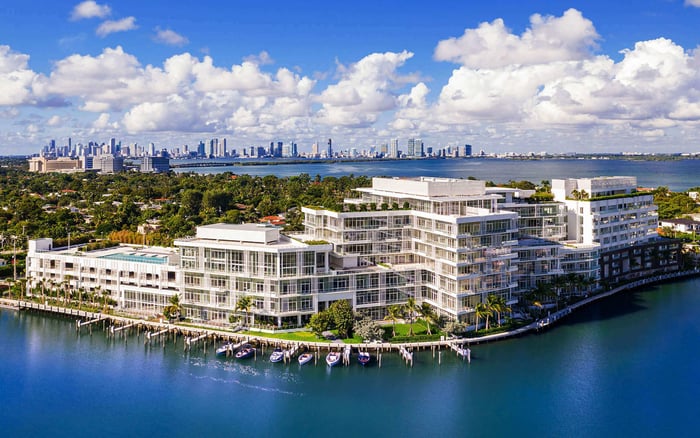
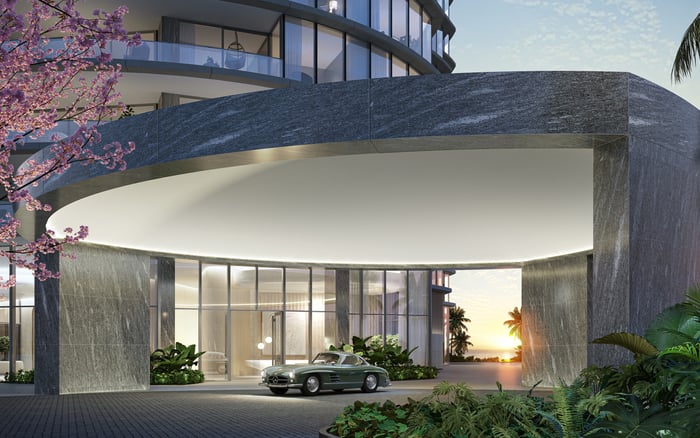
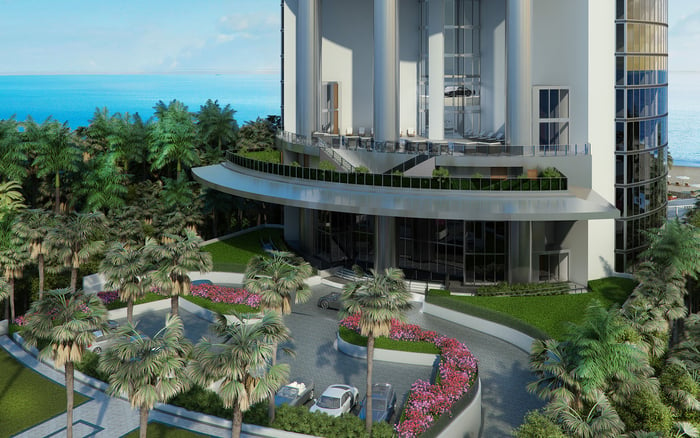
A buyer-focused look at The Surf Club Four Seasons Surfside as a storm-day livability candidate, emphasizing service depth, communication, operating culture, and due diligence rather than unsupported hurricane-performance claims.
In South Florida, the question is no longer whether an ultra-luxury coastal residence looks extraordinary on a blue-sky afternoon. The more revealing question is how it performs when weather turns, elevators are being managed carefully, communication becomes essential, and residents want calm rather than improvisation.
That is the lens through which The Surf Club Four Seasons Surfside deserves close consideration. Its appeal is not that any oceanfront property can credibly be described as storm-proof; serious buyers should reject that language. The stronger, more defensible case is that The Surf Club Four Seasons Surfside combines coastal residential living with the operating culture of a fully serviced hospitality environment, a meaningful distinction for buyers focused on storm-day livability.
For MILLION Buyer's Guides readers, the priority is not only structure. It is continuity. Who communicates with residents? How are common areas managed? What staffing depth exists before, during, and after disruptive weather? How does a property preserve order when the ordinary rhythm of luxury living is interrupted?
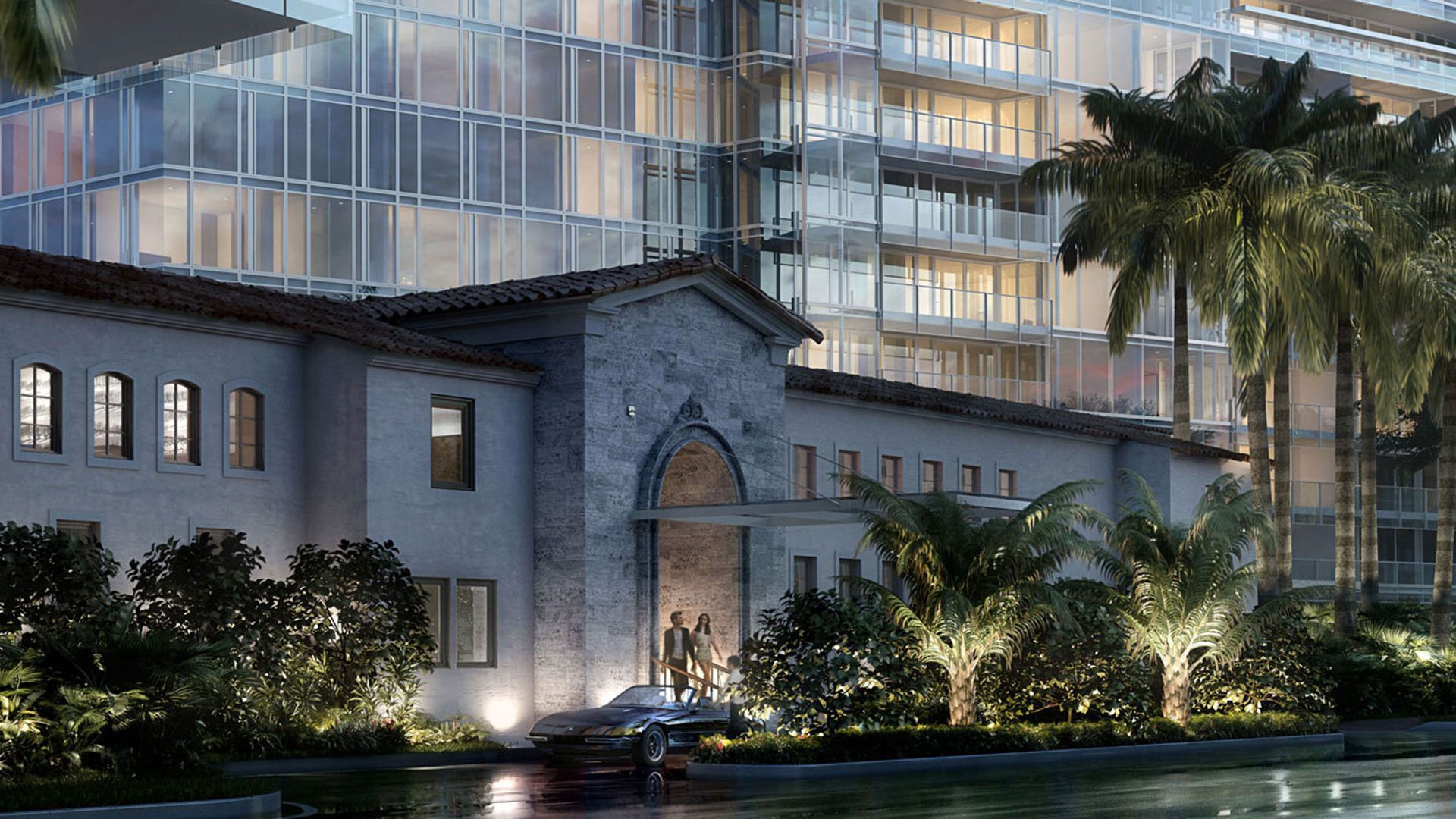
The Surf Club occupies a particular place in Surfside because it is not simply a private condominium tower. It is positioned as a hybrid of historic club, luxury resort, and private residential towers, with Four Seasons affiliation central to its identity. That matters because storm-day livability often depends on operations as much as architecture.
A stand-alone tower can be beautifully designed and professionally managed, yet still rely primarily on conventional condominium administration during a weather event. A resort-integrated residential property begins from a different premise. Service, staffing, communications, guest flow, resident expectations, and daily operations are part of the building’s culture. In disruptive conditions, that culture can become more than a lifestyle feature. It can become a source of confidence.
This is why Branded Residences are increasingly part of resilience conversations among South Florida buyers. The brand alone does not answer every technical question, and it should never replace engineering review. But the operating platform can shape how residents experience uncertainty. At The Surf Club, the Four Seasons component supports the case for a more professionalized resident experience, especially when clarity, calm, and coordinated service matter.
Oceanfront living carries obvious rewards: horizon views, immediate beach proximity, and the prestige of addresses that sit directly on the Atlantic. It also carries a due-diligence burden. Buyers comparing oceanfront residences in Surfside, Bal Harbour, Miami Beach, Sunny Isles, and Fort Lauderdale increasingly evaluate systems, staff, and restoration planning alongside finishes and amenities.
The Surf Club’s advantage is the complete package: building quality, operating depth, service culture, location, and the emotional assurance of a hospitality-grade environment. That is different from claiming a property can remove risk. It cannot. Rather, this model may be better suited to storm-day livability than less serviced coastal ownership formats where residents depend mainly on a smaller management apparatus.
This same buyer mindset appears across the upper tier of the region. Someone weighing Four Seasons Hotel & Private Residences Fort Lauderdale may naturally ask how a hotel-residential platform supports continuity. A buyer studying The Ritz-Carlton Residences® Pompano Beach may focus on the distinction between branded service and conventional tower operations. In Surfside itself, comparisons with The Delmore Surfside and Eighty Seven Park Surfside should include not only design and privacy, but also how each ownership model communicates and functions when the weather is imperfect.
The phrase needs precision. Storm-day livability does not certify hurricane performance. It does not imply a guarantee of uninterrupted power, elevator access, air conditioning, water service, or post-storm access. Those items require building-specific verification.
Instead, storm-day livability asks whether a residence is likely to remain more orderly, better supported, and more comfortable when normal routines are stressed. It includes communication before a storm, staffing protocols during a watch or warning, resident assistance, lobby and arrival management, amenity closures, package and vendor coordination, and the speed with which service can resume after conditions pass.
For second-home owners, this can be especially important. If an owner is away, the property’s communication cadence matters. If family members are in residence, staffing and clarity matter. If a buyer expects to shelter in place during some weather events rather than treat every hurricane watch as an automatic evacuation trigger, the operating model deserves the same scrutiny as views, ceiling heights, and terrace depth.
The Surf Club belongs on the shortlist, but a shortlist is not a substitute for diligence. Buyers should request specific answers from the appropriate property representatives and professional advisers. The most important questions are practical.
What areas are covered by backup power, and for how long under expected conditions? Which elevators, if any, are supported by emergency systems? How are residents notified before, during, and after disruptive weather? What is the staffing protocol when access to the barrier island may be constrained? What plans exist for potable water, cooling, security, life-safety systems, and post-storm restoration?
Buyers should also ask about impact-glass or shutter specifications, flood-related planning, garage and lobby procedures, vendor access, insurance context, and the building’s process for reopening amenities. The goal is not to find a perfect answer, because coastal living has inherent variables. The goal is to understand whether the property’s systems and service culture align with the buyer’s tolerance for uncertainty.
The best fit is a buyer who wants the romance of Surfside oceanfront living without treating service as decorative. This buyer values discretion, hotel-caliber staffing, and a residential experience that feels curated even when conditions outside are unsettled.
It is also relevant for families who use South Florida as a seasonal base, executives who want confidence while traveling, and owners who care about lifestyle continuity as much as architectural prestige. The Surf Club Four Seasons Surfside should not be considered because it promises to defeat weather. It should be considered because its hybrid identity may offer a more composed ownership experience when weather becomes part of the ownership equation.
That is the modern luxury standard in coastal South Florida: not simply the best view on the best day, but the most considered living environment on the complicated day.
Is The Surf Club Four Seasons Surfside storm-proof? No. The stronger framing is that its serviced operating model may support better storm-day livability than less serviced ownership formats.
Why does the Four Seasons affiliation matter during storms? Hospitality-grade staffing and service culture can help with communication, coordination, and resident confidence during disruptive weather.
Is storm-day livability only about engineering? No. It also includes comfort, continuity, communication, staffing, and the way residents are supported before and after a storm.
Should buyers still review technical building details? Yes. Backup power, elevator coverage, impact systems, flood planning, and emergency protocols should all be verified directly.
Does oceanfront living require extra diligence? Yes. Oceanfront ownership offers exceptional lifestyle value, but storm readiness is a relevant part of any coastal purchase review.
Who is the ideal buyer for this property? It suits buyers who want Surfside prestige, resort-level service, and a calmer ownership experience during weather disruptions.
Can residents assume they can shelter in place? No. Shelter decisions should follow official guidance and personal circumstances, supported by property-specific information.
How does The Surf Club differ from a stand-alone condominium? Its identity combines private residences with a branded resort and historic club environment, not only conventional condo management.
What should second-home owners ask about? They should ask how the property communicates with absent owners, secures residences, and manages post-storm restoration steps.
Why is this relevant to luxury buyers now? South Florida buyers increasingly evaluate resilience, systems, and service continuity alongside design, views, and amenities.
To compare the best-fit options with clarity, connect with MILLION.
If branded residences are on your mind — as a home or as an allocation — we would be glad to share what we are seeing, privately.
Begin a quiet conversation