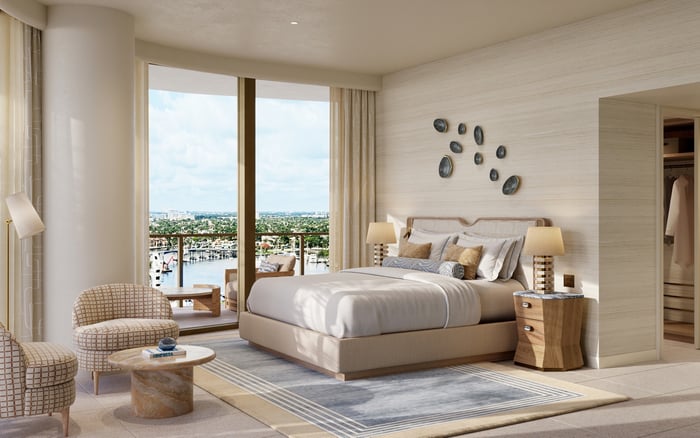
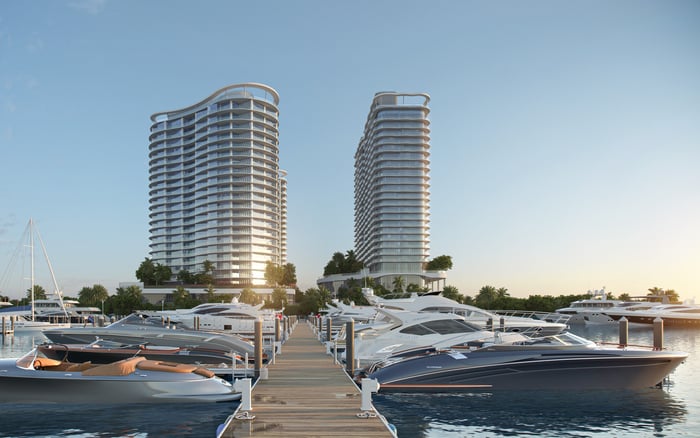
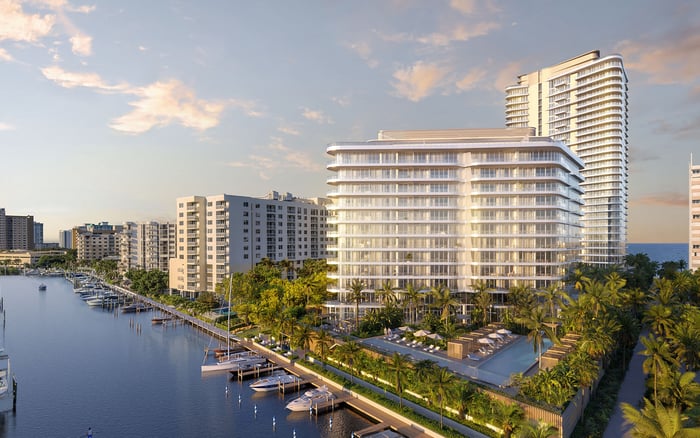
A buyer-oriented look at how three high-profile branded residences frame the shift from seasonal use to full-time South Florida living across Miami and Broward County.
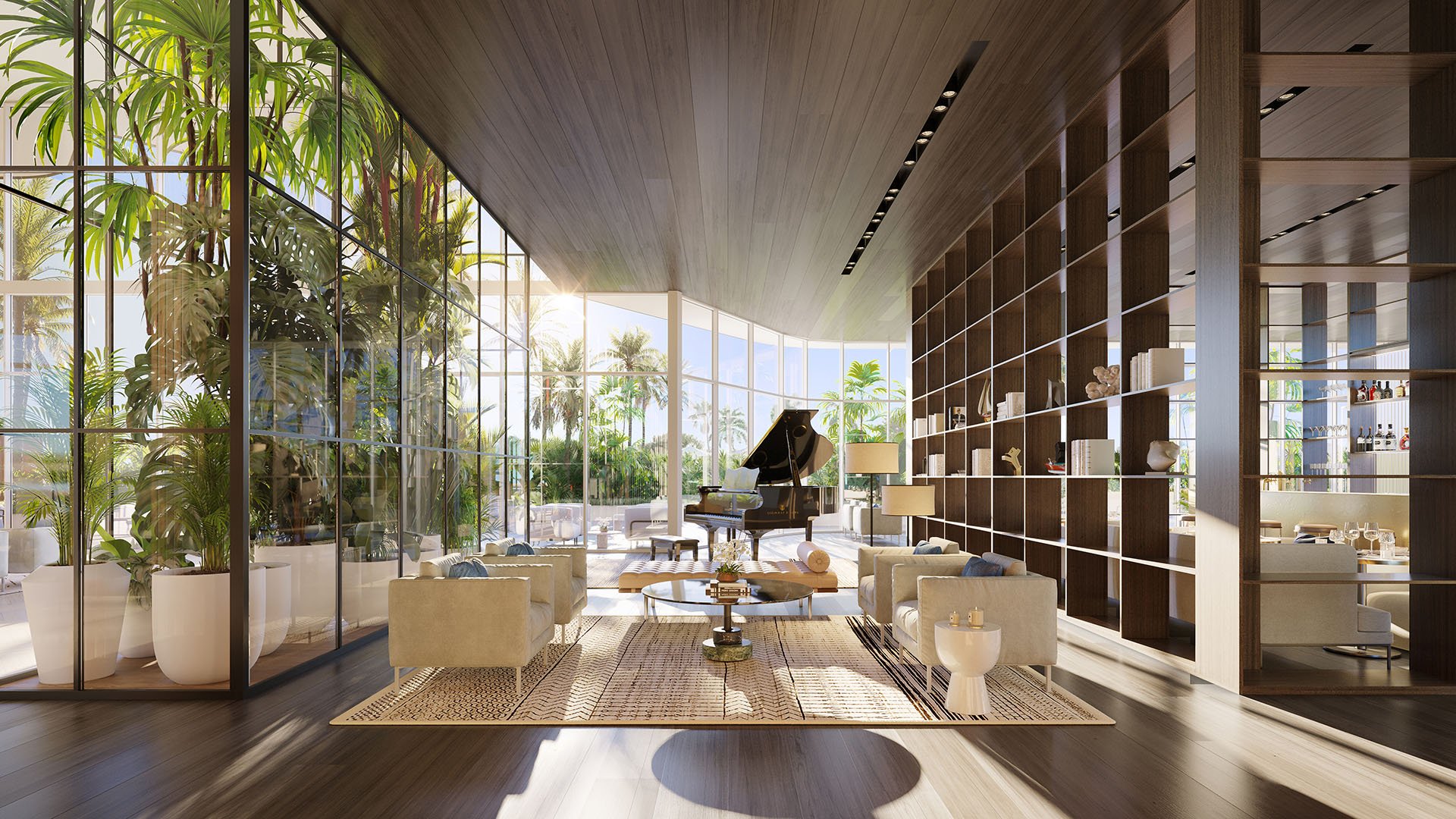
The most compelling question in South Florida luxury real estate is no longer whether a residence impresses for a winter stay. It is whether it can support a sophisticated, year-round life without compromise. That shift changes how buyers should read projects such as 619 Residences by Foster + Partners + Nobu Hospitality, St. Regis® Residences Bahia Mar Fort Lauderdale, and The Ritz-Carlton Residences® Pompano Beach.
Each name belongs to a broader conversation about branded residential living, but the buyer logic differs in each case. For a full-time resident, the point is not simply a prestigious logo, a recognizable architect, or a glamorous hospitality association. The point is how brand, location, service, privacy, and daily rhythm work together after the first season ends.
Hospitality-branded residences occupy a distinct position because they are not conventional condominium products. The promise is not only ownership, but a more managed way of living. For full-time residents, that can mean heightened expectations around arrival, maintenance, discretion, amenity operation, and continuity between private home and serviced environment.
This distinction matters. A seasonal buyer may prioritize views, entertaining, and immediate lifestyle gratification. A full-time buyer often studies the experience more closely: how the building will feel on a weekday morning, whether the neighborhood has enough depth beyond resort hours, and whether the service culture is built for residents rather than visitors.
New-construction buyers in South Florida are increasingly sensitive to this difference. They are not only purchasing a unit. They are choosing a daily operating system, and the stronger projects understand that luxury must function quietly.
St. Regis® Residences Bahia Mar Fort Lauderdale is the clearest Fort Lauderdale reference point among the projects named in this discussion. Its relevance to full-time living rests on three ideas: branded service, waterfront setting, and year-round residential suitability.
The Bahia Mar name places the project squarely within Fort Lauderdale’s waterfront identity. It evokes a marina-oriented lifestyle context rather than a generic high-rise address. For buyers who want Broward coastal living without losing the texture of a real city, that matters. Fort Lauderdale offers a different rhythm from Miami, with a maritime character that can feel more residential and grounded for those who intend to live in South Florida throughout the year.
That does not make St. Regis® Residences Bahia Mar Fort Lauderdale simply a Fort Lauderdale version of a Miami branded tower. Its role is more specific. It represents a hospitality-branded residential option at the center of the Fort Lauderdale portion of the comparison, and it should be evaluated through the lens of waterfront living, service expectations, and the ability to support a permanent address.
For many buyers, Broward is no longer merely an alternative to Miami. It is a deliberate choice, especially when the lifestyle brief includes boating culture, coastal access, and a more measured daily pace.
The Ritz-Carlton Residences® Pompano Beach extends the branded-residence conversation north of Fort Lauderdale. That geographic move is significant. It shows that luxury hospitality brands are not concentrated only in South Florida’s most established enclaves; they are also helping define newer or newly elevated coastal micro-markets.
For full-time living, the project matters because it combines a globally recognized hospitality brand with a residential coastal setting. That pairing is central to the buyer thesis. Pompano Beach should not be treated as interchangeable with Fort Lauderdale. It is its own micro-market, with its own pacing, buyer psychology, and coastline identity.
Oceanfront living in Pompano Beach can appeal to owners who want the service language of a major hospitality name while positioning themselves in a coastal setting north of Fort Lauderdale’s core. In that sense, The Ritz-Carlton Residences® Pompano Beach broadens the definition of luxury living along Broward County’s shoreline.
The key for buyers is to decide whether the micro-market itself fits their full-time life. Brand recognition may open the door, but daily satisfaction depends on the surrounding environment as much as the residence.
619 Residences by Foster + Partners + Nobu Hospitality enters the conversation differently. Based on the project name alone, buyers will naturally read it through associations with international architecture and hospitality culture. That makes it relevant to the same branded-residence dialogue, but it should be approached with more careful project-level due diligence when compared with the confirmed Broward waterfront anchors.
Its inclusion points to the Miami side of the discussion, where the full-time buyer is often balancing urban energy, design ambition, dining culture, and access to the broader metropolitan core. Compared with Fort Lauderdale and Pompano Beach, the question is less about Broward’s coastal expansion and more about whether the buyer wants a denser, more city-forward version of South Florida life.
For a purchaser considering all three, the right comparison is not brand versus brand. It is lifestyle format versus lifestyle format. Miami may appeal to those who want intensity and connectivity. Fort Lauderdale may appeal to those who want a waterfront city with a boating sensibility. Pompano Beach may appeal to those who want branded coastal living in a distinct northern Broward context.
A serious full-time buyer should begin with personal rhythm. Where will mornings happen? Where will guests arrive? How often will the owner use the waterfront, the dining scene, the airport corridor, the marina network, or the beach itself? These questions are more revealing than a simple ranking of brands.
Service is the second filter. St. Regis® and The Ritz-Carlton carry different hospitality associations, and buyers should consider how each service culture aligns with private residential life. The most successful branded residences feel present without becoming performative. They provide structure without intruding on the home.
The third filter is micro-market conviction. Fort Lauderdale and Pompano Beach are both Broward coastal markets, but they are not the same decision. A buyer who loves Bahia Mar’s waterfront and marina identity may not want the same daily life as a buyer drawn to Pompano Beach’s northern coastal setting. Similarly, a buyer considering 619 may be making an urban Miami decision first, with brand and design as part of a broader city-life preference.
These projects belong in the same conversation because they reflect the maturation of South Florida luxury housing. The best residences are no longer judged only by seasonal glamour. They are judged by how well they absorb real life: work, wellness, guests, privacy, service, and the repeated rituals of home.
St. Regis® Residences Bahia Mar Fort Lauderdale gives the conversation a Fort Lauderdale waterfront anchor. The Ritz-Carlton Residences® Pompano Beach shows how branded living is broadening across Broward County’s coastline. 619 Residences by Foster + Partners + Nobu Hospitality brings the Miami urban-branded question into view, provided buyers remain disciplined about confirming project specifics.
For full-time residents, the winning choice will be the one whose setting feels least like a vacation performance and most like an elegant permanent address.
Is St. Regis® Residences Bahia Mar Fort Lauderdale best viewed as a full-time residence option? Yes. It fits the full-time conversation through branded service, waterfront setting, and Fort Lauderdale residential suitability.
How does Bahia Mar shape the project’s identity? Bahia Mar ties the residence to Fort Lauderdale’s waterfront and marina-oriented lifestyle context.
Why is The Ritz-Carlton Residences® Pompano Beach important in this comparison? It shows how branded coastal residences are extending north of Fort Lauderdale into Pompano Beach.
Should Pompano Beach be compared directly with Fort Lauderdale? Not exactly. Pompano Beach should be treated as a distinct micro-market with its own coastal identity.
What makes branded residences relevant for year-round buyers? They combine private ownership with a service model that can support daily living beyond seasonal use.
Where does 619 Residences fit in the discussion? It represents the Miami side of the branded and design-led residential conversation, with buyers advised to verify details carefully.
Is brand name enough to choose a residence? No. Full-time buyers should also study location, service culture, privacy, and daily neighborhood rhythm.
Is Broward becoming more important for luxury full-time living? Yes. Fort Lauderdale and Pompano Beach show how Broward’s coastline is gaining more branded residential depth.
What is the main difference between seasonal and full-time criteria? Seasonal buyers may focus on escape, while full-time buyers need the residence to work every day.
What should buyers prioritize first? They should begin with lifestyle fit, then evaluate brand, service, waterfront context, and micro-market conviction.
If you'd like a private walkthrough and a curated shortlist, connect with MILLION.
If branded residences are on your mind — as a home or as an allocation — we would be glad to share what we are seeing, privately.
Begin a quiet conversation