A buyer-focused look at how Intracoastal wake exposure fits into the lock-and-leave promise at The Ritz-Carlton Resididences® Pompano Beach, where branded residential service, beach proximity, and marina access converge.
The Ritz-Carlton Residences® Pompano Beach occupies a rare position in South Florida luxury real estate: a branded residential setting that pairs Atlantic Ocean living with an Intracoastal Waterway lifestyle. For buyers accustomed to moving between cities, yachts, family offices, and seasonal homes, that duality is the central attraction. It is also where the most thoughtful diligence begins.
This is not simply a question of whether a residence faces the beach or the waterway. It is a question of how the ownership experience performs when the owner is elsewhere. The lock-and-leave buyer wants the residence, the vessel, the staff interface, and the building operations to feel coherent. At this level, convenience is not a slogan. It is an operating standard.
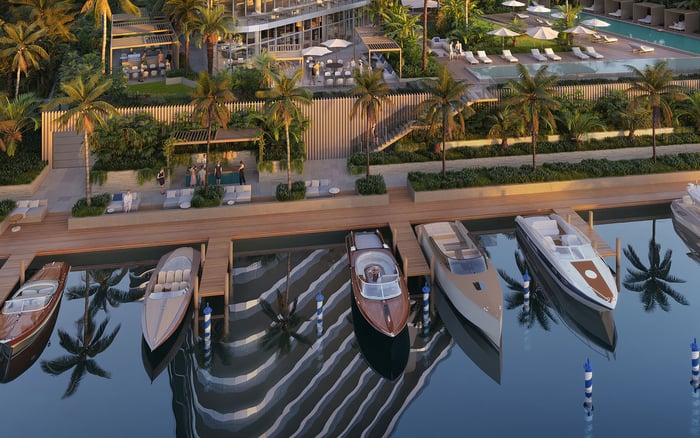
The Intracoastal side of the project introduces a practical consideration that sophisticated waterfront buyers already understand: wake exposure. Intracoastal frontage does not make wake a flaw. It makes wake a diligence variable, especially for owners who intend to pair a residence with a vessel and treat marina access as part of the ownership thesis.
Within South Florida’s branded-residence landscape, The Ritz-Carlton Residences® Miami Beach provides a useful point of comparison for buyers considering how brand, service, and waterfront setting can shape day-to-day ownership.
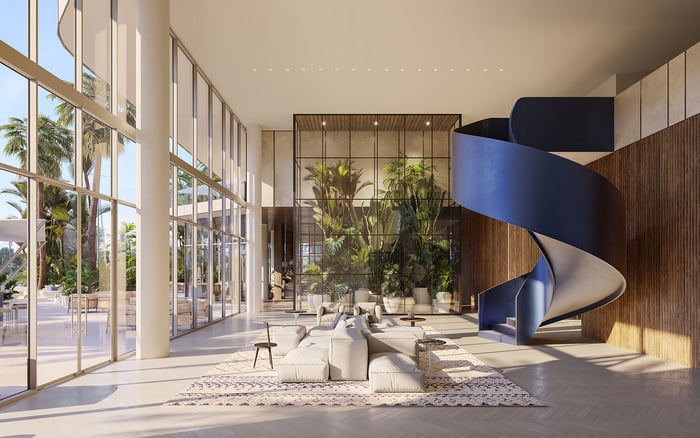
The project is positioned around Ritz-Carlton-branded residential service rather than a conventional standalone condominium model. That distinction matters because the buyer is not only acquiring private space. The buyer is underwriting a lifestyle infrastructure: arrival, security, maintenance coordination, amenity access, and the confidence that a home can remain composed while its owner is elsewhere.
In South Florida, luxury waterfront ownership often asks owners to choose a primary identity. Some buildings are fundamentally beachfront. Others are fundamentally marina-oriented. Here, the development’s ocean-and-Intracoastal configuration creates a broader sea-and-sky proposition, with one side relevant to beachfront access and ocean views, and the other relevant to boating convenience and private marina life.
That compound logic is important. A buyer who wants beach proximity may not be the same buyer who evaluates cleats, dock movement, vessel access, and day-to-day waterfront management. The project speaks to both, but the Intracoastal buyer should evaluate the marina component with the same discipline applied to the residence itself.
Wake exposure belongs in the practical column of the purchase conversation. It is not a verdict on desirability, and it should not be treated as a generic negative. Intracoastal living has always involved movement: passing vessels, changing conditions, dock activity, and the ordinary choreography of a working waterway.
The relevant question is how those conditions are managed within the ownership experience. A lock-and-leave owner may not be present after a busy boating weekend, during a seasonal absence, or between guest arrivals. That makes perceived reliability essential. Building operations, security, maintenance coordination, and waterfront management all become part of the value proposition.
For a buyer with a vessel, the private marina is not merely an amenity add-on. It is part of total ownership convenience. The marina can influence how easily one uses the residence, how confidently one leaves the property, and how integrated the lifestyle feels. The more frequently an owner travels, the more important the operating layer becomes.
A disciplined buyer should ask practical questions without assuming technical conclusions. How is waterfront access handled? How is vessel-related communication coordinated? What is the process when maintenance needs arise? How does the residential service model support owners who are away for extended periods? These are not alarmist questions. They are the natural vocabulary of high-end waterfront ownership.
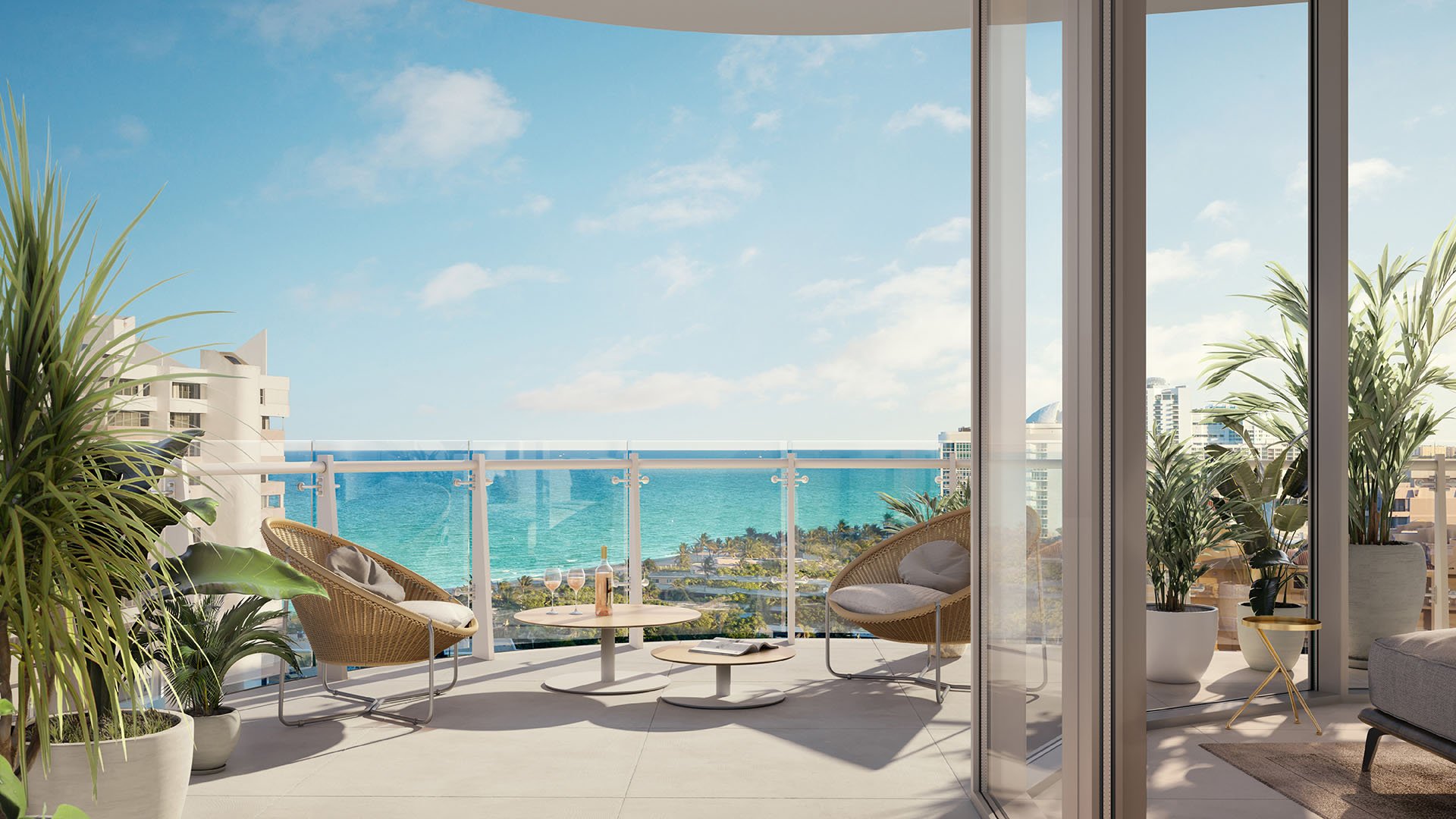
The Atlantic-facing component appeals to buyers who prioritize beachfront access, ocean views, and the emotional clarity of a coastal residence. For these buyers, the daily rhythm may be sand, sunrise, terrace, spa, and residential service. The value lies in direct resort-style living within a refined hospitality framework.
The Intracoastal side speaks differently. It is for the buyer who wants the water to function as a route, not only as a view. Marina access and boating convenience move to the foreground. The residence becomes part of a larger mobility pattern: arrive, board, return, secure the vessel, and leave again with confidence.
That distinction explains why wake exposure is such a specific issue. The oceanfront buyer may focus on view corridors, beach access, privacy, and amenity flow. The Intracoastal buyer may focus on vessel care, dockside experience, and the relationship between waterway activity and long-term maintenance. Both are luxury conversations, but they are not the same conversation.
The best fit depends on use. A seasonal owner who rarely boats may interpret the Intracoastal setting differently from an owner who expects the marina to become a weekly part of life. A globally mobile buyer may value the ability to step away from both residence and vessel with a sense of continuity. That is where branded residential service becomes more than a badge.
Ritz-Carlton service standards are central to the project’s positioning in the Pompano Beach luxury market. In a branded residence, service is not ornamental. It is part of the logic for paying a premium, especially for owners who are not in residence year-round.
The lock-and-leave narrative depends on trust. Owners want to feel that the building understands seasonal patterns, guest arrivals, maintenance requests, and the heightened expectations of waterfront life. In a resort-style residential compound, this is where hospitality and condominium ownership overlap.
That overlap is particularly important at the Intracoastal edge. The marina lifestyle adds another layer of coordination to the usual luxury condominium equation. The owner is not only asking whether the residence is beautiful. The owner is asking whether the full environment can support a private, mobile, water-oriented life with minimal friction.
This is why the project competes in the upper tier of South Florida waterfront living. It combines branded hospitality, condominium ownership, beach proximity, and marina access in one proposition. The wake question does not diminish that proposition. It refines it.
The most elegant approach is to separate romance from operations. The romance is immediate: ocean, Intracoastal, marina, residence, service. The operations are quieter, but they determine whether the property remains pleasurable over time.
For lock-and-leave buyers, the decision should begin with intended use. If the property is primarily a seasonal residence, the owner may prioritize staff responsiveness, security, and maintenance coordination. If the property will be paired with a vessel, the owner should place equal emphasis on waterfront management and the practical realities of marina use. If the goal is a second home that can remain composed between visits, the branded-service model becomes central.
The key is to treat wake exposure as part of the ownership matrix, not as a single-issue filter. In the right context, Intracoastal activity is part of the appeal. It gives the waterfront its movement and purpose. The question is whether the residence, marina, and service platform collectively match the buyer’s expectations for absence, return, and repeat use.
Is wake exposure automatically a problem at The Ritz-Carlton Residences® Pompano Beach? No. It is best understood as a buyer-diligence topic for Intracoastal living, especially when marina use and vessel care are part of the plan.
Why does wake exposure matter more for lock-and-leave buyers? Owners who travel frequently depend on building operations, maintenance coordination, security, and waterfront management to function reliably while they are away.
Does the project include both ocean and Intracoastal components? Yes. The development pairs an Atlantic Ocean-side residential component with an Intracoastal Waterway-side component.
Who is the oceanfront side most likely to appeal to? It is especially relevant for buyers prioritizing beachfront access, ocean views, and a resort-style coastal residence.
Who is the Intracoastal side most likely to appeal to? It is especially relevant for buyers prioritizing marina access, boating convenience, and a waterway-connected lifestyle.
Is the marina just an amenity? For buyers pairing a residence with a vessel, the marina is central to total ownership convenience, not merely an amenity add-on.
What makes the branded-residence model important here? Ritz-Carlton-branded residential service supports the lock-and-leave narrative for seasonal, second-home, and globally mobile owners.
Should buyers ask technical marina questions before purchasing? Yes. Buyers should discuss waterfront operations, maintenance coordination, and vessel-related procedures with the appropriate project representatives.
Is this project more beachfront or more boating-oriented? It is framed as a resort-style residential compound that combines beach proximity, condominium ownership, branded hospitality, and marina access.
What is the core buyer takeaway? The strongest evaluation looks beyond views and amenities to the reliability of the full ownership experience, especially at the Intracoastal edge.
To compare the best-fit options with clarity, connect with MILLION.
If branded residences are on your mind — as a home or as an allocation — we would be glad to share what we are seeing, privately.
Begin a quiet conversation