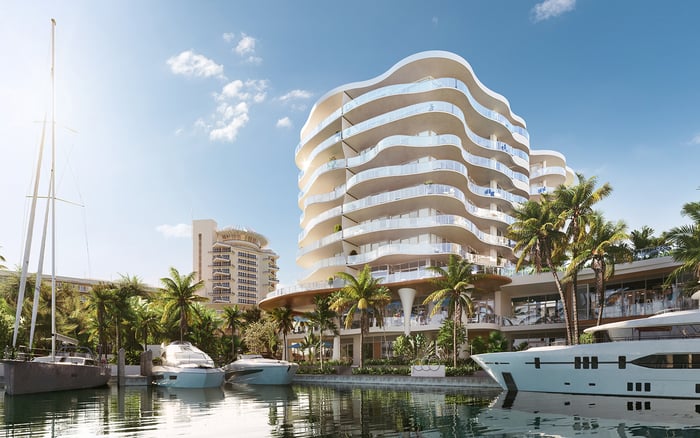
A buyer-oriented guide to evaluating Intracoastal wake exposure at The Ritz-Carlton Residences® Fort Lauderdale, with a focus on comfort, resale clarity, and waterfront due diligence.
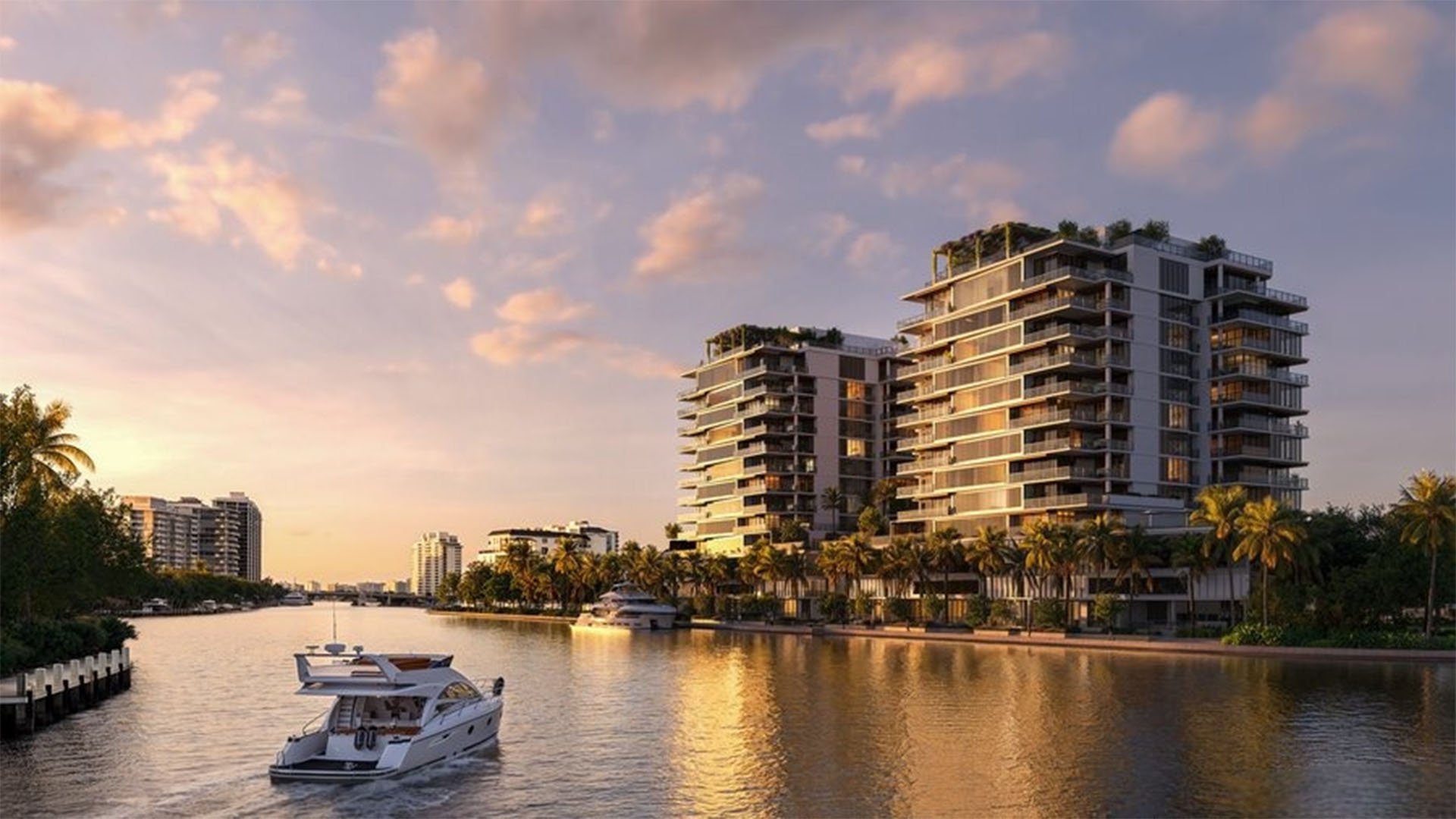
For buyers considering The Ritz-Carlton Residences® Fort Lauderdale, Intracoastal frontage is more than a postcard condition. It is a living environment. In 2026, the most sophisticated waterfront purchaser will evaluate it with the same discipline applied to floor plan, finish level, service culture, and privacy. Wake exposure is the subtle variable that separates a beautiful water view from a genuinely livable waterfront home.
The test is simple in concept and exacting in practice: how does the residence feel when the water is active? Fort Lauderdale is defined by boating culture, and a prime Broward waterfront address can deliver both glamour and movement. The right buyer does not treat that movement as an inconvenience. The right buyer studies it, prices it, and decides whether the daily rhythm of the Intracoastal supports the way the home will actually be used.
This is not a question of avoiding water. It is a question of selecting water intelligently. A residence with an extraordinary outlook may still require close review of terrace comfort, acoustic performance, orientation, dock adjacency, and the character of passing vessels. A disciplined buyer brief might include Fort Lauderdale, Broward, water view, balcony, boat slip, and marina as core decision words, but the real work begins when those words become physical experience.
Wake exposure affects a residence in layers. The first is visual: the way boats animate the view, especially from a primary living room or terrace. For some buyers, that motion is the appeal. It gives the waterfront a kinetic quality that a still canal or distant ocean horizon cannot replicate.
The second layer is comfort. A balcony that appears generous on plan should be experienced when the waterway is active. Does conversation remain easy? Does the terrace feel serene or performative? Can the outdoor space support breakfast, reading, evening cocktails, or extended entertaining without feeling repeatedly interrupted by traffic below?
The third layer is privacy. Passing vessels can change the perceived distance between a residence and the public realm. Elevation, railing design, setbacks, landscaping, and angle of approach all matter. A higher floor may improve privacy, but it may also alter wind and sound. A lower waterfront level may feel immersive, yet more visually connected to boaters.
The fourth layer is long-term marketability. Waterfront buyers are increasingly precise. They understand that a residence is not only a set of rooms, but an address with a daily environmental pattern. If wake exposure is well managed, it can become part of the property’s appeal. If ignored, it can become a quiet objection during resale.
The most important visit is not always the prettiest one. A serious buyer should experience the property in bright sun, later afternoon, and at least one active boating window. The goal is not perfection. It is to understand pattern, intensity, and personal tolerance.
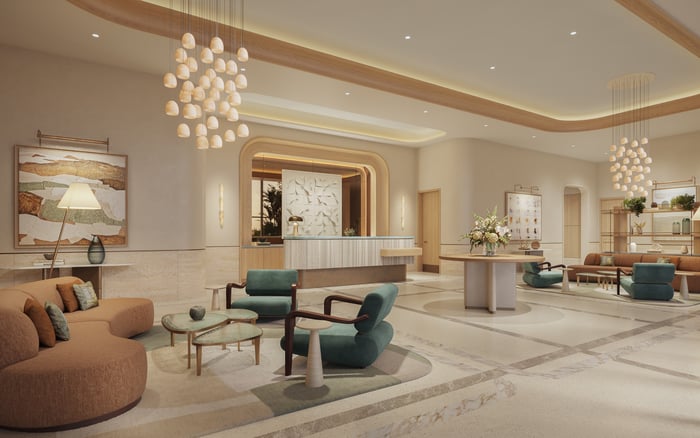
Start with the primary living areas. Stand where daily life will happen, not only where the view photographs best. Listen without speaking for a full minute. Then open and close doors where possible and note the difference. A refined waterfront home should offer a clear distinction between outdoor animation and interior calm.
Next, assess the terrace. The terrace is where wake exposure becomes personal. Look at sight lines, railing transparency, depth, usable furniture placement, and the psychological distance from the water. A shallow outdoor area may make vessel movement feel closer, while a deeper terrace can create a more composed foreground.
Then consider the bedroom experience. Many buyers focus on daytime entertaining, but waterfront value is also measured by sleep quality, morning light, and privacy at rest. If a bedroom faces an active stretch of water, the buyer should pay close attention to sound, shade, and the orientation of the bed wall.
Finally, study the surrounding marine context. A nearby marina or boat-slip environment can be desirable, especially for buyers who want boating as part of the lifestyle. Yet proximity to marine activity should be understood clearly. The most elegant result is alignment: a buyer who wants energy should buy energy, while a buyer who wants retreat should prioritize buffered exposure.
At the upper end of the market, the most expensive mistake is paying only for the view. The better framework is to price livability. A direct Intracoastal outlook may carry obvious emotional appeal, but the offer should reflect the complete experience: interior quiet, outdoor usability, privacy, sun path, and the way the water behaves across a normal week.
This does not mean every wake-exposed residence requires a discount. In some cases, the animation is the luxury. It may suit buyers who entertain often, own boats, or want the visual theater of Fort Lauderdale’s waterfront. The issue is fit. A residence should be valued for the buyer’s intended life, not for a generic idea of waterfront prestige.
For 2026, the sharper buyer will also consider exit language. When it is time to sell, can the residence be described as vibrant, protected, serene, panoramic, or yacht-oriented without overstating the experience? The best properties make that answer intuitive.
Before moving from admiration to contract, a buyer should ask several practical questions. Has the residence been experienced during active boating periods? Does the interior remain composed when the terrace doors are closed? Is the primary suite positioned for rest or spectacle? Does the terrace support real furniture and real use? Are marine views framed elegantly from seated positions, not only from standing angles?
The buyer should also separate brand confidence from site analysis. The Ritz-Carlton name may signal a high service expectation, but every waterfront home still deserves its own physical examination. Brand, architecture, and hospitality can elevate the ownership experience. They do not replace the need to understand water, motion, sound, and privacy.
A final point is emotional honesty. Some buyers are enlivened by passing yachts, bridge activity, and the sense of being in the center of Fort Lauderdale’s marine world. Others want water as a quiet horizon. Neither preference is more sophisticated. The sophistication is knowing the difference before signing.
What is Intracoastal wake exposure? It is the effect of passing vessel movement on the water, views, sound, terrace comfort, and perceived privacy.
Is wake exposure always a negative for luxury buyers? No. Some buyers value the movement and boating energy as an essential part of the Fort Lauderdale lifestyle.
When should a buyer visit to evaluate wake exposure? A buyer should visit at more than one time of day and include at least one period when boating activity is noticeable.
Does a higher floor reduce wake concerns? It can improve privacy and perspective, but it may also change wind, sound perception, and the way outdoor space feels.
Why is the balcony so important in this test? The balcony is where the waterfront becomes a lived experience rather than a view on paper.
Should buyers prioritize a marina or avoid it? It depends on lifestyle, since marina proximity can be highly desirable for boating buyers and less ideal for those seeking quiet retreat.
How does a boat slip affect the decision? A boat slip can enhance convenience and identity for marine-focused owners, but its surrounding activity should be understood clearly.
Can glazing and doors change the ownership experience? Yes. The transition between outdoor activity and interior calm is central to high-end waterfront livability.
What should resale-focused buyers consider? They should consider whether future buyers will understand the exposure as vibrant, private, serene, or simply busy.
What is the main 2026 buyer principle? Price the complete waterfront experience, not just the beauty of the view.
For a tailored shortlist and next-step guidance, connect with MILLION.
If branded residences are on your mind — as a home or as an allocation — we would be glad to share what we are seeing, privately.
Begin a quiet conversation