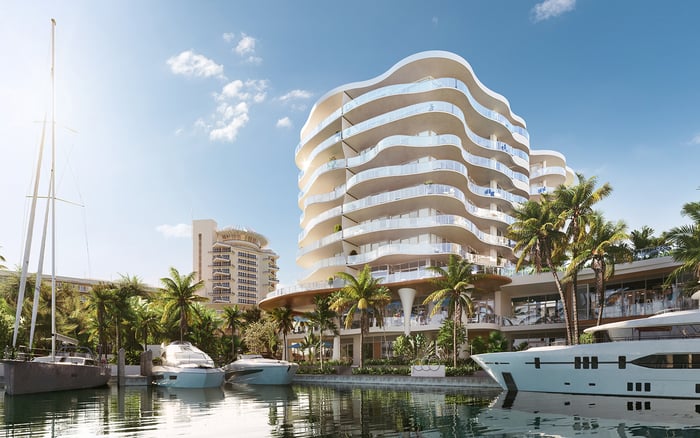
A discreet buyer’s guide to the title review questions that matter before acquiring waterfront luxury real estate in Fort Lauderdale, with emphasis on access, waterfront improvements, closing risk and long-term enjoyment.

A Fort Lauderdale waterfront purchase is never only about a view. The asset may carry layered expectations: deep-water access, dockage, seawall condition, canal frontage, privacy, and the ability to enjoy the water without friction after closing. Title review is where those expectations begin to meet the legal record.
For a luxury buyer, the question is not simply whether title is marketable. It is whether the recorded rights, exceptions, surveys, and closing documents support the lifestyle being priced into the property. A residence may feel effortless during a showing, especially when the pool, terrace, and yacht access are staged to perfection. The title file is less theatrical. It is where counsel can identify easements, restrictions, encroachments, association obligations, old agreements, or waterfront-related items that deserve closer review.
This is especially important in Broward, where waterfront buyers often compare single-family estates with boutique condominium residences, marina-adjacent towers, and branded hospitality-driven homes. A buyer considering Four Seasons Hotel & Private Residences Fort Lauderdale may have a very different title review profile from a buyer negotiating a private home with a dock and seawall. In both cases, the right questions create clarity before capital becomes irreversible.
Ask your attorney to walk through the title commitment line by line, with particular attention to the exceptions. Many buyers focus on the purchase price, deposit schedule, and inspection window, yet the exceptions may define what the owner cannot do, where another party has rights, or which matters the title policy will not insure.
The essential question is direct: what recorded items could limit my intended use of the property? From there, press for plain English. If an exception references a utility easement, access agreement, association covenant, dock-related instrument, or prior recorded restriction, ask what it means in practical terms. Can it affect privacy? Can it affect construction? Can it affect parking, boat access, or future resale?
For waterfront luxury real estate, title review should not be treated as a back-office task. It should be part of the buyer’s lifestyle diligence, alongside architecture, views, service levels, and neighborhood fit.
The most important word in a waterfront transaction may be “improvement.” Docks, boat lifts, seawalls, decks, gates, fences, retaining elements, and waterfront steps can create value, but title review should confirm whether any recorded matters conflict with what is visible on site.
Ask whether the survey shows the improvements clearly. Ask whether any improvements appear to cross boundary lines, setback areas, easements, common areas, or rights of way. Ask whether a title endorsement is available for matters that concern the buyer’s intended use. Ask whether any visible waterfront feature is absent from the survey or inconsistent with the legal description.
A boat slip can be particularly sensitive. Is it deeded, assigned, licensed, leased, or merely used by custom? Is the right tied to a residence, an association, a club, or a separate agreement? If a yacht is central to the purchase, do not let the answer remain conversational. Title review should connect the water privilege to a recorded or contractual right that counsel can evaluate.
A fresh survey is often the most useful visual companion to the title commitment. The survey helps counsel and the buyer understand boundaries, encroachments, easements, access points, and the relationship between the residence and the water.
Ask whether the survey is current enough for the transaction. Ask whether it reflects all visible improvements. Ask whether it shows fences, walls, docks, decks, pools, driveways, utility areas, seawalls, and waterfront structures. Ask whether the legal description matches the contract and title commitment.
In a high-value transaction, small ambiguities can become expensive. A hedge may appear ornamental but mark a practical boundary assumption. A dock may look private but sit near an area where rights are more complex. A side-yard improvement may feel minor until future renovation plans begin. Careful survey review can make these issues discussable before closing, rather than adversarial after closing.
Waterfront title review is not limited to single-family estates. In condominium and branded residence settings, the review should also include the declaration, bylaws, rules, budgets, amendments, parking rights, storage rights, and any boat or marina arrangements that affect ownership.
Buyers touring Riva Residenze Fort Lauderdale and St. Regis® Residences Bahia Mar Fort Lauderdale should ask how the condominium documents define exclusive use areas, common elements, limited common elements, guest access, rental policies, pet policies, service obligations, and waterfront amenities. The same lifestyle feature can carry a different legal character from one property to another.
The refined question is this: what do I own, what may I use, and what can the association change later? For a waterfront-view residence, that may include balcony rules, window maintenance, façade obligations, terrace use, amenity access, parking assignment, and future building governance. For new construction, ask how unfinished documents, developer rights, turnover provisions, and pending amendments may affect the owner after closing.
Title insurance is not a substitute for diligence, but it is a major part of the closing architecture. Ask which policy is being issued, which endorsements are available, and what is excluded. Ask whether survey-related coverage is included or requires additional documentation. Ask whether any exception can be deleted, narrowed, or insured over.
If a title issue appears, the goal is not always to walk away. Sophisticated buyers evaluate leverage. Can the seller cure the issue before closing? Can funds be escrowed? Can the closing be extended? Can the purchase agreement require a specific resolution? Can the buyer accept the issue at a revised price or with a defined risk allocation?
This is where discreet advice matters. A buyer comparing resale waterfront residences with newly delivered offerings such as The Ritz-Carlton Residences® Fort Lauderdale should not assume that one category is automatically simpler. Different structures carry different diligence questions.
Before the deposit becomes hard, ask counsel for a written title review summary. It should identify the title status, open requirements, exceptions, survey concerns, association items, waterfront issues, and any matters that require seller action. Written clarity prevents casual reassurances from becoming closing-day confusion.
Key questions include: Are there any exceptions that impair my intended use? Do recorded documents match the property as marketed? Are waterfront improvements shown and legally supportable? Are dock, slip, access, parking, and storage rights clearly documented? Are association documents consistent with my lifestyle expectations? What must be cured before closing? What risk remains after closing?
In Fort Lauderdale, luxury is often defined by ease. Title review is the discipline that protects that ease.
When should title review begin? Begin as early as the contract allows. Waterfront questions can require coordination among counsel, surveyors, insurers, sellers and associations.
Is a clean title commitment enough for waterfront property? Not always. Buyers should understand the exceptions, survey, association documents and any rights tied to water access or improvements.
What should I ask about a dock or boat slip? Ask whether the right is deeded, assigned, licensed, leased or governed by association documents. The practical use should match the legal right.
Why does the survey matter so much? The survey translates the property into boundaries and visible improvements. It can reveal questions that are not obvious during a showing.
Can title review affect my ability to renovate? It can identify restrictions, easements or recorded obligations that should be reviewed before planning material changes. Counsel should connect these items to your plans.
Are condominium waterfront purchases simpler than single-family purchases? They can be different, not necessarily simpler. The association documents and amenity rights become central to the review.
Should I rely on verbal assurances about water access? No. Ask for the right to be confirmed through recorded documents, association materials or contract language reviewed by counsel.
What if a title issue appears late? Ask whether it can be cured, insured over, escrowed, excluded from closing or addressed through a contract extension. The remedy depends on the issue.
Do luxury buyers need separate waterfront counsel? Many buyers prefer counsel experienced with waterfront transactions. The objective is to align the legal record with the lifestyle being purchased.
What is the best way to shortlist comparable options for touring? Start with location fit, delivery status, and daily lifestyle priorities, then compare stacks and elevations to validate views and privacy.
For a discreet conversation and a curated building-by-building shortlist, connect with MILLION.
If branded residences are on your mind — as a home or as an allocation — we would be glad to share what we are seeing, privately.
Begin a quiet conversation