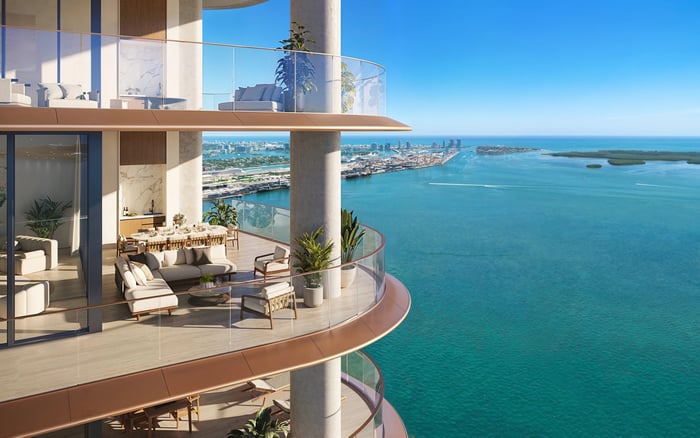
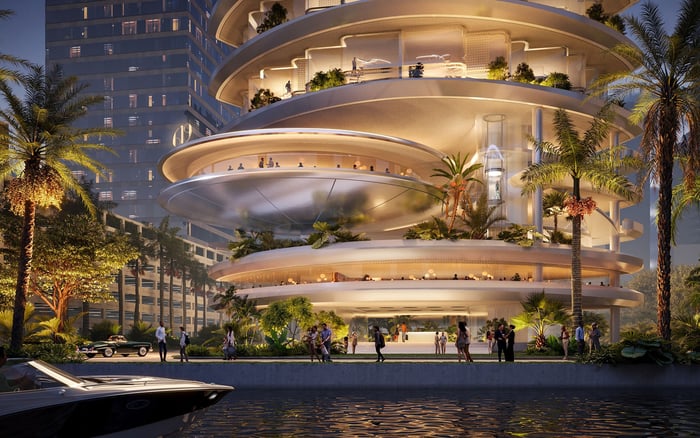
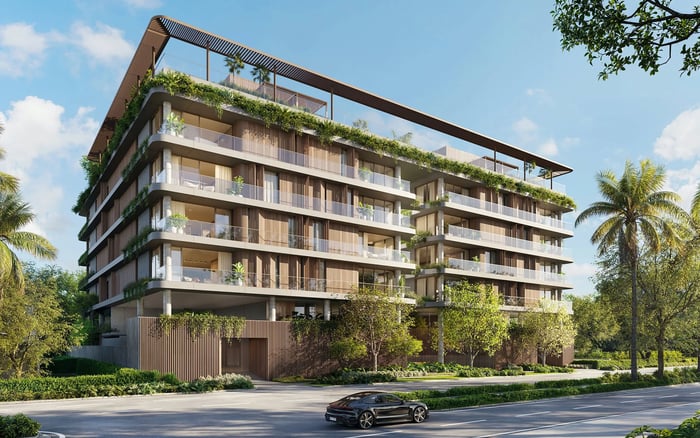
A discreet due-diligence guide for luxury buyers evaluating The Residences at Mandarin Oriental, Miami through the practical lens of elevation-certificate review, flood resilience, insurability, shared infrastructure and long-term asset preservation.
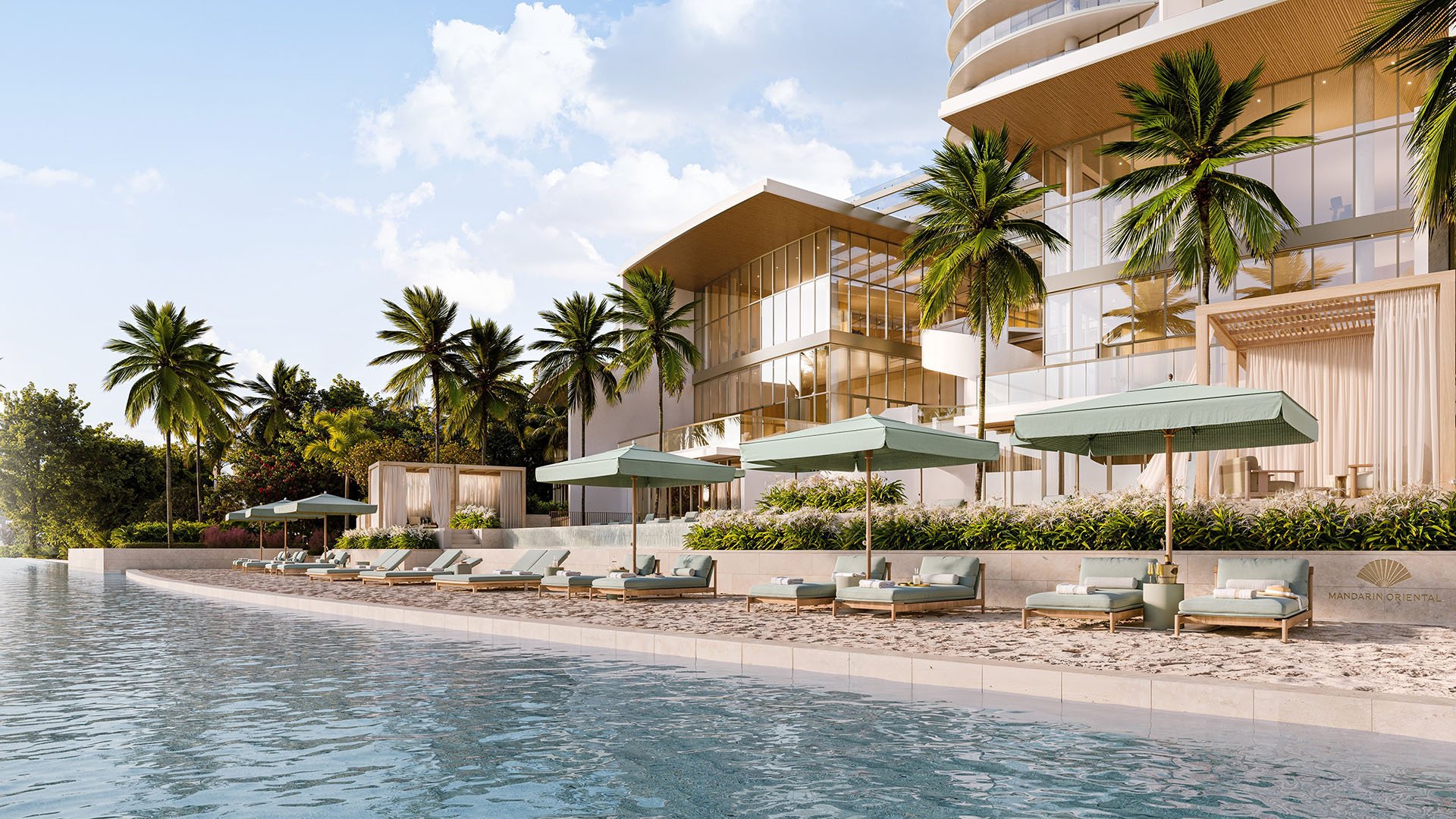
For buyers considering The Residences at Mandarin Oriental, Miami, the first impression is naturally visual: water, skyline, arrival sequence, interior atmosphere and the quiet confidence of a Mandarin Oriental branded residential experience. That is the language of desire. For sophisticated waterfront purchasers, advisors and family-office decision makers, however, the more durable question is not simply how the residence looks, but how the building is positioned against water over time.
That is where elevation-certificate review becomes essential. It is not decorative, and it is not merely a permitting formality. In South Florida’s ultra-premium condominium market, elevation data helps translate a polished rendering into practical questions about flood exposure, insurance pricing, lender comfort and long-term resale confidence.
This is especially relevant for a branded residence, where the buyer-facing promise includes service standards, hospitality expectations and continuity of experience. A residence can sit high above the water with commanding water-view appeal, while lower-level areas and shared systems may determine how functional the property remains after a major weather event. The prudent review goes below the amenity deck and behind the lobby.
An elevation certificate is a technical document, but its purpose for a luxury buyer is straightforward: it helps identify how key building elevations relate to applicable flood-risk benchmarks. The certificate should be read alongside surveys, construction documents, insurance materials and association-level disclosures when available.
For new-construction and pre-construction buyers, timing matters. Early marketing materials may communicate lifestyle, architecture and brand positioning long before final as-built documentation is available. That does not make the rendering misleading. It means the buyer’s counsel, insurance advisor and technical consultants should know what is final, what is proposed and what must be verified before closing or before a meaningful deposit milestone.
In a waterfront market where projects such as Una Residences Brickell and St. Regis® Residences Brickell attract buyers who understand both design and risk, the elevation-certificate conversation is increasingly part of asset stewardship. It is not anti-luxury. It is precisely what protects luxury.
A common mistake is to focus only on the finished-floor elevation of the private residence. For a high-floor buyer, that number may feel reassuring. Yet the lived experience of a condominium depends on more than the private threshold.
The review should include finished-floor elevations for residential levels where relevant, but also garage elevations, lobby elevations, service corridors, loading areas, storage areas and any critical shared infrastructure. If a building’s residences remain dry but access, power, elevators or essential mechanical systems are compromised, the ownership experience can be affected in ways that never appear in a sunset rendering.
This is the distinction serious buyers should insist on: the visible tower experience versus the lower-level systems that support it. In Brickell, Downtown Miami and Edgewater, the premium waterfront narrative often centers on views and arrival. A deeper review asks whether the infrastructure beneath that narrative has been documented in a way that supports insurability and confidence.
Mechanical-equipment elevations are among the most important items to verify. Buyers should ask where major equipment is located, how its elevation is documented and whether any floodproofing assumptions are being used to support the building’s overall risk profile.
This does not mean assuming a deficiency. It means asking the right questions before relying on marketing imagery. Elevators, generators, electrical rooms, pumps, life-safety systems and other shared components may determine the difference between a temporary inconvenience and a materially disrupted building after a storm. In an ultra-luxury context, post-storm functionality is part of the value proposition.
The same discipline applies when comparing other waterfront or near-waterfront offerings, from The Residences at 1428 Brickell to Villa Miami. The most compelling buildings are not evaluated only by their façades, amenity renderings or branded service language. They are evaluated by how the whole asset performs, including the systems most buyers never see.
Elevation-certificate review is ultimately an investment issue. Flood exposure can influence insurance pricing, and insurance can influence lender comfort. Lender comfort can influence liquidity. Liquidity can influence resale confidence.
At the ultra-premium level, buyers may be less sensitive to monthly carrying costs than a conventional purchaser, but that does not make them indifferent to risk. Family offices, trustees and advisors tend to care deeply about insurability, documentation and the ability to explain an acquisition decision years later. A beautiful residence with incomplete technical review can create avoidable uncertainty.
For The Residences at Mandarin Oriental, Miami, the appropriate editorial posture is not to presume anything about the project’s actual elevations or flood design without the specific documents in hand. The useful posture is verification. Request the elevation certificate when available. Ask how proposed elevations compare with final as-built elevations. Confirm whether floodproofing strategies, if any, are documented clearly and accepted by the relevant professionals involved in the transaction.
A disciplined buyer should ask for the elevation certificate or, during earlier phases, the available elevation-related documentation. The request should be specific enough to cover private and shared areas. Finished-floor elevations matter, but so do garage, lobby, loading, storage and mechanical spaces.
Buyers should also ask their insurance advisor to review how the documented elevations may affect coverage expectations and pricing. Counsel should review whether contract language addresses delivery of final documents, changes between proposed and as-built conditions, and any relevant association obligations. Technical advisors should focus on whether critical shared infrastructure sits above applicable flood-risk thresholds or is otherwise protected through documented floodproofing assumptions.
The most important point is sequence. Do not wait until the end of the process to treat elevation as a closing checklist item. For a long-lived luxury residence, elevation review belongs near the center of the acquisition conversation, alongside view protection, floor plan, service model, finish quality, parking and privacy.
Branded residences carry an elevated promise. The name signals a curated way of living, with hospitality influence shaping expectations around arrival, service, discretion and consistency. That makes technical resilience more important, not less.
A Mandarin Oriental residence is being evaluated by buyers who understand that a premier address is a combination of architecture, service and long-term stewardship. If the brand experience depends on continuity, then the building systems that preserve continuity deserve careful review.
The rendering can communicate the poetry of the place. The elevation certificate helps test the prose. Together, they give a buyer a more complete picture of the asset: beauty above, resilience below and documentation that can support confidence over time.
What is the main reason to review an elevation certificate for The Residences at Mandarin Oriental, Miami? It helps buyers understand how key building elevations relate to flood-risk considerations, insurance expectations and long-term asset preservation.
Does elevation-certificate review suggest there is a problem with the project? No. It is a prudent due-diligence step for waterfront luxury real estate and should not be read as implying any deficiency.
Which elevations should buyers focus on beyond the private residence? Buyers should ask about lobby, garage, loading, storage, service and mechanical-equipment elevations, not only finished residential floors.
Why do mechanical-equipment elevations matter? Shared systems can affect post-storm functionality, including power, elevators, pumps and other essential building operations.
Can a rendering show flood resilience? Renderings can suggest design intent, but they do not replace certificates, surveys, construction documents or professional technical review.
How can elevation data affect insurance? Documented elevations may influence how flood exposure is assessed, which can affect coverage expectations and pricing.
Should pre-construction buyers ask for final as-built documents? Yes. Early documents may be provisional, so buyers should understand when final elevation documentation will be available.
Is this review relevant for high-floor buyers? Yes. Even high-floor owners rely on lower-level access, shared infrastructure, elevators and building services.
Who should review the elevation materials? A buyer’s counsel, insurance advisor and qualified technical consultants should review the documents together.
How does this affect resale confidence? Clear documentation can help future buyers, lenders and advisors evaluate resilience, insurability and ownership risk more confidently.
When you're ready to tour or underwrite the options, connect with MILLION.
If branded residences are on your mind — as a home or as an allocation — we would be glad to share what we are seeing, privately.
Begin a quiet conversation