A buyer-focused look at why flood-zone interpretation can materially change the way ultra-luxury purchasers evaluate Baccarat Residences Brickell, from waterfront lifestyle value to insurance, resilience, and resale psychology.
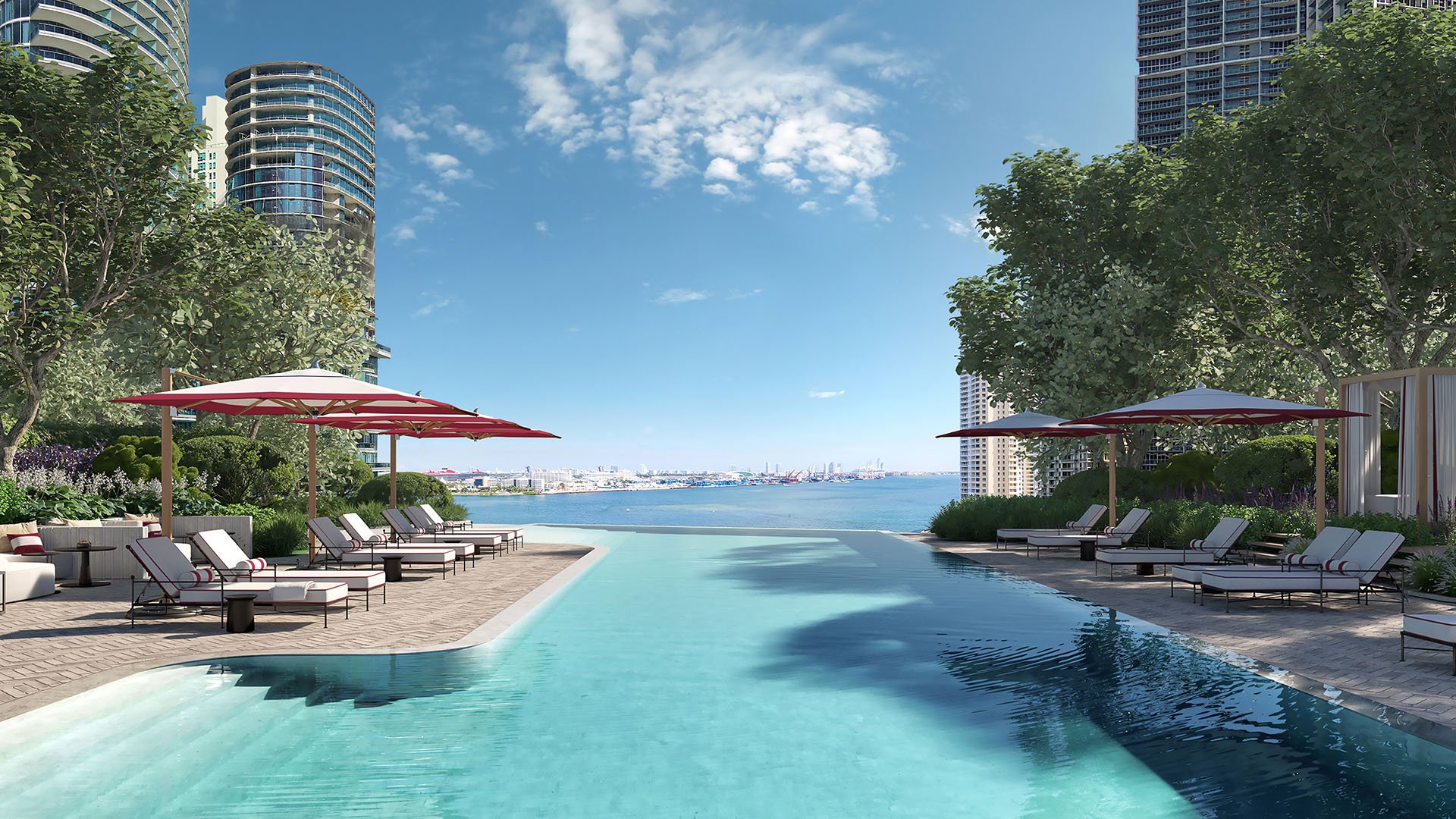
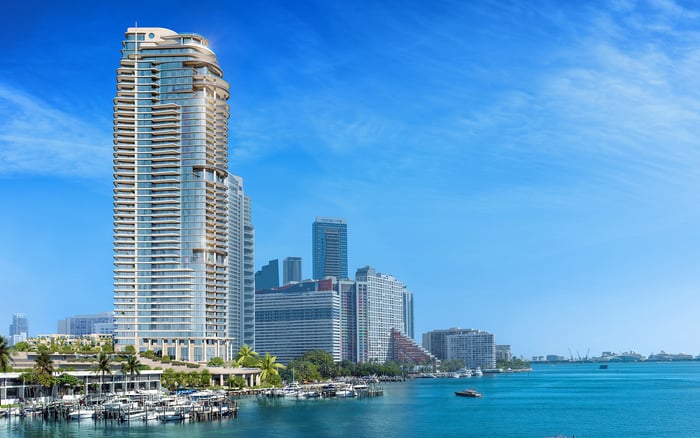
At Baccarat Residences Brickell, the first impression is deliberately emotional: the Baccarat name, the Miami River setting, the polished Brickell lifestyle, and the promise of a branded ultra-luxury address in one of South Florida’s most vertical urban districts. For many buyers, that is precisely the appeal. The residence is not evaluated only as square footage in the sky. It is evaluated as identity, convenience, hospitality language, and access to the energy of Miami’s financial and lifestyle core.
Yet waterfront luxury in Miami is rarely a single-variable decision. The same riverfront position that strengthens the visual and lifestyle case can also introduce questions about flooding, storm-surge exposure, insurance assumptions, and long-term resilience. A sophisticated buyer does not stop at asking whether the property appears in a flood zone. The more important question is how that designation should be interpreted in relation to elevation, building design, association-level insurance, future regulatory exposure, and eventual resale psychology.
That distinction is crucial. The thesis is not that Baccarat Residences Brickell is risky. It is that flood-zone interpretation can lead two equally qualified buyers to value the same asset differently.
A flood map can influence perception, financing conversations, and insurance expectations, but it is not a complete investment thesis. Map risk is broad by nature. It can identify a general exposure category, but it does not fully explain how a specific building is designed, how critical systems are positioned, how access may function during an event, or how insurance is structured at the condominium level.
For a buyer considering a riverfront residence in Brickell, practical due diligence should begin with the map and then move immediately into interpretation. The issue is not simply whether water is nearby. It is how the building addresses that condition, how the ownership structure allocates costs, and how those details may be received by the next buyer.
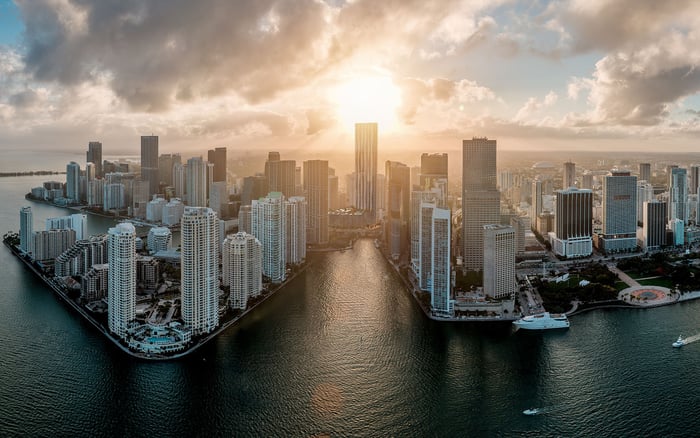
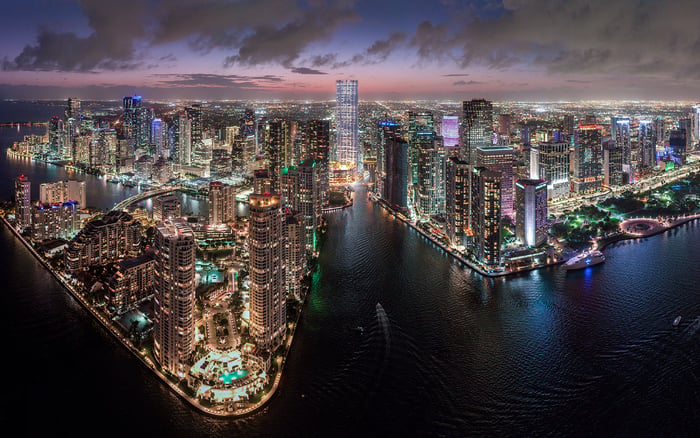
This is especially relevant in Brickell, where luxury-condo value is built around density, urban convenience, waterfront access, and proximity to business, dining, and cultural amenities. Projects such as Cipriani Residences Brickell reinforce the neighborhood’s evolution from a traditional financial district into a high-end residential and mixed-use skyline. In that context, water is part of the premium. Interpretation determines how much of that premium a buyer is willing to underwrite.
In luxury condominium purchasing, buyers often speak about neighborhoods as if every tower within a submarket shares the same risk profile. That is too imprecise for Brickell. A building’s specific resilience posture can matter more than the broader location label. Elevation, podium conditions, mechanical-system placement, lobby configuration, garage planning, and emergency operations can all affect how an owner experiences a storm event.
Those details should be verified before contract certainty, particularly when the property sits on or near the water. The conversation should include building design, association insurance, expected maintenance responsibilities, and any known future obligations that may flow through assessments or reserve planning. None of those questions diminishes the appeal of a branded residence. Rather, they clarify the terms on which the buyer is accepting the waterfront premium.
The ultra-luxury segment is increasingly comfortable with this kind of analysis. Buyers looking at St. Regis® Residences Brickell or other trophy-caliber Brickell properties are not simply comparing finishes. They are comparing the total ownership environment, from arrival experience to long-term carrying-cost confidence.
Baccarat’s buyer appeal rests on a recognizable hospitality and lifestyle language. For a primary resident, the draw may be the combination of brand prestige, service expectations, river views, and walkable access to the intensity of Brickell. For a second-home buyer, the appeal may be a highly serviced Miami base with a strong sense of place. For an investor, the brand may suggest deeper demand and broader international recognition.
Flood-zone interpretation does not erase any of those advantages. It translates them into a more disciplined decision. An end-user may ask whether the residence feels comfortable for long-term occupancy, how storm planning would be handled, and whether insurance costs are likely to feel manageable over time. An investor may focus on risk-adjusted return, buyer-pool depth at resale, liquidity during a softer market, and whether carrying costs could narrow yield or appreciation expectations.
This is where the same asset can produce different conclusions. A lifestyle buyer may accept more exposure because the residence solves for daily pleasure, views, and convenience. A capital-focused buyer may require a larger margin of safety if future resale audiences become more sensitive to waterfront exposure.
Luxury real estate is priced not only by what is true, but by what future buyers believe is important. Flood-zone interpretation can therefore influence resale long before an actual event occurs. If the market grows more attentive to insurance costs, resilience language, and storm planning, buyers may reward buildings with clearer answers and penalize uncertainty.
This does not mean waterfront buyers retreat from the water. In South Florida, water remains one of the defining luxury currencies. Waterview residences, riverfront towers, and bayfront addresses continue to shape the emotional architecture of the market. The issue is selectivity. Buyers are becoming more specific about which waterfront assets justify premium pricing.
For Baccarat Residences Brickell, the value question becomes layered: do the Baccarat name, the riverfront position, and the Brickell location outweigh the perceived flood and climate-risk exposure for the buyer’s intended use? That answer is personal, but the framework should be rigorous.
A useful comparison is not simply Baccarat versus non-waterfront Brickell. It is Baccarat versus other ultra-premium Brickell and downtown-adjacent options with different lifestyle and exposure profiles. The Residences at 1428 Brickell, for example, sits within the same broader luxury conversation while giving buyers another lens on urban living, building positioning, and long-term ownership priorities.
New-construction buyers should be especially careful not to treat all new towers as interchangeable. Newness can support confidence, but it is not a substitute for reviewing how a building addresses water, wind, insurance, and operational continuity. The best due diligence is not adversarial. It is simply the luxury buyer’s version of precision.
Investment buyers should also consider timing. If a buyer intends to hold through multiple market cycles, the question is not only today’s appeal. It is whether the building’s story remains clear when future purchasers ask sharper questions about resilience. A branded residence with a strong lifestyle narrative may retain powerful appeal, but the strongest resale case will also have credible answers to practical concerns.
A disciplined buyer can separate the decision into four categories. First is map risk: how the location is generally categorized and how that may affect perception. Second is building-level risk: how the structure, systems, and operations are designed to perform. Third is financial risk: insurance, dues, reserves, assessments, and possible carrying-cost movement. Fourth is resale psychology: how future buyers may interpret the same information.
This framework does not remove emotion from the purchase. It gives emotion a stronger foundation. Baccarat Residences Brickell will appeal to buyers who want a branded, waterfront, urban Miami address with a high level of lifestyle signaling. The flood-zone question simply determines how confidently a buyer can support that desire with financial logic.
In Brickell, the most informed buyers are not avoiding complexity. They are pricing it.
Is Baccarat Residences Brickell considered a branded luxury project? Yes. It is positioned as a branded ultra-luxury residential project tied to the Baccarat hospitality and lifestyle identity.
Why does flood-zone interpretation matter for this property? Its waterfront setting supports lifestyle value, but it can also raise questions about flooding, insurance, storm planning, and long-term resilience.
Should buyers rely only on a flood map? No. A map is only one input; buyers should also review building design, elevation context, insurance structure, and future regulatory exposure.
Does flood-zone concern mean the property is unattractive? Not necessarily. The stronger point is that different buyers may price the same waterfront luxury asset differently based on risk tolerance.
How might this affect an end-user? An end-user may focus on comfort, long-term occupancy, emergency planning, insurance expectations, and how future buyers may perceive the home.
How might this affect an investor? An investor may focus on carrying costs, liquidity, risk-adjusted return, and the depth of the buyer pool at resale.
Is Brickell still a strong luxury-condo market? Brickell remains compelling for buyers who value dense urban living, waterfront access, and proximity to Miami’s financial and lifestyle amenities.
What should be verified before purchase? Buyers should verify applicable flood designations, elevation information, insurance details, and building-level mitigation features with qualified professionals.
Can brand value offset perceived flood exposure? It can for some buyers, especially if the lifestyle and service proposition is compelling, but the tradeoff should be evaluated carefully.
What is the key takeaway for Baccarat buyers? The decision is not simply water versus risk; it is whether the branded-luxury premium is justified after disciplined resilience and financial review.
For a confidential assessment and a building-by-building shortlist, connect with MILLION.
If branded residences are on your mind — as a home or as an allocation — we would be glad to share what we are seeing, privately.
Begin a quiet conversation