A buyer-focused look at why peak-hour fitness-floor performance can influence lifestyle confidence, privacy, convenience, and perceived value at Cipriani Residences Brickell.
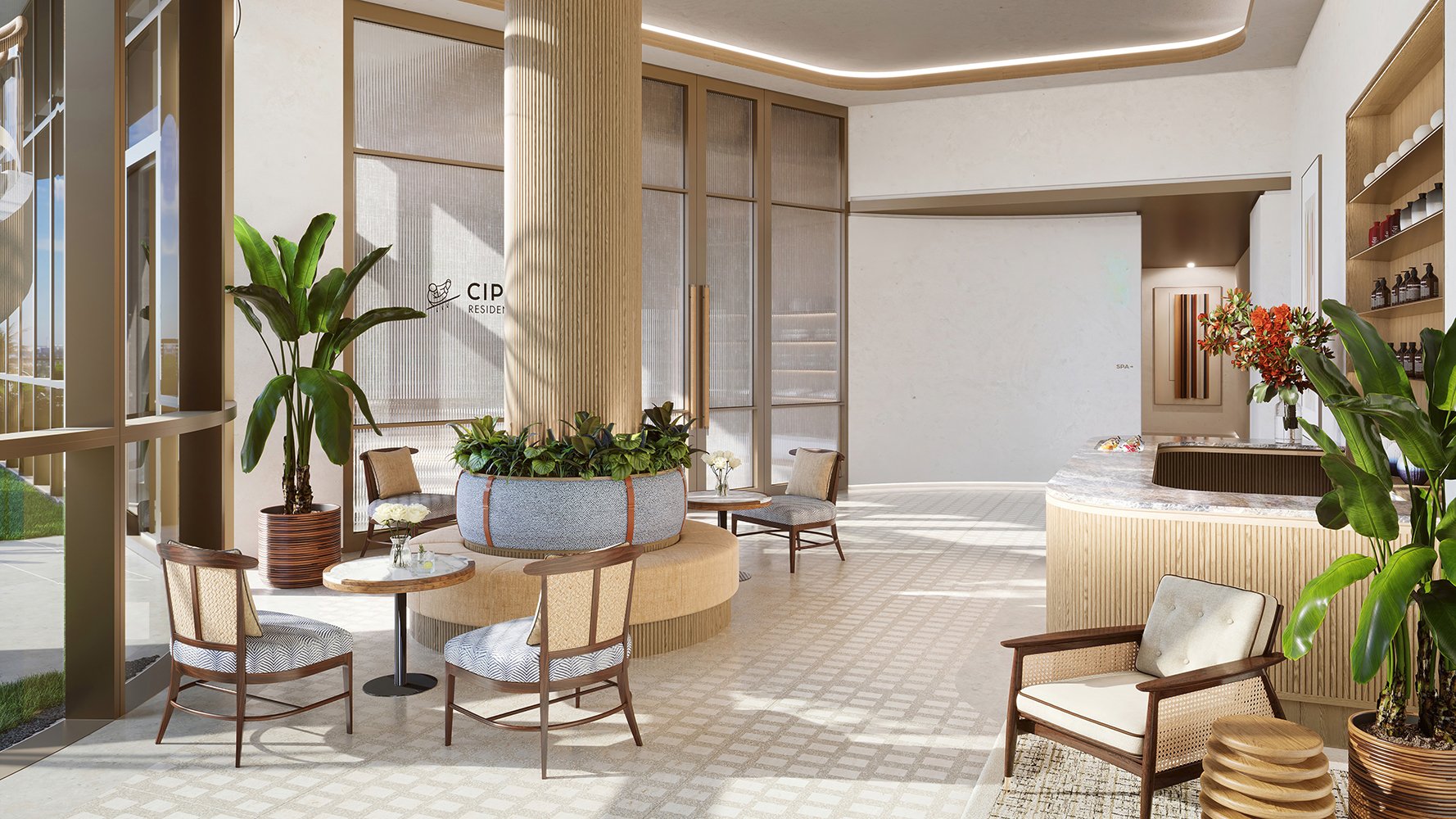
At Cipriani Residences Brickell, the buyer conversation naturally begins with brand, address, architecture, service, views, and residence design. Yet for many full-time residents, the space most likely to shape daily satisfaction is not the lobby or even the pool deck. It is the fitness floor at the exact hours when everyone wants to use it.
In today’s Brickell luxury market, wellness is not decorative. It is part of the residence itself. Buyers increasingly evaluate daily-use amenities with the same seriousness they bring to kitchens, closets, terraces, and sightlines. A fitness center can be described as state-of-the-art and still feel compromised if the lived experience is crowded, poorly sequenced, or difficult to access during the morning window before the city starts moving.
That is why peak hours matter. They reveal whether the amenity promise can withstand the rhythm of actual residential life.
The fitness floor is one of the few amenities where capacity becomes visible almost immediately. A lounge can absorb light traffic. A landscaped terrace can feel serene with scattered use. A gym is different. If cardio equipment is occupied, strength stations are backed up, class areas are overbooked, or circulation feels tight, the resident knows at once.
For a branded residence, that distinction carries more weight. Cipriani’s hospitality identity makes service, shared spaces, and atmosphere part of the value proposition. Buyers are not simply purchasing a private home in the sky. They are buying into a lifestyle framework in which the shared environment should feel composed, intuitive, and elevated.
If the fitness floor underperforms during weekday mornings, the issue is not merely inconvenience. It can create a quiet mismatch between brand expectation and daily experience. That mismatch can influence how a buyer thinks about privacy, exclusivity, ease, and long-term satisfaction.
A practical buyer should focus less on whether the building has a fitness center and more on how that fitness center behaves at 7:30 on a Tuesday morning. That is when full-time residents, executives, entrepreneurs, and frequent travelers often converge. The question is not whether the space photographs well. The question is whether it supports routine.
A strong fitness floor allows residents to move through a workout without friction. Equipment availability, intuitive circulation, personal training access, class timing, locker or changing convenience, and operating hours all matter. So do policies. A reservation system can create order if managed well, but it can also add rigidity if it limits spontaneous use. Personal training can enhance the experience, but the policy should be clear enough that residents understand how private instruction integrates with shared space.
This is the difference between an amenity that impresses on tour and one that becomes indispensable after move-in.
In Brickell, many buyers compare buildings where the private residences already meet a high standard. When unit-level factors feel close, amenity functionality becomes a sharper differentiator. A buyer considering Baccarat Residences Brickell, St. Regis® Residences Brickell, or The Residences at 1428 Brickell may be looking beyond finishes and skyline exposure. The deeper question is how each building supports the way the resident intends to live every day.
That is especially true for buyers relocating from larger homes or private clubs, where wellness routines may already be highly personalized. If the building’s gym is meant to replace a separate club membership, it should be evaluated as infrastructure, not decoration. If it is meant to complement a private trainer, the operating policy matters. If the buyer works from home several days a week, mid-morning and early-evening traffic may matter as much as the classic pre-office rush.
In this context, Brickell is not just an address. It is a lifestyle grid, and the best building for one buyer may be the one whose amenity rhythm most closely matches that buyer’s day.
Luxury buyers often discuss privacy in terms of elevators, foyers, and residence separation. But privacy also applies to wellness. A crowded fitness floor can make a resident feel observed, rushed, or forced to negotiate space. A well-managed fitness environment creates a sense of quiet control.
That feeling of ease is central to the decision at Cipriani Residences Brickell. The building’s appeal is tied to a hospitality-inflected lifestyle, where shared areas should feel considered rather than congested. Fitness-floor performance becomes a proxy for how the broader amenity program may function once the building is lived in by a full resident population.
The same logic can apply when buyers examine Una Residences Brickell or other luxury towers in the neighborhood. The most persuasive amenity is not necessarily the most dramatic. It is the one that works reliably at the time the resident needs it most.
The right due diligence is specific without being intrusive. Buyers should ask about fitness-floor operating hours, class scheduling, trainer access, guest rules, equipment mix, reservation systems, and how peak periods are expected to be managed. They should ask whether classes are included, limited, or separately arranged. They should understand whether personal trainers must be building-approved and whether residents can use the facility at the hours that match their actual routine.
It is also worth asking how the amenity is expected to serve different resident profiles. A second-home owner may care about holiday and weekend access. A full-time Brickell resident may care more about weekday morning capacity. A frequent traveler may value flexibility. A wellness-focused buyer may need strength, cardio, stretching, recovery, and class spaces to coexist without feeling compressed.
None of these questions diminish the emotional appeal of Cipriani Residences Brickell. They strengthen the purchase decision by translating brand promise into daily reality.
While the private residence will always anchor value, the building’s lived reputation can influence buyer confidence over time. Residents remember whether amenity spaces feel effortless. They remember whether service and shared areas match the expectation created during the sales process. They remember whether the building supports a refined routine or requires compromises.
For buyers in Brickell, the fitness floor is therefore not a minor detail. It is a signal. If it is well planned, well operated, and suitably matched to the resident profile, it can reinforce the sense that the building understands modern luxury. If it feels strained during peak periods, it can quietly erode the confidence that branded residences are designed to inspire.
At Cipriani Residences Brickell, the smartest buyer will look beyond the existence of wellness amenities and ask how those amenities perform when demand is real. In a market where luxury is increasingly measured by time, privacy, and convenience, the morning workout may say more than the brochure.
Why do peak fitness-floor hours matter at Cipriani Residences Brickell? Peak hours show whether the wellness amenity can support real resident demand without compromising convenience, privacy, or the branded living experience.
Is the fitness floor as important as residence finishes? For many full-time buyers, yes. Daily-use amenities can shape satisfaction just as much as finishes, views, and private interior design.
What time should buyers think about when evaluating gym demand? Weekday mornings are especially important because many residents prefer to work out before business, school, travel, or meetings begin.
Can a state-of-the-art gym still feel inadequate? Yes. Even an impressive gym can feel underpowered if equipment, class areas, or circulation are overloaded during common demand windows.
What should buyers ask about fitness operations? Buyers should ask about hours, class schedules, trainer policies, guest rules, reservation systems, and how peak use is expected to be managed.
Why is this issue especially relevant for a branded residence? A branded residence carries a lifestyle promise. If shared spaces feel crowded or poorly managed, the lived experience may not match that promise.
Does this matter more for full-time residents than second-home owners? It often does. Full-time residents may rely on the building’s wellness amenities as part of a daily routine rather than an occasional convenience.
How can this affect comparisons with other Brickell towers? When residences feel similar in quality, buyers may use amenity functionality to decide which building better supports their lifestyle.
Should buyers visit amenities during peak times? When possible, yes. Seeing how a fitness floor feels during active hours can be more useful than viewing it when it is quiet.
Does a better fitness experience support long-term confidence? It can. A wellness amenity that works smoothly reinforces convenience, exclusivity, and the sense that the building is designed for daily luxury.
For a tailored shortlist and next-step guidance, connect with MILLION.
If branded residences are on your mind — as a home or as an allocation — we would be glad to share what we are seeing, privately.
Begin a quiet conversation