A buyer-focused guide to how seasonal ownership at The Residences at Mandarin Oriental, Miami may intersect with Florida homestead planning, residency intent, and broader tax, estate, and asset-protection conversations.
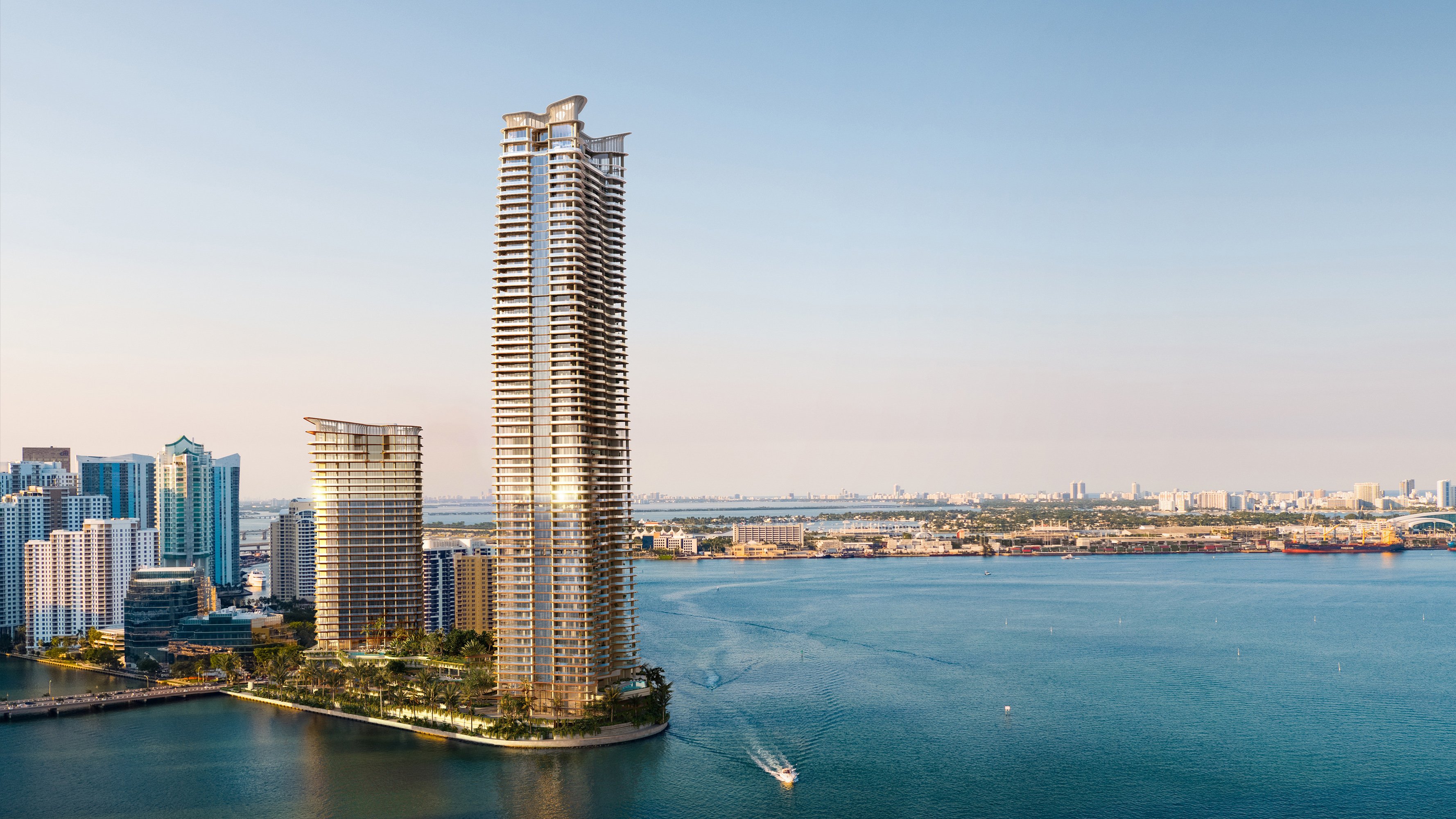
The Residences at Mandarin Oriental, Miami sits at the center of the conversation shaping South Florida luxury today: branded, service-rich living for buyers who want Miami to feel effortless from the moment they arrive. For seasonal owners, that ease is central to the appeal. A residence can serve as a winter address, a second home, a family gathering point, or a future primary residence.
Yet homestead planning begins where lifestyle language ends. Florida homestead benefits generally depend on primary-residence status, not the prestige of the building, the level of service, or the amount invested in the property. A buyer may be drawn to the hospitality-style environment and still need to answer a more technical question: will this Miami residence be the owner’s true permanent home for planning purposes?
That distinction matters because affluent seasonal buyers often approach a purchase through several lenses at once. The residence may sit within a personal lifestyle strategy, a tax domicile conversation, an estate-planning review, and an asset-protection framework. Sophisticated buyers treat those questions as part of the acquisition plan, not as an afterthought once the first season has passed.
A seasonal residence in Miami can be deeply personal without being the owner’s permanent home. Many luxury condominium buyers spend meaningful time in South Florida while maintaining business, family, civic, and financial ties elsewhere. That pattern can make a residence feel central to daily life for several months, while still leaving legal residency intent unresolved.
The Residences at Mandarin Oriental, Miami is especially relevant because branded residences are designed to reduce friction. Services, amenities, and the familiarity of the Mandarin Oriental name may make extended stays more natural. But amenities do not establish domicile by themselves. The question is less about comfort than consistency: how the buyer lives, documents, organizes affairs, and presents the Miami residence in relation to other homes.
Seasonal use may complicate that presentation. A buyer who uses Miami primarily during winter months should be careful before assuming the property will support homestead-related benefits. The planning conversation should address whether the owner intends the residence to be a lifestyle property only, a primary residence, or a bridge between the two.
Homestead planning is often misunderstood as a filing issue. For high-net-worth buyers, it is better viewed as a timeline. Decisions made before closing can influence how cleanly the residence fits into a broader plan. Decisions made after closing can support or undermine the owner’s position over time.
Before closing, buyers should coordinate the real estate purchase with their legal, tax, and residency advisors. The discussion may include how title will be held, how the residence fits into estate planning, whether existing out-of-state connections need review, and what documentation may be relevant if the buyer intends to treat the Miami property as a permanent home.
After closing, the analysis continues. A residence used only occasionally may tell a different story than one that becomes the center of personal life. For a New Project buyer, the period between contract, completion, and actual occupancy can be especially important because planning intent may develop before day-to-day use begins. The point is not to force a conclusion too early, but to ensure the ownership structure and personal facts are aligned.
Second-home ownership is one of South Florida’s defining luxury patterns. Buyers may arrive from colder markets, international cities, or other parts of the United States seeking privacy, climate, culture, and service. In that context, the idea of a Second-home is not casual. It can be a serious family asset and a long-term base for seasonal life.
Still, a second home and a permanent home are not the same planning category. A residence can be emotionally significant, beautifully serviced, and frequently used without becoming the owner’s primary residence. Seasonal buyers should be especially attentive to how their stated intent matches their actual behavior.
For example, if a buyer continues to anchor family administration, financial life, and personal identity elsewhere, the Miami property may remain a lifestyle residence rather than a homestead-planning foundation. If the buyer intends to make Miami the center of life, the planning should be deliberate and documented through the appropriate professional channels.
The most compelling purchases in Miami often satisfy more than one objective. A residence may serve the owner personally while also functioning as part of a long-range wealth plan. The Investment lens is not only about potential market performance. It includes carrying costs, tax considerations, estate goals, succession planning, and how easily the property fits into the buyer’s overall balance sheet.
The family lens is equally important. Seasonal buyers may be thinking about children, visiting relatives, privacy, guest use, or eventual retirement. A highly serviced residence can make multi-generational use easier, particularly for owners who want the feel of a private home without the burden of managing every detail themselves.
The residency lens requires separate discipline. Buyers comparing Brickell, Downtown, waterfront enclaves, or resort-style condominium settings should avoid assuming that one neighborhood or product type automatically resolves homestead eligibility. The decisive facts are personal and legal, not purely architectural. A branded residence may provide a refined setting for a permanent life in Miami, but the buyer must still align intent, use, and documentation.
The practical approach is to assemble the advisory circle early. Real estate counsel, tax advisors, estate-planning counsel, and residency professionals should be able to speak to one another before the buyer relies on any homestead-related benefit. This is particularly important when the buyer owns homes in multiple jurisdictions or has business interests outside Florida.
Buyers should also separate emotional certainty from planning certainty. It is possible to know that a residence is the right lifestyle purchase while still needing time to decide whether it will become the permanent home. The Residences at Mandarin Oriental, Miami can serve either role, depending on the buyer’s facts. What matters is avoiding assumptions.
For some, the property will be a polished seasonal retreat supported by the Mandarin Oriental brand. For others, it may become a cornerstone of a broader move into South Florida life. Both are legitimate luxury outcomes. They simply require different planning expectations.
Does owning at The Residences at Mandarin Oriental, Miami automatically create Florida homestead eligibility? No. Homestead planning generally depends on primary-residence status, not simply owning a luxury residence or using it seasonally.
Can a seasonal buyer use a Miami condo as a future primary residence? Yes, but the planning should reflect the buyer’s actual intent, timing, occupancy, and broader personal circumstances.
Do Mandarin Oriental branded services affect homestead status? The services may enhance lifestyle and convenience, but they do not determine legal residency or homestead eligibility on their own.
When should a buyer begin homestead planning? Before closing is the prudent starting point, especially when tax, estate, residency, and asset-protection issues are involved.
Is part-time use enough to support a primary-residence position? Part-time use may not be enough by itself. Seasonal buyers should review their facts with qualified advisors before relying on benefits.
Should title structure be discussed before purchase? Yes. How ownership is structured can intersect with estate planning, tax planning, and broader residency strategy.
Can the property be both a lifestyle residence and a planning anchor? It can, but only if the buyer’s facts support that role and the advisory work is handled deliberately.
What makes seasonal buyers different from full-time local buyers? Seasonal buyers often maintain meaningful ties elsewhere, which can make primary-residence intent more fact-specific.
Is this only a tax question? No. The planning may also involve legal residency, estate planning, asset protection, and family-use considerations.
What is the best way to shortlist comparable options for touring? Start with location fit, delivery status, and daily lifestyle priorities, then compare stacks and elevations to validate views and privacy.
For a confidential assessment and a building-by-building shortlist, connect with MILLION.
If branded residences are on your mind — as a home or as an allocation — we would be glad to share what we are seeing, privately.
Begin a quiet conversation