Fendi Château is an oceanfront residential proposition, not a confirmed marina address. Yacht-owning buyers should separate the residence from berth arrangements and secure written answers on dockage rights, off-site logistics, association rules, insurance, access, and operating constraints before closing.
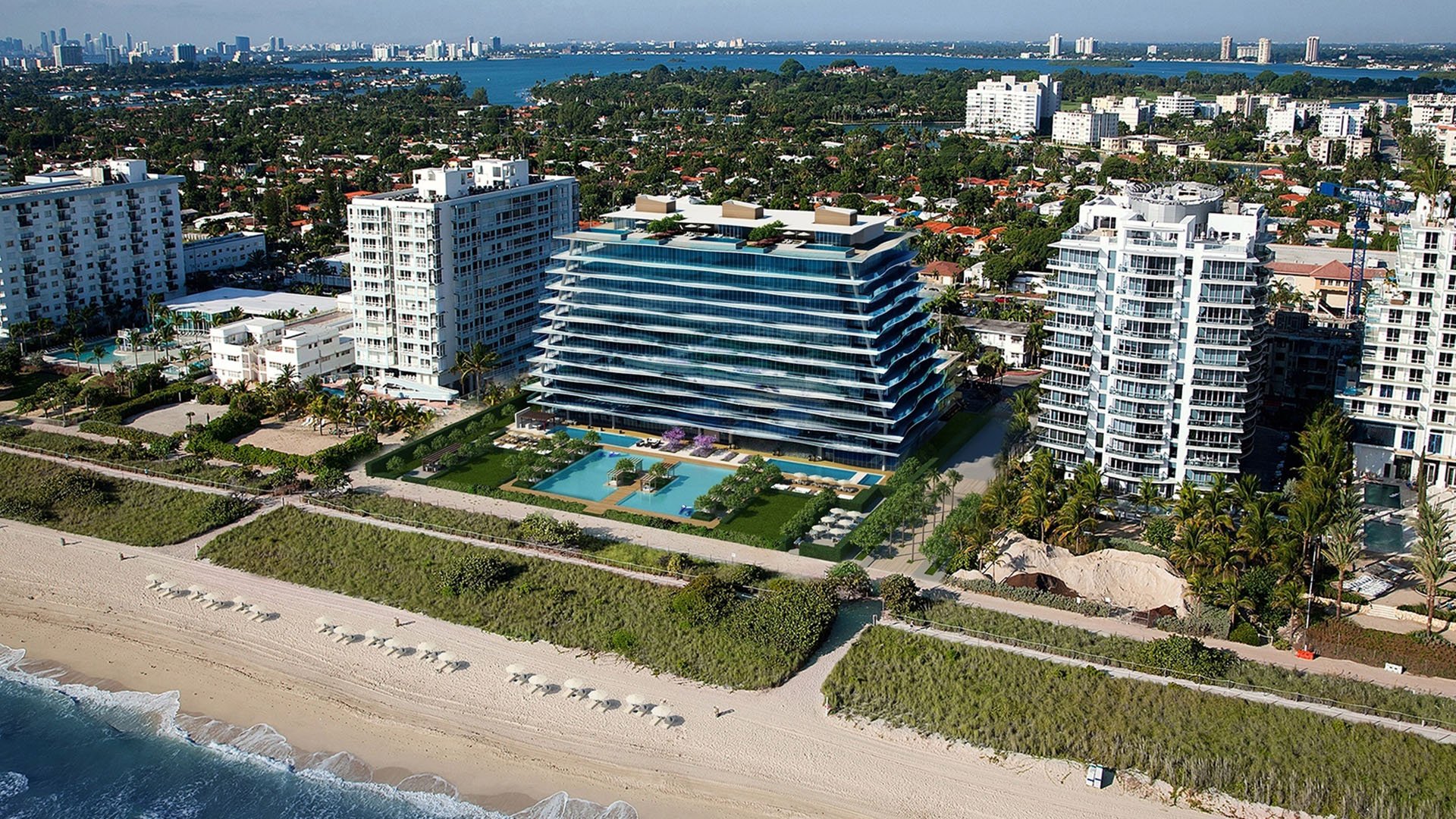
For a yacht owner, the distinction between water views and water access is fundamental. Fendi Château Residences Surfside occupies an Atlantic Ocean beachfront setting in Surfside. Its residential identity centers on Italian-branded design, high-end finishes, expansive private terraces, floor-to-ceiling glazing, ocean views, and resort-style amenities.
That proposition should not be mistaken for confirmation of an on-site marina, private slips, or dockage rights. The building is oceanfront rather than situated on an Intracoastal or bayside parcel. A buyer who requires dependable yacht berthing should therefore evaluate the residence and the berth as related but legally and operationally separate decisions.
This distinction is especially important within branded residences, where polished service language can sound comprehensive without creating a documented marine entitlement. Oceanfront prestige may define the lifestyle, but it does not establish where a vessel will be kept, who controls the berth, or what happens if access changes.
Before closing, ask the seller and condominium association to identify in writing whether any dockage right, marine facility, boating service, transportation arrangement, or marina relationship accompanies the residence. If a slip or service is mentioned during negotiations, the buyer's advisers should identify the document that creates it, the party obligated to provide it, and every condition attached.
Boat-slip language demands particular scrutiny. Clarify whether the arrangement is deeded, assigned, licensed, leased, revocable, transferable, or entirely independent of the condominium purchase. Also determine whether ownership of the residence creates priority, preferred terms, a waiting-list position, or no berth privilege at all. The available facts do not establish a marina partner, guaranteed berth, vessel capacity, or slip pricing at Fendi Château.
Marketing materials are no substitute for the condominium declaration, current rules, purchase agreement, association correspondence, marina contract, or other controlling documents. Any statement material to the acquisition should survive as a precise written term, not an informal assurance.
Even when a yacht remains elsewhere, the condominium's procedures can shape the ease of using it. Request current rules governing resident and guest access, parking, loading, deliveries, luggage, crew movements, outside vendors, and concierge coordination. Determine whether marine contractors, captains, provisioning teams, or transport providers face registration, scheduling, insurance, or access requirements when serving a resident.
Insurance requires two distinct reviews. Buyers should understand the residence and association requirements while separately confirming the vessel, marina, crew, and vendor coverage required by the chosen berth. The objective is not merely to collect policies, but to identify gaps between the building's rules and the yacht's operating practices.
If the intended routine includes frequent provisioning or guest departures, test that routine before closing. A luxury home may function beautifully as a beach residence while still demanding deliberate planning for vehicles, equipment, personnel, and transfers to an off-site marina.
Do not assume any nearby dockage option, travel time, bridge clearance, channel depth, hurricane policy, or waiting list. Verify each directly for the specific vessel and intended use. Yacht dimensions, draft, seasonal plans, shore-power needs, service requirements, tender strategy, and crew arrangements can materially affect a berth's suitability.
A practical review should cover availability, term, renewal rights, pricing structure, transferability, access hours, security, parking, guest procedures, fueling, provisioning, maintenance access, weather protocols, and termination rights. Buyers should also confirm the route between residence and berth under realistic traffic and operating conditions rather than relying on a generalized sense of proximity.
The same discipline applies when comparing other coastal residences. Nearby Ocean House Surfside and Arte Surfside can be considered as residential alternatives, while Onda Bay Harbor offers another location to investigate. In every case, buyers should compare governing documents and verified berth arrangements rather than infer marine access from a waterfront setting or project name.
The strongest closing file connects the residence documents to a separately verified marina plan. It should distinguish what belongs to the condominium purchase, what depends on a third party, what can change, and what remains contingent before funds are released.
For readers consulting MILLION Buyer's Guides, the essential principle is simple: treat the home, berth, and transportation plan as three coordinated components. If any component remains uncertain, resolve it through documentation, direct verification, and appropriate legal and insurance review before closing.
Does Fendi Château have a confirmed on-site marina? The available property details do not confirm an on-site marina or private yacht slips.
Does buying a residence include a yacht berth? No included berth is established by the available facts. Obtain written confirmation of any claimed dockage right before closing.
Why does the beachfront location matter? The property fronts the Atlantic Ocean rather than an Intracoastal or bayside parcel, so ocean frontage should not be equated with protected dockage.
What documents should a yacht owner request? Request the condominium declaration, current rules, insurance requirements, purchase agreement, and any separate marina or transportation contract.
What should be clarified about an off-site slip? Confirm control, term, cost, renewal, transferability, vessel limits, access rules, waiting-list status, and termination rights in writing.
Should a buyer rely on concierge or transportation language? No. Determine which services are documented, who provides them, whether fees apply, and whether availability is guaranteed.
Which building rules may affect yacht use? Parking, loading, guest access, deliveries, vendor registration, crew movements, and concierge procedures may shape the owner's routine.
What vessel-specific details require verification? Verify dimensions, draft, route constraints, channel conditions, shore power, service access, fueling, and weather procedures with the berth provider.
Can nearby projects be compared by waterfront location alone? No. Compare documented marine rights, association rules, off-site logistics, and the suitability of any berth for the actual yacht.
What should be resolved before closing? Resolve berth availability, contractual rights, operating costs, insurance obligations, transportation logistics, and every representation material to the purchase.
If you'd like a private walkthrough and a curated shortlist, connect with MILLION.
If branded residences are on your mind — as a home or as an allocation — we would be glad to share what we are seeing, privately.
Begin a quiet conversation