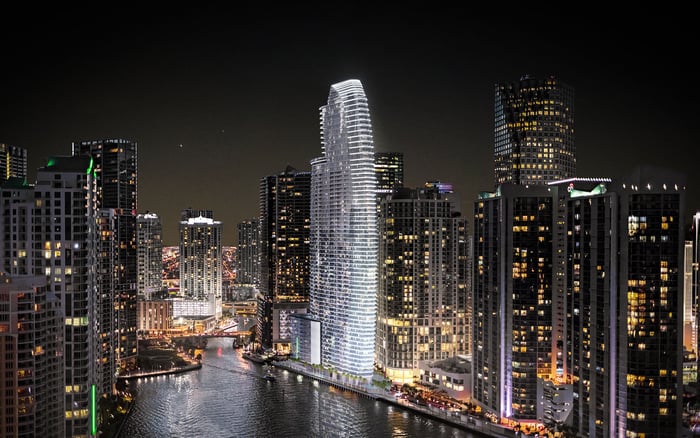
Miami Art Week is a useful lens for evaluating a Downtown Miami pied-à-terre because it reveals how location, privacy, service, and daily usability matter when the city is at its most active.
Miami Art Week is not only a cultural moment. For the right buyer, it is also a practical stress test. It reveals how a South Florida pied-à-terre performs when the city is fully animated: calendars compress, dinner plans shift, guests arrive with little notice, and privacy becomes as valuable as proximity.
That is why Downtown Miami deserves a more disciplined look. The better-positioned pied-à-terre is not necessarily the most theatrical address, nor the one closest to a single venue. It is the residence that lets an owner move through a demanding week with fewer compromises. It should feel calm on arrival, efficient between engagements, credible for entertaining, and comfortable enough to turn a short stay into a longer one.
For the buyer who visits Miami for art, design, philanthropy, finance, yachting, or family commitments, the question is no longer simply whether to own in South Florida. It is where ownership creates the most optionality with the least friction.
A pied-à-terre is often misunderstood as a small indulgence. In the ultra-premium market, it is closer to an operating base. It must support arrival, recovery, wardrobe changes, work calls, private dinners, and spontaneous invitations. During Miami Art Week, those requirements become impossible to ignore.
Downtown Miami offers a different proposition from the traditional resort-first idea of South Florida ownership. It speaks to buyers who want a more urban pattern of use, one that can remain relevant beyond a beach weekend. A Downtown residence can serve the collector who wants a refined base during cultural travel, the executive who needs a polished Miami address, or the family that wants a flexible second home without the maintenance profile of a large estate.
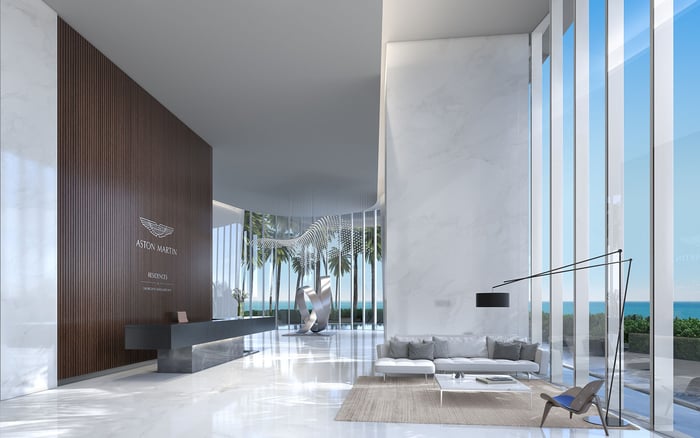
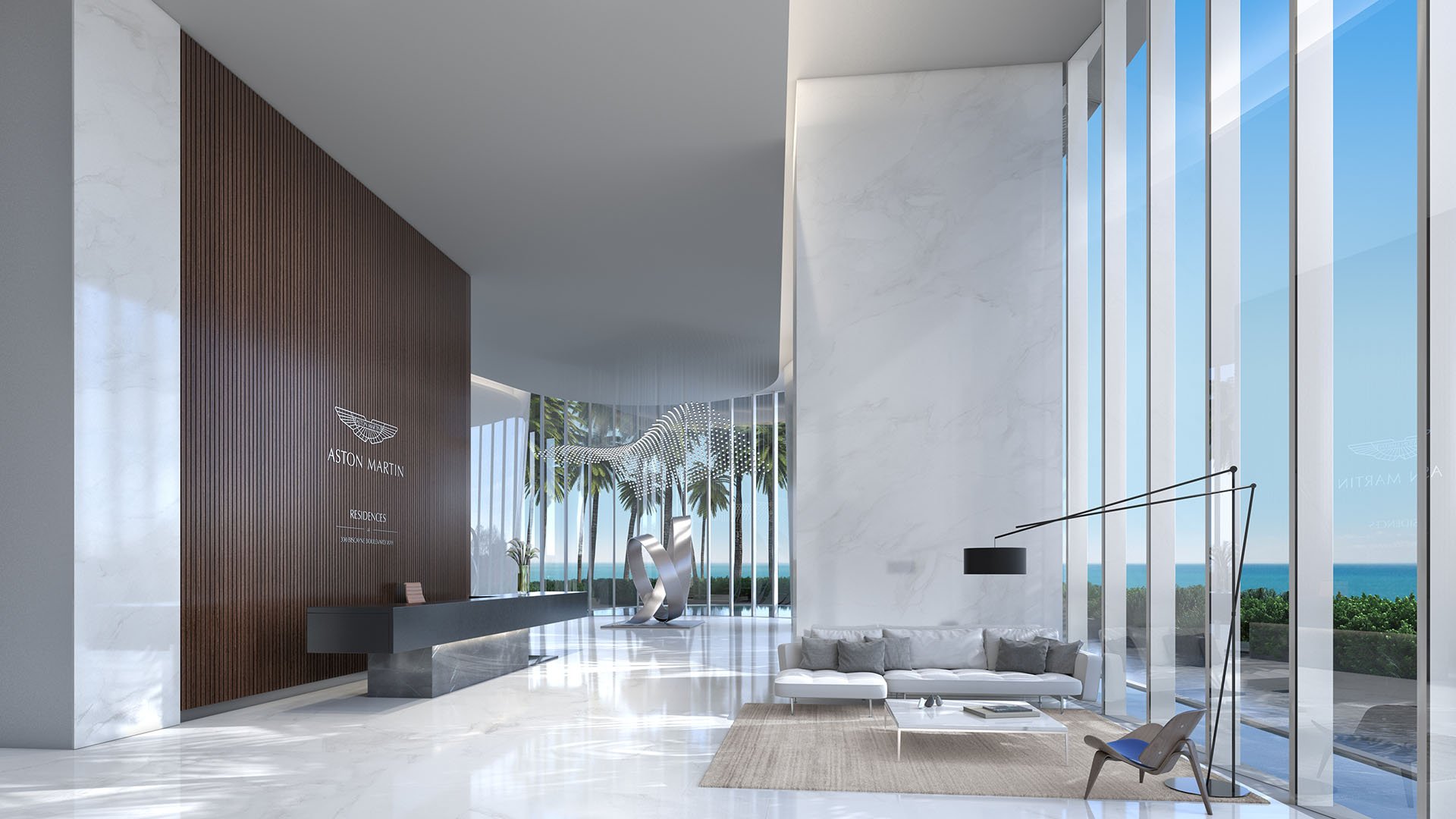
That is the case for looking at projects such as Aston Martin Residences Downtown Miami through a lifestyle lens rather than through architecture alone. The name may draw attention, but the more important question is how the residence supports repeated, high-quality use.
Miami Art Week tends to reward buyers who think operationally. A poorly positioned residence can still photograph beautifully, but it may demand too much energy in practice. A well-positioned one can make the week feel seamless, even when the itinerary is not.
This is where Downtown Miami becomes compelling. It offers an urban counterpoint to waterfront seclusion and resort density. For certain owners, that balance is precisely the point. They want to be in the city without surrendering to it. They want a secure place to land, edit the day, host selectively, and leave again without turning every movement into an event.
The strongest pied-à-terre brief should ask several questions. Can the residence feel composed after a late evening? Can it accommodate a breakfast meeting as easily as a quiet morning? Does the building experience support lock-and-leave ownership? Does the location still make sense in March, July, and October, not only during a celebrated week in December?
A design-forward address such as Casa Bella by B&B Italia Downtown Miami enters the conversation because the modern pied-à-terre buyer often wants more than a convenient unit. They want the interiors, arrival sequence, service culture, and brand language to feel considered from the first visit.
The Downtown Miami pied-à-terre buyer is often not choosing between owning and not owning. They are choosing between competing versions of convenience. One version offers beachfront ritual. Another offers neighborhood intimacy. Another offers vertical privacy and an urban address. Miami Art Week helps clarify which version is truly useful.
For some, the better answer will remain Miami Beach, Surfside, Coconut Grove, or Palm Beach. For others, Downtown becomes the more intelligent platform. It can suit a buyer who attends events across multiple parts of the city, values discretion over display, and wants a base that can transition between leisure and business without feeling improvised.
This is also where investment discipline matters. The most elegant purchase is not made because a calendar week feels exciting. It is made because the owner understands how often the residence will be used, who will use it, what level of service is expected, and how the property fits within a broader South Florida portfolio.
A buyer comparing Downtown and Brickell may also weigh a project such as The Residences at 1428 Brickell against Downtown options. That comparison can be revealing. Brickell may appeal to those who want a highly polished, business-oriented setting, while Downtown may appeal to those seeking a broader urban base with a different cadence.
A refined pied-à-terre strategy begins with use-case, not finishes. Finishes matter, but they should not lead the decision. During Miami Art Week, the more revealing details are quieter: how easily guests can be received, how the residence feels between events, whether storage is adequate for repeat travel, and whether the building experience feels effortless rather than performative.
Privacy should be considered early. So should parking, arrival, elevators, views, terraces, service, guest flow, and the emotional quality of the common areas. A pied-à-terre may be used intermittently, but each stay tends to be highly intentional. The tolerance for inconvenience is low.
New-construction buyers should also separate novelty from longevity. A new residence may offer a compelling ownership experience, but the deciding factor should be whether the project’s design, location, and service posture will still feel appropriate after the first wave of attention passes.
That is why Waldorf Astoria Residences Downtown Miami and One Thousand Museum Downtown Miami can both enter a serious Downtown conversation, despite appealing to different tastes. The key is not to select the most recognizable name. The key is to identify the residence that best matches the owner’s rhythm.
Miami Art Week compresses the city’s advantages and inconveniences into a brief period. That compression is useful. It shows what matters when time is scarce, when the social calendar is active, and when an owner wants to enjoy Miami without being managed by it.
For the ultra-premium buyer, Downtown Miami is not merely a location. It is a statement about how the city will be used. The best purchase will feel natural during a major cultural week, but it will also make sense when the city is quieter. It will support art-related travel, client meetings, family visits, and restorative weekends. It will be elegant because it is useful.
In that sense, Miami Art Week does not create the case for a Downtown pied-à-terre. It sharpens it. It allows buyers to see whether a residence is simply desirable or genuinely well positioned.
Why consider Downtown Miami for a pied-à-terre during Miami Art Week? Downtown can work well for buyers who want an urban base that supports flexible schedules, privacy, and frequent movement across the city.
Is a Downtown pied-à-terre only useful during Miami Art Week? No. The stronger case is year-round usability, including business travel, cultural visits, weekends, and longer seasonal stays.
Should a buyer prioritize the building or the location first? Both matter, but the use-case should lead. A beautiful residence is less compelling if it does not support the owner’s actual Miami rhythm.
How does Brickell compare with Downtown for this type of purchase? Brickell may feel more business-centric, while Downtown can offer a broader urban base. The right choice depends on lifestyle and daily patterns.
What makes a pied-à-terre feel ultra-premium? Privacy, arrival quality, service, design coherence, storage, views, and ease of ownership all contribute to a truly elevated experience.
Is brand recognition enough to justify a purchase? No. A respected name can add confidence, but the residence still needs to function beautifully for repeated personal use.
Can a Downtown pied-à-terre support entertaining? Yes, if the floor plan, building arrival, guest flow, and private spaces are aligned with the way the owner prefers to host.
Should buyers focus only on large residences? Not necessarily. A well-planned smaller residence can outperform a larger one if it is easier to use, maintain, and enjoy.
What is the main lesson from Miami Art Week for buyers? The week reveals whether an address reduces friction or adds it. That is often the clearest measure of positioning.
When should a buyer begin comparing Downtown Miami options? The best time is before a purchase feels urgent, when preferences can be evaluated calmly and with a full view of available choices.
If you'd like a private walkthrough and a curated shortlist, connect with MILLION.
If branded residences are on your mind — as a home or as an allocation — we would be glad to share what we are seeing, privately.
Begin a quiet conversation