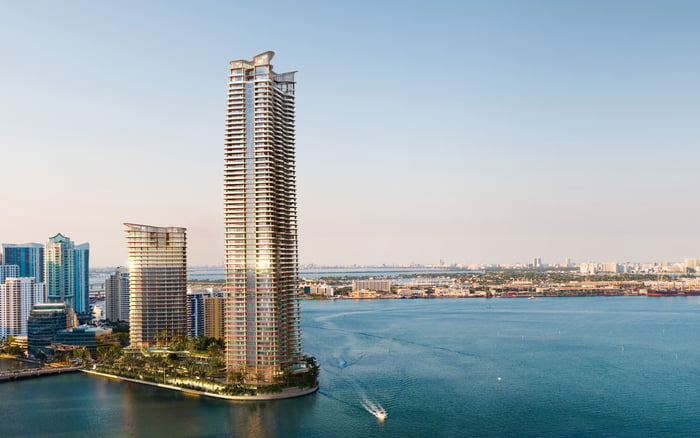
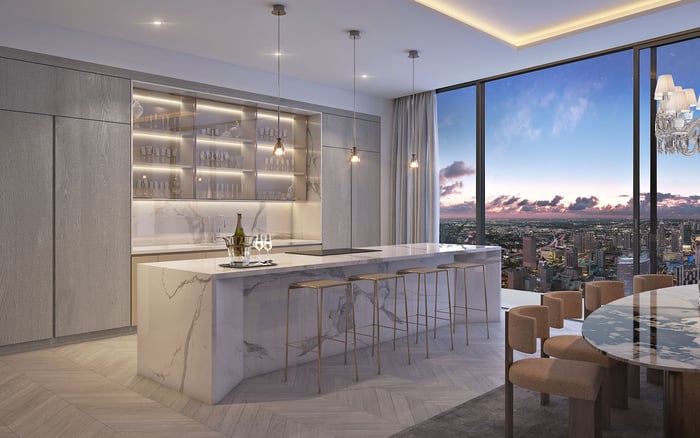
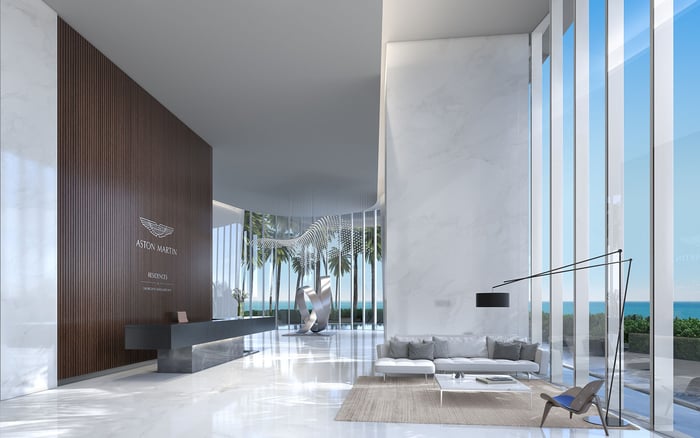
A buyer-focused look at The Residences at Mandarin Oriental, Miami as a hospitality-led, resort-style residence for owners who want service, calm, and practical Brickell access.
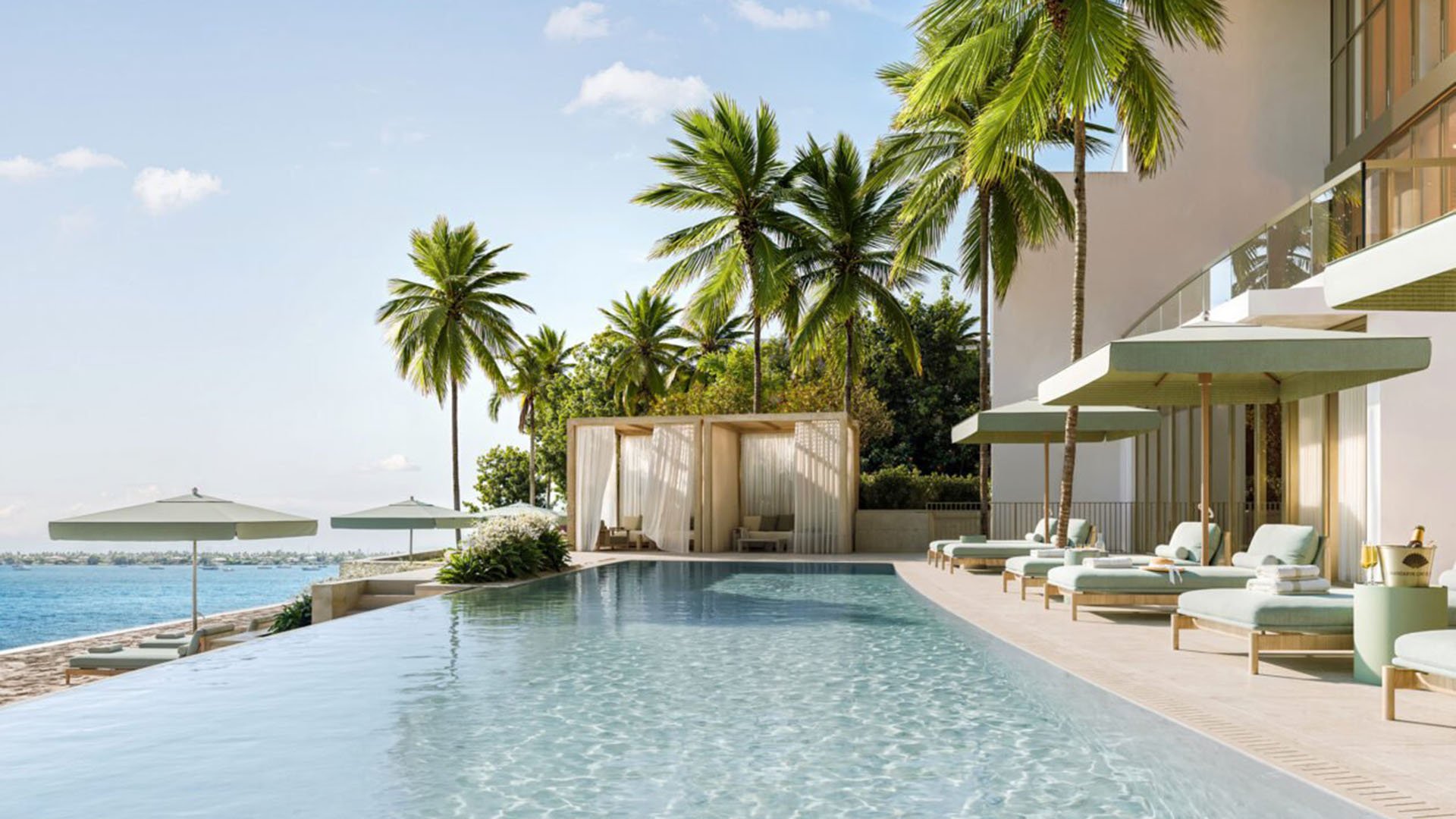
For many high-net-worth buyers in Miami, the central question is no longer simply which tower has the most dramatic view or the most polished lobby. It is whether a residence can make daily life feel protected, serviced, and resort-like while still keeping the owner close to the city’s business infrastructure. That tension is exactly where The Residences at Mandarin Oriental, Miami becomes especially relevant.
The project is positioned as a luxury branded-residence offering tied to the Mandarin Oriental hospitality platform in Miami. That distinction matters. It places the development less in the category of a conventional condominium and more in the realm of a hospitality-led residential experience, where ownership is supported by service, amenity, and a globally recognized luxury identity.
For buyers who work in or around Brickell, or who use Miami as a base for finance, travel, family offices, and regional business, the appeal is direct. The property’s core proposition is resort-style residential arrival with continued access to Brickell and Miami’s central business district. It speaks to the owner who wants the atmosphere of escape without treating urban utility as an afterthought.
The Mandarin Oriental brand gives the development a global luxury-hospitality identity rather than a purely local condominium identity. In Miami, where luxury buyers are increasingly sophisticated and often compare residences across multiple cities, brand recognition can function as shorthand. It signals service expectations, design discipline, and a level of operational polish that extends beyond finishes.
This does not mean every branded residence is the same. The stronger projects understand that service is not theater. It is the architecture of time. For executives, international buyers, and second-home owners, the value is often in what the residence removes from daily friction: arrival, hosting, maintenance coordination, amenity access, and the confidence that a home can be enjoyed without constant oversight.
That is why the Mandarin Oriental positioning is important. The project’s value proposition centers on combining private residential ownership with hospitality-style services and amenities. For a buyer who spends part of the year in Miami, or who moves between continents, that blend can be more compelling than a traditional luxury condo that relies primarily on square footage, views, and private interior design.
Brickell remains Miami’s financial and professional hub, which makes proximity more than a convenience. For certain buyers, access to offices, dining, transit connections, and central Miami routines is part of the property’s luxury profile. The question is not only how beautiful a residence feels at sunset. It is how efficiently it supports a weekday morning, a client dinner, a board call, or a last-minute airport departure.
This is where The Residences at Mandarin Oriental, Miami separates itself from the more familiar Brickell high-rise equation. Conventional Brickell towers may offer high design and urban immediacy, but they do not always deliver the same resort-hospitality framing. The distinction is subtle yet meaningful: one model prioritizes being in the center of the city, while the other aims to create a composed residential retreat near that center.
That contrast also helps explain why nearby branded and lifestyle-driven properties such as St. Regis® Residences Brickell and Baccarat Residences Brickell have become part of the same buyer conversation. The ultra-luxury market is increasingly defined by service platforms and identity, not just by location and finishes.
Miami Beach has long represented the city’s resort fantasy. For many buyers, that lifestyle remains powerful: ocean proximity, hotel energy, and a leisure-first rhythm. Yet it is not always the right answer for someone who still needs frequent access to Brickell or Downtown.
The Residences at Mandarin Oriental, Miami offers a different proposition. Its pitch is resort atmosphere with stronger downtown utility. That makes it especially interesting for buyers who may admire the hospitality sensibility of properties such as The Ritz-Carlton Residences® Miami Beach, but who want their Miami base to function closer to the business core.
This is not an argument against the beach. It is a recognition that luxury has become more personal. Some owners want sand and separation. Others want a quieter, more service-driven arrival that still keeps them in the orbit of Brickell restaurants, offices, cultural venues, and transit options. For the latter buyer, a resort-island feeling near the city can be a more precise fit.
Miami’s branded-residence trend has matured. Hotel-level service is now one of the primary ways ultra-luxury condominiums differentiate themselves, but buyers should still evaluate the substance behind the name. A strong brand can add comfort, but the real question is whether the residential experience matches the owner’s actual life.
For a new project in this category, the clearest test is alignment. Does the service model support lock-and-leave ownership? Does the setting improve access to the places that matter? Does the amenity program feel useful rather than ornamental? Does the brand identity have meaning to a global buyer who may be comparing Miami with New York, London, Dubai, or the Caribbean?
That framework is why The Residences at Mandarin Oriental, Miami should not be treated as just another condominium tower. Its editorial relevance lies in the way it combines branded service, resort arrival, urban convenience, and Brickell proximity. It belongs in the same broader conversation as city-defining residences such as The Residences at 1428 Brickell, where buyers are weighing architecture, privacy, and daily utility as part of a single decision.
The strongest audience is likely to be executives, international buyers, and second-home owners who value both service-heavy living and proximity to Miami business infrastructure. This is the buyer who wants a home that can host, rest, and operate efficiently. It is also the buyer who may prefer a more curated arrival over the constant motion of a purely urban tower.
Investment logic also plays a role, although it should be framed carefully. The appeal is not speculative shorthand. It is the durability of a branded, service-led residential concept in a market where affluent buyers increasingly want turnkey ease, recognizable standards, and location utility. For some owners, the brand may help clarify the emotional and practical reason to choose one Miami address over another.
The project is ultimately about balance. It offers the promise of resort sensibility without requiring a buyer to disconnect from the city. For those who see Miami as both lifestyle capital and business platform, that balance is the point.
What is The Residences at Mandarin Oriental, Miami? It is positioned as a luxury branded-residence project connected to the Mandarin Oriental hospitality platform in Miami.
Why is Brickell access central to the appeal? Brickell functions as Miami’s financial and professional hub, so access supports both workday efficiency and lifestyle convenience.
Is this best understood as a traditional condo tower? No. The stronger framing is a hospitality-led residential experience within Miami’s urban luxury market.
Who is the likely buyer for this project? The natural fit includes executives, international buyers, and second-home owners who want service-heavy living near business infrastructure.
How does the Mandarin Oriental brand affect the positioning? It gives the residence a global luxury-hospitality identity rather than a purely local condominium identity.
What lifestyle themes define the project? The main themes are branded service, resort arrival, urban convenience, lock-and-leave ownership, and Brickell proximity.
How does it compare with conventional Brickell high-rises? Conventional towers may offer luxury finishes, while this project emphasizes a more resort-hospitality residential proposition.
How does it compare with Miami Beach resort living? It aims to offer resort atmosphere while preserving stronger practical access to Brickell and Downtown routines.
Is this relevant for lock-and-leave ownership? Yes. The hospitality-style service concept is especially relevant for owners who want a Miami home that can be managed with ease.
Why is this part of Miami’s branded-residence trend? It reflects the shift toward hotel-level service and globally recognized brands as differentiators in ultra-luxury residential ownership.
For a confidential assessment and a building-by-building shortlist, connect with MILLION.
If branded residences are on your mind — as a home or as an allocation — we would be glad to share what we are seeing, privately.
Begin a quiet conversation