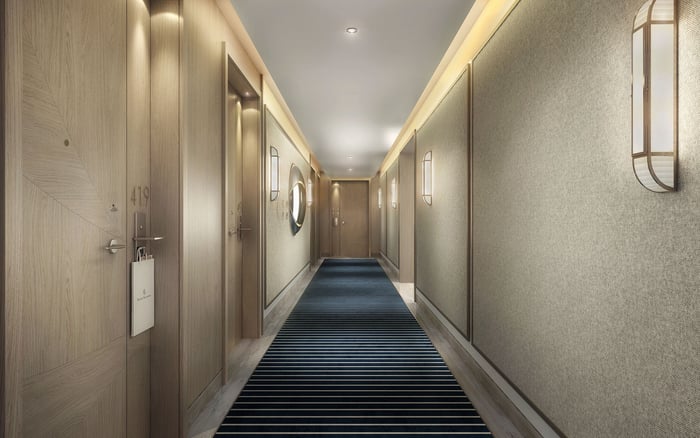
A discreet buyer’s guide to The Residences at 1428 Brickell, focused on how to evaluate pricing, amenities, and long-term ownership priorities in Brickell’s luxury condominium market.
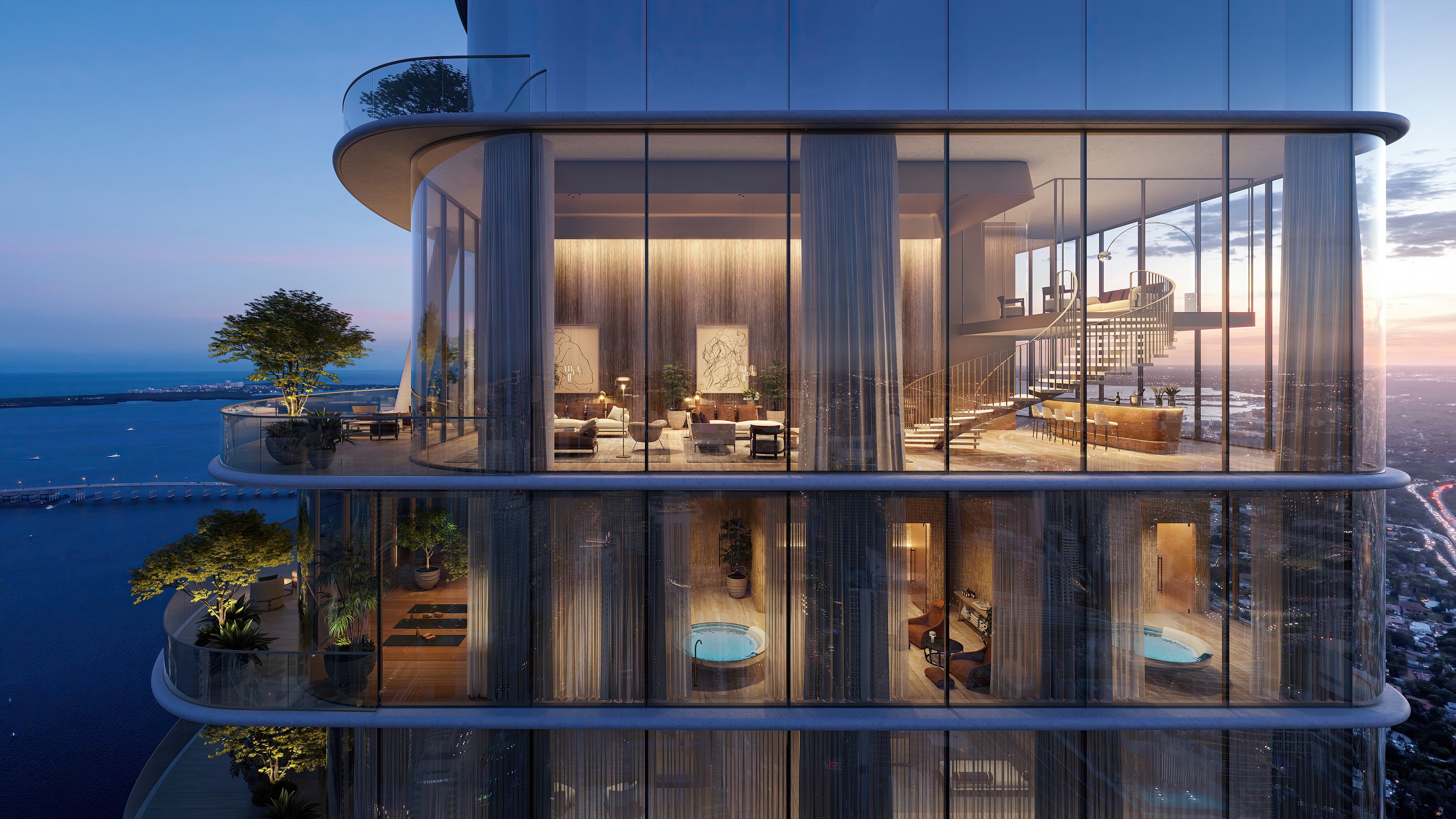
For luxury buyers, The Residences at 1428 Brickell is best understood as a complete ownership decision, not simply a question of asking price. The most sophisticated purchasers in Brickell look beyond the presentation gallery and consider how the residence will function in daily life: arrival, privacy, views, service standards, amenity access, building operations, and eventual resale positioning.
That lens is especially important in a market where new towers often compete for the same buyer profile. Pricing matters, but so does the discipline behind the purchase. A compelling residence should align with the buyer’s timeline, lifestyle, capital plan, and tolerance for urban density. The right answer is rarely the lowest number. It is the residence that still feels intelligent five years after closing.
Rather than relying on a single headline figure, buyers should evaluate pricing through several practical filters. Line, elevation, exposure, ceiling character, outdoor space, parking rights, storage, view preservation, and closing costs can all change the real value of a residence. For high-floor buyers, the premium is often less about height alone and more about light, outlook, privacy, and separation from the street.
In Brickell, comparison shopping should be selective. A buyer considering 1428 Brickell may also study Baccarat Residences Brickell or St. Regis® Residences Brickell, but the analysis should not stop at price per square foot. Service model, brand tone, delivery expectations, floor plan efficiency, and the long-term character of the owner base can matter as much as the published range.
A prudent pricing conversation asks three questions: What is the true all-in cost of ownership? What alternatives exist at the same budget? And what would make this specific residence easier or harder to resell when the next buyer is comparing the same submarket?
Amenities should be judged by utility, not volume. The strongest amenity programs reduce friction. They make wellness easier, hosting more graceful, work more private, and arrival more controlled. A long list of spaces matters less than whether those spaces are sized, staffed, and programmed for the number of residences using them.
For a new-construction buyer, amenity diligence should include operating costs, reservation policies, guest access, pet rules, package handling, valet procedures, fitness capacity, and how peak-hour usage is managed. These details influence not only lifestyle, but also monthly carrying costs and building culture.
The Brickell buyer has a wide field of reference. Cipriani Residences Brickell appeals to those who value hospitality cadence, while other towers may lean more toward design, wellness, or residential quiet. The best fit depends on how the owner actually lives.
Before reserving, buyers should define their hierarchy. Is the priority a primary residence, a second-home pattern, a corporate base, or an investment with long-term optionality? Each answer changes the ideal floor plan, exposure, furnishing strategy, and tolerance for monthly cost.
Privacy is often underestimated. Buyers should ask about elevator flow, service access, lobby scale, parking circulation, and how residents move from car to home. In a dense urban setting, the transition from public city to private residence is one of the most meaningful luxury features.
Terrace usability also deserves close attention. Outdoor space can be spectacular on paper, but its real value depends on depth, orientation, wind comfort, sun exposure, and furniture practicality. Interior layouts should be tested with the same rigor: art walls, dining scale, work-from-home needs, guest separation, and staff or service functions where relevant.
Pre-construction buyers should also be clear about timing. Deposit schedule, completion expectations, customization opportunities, assignment rules, and closing readiness are not small administrative details. They shape the financial rhythm of the purchase.
Brickell remains Miami’s most vertical luxury neighborhood, with a mix of finance, dining, hotels, offices, and waterfront access. Its appeal is urban rather than resort-like. Buyers who want immediate city energy may find it compelling, while those seeking quiet sand or a low-density enclave may prefer Miami Beach, Surfside, Coconut Grove, or Palm Beach.
Within Brickell, micro-location matters. The daily experience can shift with traffic patterns, walkability, views, and proximity to restaurants, offices, schools, and private clubs. A buyer comparing ORA by Casa Tua Brickell with 1428 Brickell should focus on the atmosphere of ownership as much as the architecture.
This is where investment thinking becomes personal. The most resilient purchase is often the one that satisfies both the spreadsheet and the owner’s preferred rhythm of life.
A disciplined buyer should request current availability, confirm the latest pricing directly, review floor plans at full scale, study view corridors, compare monthly carrying assumptions, and understand the building’s rules before becoming emotionally attached to a residence.
It is also wise to walk the immediate area at different times of day. Morning traffic, evening dining energy, valet flow, and weekend patterns reveal more than a rendering. In luxury real estate, the building is only part of the decision. The neighborhood is the daily stage.
Is The Residences at 1428 Brickell a pricing-first decision? No. Pricing should be evaluated alongside floor plan quality, views, carry, service model, timing, and resale positioning.
How should buyers compare 1428 Brickell with other Brickell towers? Compare lifestyle, privacy, amenities, ownership rules, and long-term fit, not only price per square foot.
Are published prices enough to make a decision? No. Buyers should verify current availability, deposits, closing costs, and monthly ownership assumptions.
What matters most in the amenity package? Usability matters most. Staffing, access, capacity, policies, and operating costs are more important than a long list of spaces.
Is Brickell suitable for a primary residence? It can be, especially for buyers who want an urban Miami address close to dining, offices, and city energy.
Should second-home buyers view the purchase differently? Yes. They should prioritize lock-and-leave convenience, service, arrival experience, and low-friction maintenance.
What should investors consider? Investors should study rental rules, carrying costs, buyer demand, resale competition, and the depth of the luxury market.
Do high floors always justify a premium? Not always. The premium should be supported by view quality, privacy, light, and a stronger resale story.
How important is outdoor space? Very important, but only if the terrace is usable, well oriented, and suitable for real furniture and daily enjoyment.
What is the best way to shortlist comparable options for touring? Start with location fit, delivery status, and daily lifestyle priorities, then compare stacks and elevations to validate views and privacy.
To compare the best-fit options with clarity, connect with MILLION.
If branded residences are on your mind — as a home or as an allocation — we would be glad to share what we are seeing, privately.
Begin a quiet conversation